
The shift is easy to miss until you look closely. The grocery store is quietly becoming one of the most serious restaurant competitors in America.
The new competition is happening in plain sight
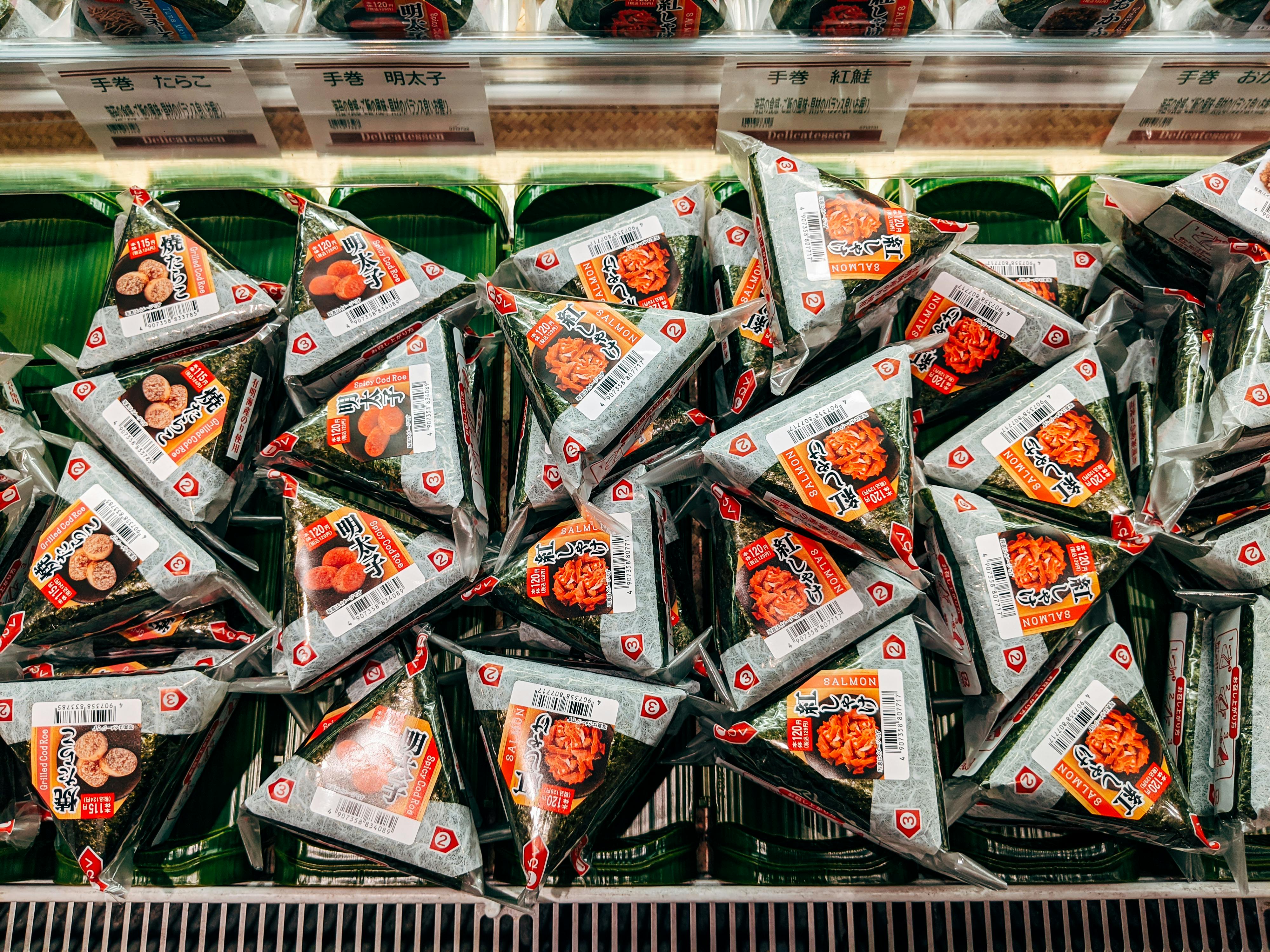
Walk into a modern supermarket and the evidence is everywhere. Sushi counters, pizza ovens, burrito stations, coffee bars, salad lines, and hot food buffets now sit where extra shelving once did. Chains including Whole Foods, Wegmans, H-E-B, Kroger, and Hy-Vee have spent years building prepared-food departments that look and operate like casual dining kitchens.
This is not a cosmetic upgrade. According to industry tracking from FMI and reporting across the food retail sector, prepared foods have become one of the most strategic categories in grocery because they drive traffic, lift margins, and keep shoppers in the store longer. A customer who came in for milk can now leave with dinner for four.
The restaurant industry sees the overlap, even if it rarely frames grocery as a direct rival in public. The battle is over the same need state: tonight's meal. If a family buys rotisserie chicken, sides, and dessert from a supermarket, that is a restaurant occasion that disappeared before it ever reached a dining room or delivery app.
Convenience is beating tradition
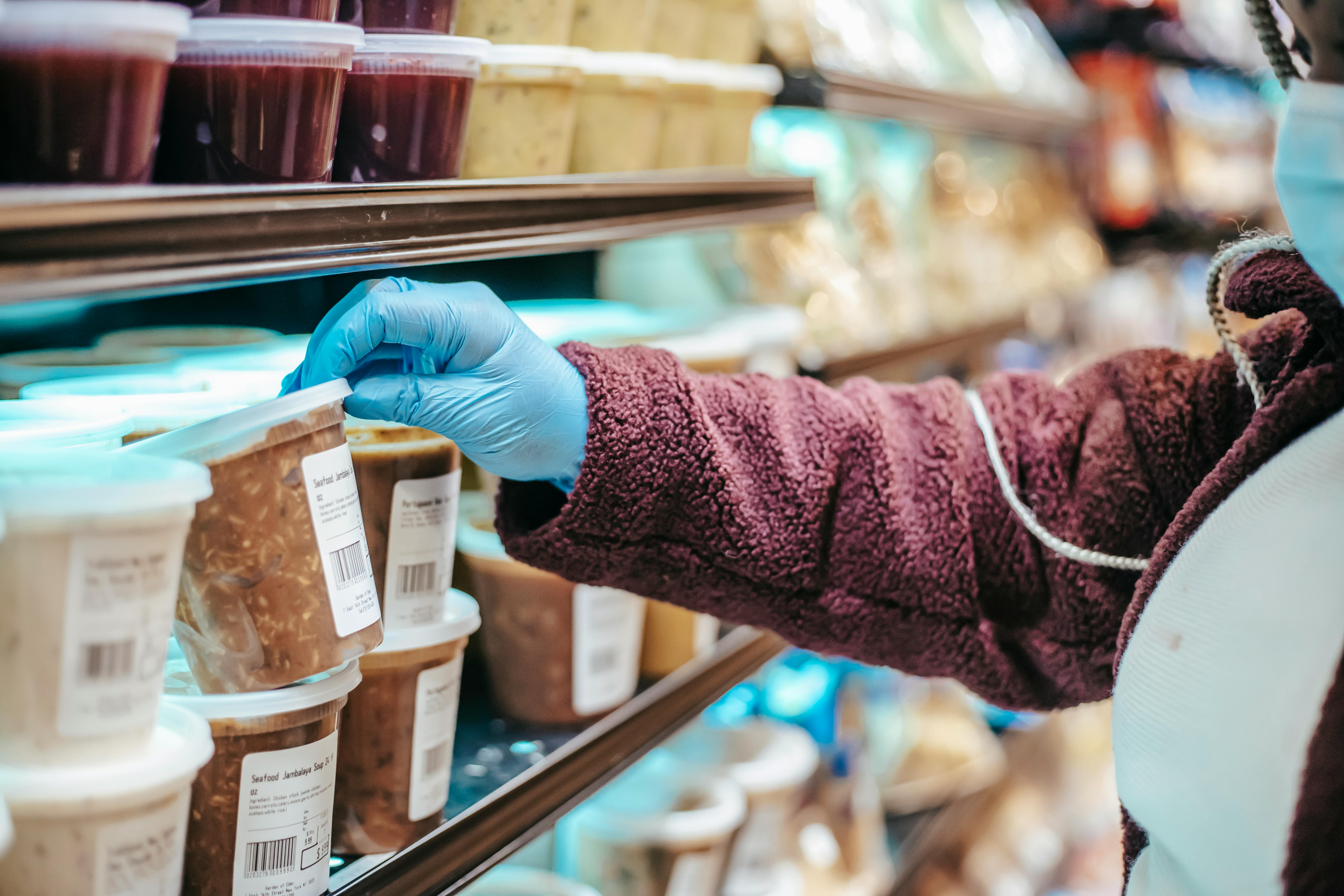
What gives grocery stores their edge is not just food. It is timing, location, and habit. Most Americans already visit supermarkets weekly, and many pass one on the way home from work or school. That makes the prepared-food counter an easy solution when cooking feels unrealistic but restaurant prices feel hard to justify.
The convenience has deepened as stores add digital ordering, curbside pickup, self-checkout, and app-based promotions. In some markets, shoppers can order hot meals, deli sandwiches, and family bundles alongside bananas and detergent in one transaction. Restaurants usually cannot combine dinner with a week's worth of essentials.
There is also a psychological advantage. Grocery spending often feels more practical than restaurant spending, even when the prepared meal is serving the same purpose. Consumers under pressure from inflation have become especially alert to that distinction, and supermarkets have leaned into it with combo meals, meal kits, and take-and-bake options that signal value.
Supermarkets learned how to mimic restaurant behavior
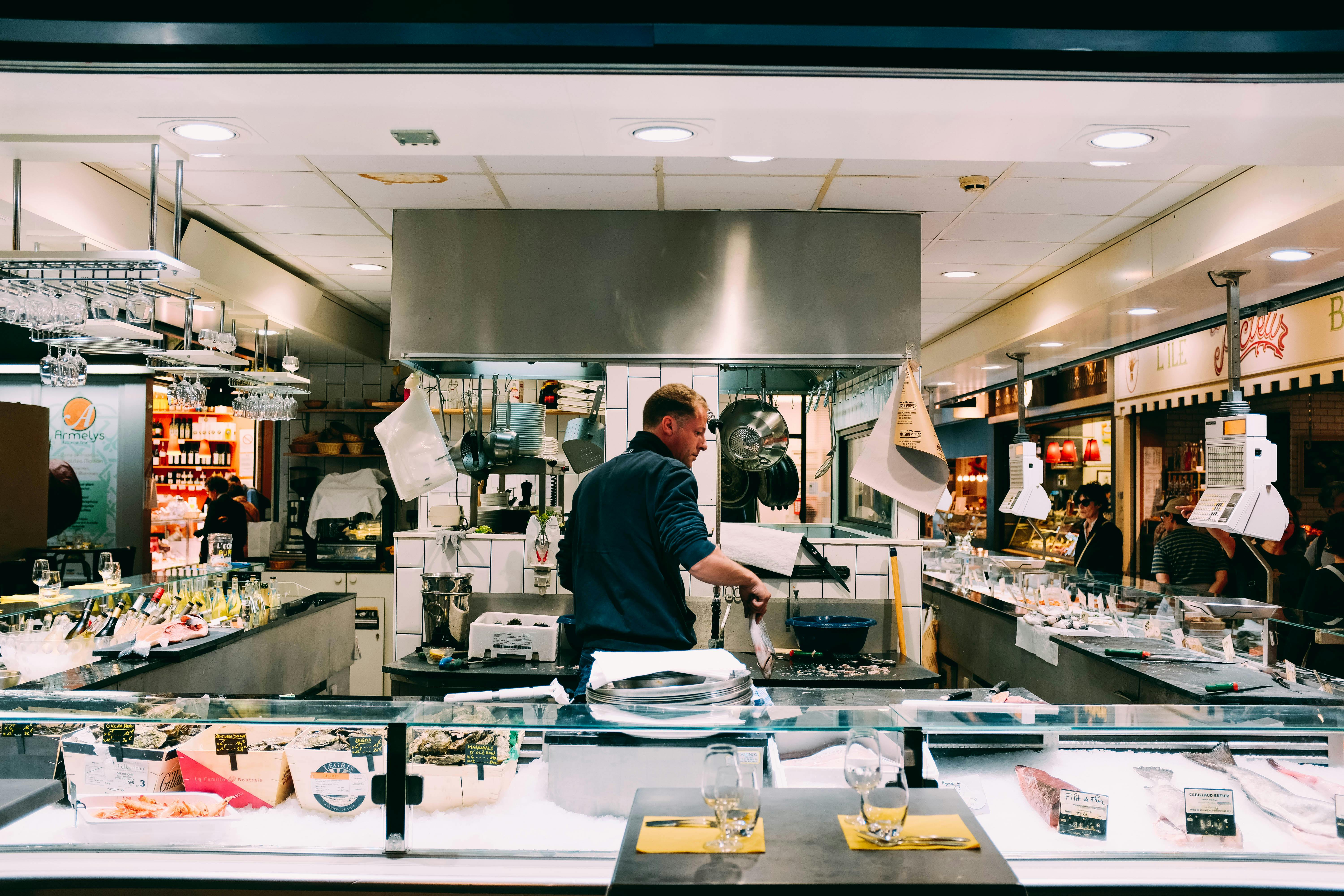
This did not happen by accident. Grocery operators borrowed heavily from restaurant playbooks, then adapted them to high-volume retail. Open kitchens create theater. Limited-time offerings generate urgency. Regional menus and chef-branded items suggest freshness and expertise. Seating areas, beer taps, and in-store events turn a transaction into a destination.
Some chains have become especially advanced. Wegmans has long used expansive prepared-food sections as a traffic magnet. H-E-B in Texas has built strong loyalty through meal solutions that reflect local tastes. Whole Foods made the supermarket hot bar a national ritual, and even as that format evolved, it changed shopper expectations permanently.
Importantly, grocers can spread risk differently than restaurants. If a sushi counter has a slow afternoon, the store still sells produce, cereal, and pharmacy items. That diversified revenue base gives supermarkets more room to experiment with foodservice than independent restaurants typically have.
Price pressure is changing where people buy meals
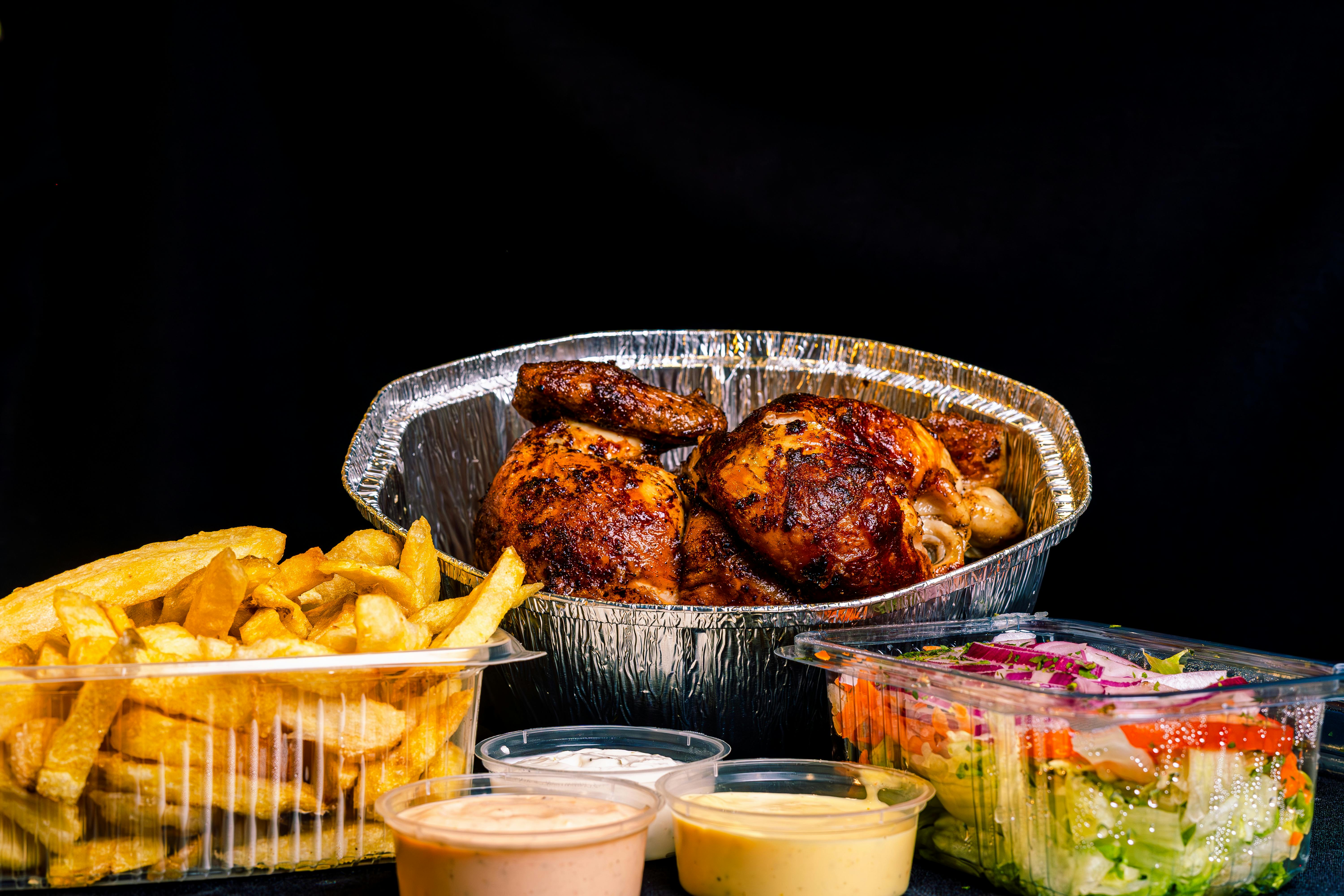
The most uncomfortable truth for restaurants is that grocery stores can often win on value. They have stronger purchasing power across the supply chain, broad distribution networks, and existing real estate that is already supported by staple shopping. In many cases, the labor model is different too, especially when foodservice is integrated into a larger store operation.
That can translate into lower prices for prepared meals. A family meal from a supermarket may undercut casual dining and many delivery orders by a wide margin, particularly once service fees and tips are added. During prolonged inflation, that difference matters more than branding or ambience for a large share of households.
Consumers are not necessarily abandoning restaurants altogether. They are becoming more selective about when a restaurant experience feels worth the premium. Birthdays, social gatherings, and destination dining remain resilient. But routine weekday dinner, once a dependable restaurant revenue stream, is increasingly vulnerable to grocery stores with strong prepared-food programs.
The line between retail and hospitality is fading fast

A store that sells groceries, serves lunch, offers wine, hosts community events, and fulfills digital meal orders is no longer operating in a single category. It is part retailer, part restaurant, and part convenience platform. That hybrid model reflects how consumers actually live, not how the industry traditionally organized itself.
Research across foodservice and retail consistently shows that meal occasions are fragmenting. Breakfast might come from a coffee chain, lunch from a workplace cafeteria, dinner from a supermarket hot bar, and snacks from a warehouse club. Loyalty is shifting away from venue type and toward usefulness, speed, and perceived value.
That is why the old distinction matters less every year. Consumers are not asking whether dinner came from a restaurant or a grocery store. They are asking whether it was good, fast, affordable, and easy to bring home.
Restaurants ignore this shift at their own risk
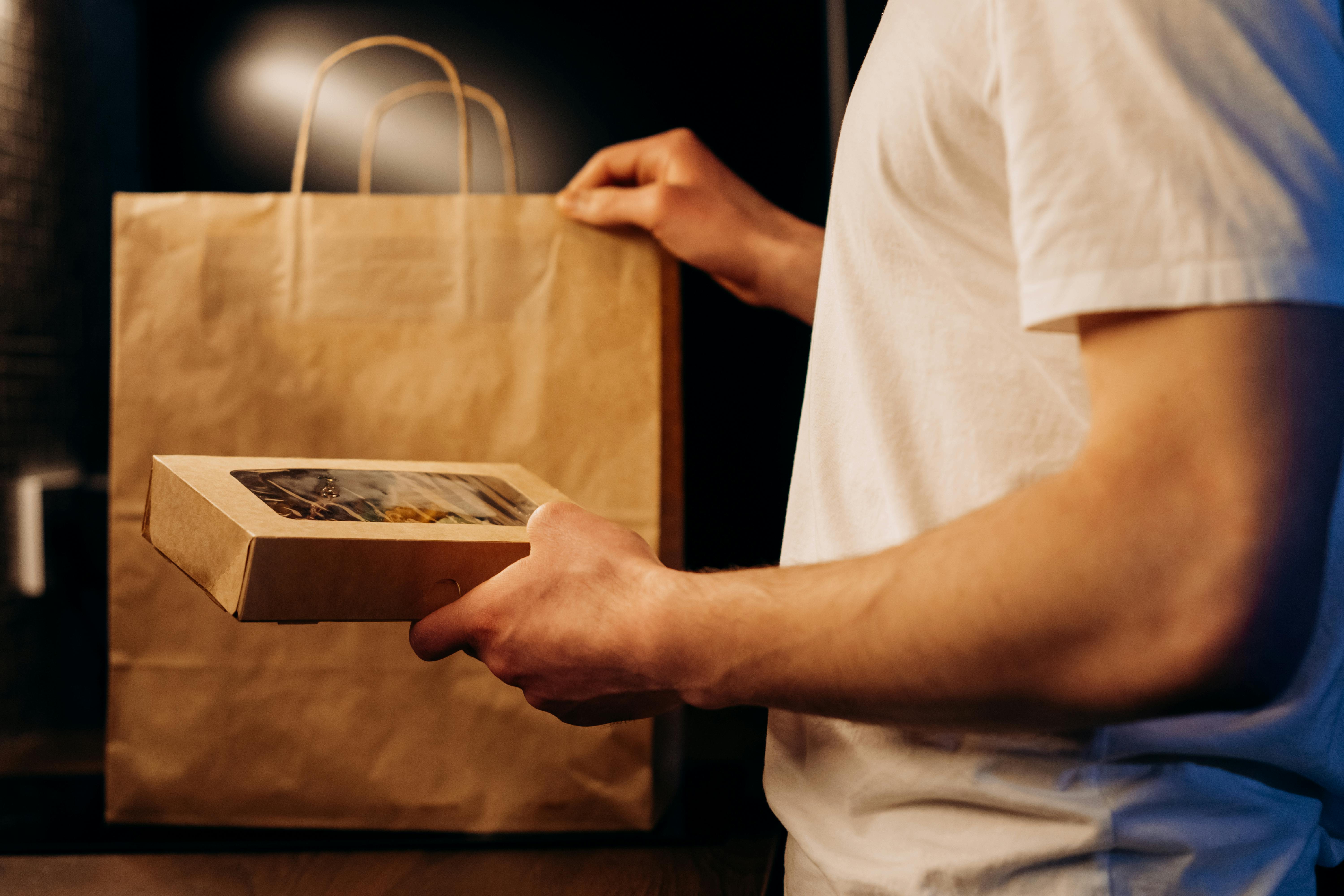
The restaurant industry does not need to panic, but it does need to speak honestly about the competitive map. The fiercest rival for many operators is no longer just the chain across the street. It is the supermarket with a polished prepared-food section, mobile ordering, sharp pricing, and heavy foot traffic seven days a week.
The smartest restaurants are already responding. They are simplifying menus, improving takeout packaging, building stronger family meal bundles, and focusing on dishes that are difficult to replicate at retail scale. They are also leaning into hospitality, because true service and atmosphere remain meaningful advantages when executed well.
Still, the direction is clear. Grocery stores are not merely adding convenience food on the side. They are claiming a larger share of America's everyday dining economy, and they are doing it so effectively that the restaurant business can no longer afford to treat them as anything less than direct competition.



Leave a Reply