
Restaurants feel fuel spikes long before most diners notice. The real damage is not just in the kitchen's supply bill, but in the customer's wallet too.
The first hit starts before food ever reaches the kitchen

Fuel affects nearly every item a restaurant buys. Produce, meat, dairy, cooking oil, paper goods, cleaning chemicals, and beverages all move by truck at some point, and when diesel rises, distributors pass part of that increase through. According to federal inflation trackers and foodservice analysts, freight has remained a stubborn cost even when some wholesale food prices cool.
That means a restaurant can get relief on eggs or chicken one month and still see invoices stay elevated because transportation charges hold firm. Independent operators feel this most because they lack the purchasing power of chains. A national brand can renegotiate contracts. A neighborhood bistro usually cannot.
The effect spreads beyond ingredients. Linen service, waste hauling, equipment repair calls, and maintenance visits all become more expensive when service vehicles cost more to run. Fuel, in practice, becomes a multiplier on routine operating costs.
Delivery made the problem bigger, not smaller

At first glance, delivery seems like a buffer against high gas prices. If customers stay home, restaurants can still sell meals through apps and in-house drivers. In reality, fuel can make that business less profitable from both sides.
For the restaurant, driver reimbursement rises, third-party delivery fees become harder to absorb, and packaging costs remain high. For the platform driver, higher gas expenses can reduce labor supply unless pay increases enough to compensate. That often translates into pressure for promotions, menu markups, or service fees that irritate customers.
Operators then face a difficult choice: raise prices, accept thinner margins, or cut portions and perks. None is attractive. Consumers have become highly sensitive to surprise fees, and restaurants already battling rent and wage inflation have little room left to maneuver.
The second hit lands on the customer before they order
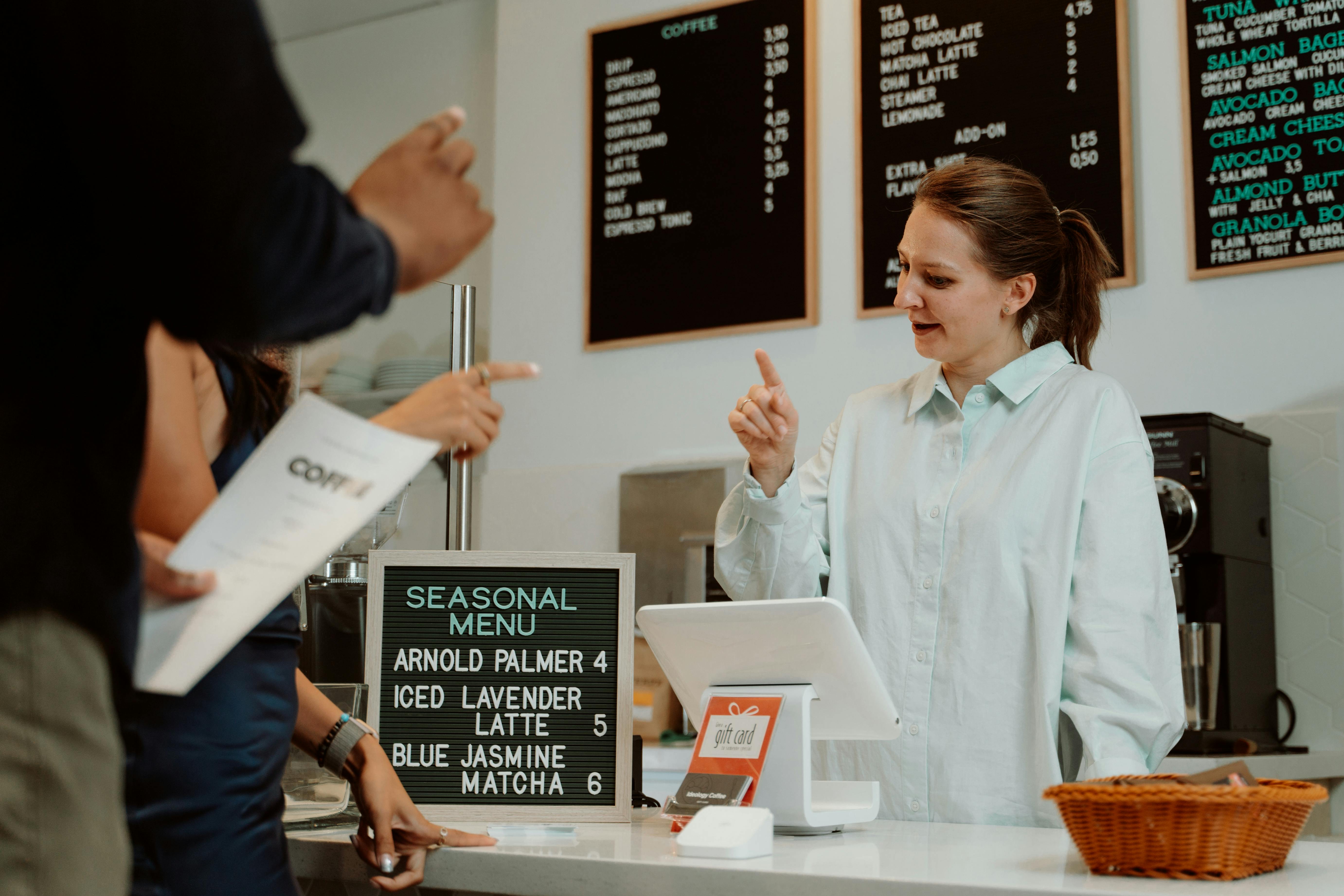
This is the quieter problem, and in many markets it is the more damaging one. When gas prices climb, households immediately feel poorer, especially lower- and middle-income families who drive daily and have limited flexibility in commuting. Filling the tank costs more, leaving less for takeout, casual dinners, desserts, and drinks.
Economists have long described gasoline as a highly visible expense because consumers see the price on giant roadside signs. That visibility changes behavior fast. People consolidate trips, skip impulse purchases, trade down from full-service restaurants to fast food, or simply eat at home more often.
Restaurants notice this in traffic patterns and ticket size. Guests may still come in, but they split entrées, skip appetizers, avoid alcohol, and pass on dessert. The dining room looks busy enough, yet the average check quietly softens.
Why independents get squeezed harder than chains

Large chains are not immune, but they are built with shock absorbers independents rarely have. They operate larger distribution networks, hedge costs more effectively, and spread overhead across many locations. They can also use national advertising to promote value meals when consumers become price conscious.
A single-location restaurant has fewer levers. It cannot easily shift volume between suppliers, and one weak month can disrupt payroll, vendor terms, or planned repairs. If management raises prices too aggressively, loyal guests may disappear. If it does not, margins erode.
This is why the same gas spike can produce different outcomes on the same street. A chain may protect traffic with discounts and efficient logistics. The independent next door may absorb both supplier inflation and weaker consumer demand at once.
Urban and rural restaurants do not feel this equally

Geography matters more than many people assume. In car-dependent suburbs and rural communities, high gas prices directly shape restaurant demand because nearly every visit requires a drive. A family thinking about burgers may reconsider if the outing includes a costly fill-up that week.
Rural operators also face longer supply routes and fewer distributor options, which can magnify freight costs. Urban restaurants, especially those in dense neighborhoods with transit access or strong foot traffic, may be somewhat buffered on the customer side. But even city operators are not insulated from fuel-driven supplier surcharges.
Tourist markets add another layer. If road-trip travel softens, restaurants near highways, beaches, and seasonal destinations can lose traffic from visitors while still paying more for deliveries. That double exposure makes forecasting especially difficult.
What restaurants can do when fuel becomes a hidden tax
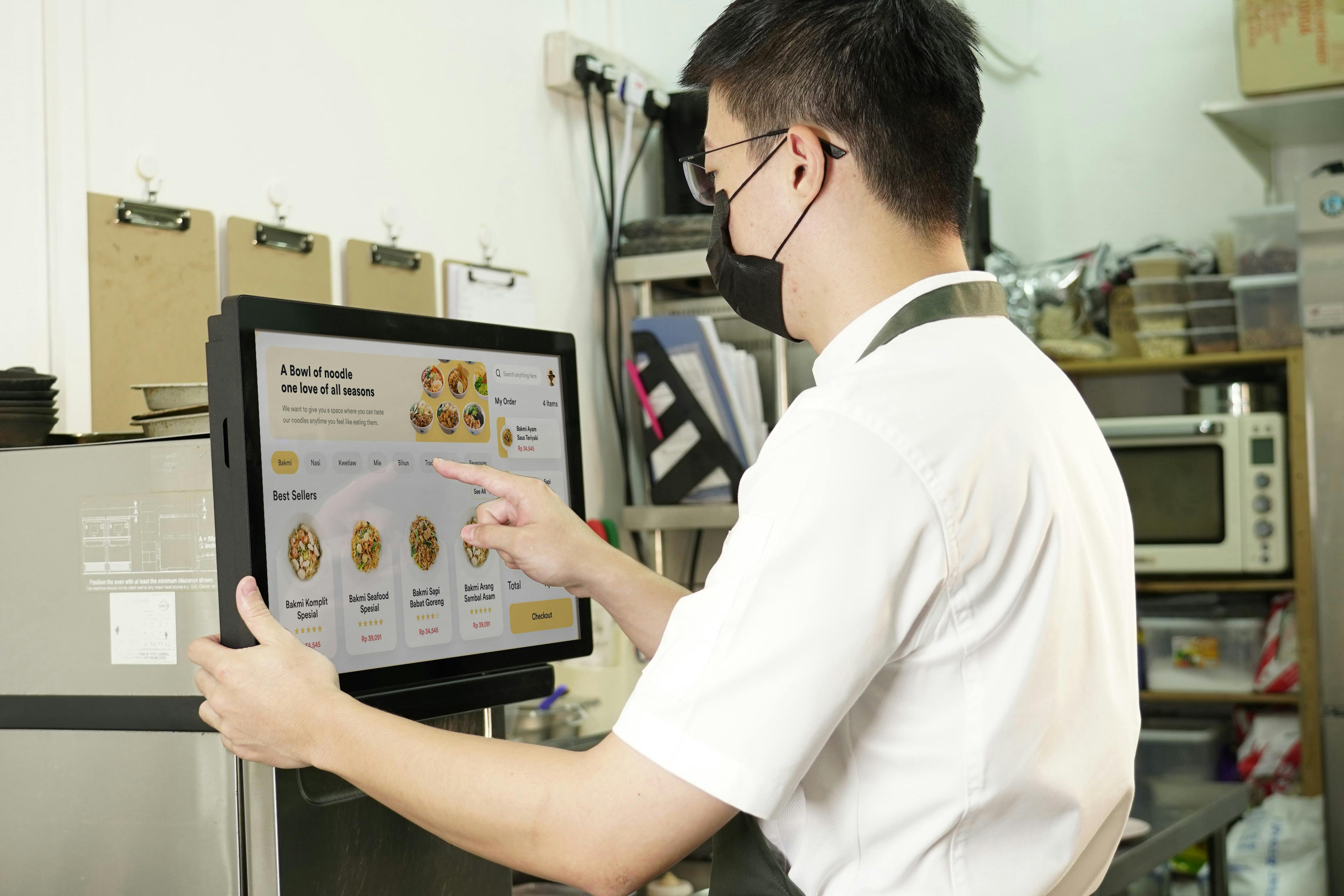
There is no perfect fix, but there are practical responses. Smart operators tighten menus to emphasize items with steadier food costs, reduce low-margin delivery dependence, and engineer pricing with precision instead of broad increases. Smaller, targeted changes tend to create less customer backlash than repeated across-the-board hikes.
Some restaurants are also revisiting delivery zones, batching supplier orders, and renegotiating service schedules to reduce transport-related charges. Others are leaning into loyalty programs, family bundles, and weekday specials to capture budget-conscious guests without signaling distress.
The broader lesson is simple. Gas prices act like a hidden tax on restaurants twice: once through the supply chain, and again through weakened consumer spending. The second hit gets less attention, but for many operators, it is the one that does the real damage.



Leave a Reply