
Dunkin' is heading north again. This time, the comeback appears far more deliberate than the brand's earlier run in Canada.
The first new Dunkin' location
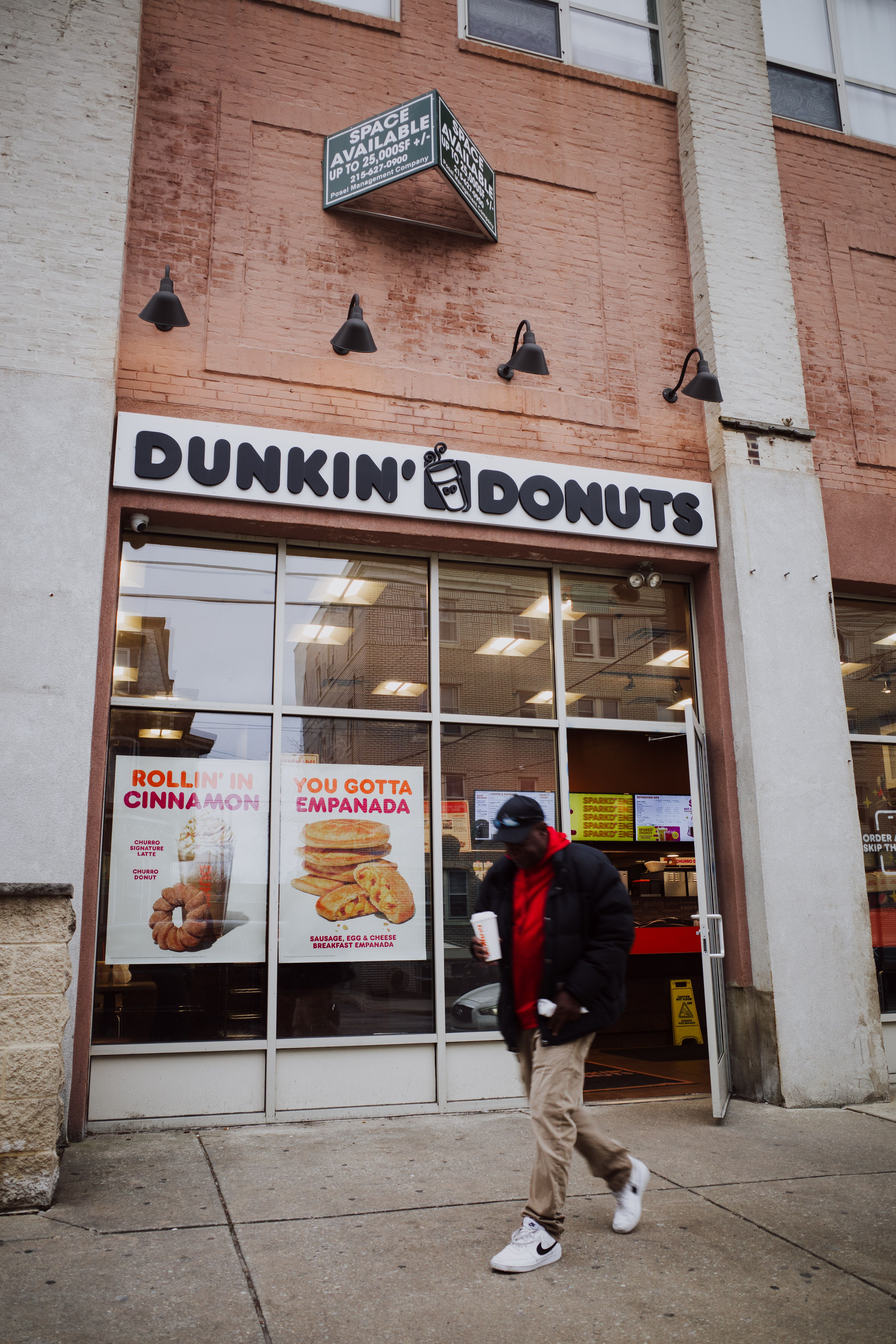
The clearest sign of Dunkin's Canadian revival is the planned opening in Langley, B.C., a fast-growing community in Metro Vancouver's orbit. The site matters because Langley combines suburban family traffic, commuter demand, and a strong appetite for convenient coffee and breakfast options. For a returning chain, that mix offers a practical testing ground.
British Columbia is also an interesting starting point because it gives Dunkin' access to a dense, brand-aware market without jumping directly into the fiercest parts of Central Canada. Retail analysts often view suburban commercial corridors as ideal for reintroducing legacy brands. They provide repeat local traffic and clearer data on menu preferences, peak ordering times, and average spend.
The choice of Langley suggests Dunkin' is not simply planting a flag for attention. It is choosing a location where drive-by visibility, neighborhood familiarity, and commuter patterns can all support a measured launch. If the store performs well, it could offer a blueprint for where Dunkin' expands next.
Why Dunkin's return to Canada is getting so much attention
For many Canadians, Dunkin' is not a new name. The company operated in Canada for years, particularly in Quebec, before steadily fading from the market as competition intensified and store counts declined. That history gives the brand an unusual advantage. It is re-entering with some leftover recognition, even among people who have not seen a Dunkin' storefront in a long time.
The attention also reflects how competitive Canada's coffee business has become. Tim Hortons still dominates everyday coffee culture, while McDonald's, Starbucks, and independent cafés all compete aggressively on convenience, quality, and value. A returning U.S. chain is automatically a story because it has to prove it can stand out in a crowded field.
There is also genuine curiosity about what today's Dunkin' represents. In the U.S., the company has spent years sharpening its identity around coffee, iced beverages, breakfast sandwiches, and speed. Canadians are watching to see whether that formula translates well, or whether local tastes will force meaningful adjustments.
What Dunkin' will need to do differently this time
A second attempt in Canada cannot rely on nostalgia alone. The company's earlier retreat showed how hard it is to protect market share when a rival owns the daily coffee habit and has far deeper local roots. To succeed now, Dunkin' needs sharper site selection, better digital convenience, and a menu that feels relevant to Canadian routines.
That likely means emphasizing breakfast value, fast service, and drink customization rather than trying to outdo every competitor on every front. Dunkin' has been strongest when it presents itself as easy, consistent, and accessible. In Canada, that positioning could resonate with commuters looking for a reliable stop instead of a premium café experience.
Menu strategy will matter just as much as branding. Canadians expect strong hot coffee, dependable iced drinks, and portable breakfast items that justify the price. If Dunkin' can pair familiar favorites with regionally smart offerings, it has a far better chance of turning first-visit curiosity into repeat business.
British Columbia offers both opportunity and risk
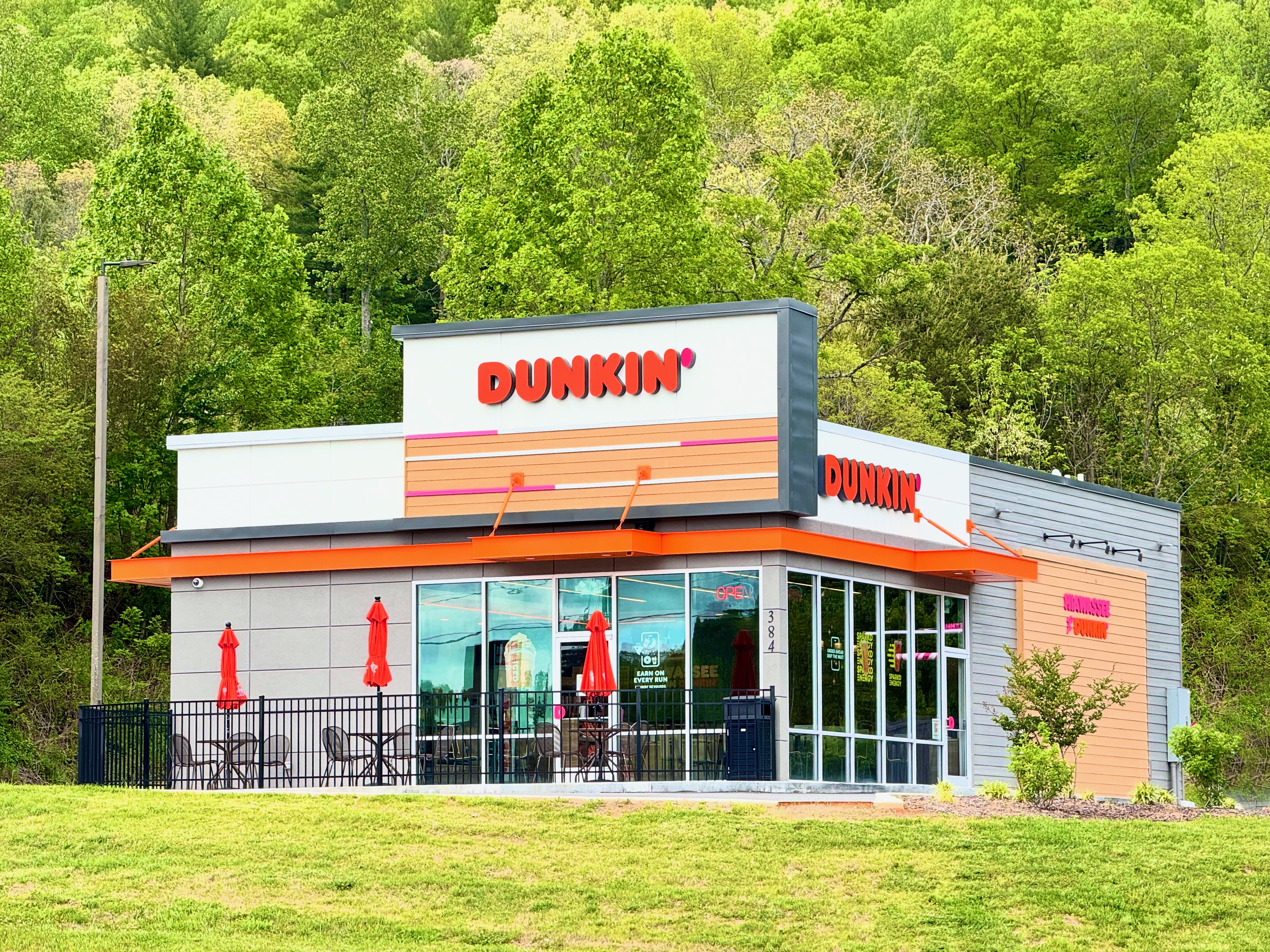
Starting in B.C. gives Dunkin' access to one of the country's most dynamic consumer markets. Metro Vancouver and its surrounding communities are diverse, fast-growing, and highly accustomed to trying new food brands. That openness can help a returning chain generate early buzz, especially if the launch is tied to strong local marketing and a polished opening experience.
At the same time, British Columbia is not an easy market. Consumers there are used to strong independent coffee shops, established national chains, and quality-focused food culture. Price sensitivity also remains a factor, particularly when households are watching discretionary spending more carefully than they did a few years ago.
That tension makes Langley a meaningful test case. If Dunkin' can perform in a market where customers have plenty of alternatives, the brand will have stronger evidence that its Canadian strategy can travel. Success in B.C. would not guarantee a national comeback, but it would give the company credible momentum.
What this could mean for a broader Canadian expansion
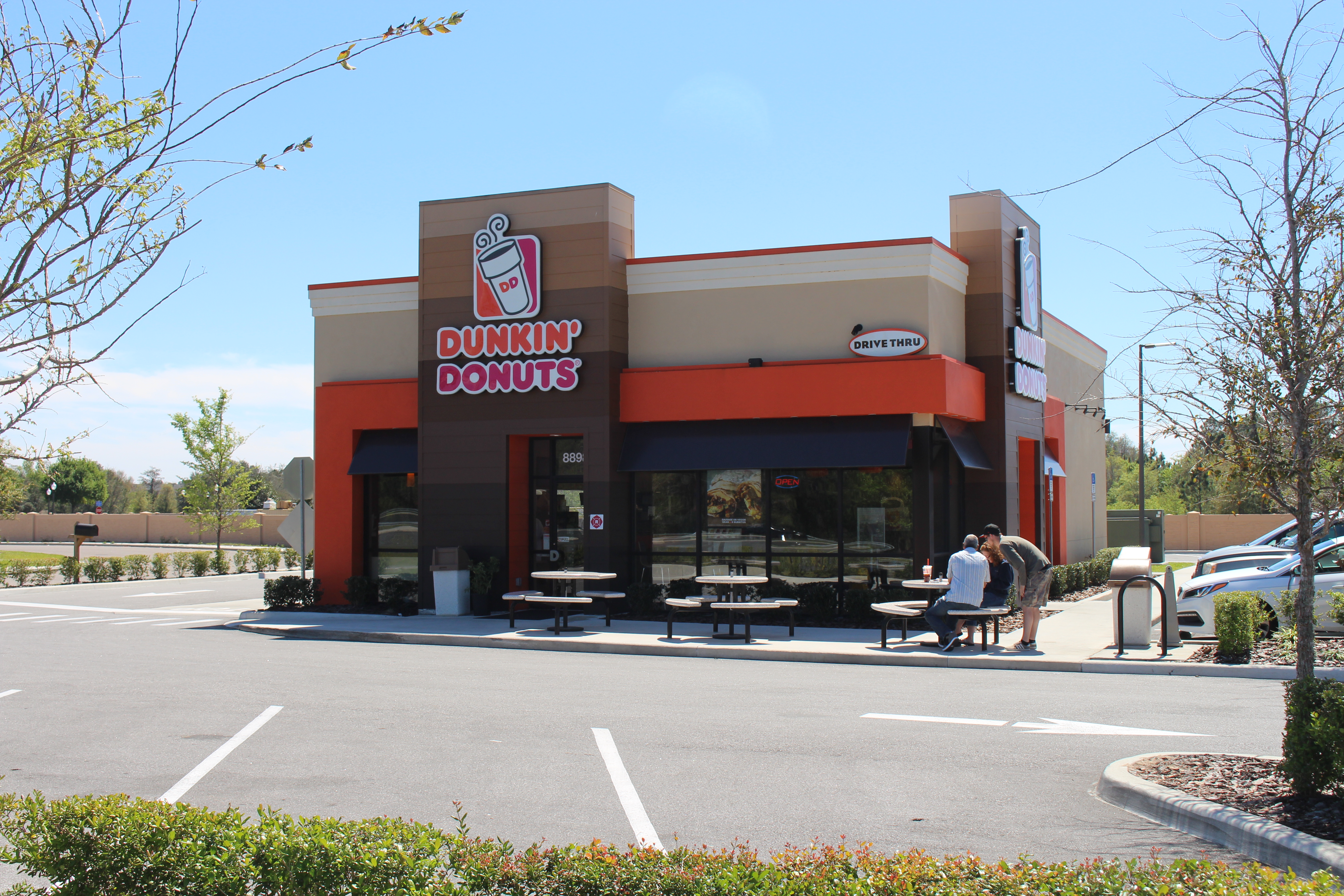
One store does not make a national return, but it can set the tone for one. Restaurant chains often use an initial location to refine operations, understand labor realities, and gauge whether demand comes from novelty or true product-market fit. In that sense, Langley is likely to function as both storefront and research lab.
If performance is strong, the most logical next step would be carefully clustered growth rather than a scattered rollout. Expanding around the Lower Mainland or into nearby high-traffic suburban markets would allow Dunkin' to build supply efficiency and brand familiarity at the same time. That approach tends to be less risky than jumping province to province too quickly.
Longer term, observers will naturally wonder about Ontario and Quebec. Those provinces offer scale and, in Quebec's case, historical familiarity with the brand. But the company would be wise to prove it can win in one region first before treating Canada as a single, uniform opportunity.
The bigger question is whether Canadians are ready for Dunkin' again
The answer may depend less on brand recognition than on daily usefulness. Canadians already have no shortage of places to buy coffee, donuts, and breakfast sandwiches. Dunkin' will need to give people a practical reason to add it to their routine, whether that is speed, value, flavor variety, or a better mobile-ordering experience.
There is still room in the market for a chain that understands morning traffic and keeps its offer simple. Dunkin's U.S. playbook shows that it can thrive when it focuses on convenience and consistency. If the Canadian relaunch keeps that discipline, it may avoid the overreach that hurt the brand in the past.
For now, the key fact is straightforward: Dunkin' is returning, and Langley will be the first place to watch. What happens there will say far more than the announcement itself. It will show whether this comeback is a brief headline or the start of a real second chapter in Canada.




Leave a Reply