
For years, milk looked like an unlikely flashpoint. Then it became one of the most emotionally charged symbols in the US-Canada trade war.
Dairy was never just about milk

At first glance, dairy seems too small and technical to dominate a continental trade fight. In reality, it sits at the intersection of farm income, food policy, national identity, and electoral politics in both countries.
Canada protects its dairy sector through a system known as supply management. That framework controls production, sets prices, and limits imports with high tariffs. Supporters say it gives farmers stable income and shields domestic production from volatile global markets.
American officials and dairy groups have long argued that this system unfairly blocks US exports. Their frustration intensified when Canadian pricing policies, including the Class 7 category introduced in 2017, made it harder for US producers to sell ultra-filtered milk and related ingredients north of the border.
The dispute grew because both sides felt threatened
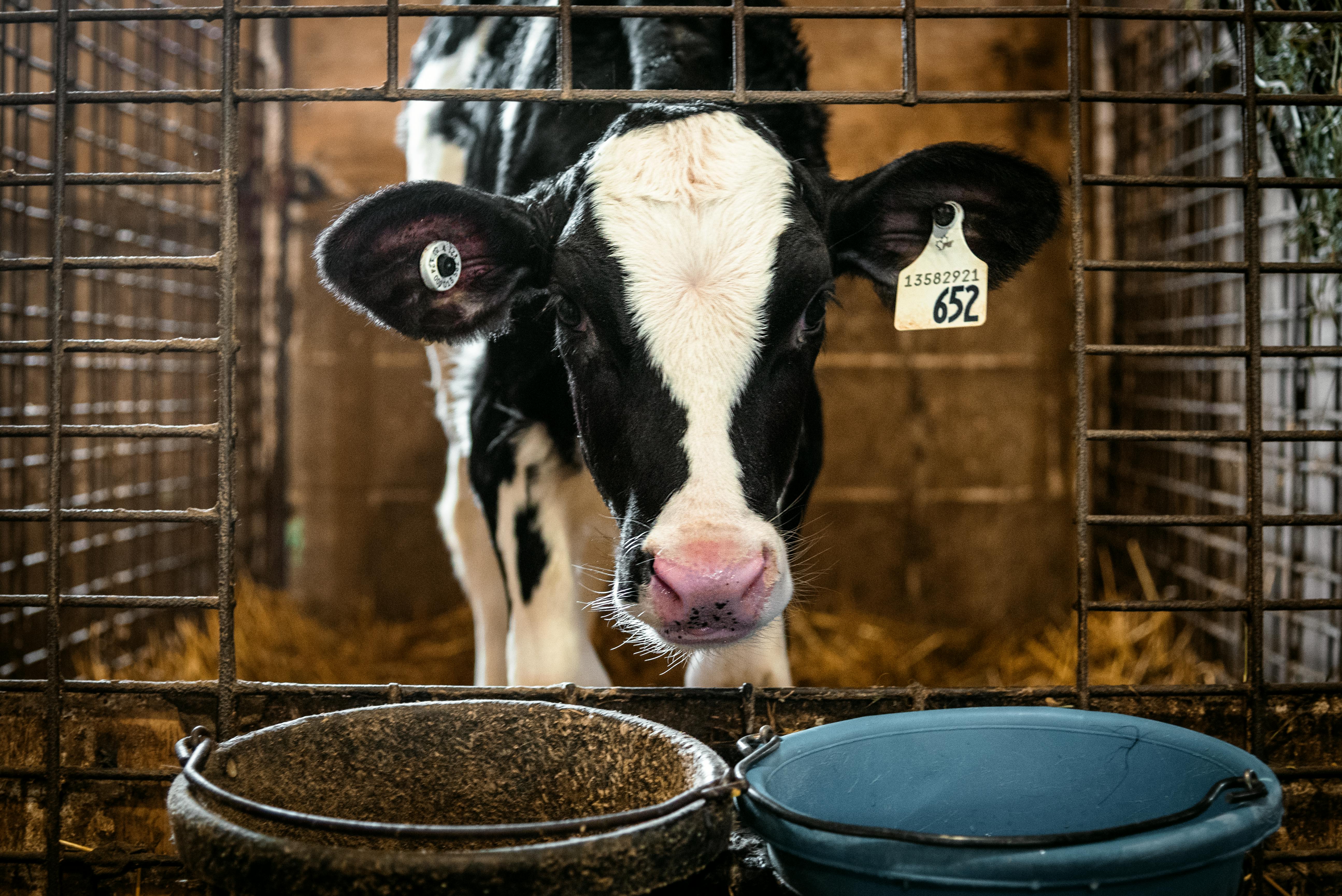
What made dairy combustible was not only policy design, but timing. US dairy farmers were already under pressure from oversupply, weak prices, and shrinking margins, especially in states such as Wisconsin and New York.
When export opportunities tightened, producers felt the pain immediately. Reuters and industry groups reported that some US farmers lost contracts with Canadian processors, reinforcing the idea that trade rules were directly hurting family farms already in distress.
Canada, however, saw the issue very differently. Its government argued that supply management was a legitimate domestic choice and that opening the market too widely could destabilize thousands of smaller farms, especially in Quebec and Ontario, where dairy has deep political weight.
US politics turned dairy into a rallying cry

In Washington, dairy became useful because it translated complicated trade grievances into a simple story. Politicians could point to milk, cheese, and farms more easily than to obscure industrial rules or technical market access provisions.
President Donald Trump repeatedly used Canada's dairy protections as evidence that US trading partners were taking advantage of American producers. He raised the issue publicly in speeches and negotiations, helping transform a sector-specific complaint into a headline national dispute.
That mattered because rural states were politically significant. Dairy farmers represented not just an industry, but a visible constituency under economic stress. Once the issue entered campaign-style rhetoric, compromise became harder because backing down risked looking weak at home.
Canada defended dairy because the costs of retreat were high
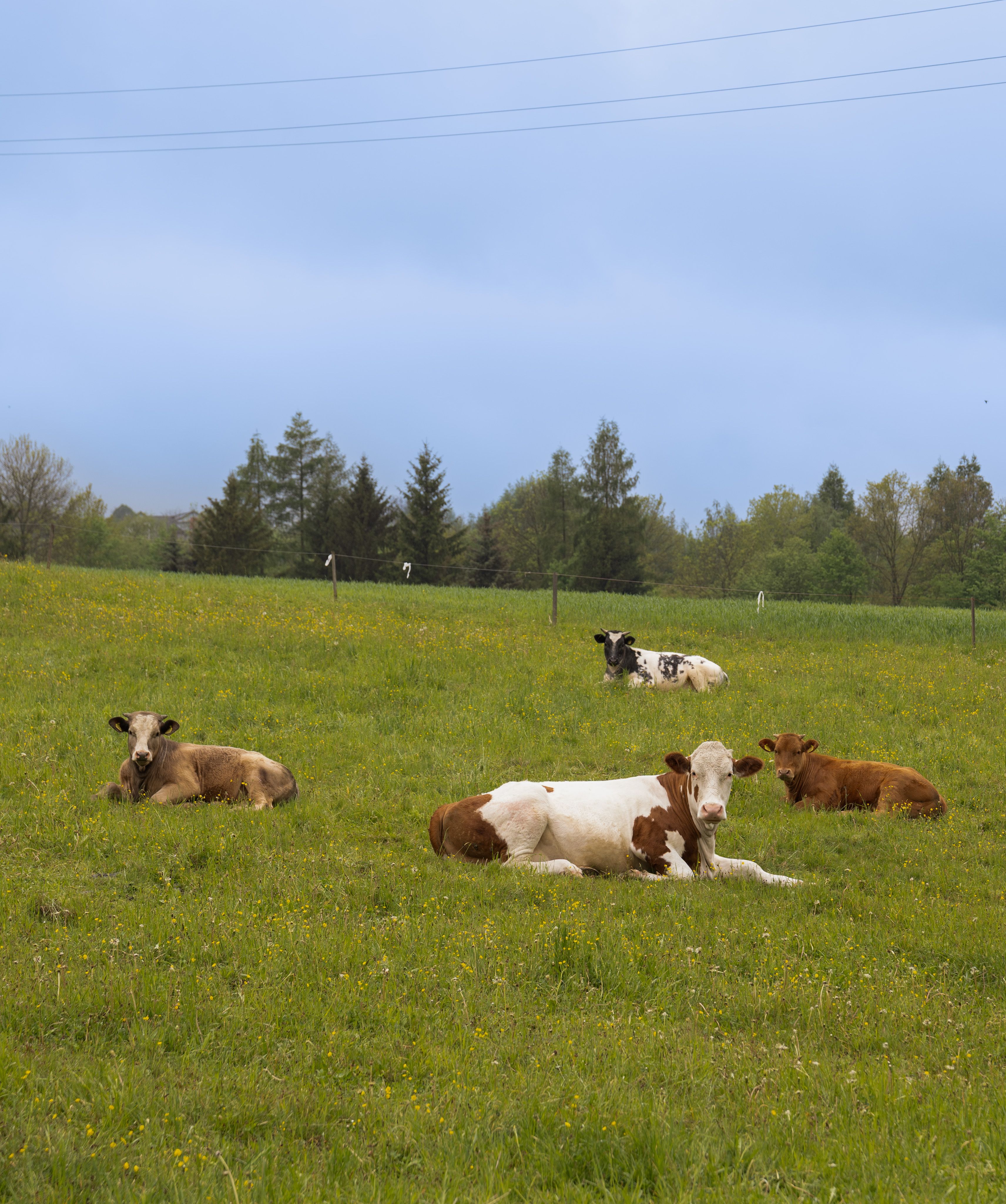
In Canada, conceding on dairy has always carried outsized political risk. Supply management benefits a relatively small number of farmers, but those farmers are organized, vocal, and concentrated in provinces that matter greatly in federal politics.
Quebec in particular has long treated dairy protection as more than an economic file. It is also seen as a defense of rural communities, domestic food production, and a policy model that resists the boom-and-bust cycles common in less regulated agricultural markets.
Canadian leaders therefore tried to strike a careful balance. They signaled flexibility in broader trade talks while insisting that any dairy access granted to the United States would be limited, managed, and paired with compensation for domestic producers affected by concessions.
The real fight was over trade rules and leverage

Dairy drew attention because it was symbolic, but it also served as negotiating leverage. During the talks that replaced NAFTA with the USMCA, both sides used dairy as a test of whether the other would make politically painful concessions.
The final agreement did open a larger share of Canada's dairy market to US producers. It also included limits affecting certain Canadian export practices tied to milk protein concentrates, skim milk powder, and infant formula, issues Washington had pressed hard.
Still, the outcome was narrower than US critics had once demanded. Canada preserved the core of supply management, while the United States gained incremental access rather than a fundamental restructuring. That partial result shows how sensitive farm sectors often resist sweeping liberalization.
Why dairy remains a lasting trade flashpoint

The deeper lesson is that trade wars rarely revolve only around economic size. They often center on sectors that carry emotional value, political influence, and symbolic power far beyond their share of total trade.
Dairy fit that pattern perfectly. For Americans, it represented blocked opportunity and frustration with uneven market access. For Canadians, it represented sovereignty over food policy and protection for farmers against the harshest swings of global competition.
That is why dairy became ground zero. It compressed bigger anxieties about fairness, nationalism, and rural survival into one highly visible dispute. Even after the loudest phase of the trade war faded, milk remained a reminder that small sectors can drive very large conflicts.




Leave a Reply