
The numbers are staggering, but the human story behind them is even more alarming. A new global nutrition report makes clear that for billions of people, eating well remains financially out of reach.
A crisis measured in more than hunger

This report's most striking message is simple: affordability has become one of the biggest barriers to good nutrition. According to recent global assessments from U.N. agencies, about 2.6 billion people could not afford a healthy diet, meaning meals with enough variety and nutrient quality to support normal growth, development, and disease prevention.
That matters because a healthy diet is not the same as a diet that merely fills the stomach. Many households can still access cheap staples such as rice, maize, or wheat, yet struggle to buy fruits, vegetables, legumes, dairy, eggs, fish, and other nutrient-dense foods. In practice, this creates a hidden nutritional emergency even where food is physically available.
The report reflects a broader shift in how experts understand food insecurity. It is no longer judged only by whether people consume enough calories. It is also judged by whether they can regularly afford foods that protect them from stunting, anemia, obesity, diabetes, heart disease, and other long-term health threats.
Why healthy food remains too expensive
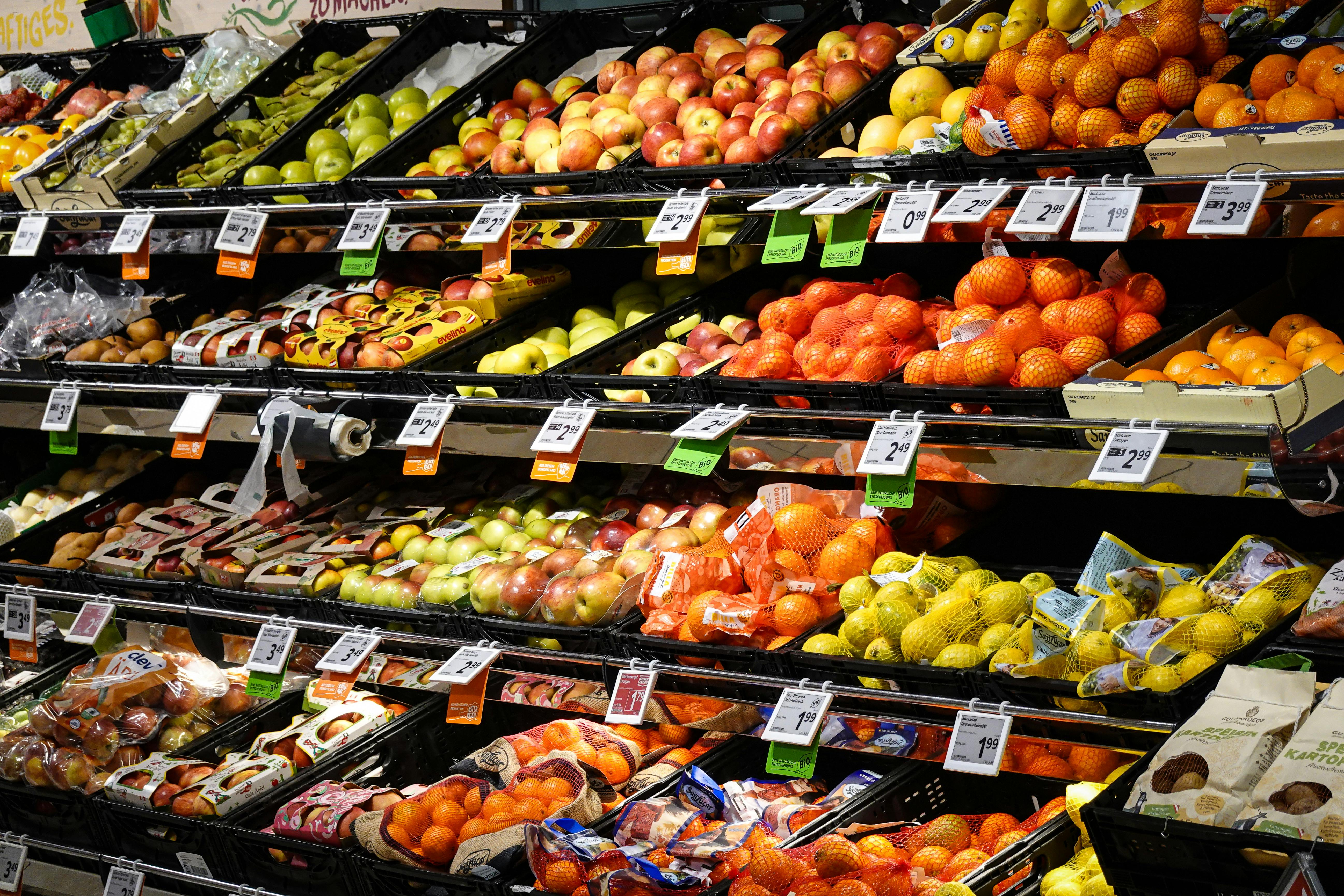
The first reason is basic economics: nutritious foods usually cost more per calorie than heavily processed or starchy alternatives. Fresh produce, animal-source foods, and diverse ingredients often require stronger supply chains, refrigeration, storage, transport, and labor, all of which raise prices before the food ever reaches a market stall or supermarket shelf.
Inflation has made the problem worse in both low-income and middle-income countries. Food, fuel, fertilizer, and transport costs have all surged in recent years, and those shocks are passed directly to consumers. For poorer families, even a modest rise in the price of eggs, milk, or vegetables can force a switch to cheaper, less balanced diets almost overnight.
Trade disruptions, climate extremes, and armed conflict add another layer of pressure. Droughts reduce harvests, floods damage roads and storage, and war interrupts imports and local production. In many places, the result is the same: nutritious food becomes the first item priced out of household budgets.
Who bears the heaviest burden

The hardest hit are low-income households that already spend a large share of their earnings on food. When income is fragile, families often prioritize quantity over quality, choosing the least expensive items that can stretch across several meals. That coping strategy may ease immediate hunger, but it frequently worsens micronutrient deficiencies and poor health.
Children and pregnant women face especially serious risks. A child's early years are a critical window for brain development, immune strength, and physical growth, and poor diets during this period can cause lifelong harm. For pregnant women, inadequate access to iron, protein, folate, and other nutrients raises the danger of complications for both mother and baby.
Urban populations are increasingly vulnerable too. Many city residents must buy all of their food rather than grow any portion of it, leaving them fully exposed to price volatility. Informal workers, migrants, and displaced families are often one wage shock away from nutritional decline.
The double burden of malnutrition

One of the most misunderstood parts of the nutrition crisis is that undernutrition and obesity can exist side by side. A family may consume enough or even too many calories, yet still lack essential nutrients because the cheapest available foods are refined, salty, sugary, or highly processed.
This is why experts speak of the "double burden" of malnutrition. In many countries, stunting, wasting, anemia, and vitamin deficiencies persist even as overweight and diet-related diseases rise. Poor diet quality sits at the center of both problems, linking poverty to infectious illness on one side and chronic disease on the other.
Health systems then absorb the long-term cost. Malnutrition weakens educational outcomes, reduces worker productivity, strains hospitals, and increases public spending on preventable disease. What looks like a food affordability problem today can become a deep economic and public health burden for decades.
What governments and food systems must change

The most effective solutions go beyond emergency food aid. Experts increasingly argue for policies that lower the price of nutritious foods while improving incomes, especially for small farmers, low-wage workers, and vulnerable households. That can include targeted cash transfers, school meals, maternal nutrition programs, and public support for local production of diverse foods.
Investment in food systems is also essential. Better roads, cold storage, irrigation, seed quality, and market access can reduce losses and improve the availability of perishable nutritious foods. In many regions, governments also need to align agriculture policy with nutrition goals rather than focusing mainly on staple grain output.
Clear food labeling, restrictions on harmful marketing to children, and incentives for healthier retail options can help shape consumer choices. But those measures only work when healthy food is actually affordable. The report's central lesson is that nutrition policy and economic policy must now move together.
Why this report should concern everyone

This is not a problem confined to the poorest countries. Even in wealthier nations, millions of people struggle to pay for balanced diets as housing, utilities, and healthcare consume household income. Food insecurity can look different across regions, but the underlying pattern is familiar: nutritious choices are often the hardest ones to afford consistently.
The report is also a warning about the future. Climate change, geopolitical instability, debt distress, and uneven economic recovery threaten to keep healthy diets out of reach for millions more unless governments act quickly. Without change, progress against hunger and malnutrition could stall or reverse.
At its core, the finding that 2.6 billion people cannot afford a healthy diet is about more than food prices. It is about inequality, resilience, and whether societies are willing to treat nutrition as a foundation of human development rather than a luxury item in the global marketplace.




Leave a Reply