
Hunger is moving in the right direction, but not fast enough. The world has made progress for three straight years, yet millions of people are still living with hunger at levels worse than in 2019.
A global setback is slowly being reversed

The latest U.N. assessments show a modest but meaningful decline in global hunger for the third consecutive year. After the severe disruptions of the pandemic period, the share of people facing undernourishment has edged down, reflecting improvements in food supply chains, labor markets, and social support systems in many countries.
Still, the rebound is incomplete. According to recent estimates from agencies including the FAO, IFAD, UNICEF, WFP, and WHO, roughly 1 in 11 people worldwide still faced hunger in 2023. That is better than the peak years that followed COVID-19, but it remains above the pre-pandemic baseline.
The bigger lesson is that recovery has been uneven. Some regions have regained stability, while others remain trapped by fragile economies, debt pressure, and recurring crises that keep food out of reach for the poorest households.
Conflict remains the single most powerful driver
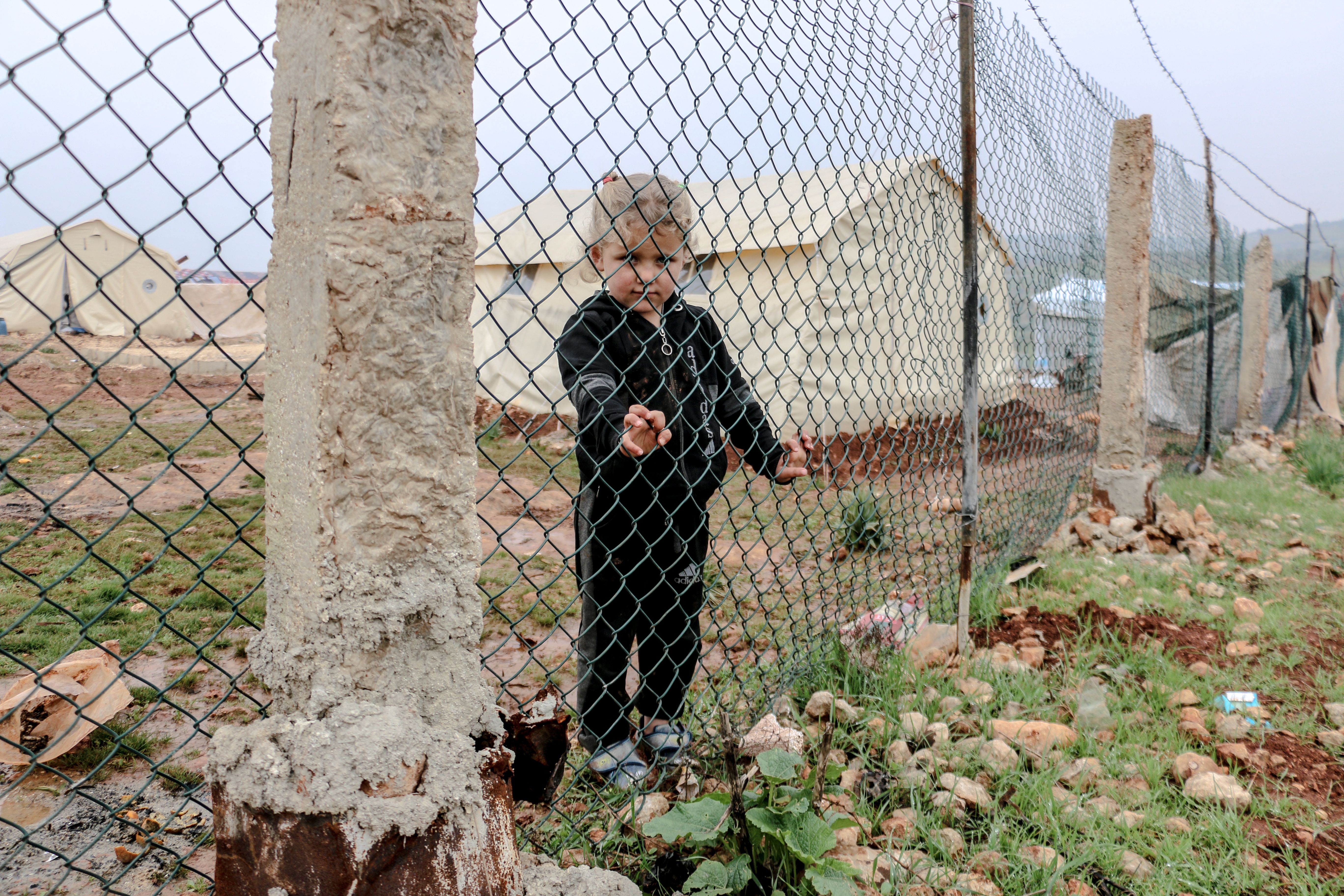
War continues to be one of the clearest reasons hunger remains stubbornly high. In places affected by conflict, farmers are displaced, transport routes break down, markets shut, and humanitarian deliveries become harder and more dangerous. Even when food exists nationally, it often does not reach the people who need it most.
Sudan offers a stark example. Fighting has devastated farming areas, uprooted families, and sharply worsened food insecurity. Gaza, parts of the Sahel, and regions affected by prolonged instability in countries such as Yemen and the Democratic Republic of Congo also show how quickly conflict can erase years of development gains.
These crises do more than cut off calories. They also reduce diet quality, increase child malnutrition, and place pregnant women and infants at especially high risk, creating long-term health damage that can outlast the conflict itself.
Climate shocks are making food systems more fragile

Extreme weather is now a routine part of the hunger story. Droughts, floods, erratic rainfall, and heat waves are damaging harvests and livestock across vulnerable regions, especially where farming depends heavily on rain rather than irrigation or insurance-backed systems.
Southern Africa, the Horn of Africa, and parts of South Asia have all experienced weather shocks that pushed already vulnerable communities closer to crisis. In some areas, one failed rainy season can wipe out income, reduce local food availability, and force families to skip meals or sell assets just to survive.
Climate stress also interacts with conflict and poverty. When water becomes scarce or crops fail repeatedly, migration rises, competition over land intensifies, and governments with weak finances struggle even more to stabilize food prices or support rural livelihoods.
Food may be available, but millions still cannot afford it
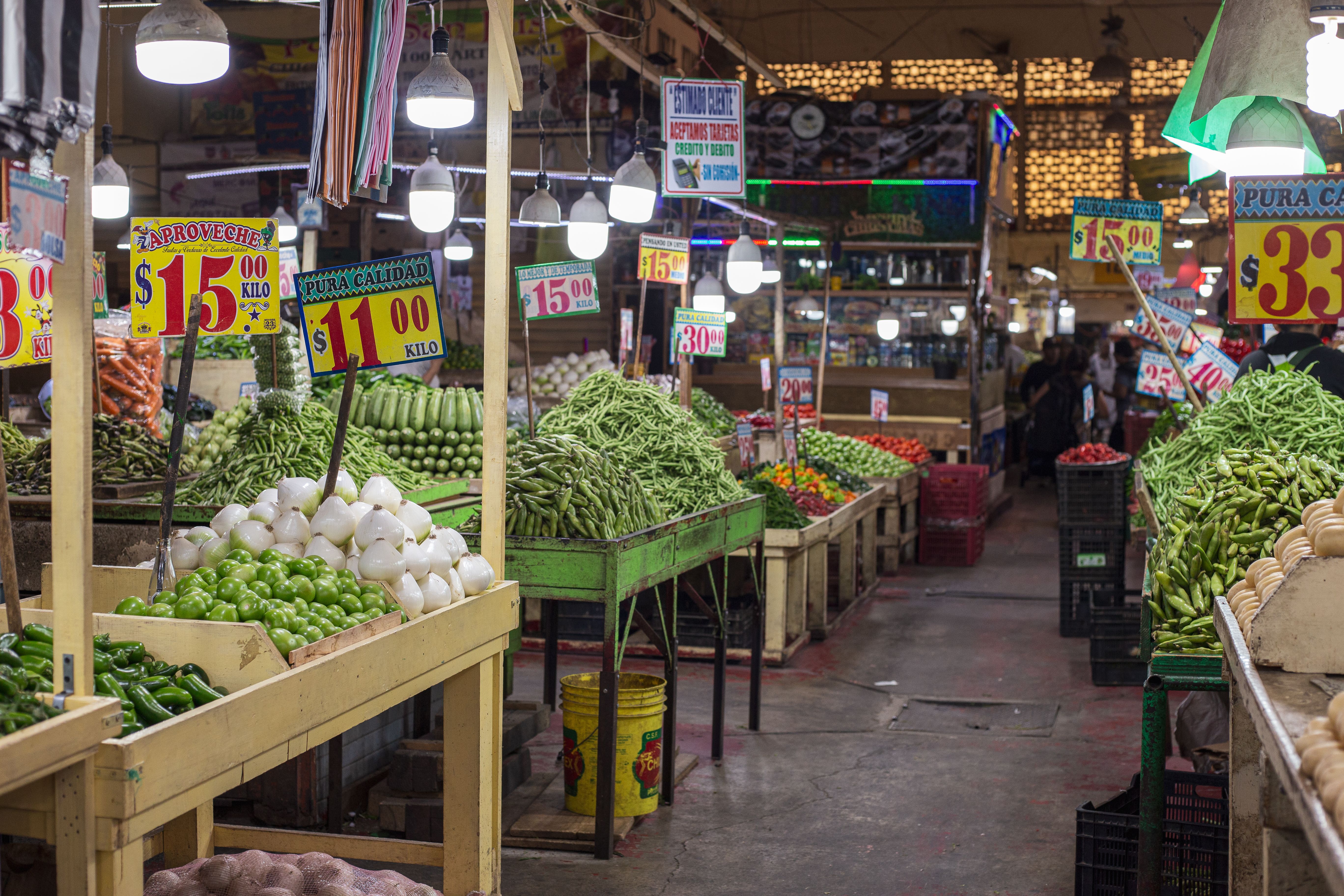
One of the most important facts about modern hunger is that it is often caused less by a total lack of food than by a lack of access. Food prices remain elevated in many countries, and lower-income households spend a much larger share of earnings on staples, leaving little room for price shocks.
Inflation has cooled in some major economies, but that has not fully translated into affordable diets everywhere. Currency weakness, import dependence, high transport costs, and public debt burdens continue to push up local food prices, especially in low-income and conflict-affected states.
This is why hunger can persist even during periods of adequate global production. People may see food in markets, yet still be unable to buy enough nutritious items such as eggs, dairy, fruits, vegetables, and pulses on a regular basis.
Children and women continue to bear the heaviest burden
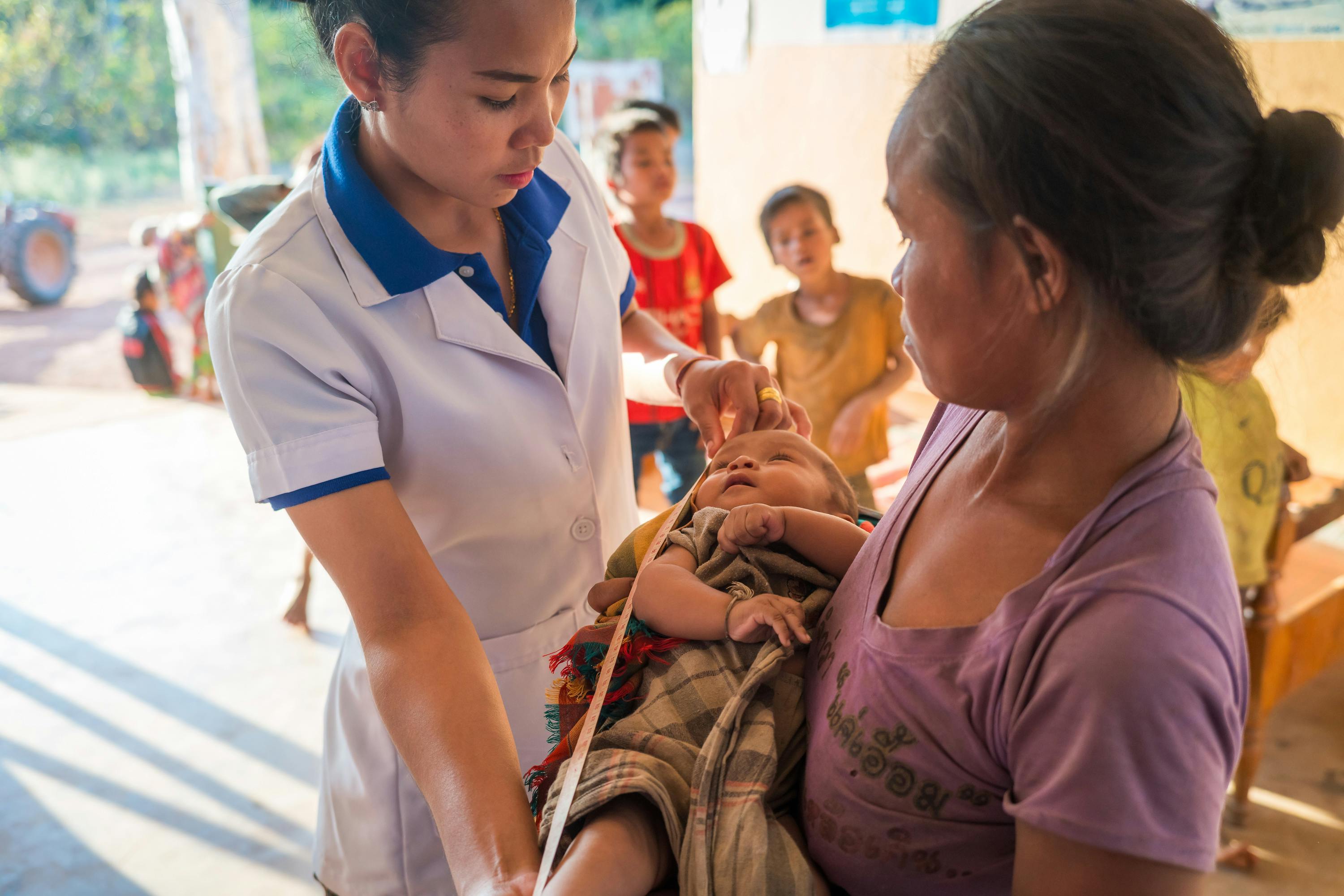
The damage from hunger is not spread evenly. Children are especially vulnerable because inadequate nutrition in early life can stunt growth, weaken immunity, and harm cognitive development. For many families, the first coping strategy in a food crisis is not complete starvation, but a steady decline in meal quality and diversity.
Women are often hit harder as well. In many settings, they eat last, have less access to income and land, and shoulder most caregiving responsibilities when food becomes scarce. That makes maternal nutrition a central issue, not a side concern, in any serious anti-hunger strategy.
Health experts have repeatedly warned that undernutrition, wasting, and micronutrient deficiencies can leave lasting scars. Even when headline hunger numbers improve, these hidden forms of deprivation can remain widespread and deeply damaging.
Progress will depend on policy, peace, and local resilience

The recent decline in hunger shows that setbacks are not permanent. When governments support incomes, protect vulnerable households, invest in farming, and keep trade flowing, food security can improve. School meal programs, cash transfers, climate-resilient seeds, and basic rural infrastructure all help reduce risk at household level.
But no single fix will solve the problem. Lasting progress will require conflict resolution, stronger humanitarian access, debt relief for heavily burdened countries, and smarter investment in local food systems that can withstand weather and economic shocks.
The world is no longer at the worst point of the post-pandemic food crisis. Yet the fact that hunger remains above pre-2020 levels is a warning that recovery is still fragile, and that global gains mean little unless they reach the people still missing meals today.




Leave a Reply