
Canadians today complain when a grocery staple is briefly out of stock. During wartime, the state did far more than manage supply. It reached directly into kitchens, markets, and dinner plates.
Butter Was Strictly Rationed

Few rules hit households harder than butter rationing. Beginning in 1941, Canada limited how much butter consumers could buy, and the allowance was tightly controlled through ration books and coupons. For families used to baking, frying, and spreading butter daily, this was not a minor inconvenience. It changed meal planning from the breakfast table onward.
The restriction reflected a larger wartime logic. Dairy production had to support both civilians and the military, while shipping and labor shortages made smooth distribution difficult. Officials also knew butter was emotionally important, which is exactly why controlling it tested public discipline. In modern Canada, a hard cap on butter purchases would likely trigger panic buying within hours.
People adapted, but not happily. Housewives stretched supplies with margarine where legal, used drippings for cooking, and saved butter for special meals. Complaints were common because butter was not a luxury in the Canadian diet. It was basic, familiar, and deeply tied to home cooking.
Meat Purchases Were Capped by the Government
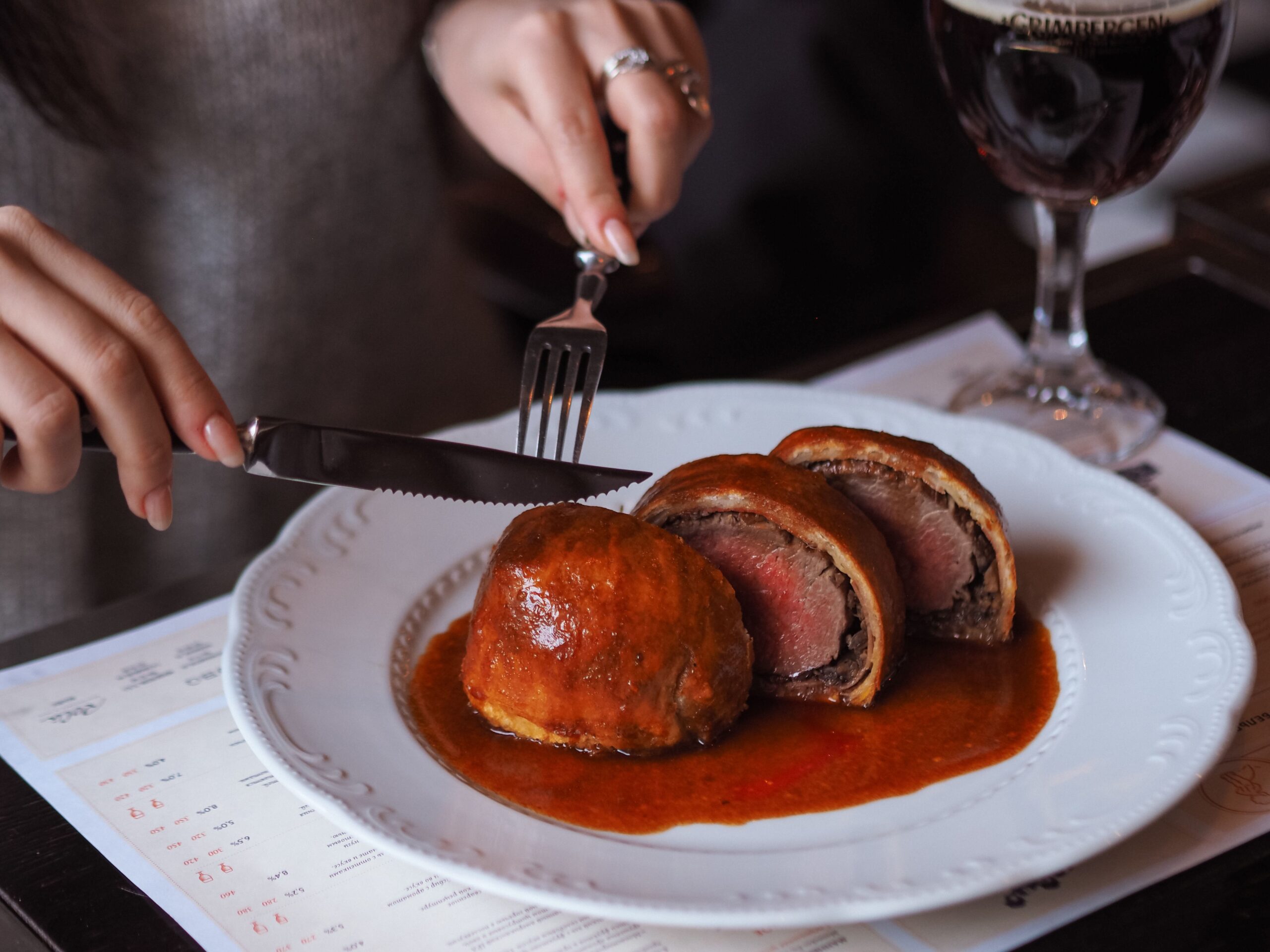
Meat rationing struck at status, nutrition, and routine all at once. In 1943, Canadians had to use coupons to buy cuts of beef, pork, and other meats, with specific values assigned to different products. The system aimed to preserve supplies for Allied forces and for export to Britain, which depended heavily on imported food.
This was not just about eating less steak. It meant butchers became gatekeepers, consumers had to calculate purchases carefully, and households often reworked traditional meals around organ meats or cheaper cuts. Today, a government chart assigning point values to chicken breasts, roasts, and bacon would be political dynamite. It would be seen as intrusive in a way few modern policies are.
The public response then mixed compliance with frustration. Nutrition experts encouraged beans, soups, and casseroles to offset reduced meat access. Community cookbooks and government guides promoted thrift as patriotism. Even so, limiting meat in a country that prided itself on agricultural abundance was a profound cultural shock.
Sugar Became a Controlled Commodity

Sugar rationing revealed how quickly comfort foods can become strategic goods. Canada imposed limits on sugar in 1942, and the measure affected everything from tea and coffee to jam-making and holiday baking. A product most people treated as ordinary suddenly required careful counting. The emotional impact was larger than officials may have predicted.
The pressure came from several directions. Sugar was needed for both civilian consumption and processed food production, while wartime shipping risks complicated imports from Caribbean sources. Preserving fruit, a key seasonal practice in many Canadian homes, also depended on sugar. Restricting it therefore hit both daily habits and long-term food storage.
Today, a sugar coupon system would cause outrage across social classes. Home bakers, cafés, food manufacturers, and ordinary shoppers would all push back at once. In wartime Canada, however, people were urged to see restraint as part of the national duty to support troops overseas and sustain allies under siege.
Restaurants Could Not Serve Meals Freely
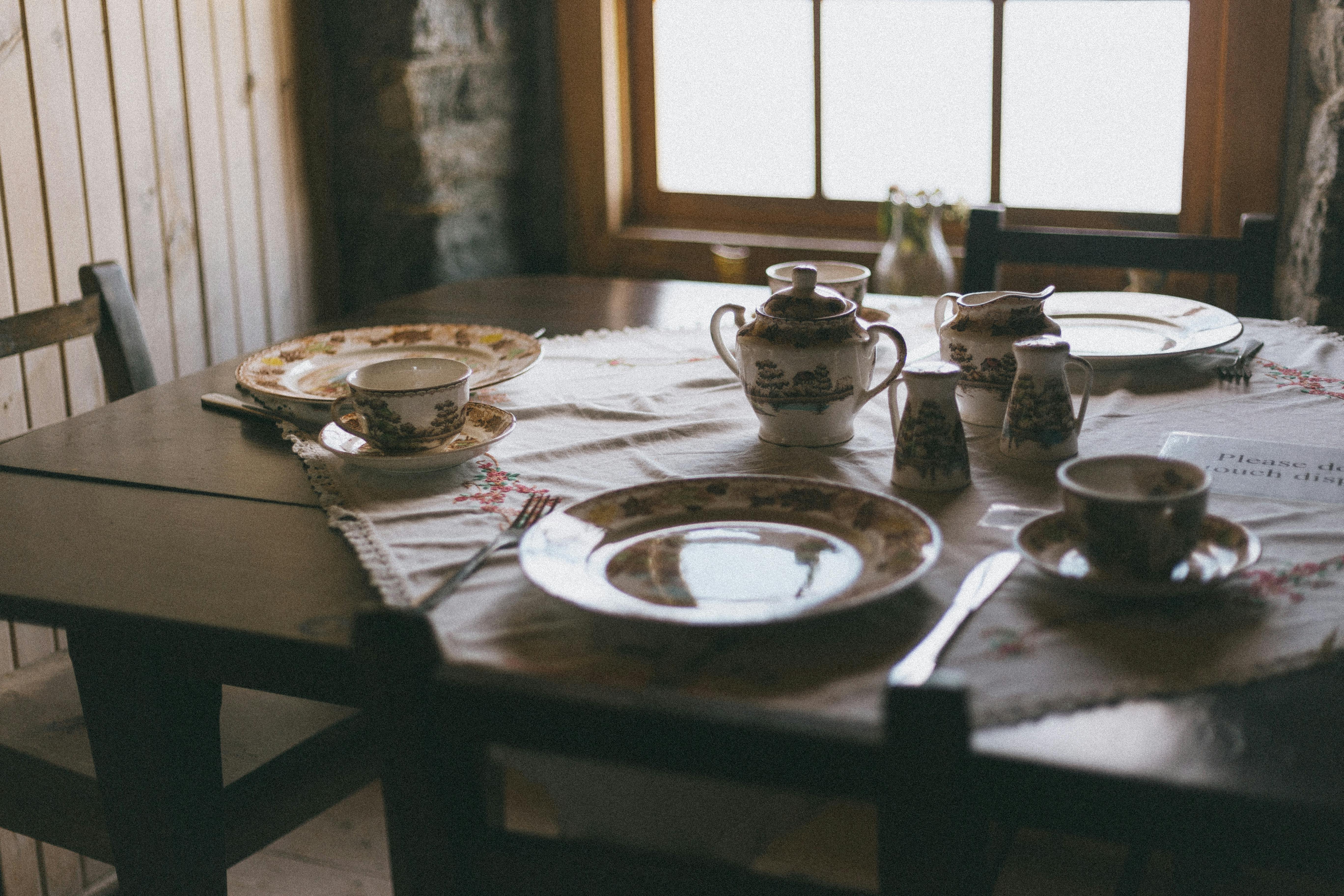
One of the least imaginable wartime rules today was direct control over restaurant meals. Ottawa did not simply ration ingredients at the wholesale level. It also regulated what public eateries could serve, how many courses diners could receive, and in some cases promoted meatless or simpler meal structures to reduce waste and conserve key foods.
This mattered because restaurants were not yet a daily habit for most families, but they were still important urban institutions. Limiting menu freedom meant the government was shaping public consumption in visible, social spaces. If authorities today told restaurants they could not serve certain staples or had to simplify menus by law, the backlash would be immediate and fierce.
These rules also carried a moral message. Dining out during war was expected to reflect restraint, not indulgence. Officials wanted fairness between those cooking at home under ration limits and those paying for prepared meals. That idea made sense in wartime, but it runs directly against today's consumer expectation of endless choice.
Coffee and Tea Faced Tight Controls

For many Canadians, limiting caffeine was more than a logistical issue. Tea and coffee were rituals, comforts, and markers of normal life, especially in cold weather and during stressful years. Wartime controls and shortages disrupted access through rationing, import pressure, and supply management. Even when products remained available, quantity and quality often suffered.
Tea was especially bound to imperial trade networks, while coffee depended heavily on shipping routes vulnerable to wartime disruption. That meant governments had to prioritize cargo space for essentials, military needs, and strategic materials. Modern consumers, accustomed to specialty roasts and all-day café culture, would likely react badly even to temporary limits on these drinks.
The social effect was significant. Hospitality changed when people could not casually offer extra cups to visitors, and cafés had to work within tighter purchasing realities. In a country where coffee now functions almost like public infrastructure, wartime-style restrictions would be treated not as sacrifice, but as a cultural emergency.
Victory Gardens and Waste Rules Became Social Pressure

Not every wartime food rule came as a coupon or formal limit. Some arrived as intense public pressure backed by government campaigns, schools, women's groups, and local authorities. Canadians were urged to grow Victory Gardens, preserve produce, save leftovers, and avoid waste at all costs. These expectations shaped behavior almost as strongly as legal rationing.
The message was clear. Every backyard could become productive land, and every household had a duty to stretch scarce supplies. Posters, radio broadcasts, and community drives framed careful food use as a direct contribution to the war effort. Today, mandatory-sounding messaging about what citizens should plant, eat, and throw away would quickly provoke accusations of overreach.
Yet these campaigns worked because they linked private habits to national survival. People accepted scrutiny that would feel intolerable now because the stakes were obvious and immediate. That contrast is the real lesson. Wartime Canada normalized a level of food control that modern consumers, raised on abundance and personal choice, would almost certainly reject.




Leave a Reply