
Food waste is becoming a kitchen issue Canadians take personally. What changed over the past year is not just awareness, but daily behavior.
Rising prices turned waste into a household priority
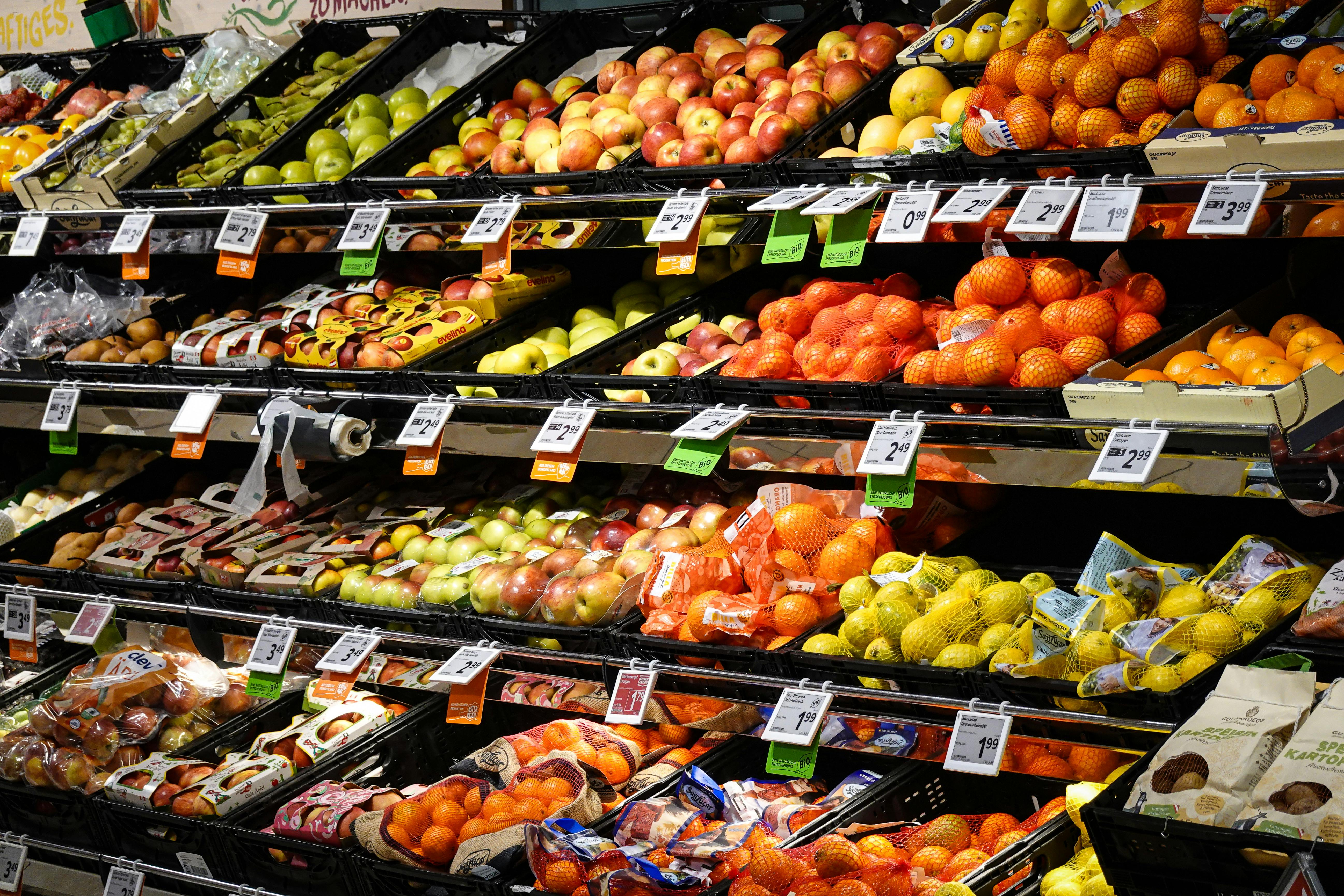
Sticker shock at the grocery store has done what years of public messaging often could not. When food costs remain elevated, every unused bag of greens or forgotten carton of milk feels like money thrown away.
That pressure has pushed more households to track what they buy and what they actually eat. According to recent Canadian survey findings, 79% say they have significantly reduced food waste over the past year, a striking sign that thrift and food habits are now closely linked.
The shift is especially understandable in a country where food inflation has reshaped shopping routines. Families are comparing flyers more carefully, buying with lists, and treating leftovers as planned meals rather than afterthoughts.
Better planning is doing most of the heavy lifting

One of the clearest reasons behind the decline in waste is simple organization. Canadians are increasingly planning meals before shopping, checking fridges and pantries first, and buying with a specific purpose.
That sounds basic, but it has a measurable effect. A household that knows it already has carrots, rice, and chicken is less likely to overbuy and more likely to turn those ingredients into two or three meals before anything spoils.
Many shoppers are also changing how often they buy perishables. Instead of one oversized trip that leads to wilted produce by week's end, some are making smaller, more targeted purchases that better match real consumption.
Consumers are learning the difference between safety and quality

Another important factor is better understanding of food labels. Confusion around "best before" dates has long contributed to unnecessary waste, with many consumers treating quality guidance as a strict safety deadline.
Health agencies and food education campaigns have helped clarify that many foods remain usable after the date on the package, depending on storage and product type. That knowledge gives people more confidence to rely on smell, appearance, and common sense.
Dry pasta, yogurt, hard cheese, and condiments are common examples where premature disposal often happens. As Canadians become more informed, fewer perfectly edible items are landing in the garbage simply because of label anxiety.
Leftovers are being rebranded as value, not compromise

There has also been a cultural shift inside the home. Leftovers were once seen by some households as uninspiring or second-rate, but higher food bills have made them a practical asset that saves both time and money.
Soup from roasted vegetables, fried rice from yesterday's grains, and sandwiches built from cooked chicken are no longer signs of settling. They are efficient ways to stretch groceries, reduce cooking stress, and avoid sending edible food to landfill.
Social media has played a role here as well. Everyday cooks now share storage tips, "use-it-up" recipes, and freezer strategies that make waste reduction feel approachable rather than restrictive.
Retail and community efforts are reinforcing the trend
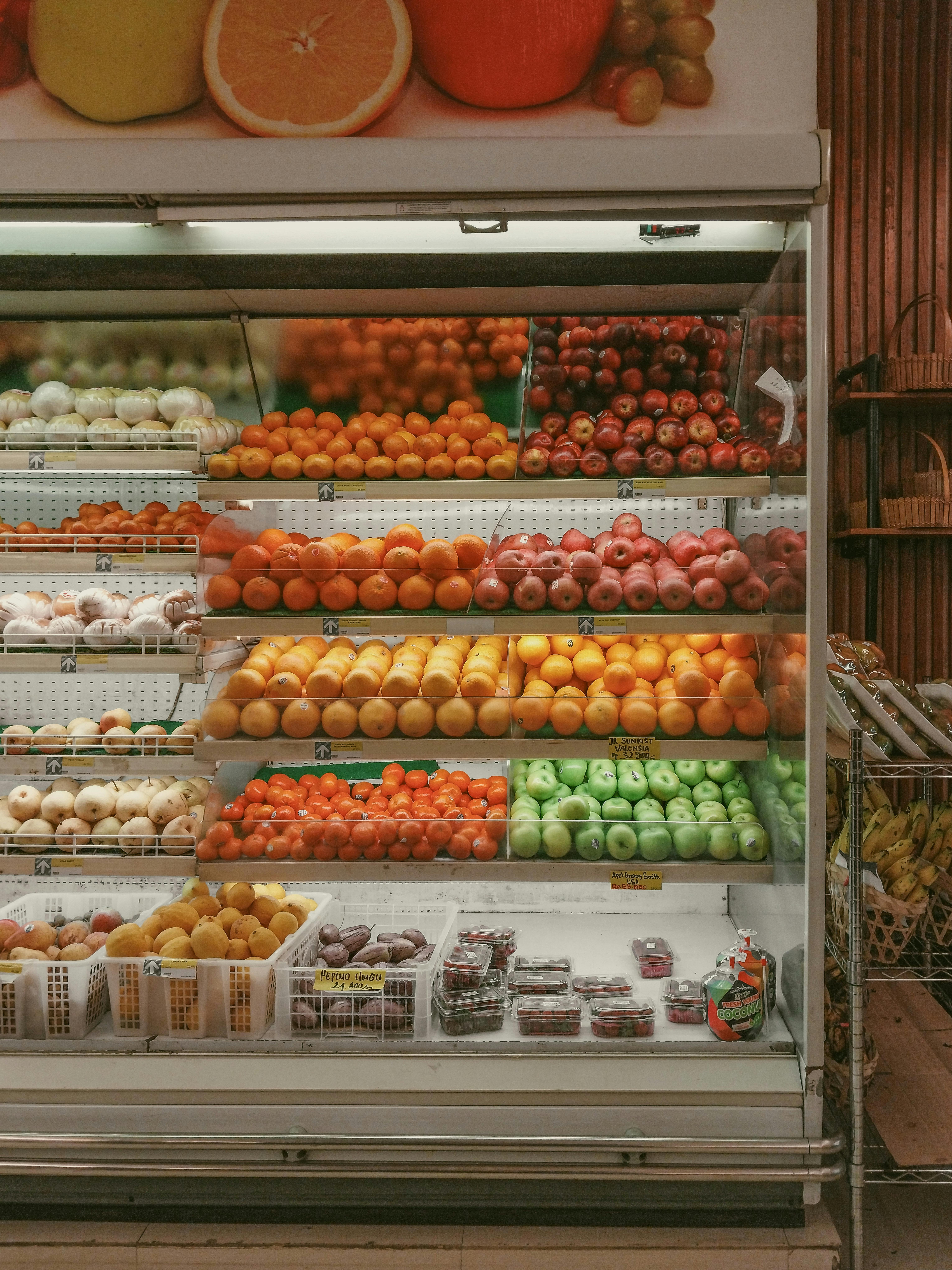
Household behavior matters most, but it is not happening in isolation. Grocers, municipalities, and nonprofits across Canada have been promoting clearer storage advice, discount racks for imperfect produce, and practical education around meal management.
Apps that mark down soon-to-expire food and programs that redirect surplus items have also expanded consumer awareness. Even when people do not use those tools directly, they absorb the broader message that edible food has value at every stage.
This support matters because food waste is not just a budget issue. It is also tied to landfill methane emissions, wasted water, transport costs, and the energy used to grow, process, refrigerate, and deliver food.
The next challenge is turning short-term habits into lasting change

The real test now is durability. Some of these improvements were clearly driven by economic pressure, and habits formed during expensive periods can fade if households become less vigilant.
Still, there are reasons to think the shift may last. Once people see how meal planning lowers bills, how freezing extends food life, and how leftovers simplify busy evenings, waste reduction stops feeling like sacrifice and starts feeling smart.
If 79% of Canadians truly have cut food waste significantly in one year, that points to more than a temporary reaction. It suggests a broader reset in how households value food, spend money, and think about everyday consumption.




Leave a Reply