
A grocery receipt from years ago could now be worth real money. A newly approved Canadian settlement gives eligible shoppers a chance to claim compensation for certain plant-based milk purchases.
What the $6.5 million settlement is about
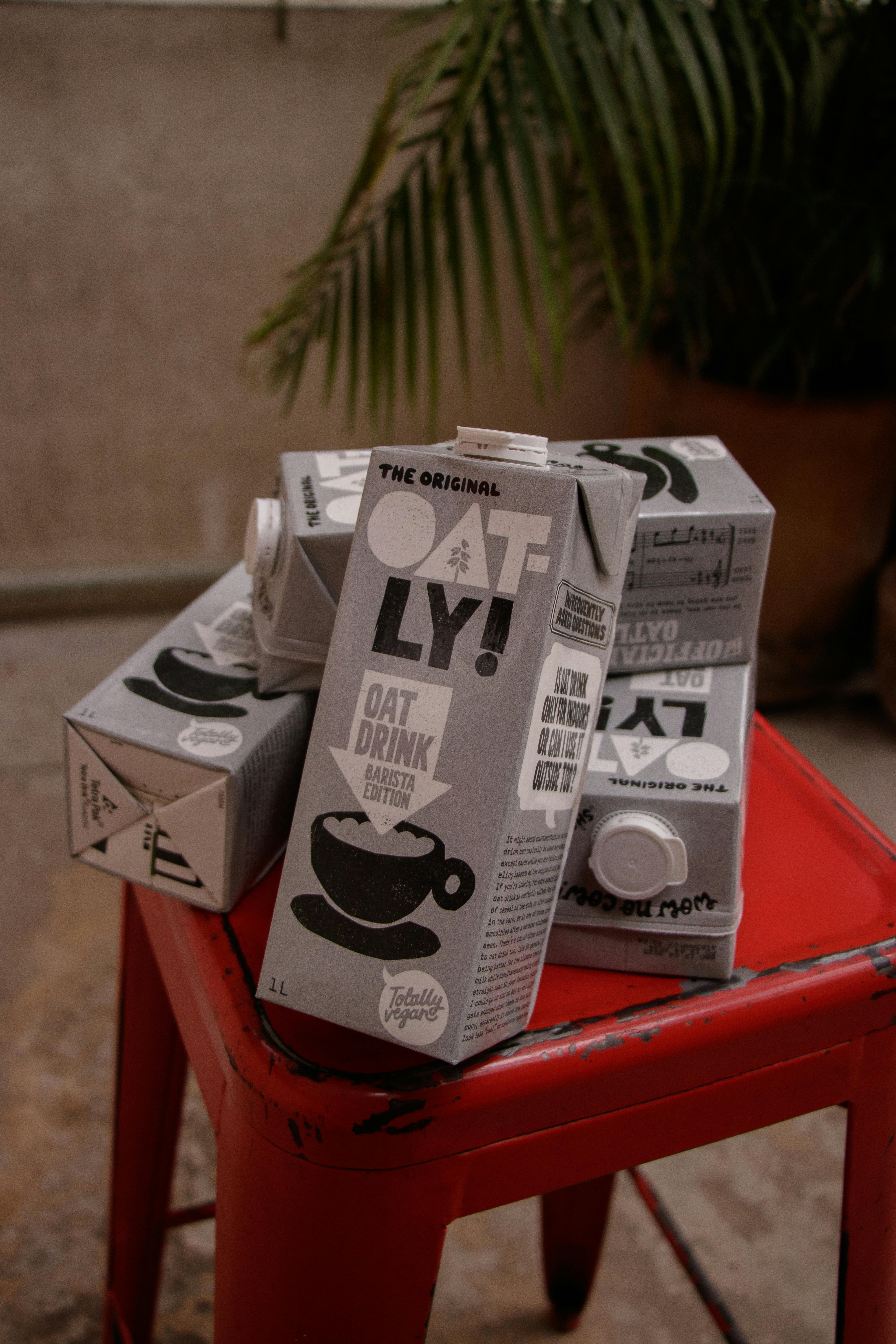
At the center of the case are allegations involving some refrigerated plant-based beverages sold in Canada under the Silk and Great Value brands. The class action claimed that certain products were marketed in ways that led consumers to believe they were nutritionally comparable to dairy milk, particularly in protein content, when that was not always the case.
The settlement totals $6.5 million and resolves the claims without any admission of wrongdoing. That is standard in many class action agreements, where companies choose to settle to avoid the cost, uncertainty, and time involved in continuing litigation through trial.
This matters because plant-based beverages have become a major grocery category in Canada over the past decade. Many consumers buy almond, oat, coconut, and other non-dairy products for dietary, ethical, allergy, or environmental reasons, and labeling claims can strongly influence those purchasing decisions.
Which Canadians may be eligible to file a claim
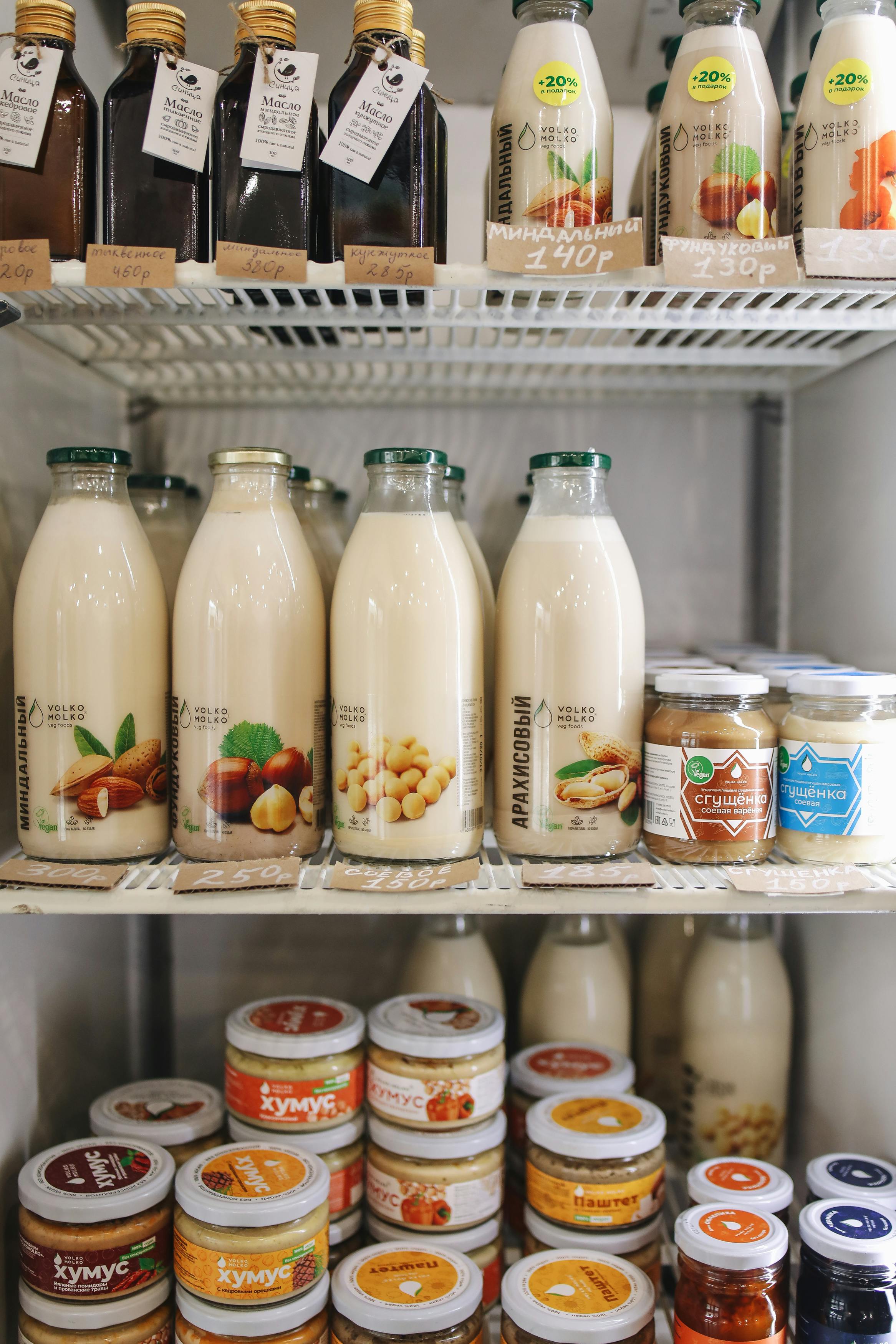
Eligibility generally applies to Canadian residents who purchased specific Silk or Great Value refrigerated plant-based beverages during the class period. The key factor is whether the product falls within the list covered by the settlement, not whether the buyer still has packaging or a receipt in every case.
The covered period and exact product definitions are important, so claimants need to review the official settlement terms carefully. In class actions like this, dates often determine everything, because only purchases made between the approved start and end dates qualify for compensation.
In practical terms, that means households that routinely bought non-dairy milk alternatives should pay attention. Even shoppers who made ordinary grocery purchases years ago may qualify, especially if they regularly chose these brands as a dairy substitute for cereal, coffee, smoothies, or family meals.
What products and dates are likely included

The settlement covers certain refrigerated plant-based milk products sold under Silk and Great Value branding in Canada. These cases usually identify product categories by brand, package type, and sometimes flavor or formulation, so shoppers should compare what they bought against the final approved list.
Dates are especially important because they define the class period. While the settlement amount is fixed at $6.5 million, the amount any one person receives can vary depending on how many valid claims are submitted and whether the claimant has proof of purchase.
Consumers should also understand why these products became the focus of litigation. A recurring issue in plant-based beverage lawsuits has been the difference between consumer expectations and nutritional reality, especially where shoppers may assume a product is a one-to-one substitute for dairy milk in protein and overall nutrition.
How to file a claim and what proof may be needed

The claims process is usually designed to be straightforward, but it still requires attention to detail. Claimants are typically asked to confirm that they lived in Canada and purchased one or more covered products during the eligible period, then submit a claim form before the filing deadline.
Some settlements allow claims without receipts up to a capped amount, while higher claims may require documentary proof such as receipts, loyalty account records, or other purchase evidence. That approach is common because many consumers no longer have paper records for routine grocery purchases made several years earlier.
Accuracy matters. If a claimant overstates purchases or submits incomplete information, the claim can be reduced or rejected, and in some cases payments are prorated anyway if valid claims exceed the available net settlement fund after fees, administration costs, and any court-approved deductions.
How much money claimants might actually receive
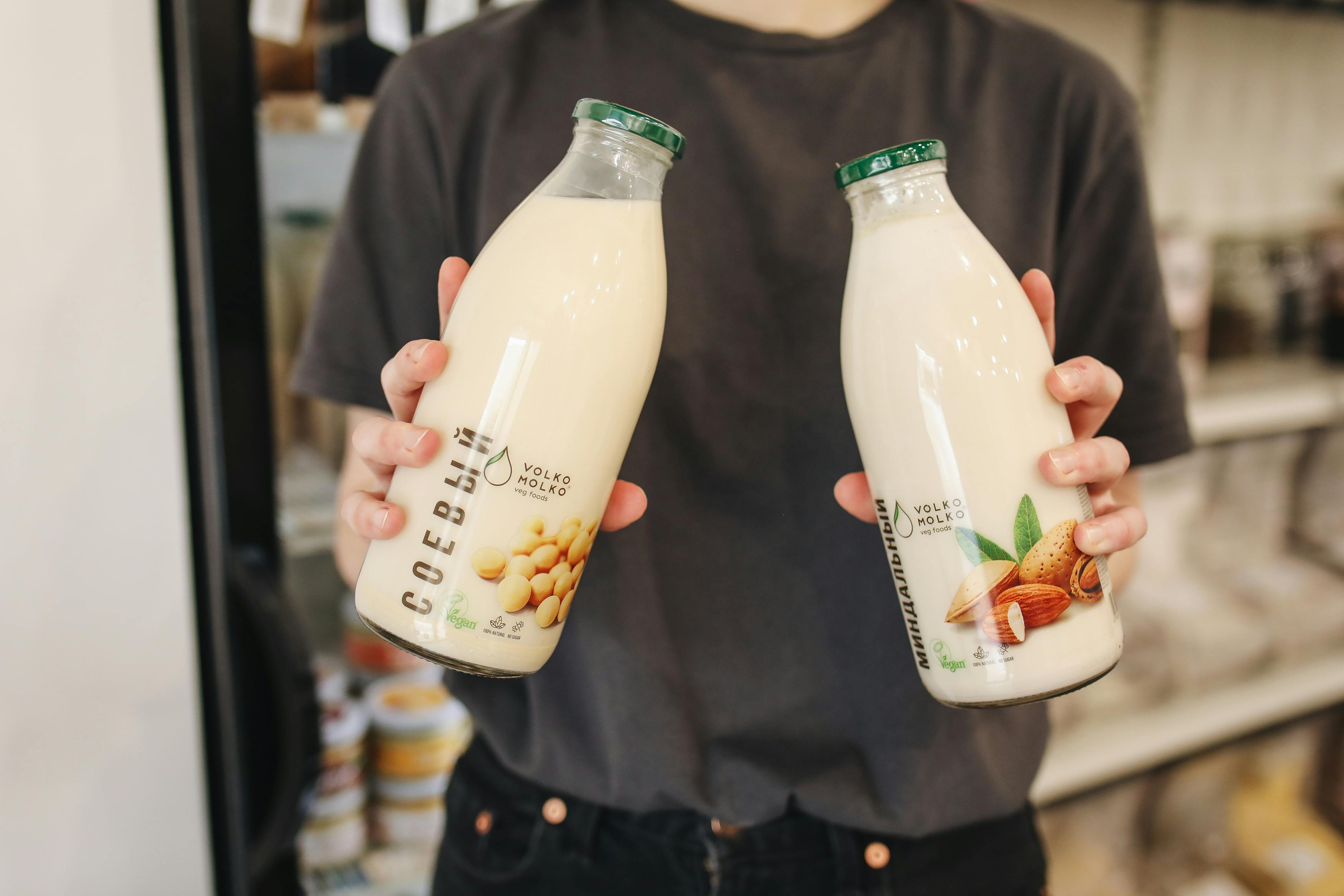
The headline number, $6.5 million, does not mean every shopper will receive a large payment. In class action settlements, the final payout per person depends on several moving parts, including legal fees approved by the court, administrative expenses, taxes if applicable, and the total number of valid claims filed.
That is why some claimants in consumer cases receive modest amounts, while others with receipts or larger documented purchases may receive more. The structure is meant to distribute the net settlement fairly across the class, rather than guarantee a fixed payment to every person who submits a form.
Still, even smaller payments can be meaningful because they signal accountability in consumer marketing. These settlements also tend to push companies across the food industry toward clearer packaging, more careful nutrient comparisons, and marketing language that better matches how ordinary shoppers interpret labels in the real world.
Why this settlement matters beyond the payout
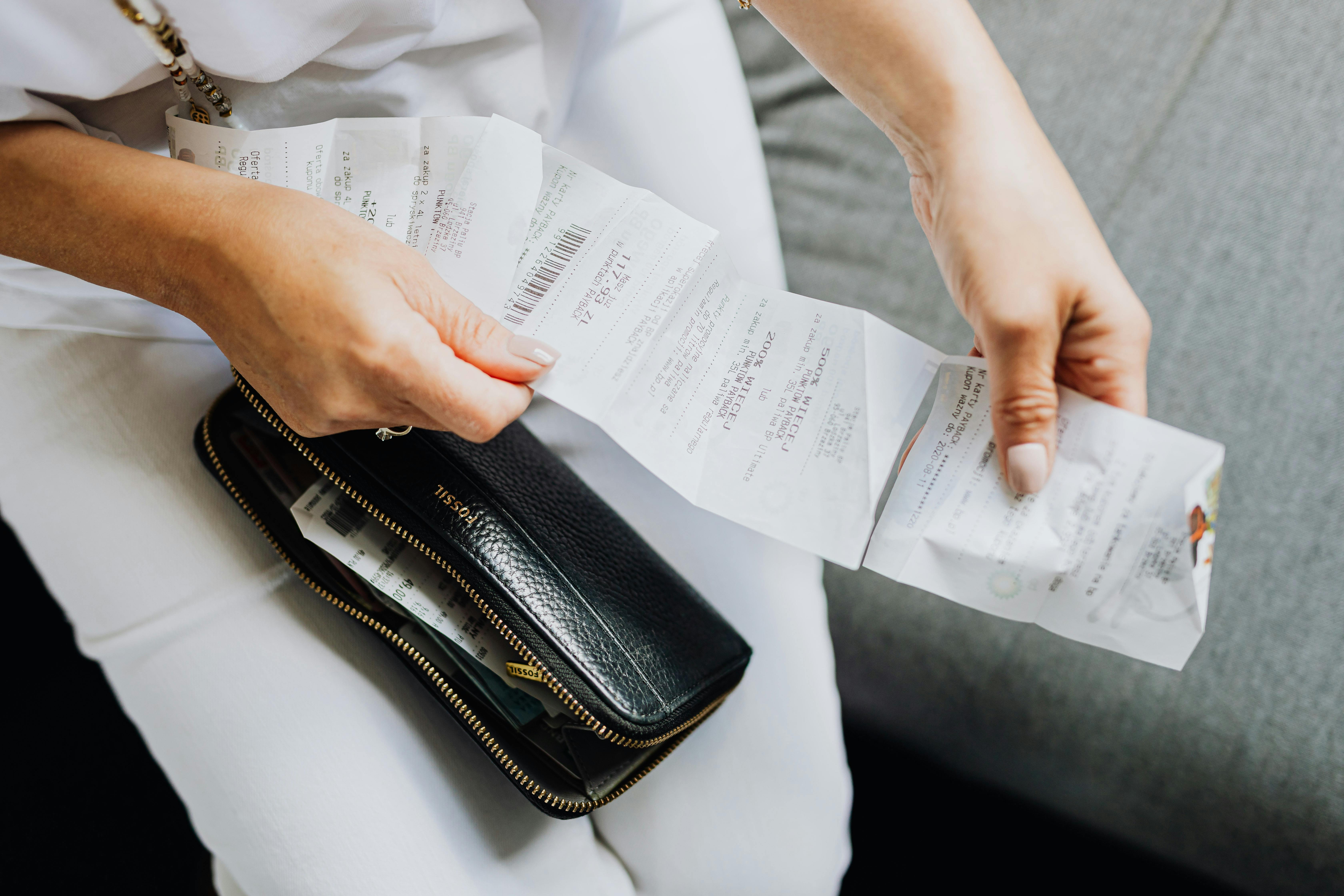
This case is about more than a refund. It highlights how modern food marketing intersects with nutrition, especially as plant-based alternatives become staples in mainstream Canadian households rather than niche products bought by a small segment of consumers.
For families comparing products quickly in a supermarket aisle, messages about health, protein, and substitution can shape choices in seconds. That is why courts, regulators, and class action lawyers continue to scrutinize how food companies present side-by-side comparisons, implied benefits, and claims that may influence a reasonable buyer.
For Canadians, the practical takeaway is simple: review the product list, check the class period dates, and file on time if you qualify. Even if the payment turns out to be limited, participating helps enforce standards for transparency and reminds brands that wording on everyday grocery items can carry legal and financial consequences.



Leave a Reply