
Restaurants look busy across Canada. Yet behind the full dining rooms, a growing number of operators say the math no longer works.
Revenue is up, but profit is not

At first glance, 2026 should have been a strong year for the industry. Menu prices rose, traffic improved in urban cores, and spending on dining out remained resilient even as households watched other expenses more closely. According to industry reporting and public market disclosures, many operators posted record top-line sales.
That headline number hid a harsher reality. More revenue does not automatically mean more profit, especially when much of the gain comes from higher prices rather than meaningfully larger margins. A restaurant that sells the same number of meals at a higher price can still end up weaker if every major cost rises faster.
This is the central contradiction of 2026. Canadians saw packed brunch spots, busy patios, and long delivery queues. Owners saw razor-thin margins that left little room for repairs, payroll shocks, or a single slow month.
Food costs stopped being predictable

The biggest pressure point remained the cost of ingredients. Beef, dairy, cooking oils, coffee, fresh produce, and imported specialty items all stayed elevated, with weather disruptions and transportation issues continuing to create sudden price swings. For independent restaurants, the lack of large purchasing power made those jumps even harder to absorb.
A chain can renegotiate supply contracts or spread higher costs across hundreds of locations. A neighbourhood bistro cannot do that easily. It often pays more per case, more for rush orders, and more when a supplier changes terms with little notice.
Operators responded by trimming menus, shrinking portions, and redesigning dishes around more stable ingredients. Those tactics helped, but they also carried risks. Customers notice when a favourite plate changes, and restaurants that push price increases too far can lose traffic quickly.
Labour became the make-or-break issue
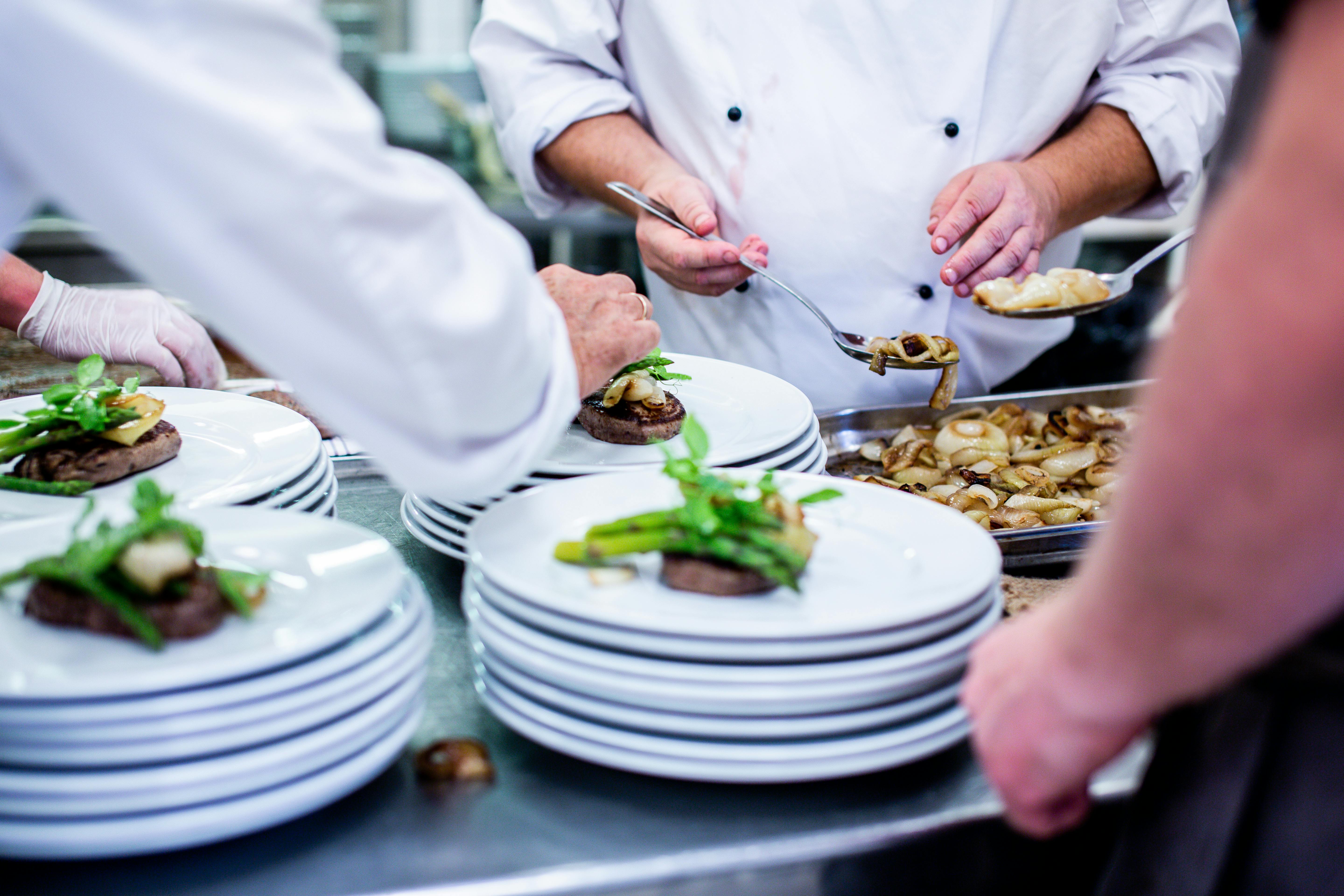
Walk into almost any restaurant in Canada in 2026 and the labour challenge is visible. Kitchens are working with tighter teams, managers are covering shifts, and owners are handling jobs they once delegated. Wage growth, benefit expectations, and ongoing staff shortages have combined to make payroll the single most difficult fixed cost to manage.
This is not simply a story about higher hourly rates. Restaurants are also paying more for recruitment, training, retention bonuses, and schedule flexibility. Turnover remains expensive, especially in full-service dining where service quality depends on experienced staff who know the menu, the systems, and the pace.
Immigration pathways and temporary worker programs have helped some operators, but not evenly across provinces or business types. The result is a fragmented labour market where one location can stay staffed while another, only blocks away, cuts hours because it cannot fill a line cook or server position reliably.
Rent, debt, and interest kept crushing operators
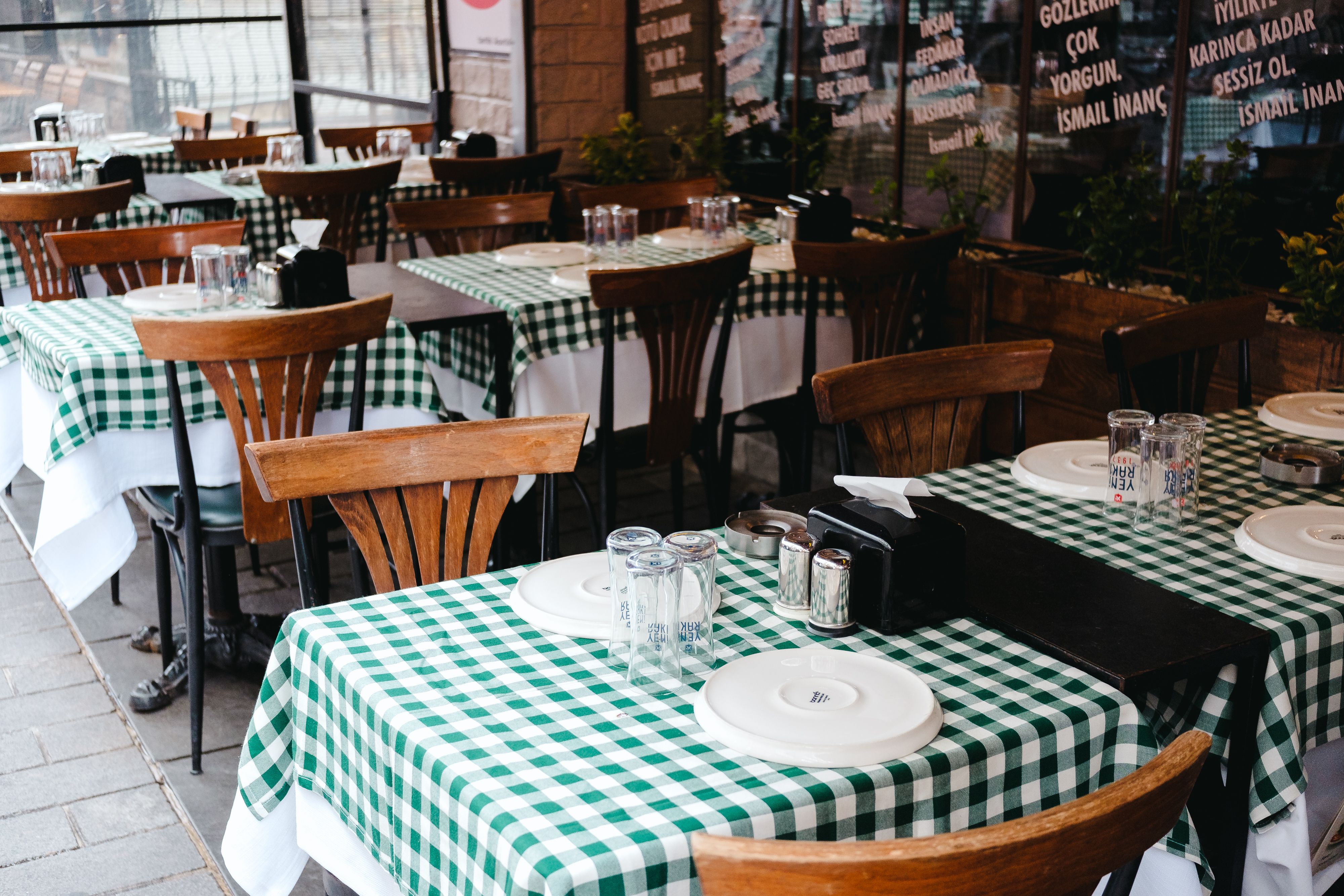
The sales rebound after earlier downturns encouraged many restaurants to borrow for renovations, patio expansions, kitchen upgrades, or delayed maintenance. In 2026, those decisions came due. Debt servicing became far more painful as elevated interest costs consumed cash that would otherwise have gone toward staffing, inventory, or reserve funds.
Lease costs added another layer of strain. Prime urban corridors in Toronto, Vancouver, Montreal, and Calgary continued to command aggressive rents, while smaller markets saw landlords push increases on the assumption that hospitality demand had fully recovered. For many operators, occupancy costs rose even when locations performed well.
This is why closures often surprise customers. A restaurant may appear successful because seats are full on weekends. But if four or five major bills all rise at once, a busy dining room can mask a business that is effectively losing money every month.
Customers kept spending, but in a narrower way
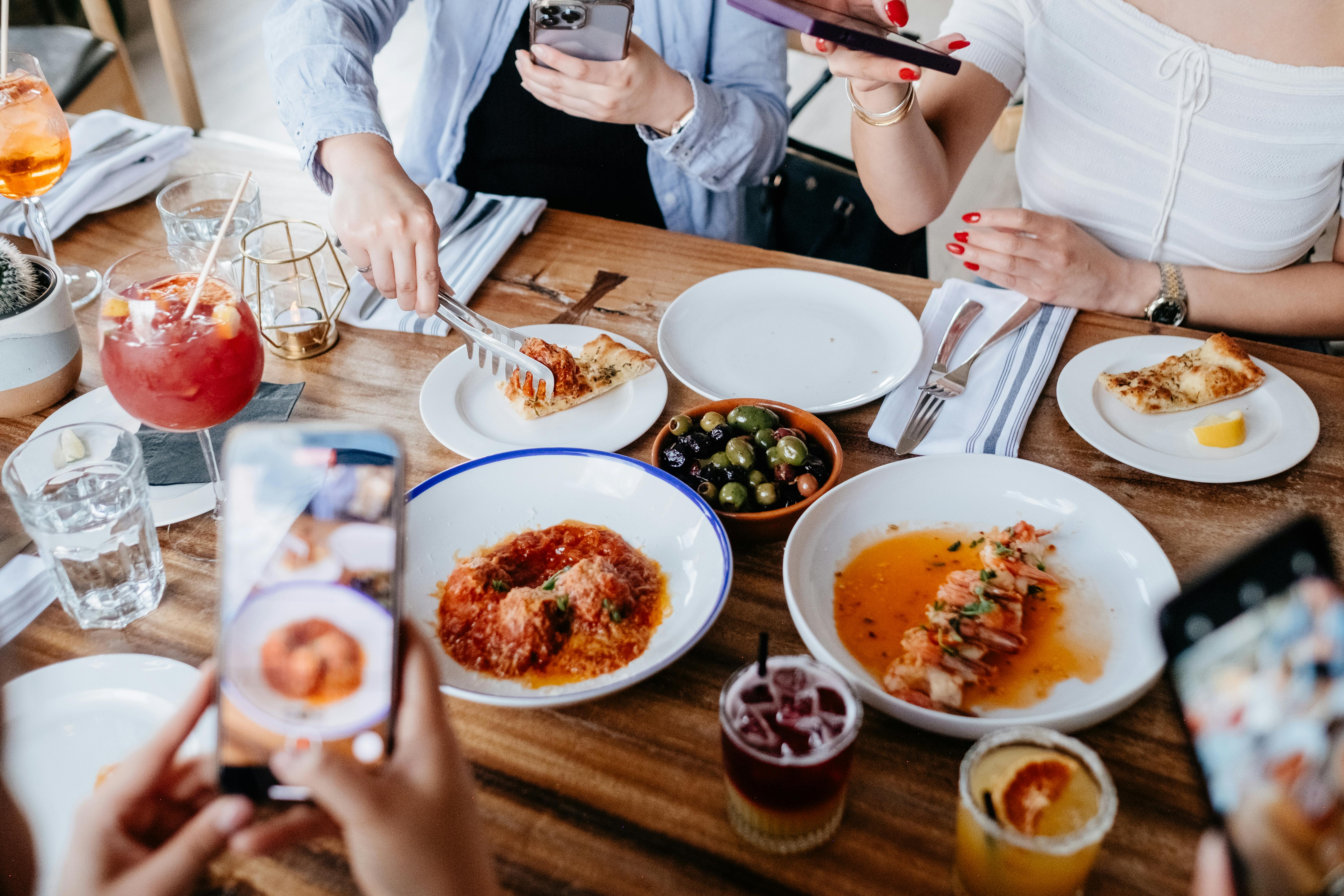
Consumers did not abandon restaurants in 2026. They simply became more selective. Many households still prioritized dining out, but they did so with tighter rules: fewer appetizers, less alcohol, more splitting of mains, and a stronger preference for promotions, lunch deals, and quick-service formats.
That shift hit full-service restaurants hardest. Alcohol has traditionally delivered some of the healthiest margins in the business, so when guests order fewer cocktails or skip wine entirely, revenue quality drops even if table counts remain steady. A packed room spending less per visit can look strong while weakening the bottom line.
Delivery added another complication. It expanded reach and preserved volume, but commission fees and packaging costs ate into margins. For some restaurants, digital orders were essential for visibility yet structurally less profitable than dine-in service.
The industry is changing faster than many can adapt

The restaurants surviving best in 2026 are not necessarily the busiest. They are the ones built for volatility. Many have smaller menus, sharper inventory controls, stronger direct ordering systems, and clearer identities that justify pricing in a crowded market.
Some are also rethinking the traditional model entirely. Counter service, hybrid retail concepts, tasting menus with prepaid reservations, and smaller footprints are becoming more common because they offer tighter cost control. According to analysts and hospitality consultants, flexibility is now as important as culinary appeal.
That leaves the industry in a painful transition. Canadian restaurants can generate record revenue and still fail because the old signals of success no longer guarantee sustainability. In 2026, staying open depends less on how full the room looks and more on whether the numbers work after every cost is paid.



Leave a Reply