
Canada's restaurant scene looks vibrant at first glance. But the same market producing packed dining rooms and new openings is also forcing many operators to shut their doors.
Growth is happening, and it is easy to see why

Across Canada, restaurant traffic has recovered far more than many operators expected after the hardest pandemic years. Diners returned for convenience, social connection, and small affordable treats, especially as travel and other leisure costs stayed high.
That demand helped fuel openings in major cities such as Toronto, Montreal, Calgary, and Vancouver. Fast-casual brands, specialty coffee shops, bakeries, upscale casual concepts, and neighborhood spots have all taken advantage of renewed consumer appetite and changing foot traffic patterns.
Industry reporting from Restaurants Canada has shown foodservice sales pushing higher in nominal terms, while new concepts continue entering both urban streets and suburban plazas. In many neighborhoods, the visible story is one of energy, construction, hiring, and busy reservation books.
The closure wave is real, even if it is less visible

Here is the harder truth: a restaurant opening does not cancel out a restaurant failure. Behind every lively launch are independent operators quietly exiting when rent, payroll, insurance, food costs, and debt repayments no longer fit together.
Some closures happen suddenly after years of operation. Others come after owners try shorter hours, menu cuts, delivery pivots, or staffing reductions, only to discover that the business still cannot generate enough margin to survive.
This creates a distorted public picture. Consumers tend to notice what is new, while the industry feels the cumulative damage of what is disappearing, especially among family-run restaurants, neighborhood diners, smaller full-service venues, and single-location businesses with little bargaining power.
Inflation is cooling, but restaurant math is still brutal
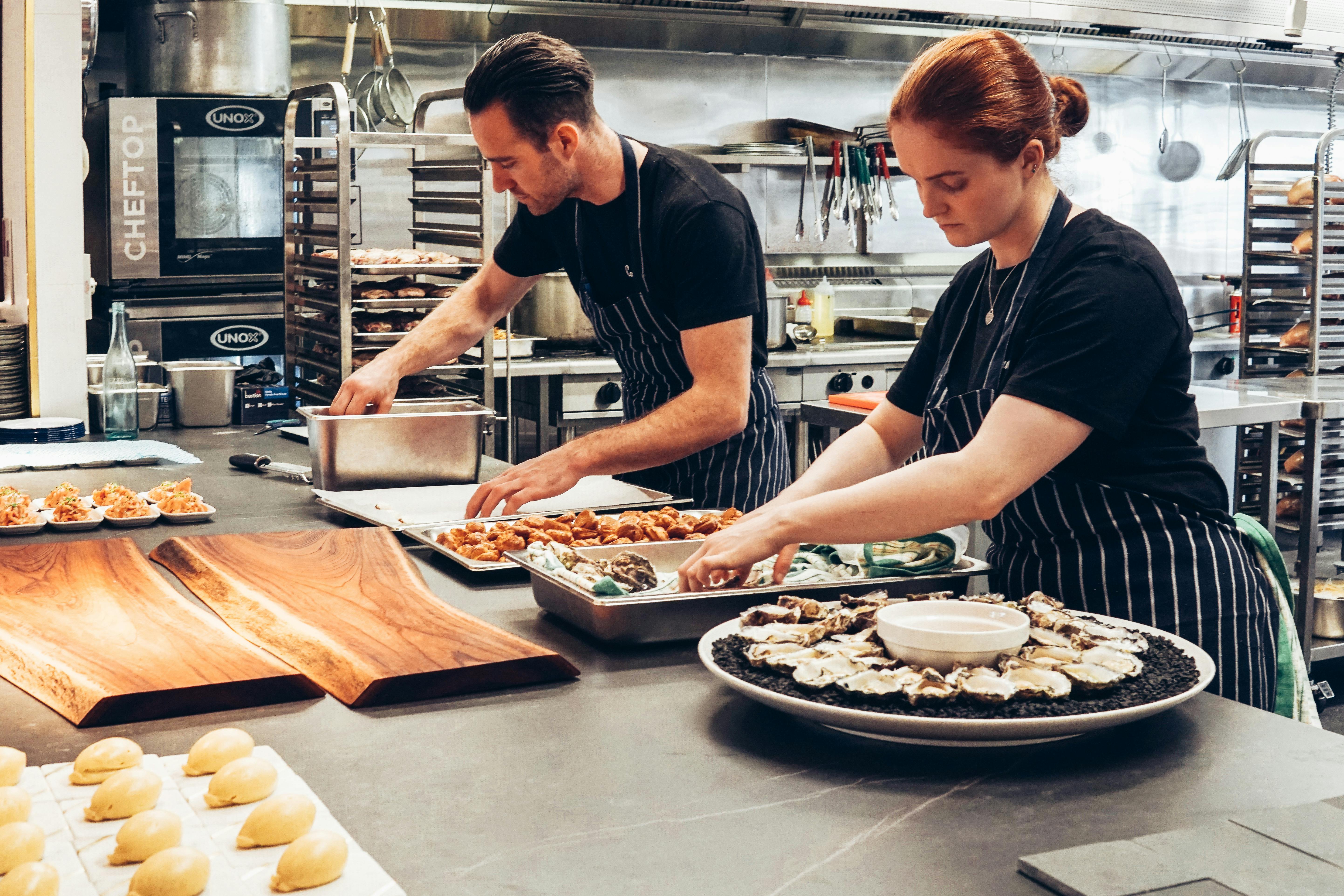
A softer inflation headline does not mean restaurant finances have normalized. Ingredients may not be rising as sharply as before, but many costs reset at permanently higher levels, and few operators have enough room to absorb them.
Commercial rents remain elevated in many prime corridors, utilities are costly, and insurance has become another painful line item. Interest rates also matter, especially for restaurants carrying variable debt, refinancing buildout loans, or trying to finance equipment and working capital.
Labor remains a central challenge. Wage pressure is not simply about hourly pay, but about retention, training, scheduling, and productivity in a business where one weak service period can erase the profit from several strong ones.
Consumers still spend, but they spend more carefully

Many Canadians have not stopped dining out. They have become more selective about when, where, and how they spend, often trading down within the same week by mixing quick-service meals with fewer premium full-service occasions.
That behavior favors operators with strong value messaging, efficient menus, and clear brand identity. It also helps chains and scaled groups that can spread purchasing, marketing, technology, and labor systems across many locations.
Independent restaurants face a tougher balancing act. Raise prices too aggressively and regulars pull back. Keep prices too low and margins disappear. In this environment, even full dining rooms can mislead owners if average check growth fails to keep pace with operating costs.
Winners are adapting faster than the market around them

The strongest operators are not relying on demand alone. They are redesigning menus around fewer ingredients, better cross-utilization, tighter prep systems, and dishes that travel well for takeout without damaging brand quality.
Many are also rethinking the size and purpose of their footprint. Smaller dining rooms, stronger lunch trade, direct digital ordering, limited-time offers, and more disciplined hours can improve margins without requiring dramatic increases in traffic.
Real-world success often comes from operational clarity, not trend chasing. Restaurants that know their core customer, control waste, negotiate carefully, and monitor contribution margins item by item are better positioned than those built on buzz alone.
What Canada's restaurant market is really telling us

This is not a contradiction. Canada can have a genuine restaurant boom and a serious closure problem at the same time because growth is uneven, and the industry's economics remain fragile beneath the surface.
For consumers, that means favorite places may vanish even in neighborhoods filled with new concepts. For landlords, lenders, and policymakers, it is a reminder that headline sales growth does not automatically signal business health.
The deeper story is one of constant churn. Opportunity is real, but so is risk. In today's Canadian restaurant market, resilience belongs to operators who can turn demand into durable profit before the next cost increase arrives.




Leave a Reply