
Canada's meal kit boom is no longer a pandemic story. It has become a lasting fight over convenience, price, and who can keep Canadian households subscribed.
Why the market expanded so quickly

What looked like a temporary lockdown habit turned into a broader consumer shift. Between 2020 and 2025, Canada's meal kit market grew about 112%, driven by households that wanted fewer grocery trips, less meal planning, and more predictable weekly dinners.
The early surge came from necessity, but the later growth came from habit. Busy professionals, young families, and older consumers all found value in pre-portioned ingredients and guided recipes that reduced waste and decision fatigue.
Inflation also played an unexpected role. While meal kits are often seen as premium products, many consumers began comparing them not with raw groceries, but with restaurant takeout and app delivery, where costs climbed sharply after 2021.
Another factor was geography. In dense urban markets like Toronto, Vancouver, Montreal, and Calgary, reliable last-mile delivery made subscriptions easier to maintain, helping meal kit companies turn one-time trials into recurring revenue.
The companies that gained the most ground

The clearest winner has been Goodfood, which already had national brand recognition and a strong fulfillment network. Its ability to cross-sell groceries, pantry items, and prepared foods helped it stay relevant even as pure meal kit enthusiasm cooled.
HelloFresh has also remained a major force in Canada. Backed by global scale, the company benefited from broad menu variety, aggressive customer acquisition, and the kind of logistics sophistication that smaller rivals often struggle to match consistently.
Chef's Plate has been especially effective at winning budget-conscious shoppers. Positioned as a more affordable option, it captured Canadians who liked the structure of meal kits but needed lower weekly costs as food prices and household bills rose.
Cook it, based in Quebec, strengthened its regional appeal through local branding and menu familiarity. In a market where trust matters, companies that feel culturally close to customers often retain subscribers better than brands relying only on scale.
What consumers now want from meal kits

The winning formula has changed. Canadians still care about convenience, but they are more selective than they were in 2020, expecting flexible subscriptions, shorter prep times, and meals that fit dietary preferences without charging a heavy premium.
That has pushed brands to expand beyond standard dinner boxes. More companies now offer family plans, vegetarian menus, high-protein options, quick lunches, breakfast add-ons, and heat-and-eat meals that compete directly with prepared food counters.
Transparency matters more too. Consumers want clear pricing, visible portion sizes, and realistic cooking times, not marketing promises that fall apart on a weeknight. Brands that manage expectations well tend to face fewer cancellations and stronger word-of-mouth.
Sustainability remains important, though not always decisive. Packaging waste is still a common complaint, but many buyers will tolerate it if the food quality is strong, ingredients are fresh, and the service reliably solves a real time-saving problem.
Retail expansion changed the competitive map
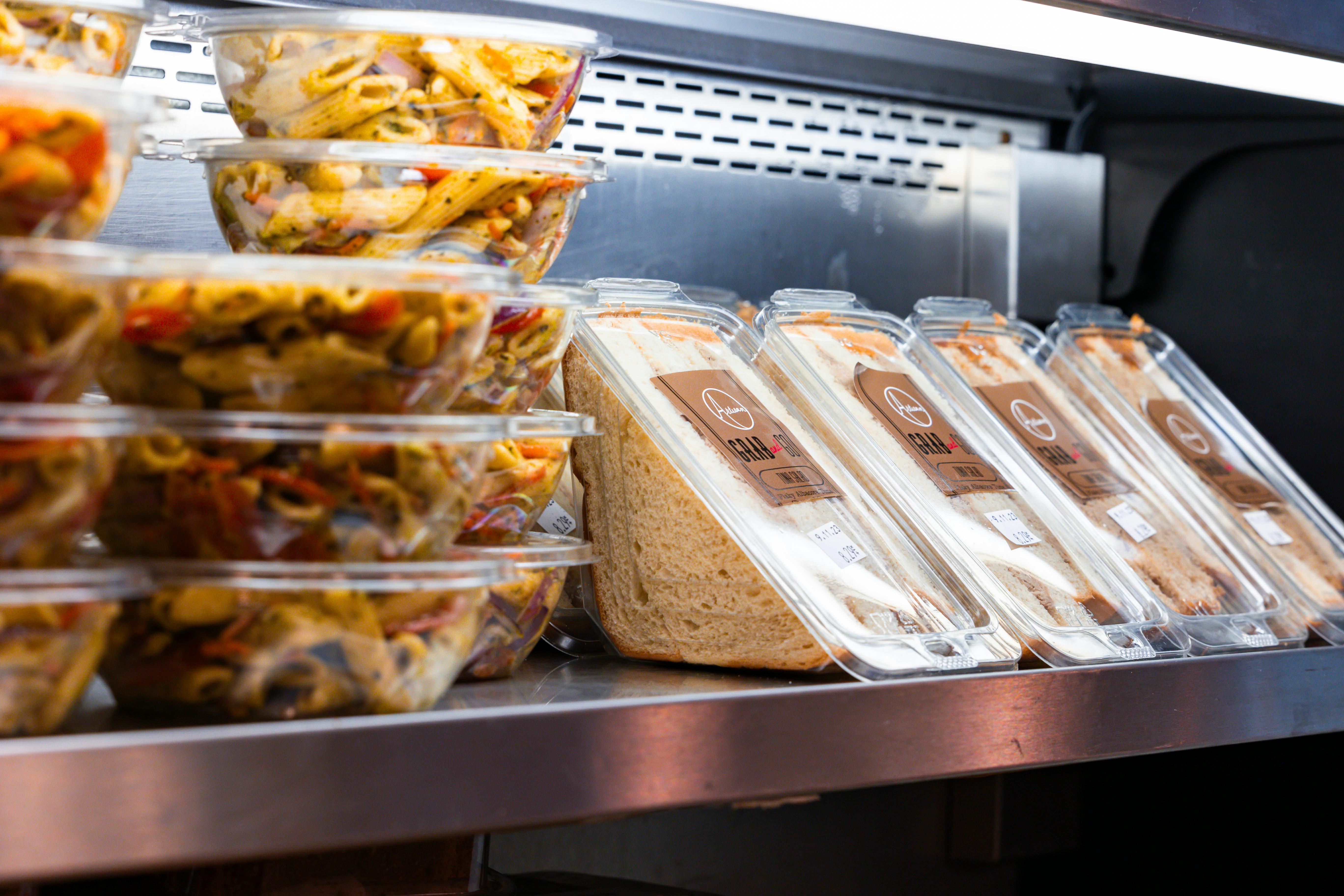
The market is no longer defined only by doorstep delivery. Grocery retailers and food brands increasingly moved into adjacent territory, borrowing meal kit features such as pre-portioned ingredients, ready recipes, and grab-and-cook dinner solutions in stores.
That shift matters because it lowered the commitment barrier. Instead of signing up for a weekly subscription, shoppers could test similar products at supermarkets, which trained more Canadians to accept the meal kit concept as part of normal food shopping.
For dedicated players, retail became both a threat and an opportunity. Some brands leaned into partnerships, pop-up placements, and broader prepared meal offerings to meet customers wherever they preferred to buy, whether online or in person.
This blending of channels also raised expectations. If a supermarket dinner kit is cheaper and available immediately, subscription services must justify themselves with better recipes, stronger personalization, or superior ingredient quality to protect margins and loyalty.
The biggest challenges facing the sector

Growth has not made the business easy. Customer acquisition remains expensive, and many companies still battle high churn because households may enjoy meal kits for a season, then pause when budgets tighten or routines change.
Margins are also under pressure from labor, transportation, and cold-chain costs. Canada's size makes national delivery harder than in smaller markets, and weather disruptions can quickly turn logistics into a costly operational headache.
Competition from grocery stores, discount chains, and restaurant promotions adds further strain. Consumers have more dinner solutions than ever, which means meal kit brands must prove they are not just convenient, but consistently worth the premium.
That is why scale matters so much. Companies with larger purchasing power, efficient fulfillment, and better data on customer behavior are simply in a stronger position to survive a market where growth can coexist with very demanding economics.
Who is best positioned to win next

The next leaders will likely be the companies that look less like single-product subscription businesses and more like flexible food platforms. In Canada, that favors operators that can mix meal kits, prepared meals, groceries, and add-ons in one ecosystem.
Goodfood and HelloFresh appear well positioned because they already operate at that broader level. Chef's Plate should continue to benefit if value remains the dominant consumer lens, especially as households keep watching food budgets closely.
Regional specialists still have room to win by focusing on loyalty, local sourcing, and menus that reflect Canadian tastes. In Quebec especially, a strong local identity can be a serious competitive advantage rather than a niche limitation.
The broader lesson is simple. Canada's meal kit market did not just grow 112%; it matured. The brands now winning are the ones that understand meal kits are no longer novelty products, but part of a much tougher everyday food retail battle.




Leave a Reply