
They were once part of everyday life. Now, across Canada, vending machines are slowly becoming harder to find.
A small decline points to a bigger shift
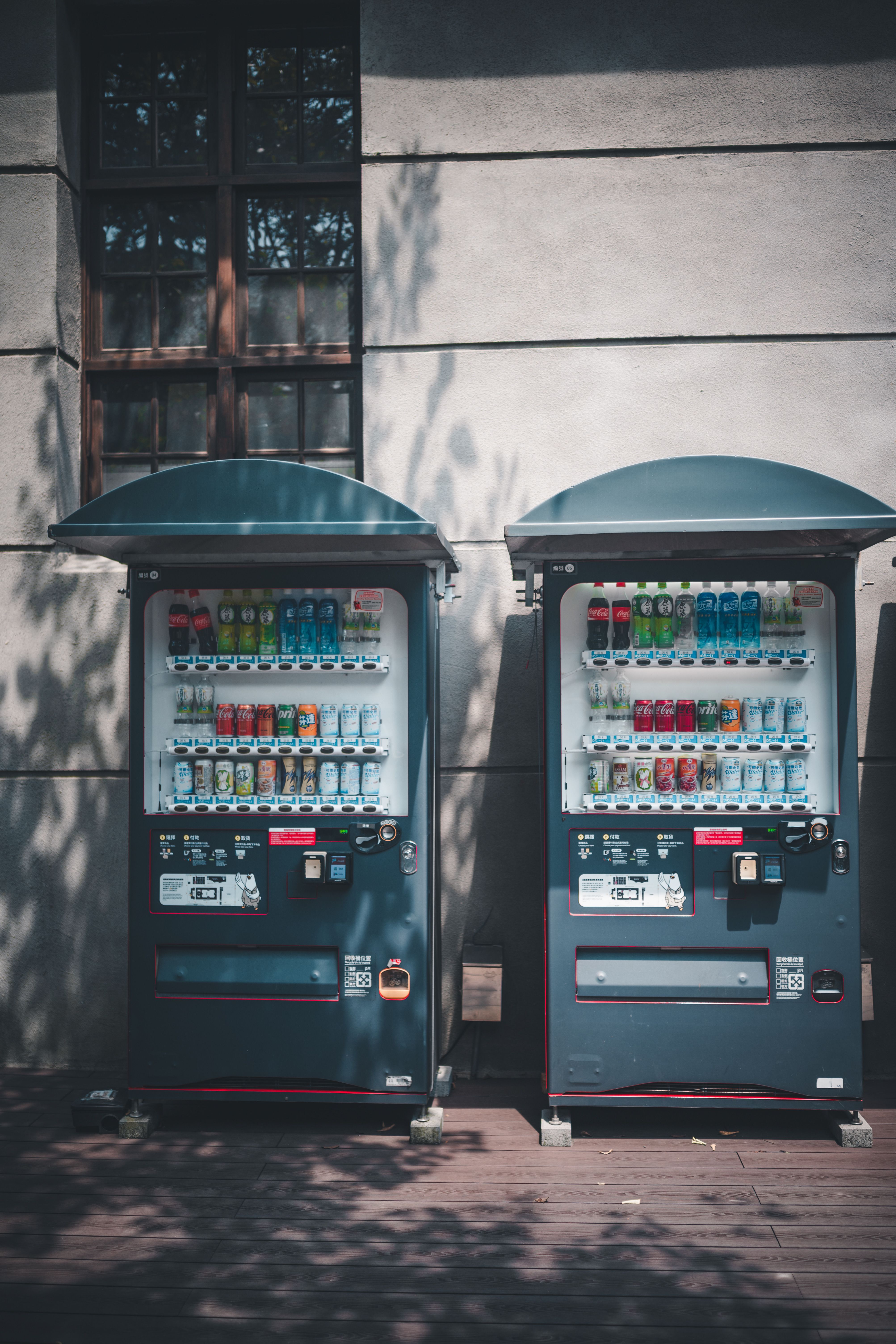
At first glance, a nearly 3% annual drop may not sound dramatic. Yet in a mature convenience industry, that kind of decline signals a meaningful change in consumer traffic, operating costs, and business confidence.
Industry tracking shows the Canadian vending sector has been under pressure for several years, with this year's decline adding to a longer pattern of contraction. Fewer machines in service usually means more than lower snack sales. It often reflects weaker profitability at individual locations.
Operators typically remove machines when refill routes become inefficient or when site commissions rise faster than revenue. In practical terms, a machine that once worked well in an office lobby or school hallway may no longer generate enough sales to justify service visits, maintenance, and payment processing fees.
Offices never fully came back

One major reason is simple and visible. Canada's downtown office towers do not have the same daily traffic they had before remote and hybrid work became normal.
Vending machines depend heavily on repeat foot traffic. Office workers buying coffee, chips, or a cold drink during a short break created steady demand that helped support thousands of machines in business districts. When even a modest share of that traffic disappears, vending economics weaken quickly.
This matters because many operators built their route systems around dense clusters of workplaces. A machine that serves 500 people a day is very different from one serving 150 people spread unevenly across the week. Lower occupancy means fewer impulse purchases and less predictable restocking cycles.
Costs are rising from every direction
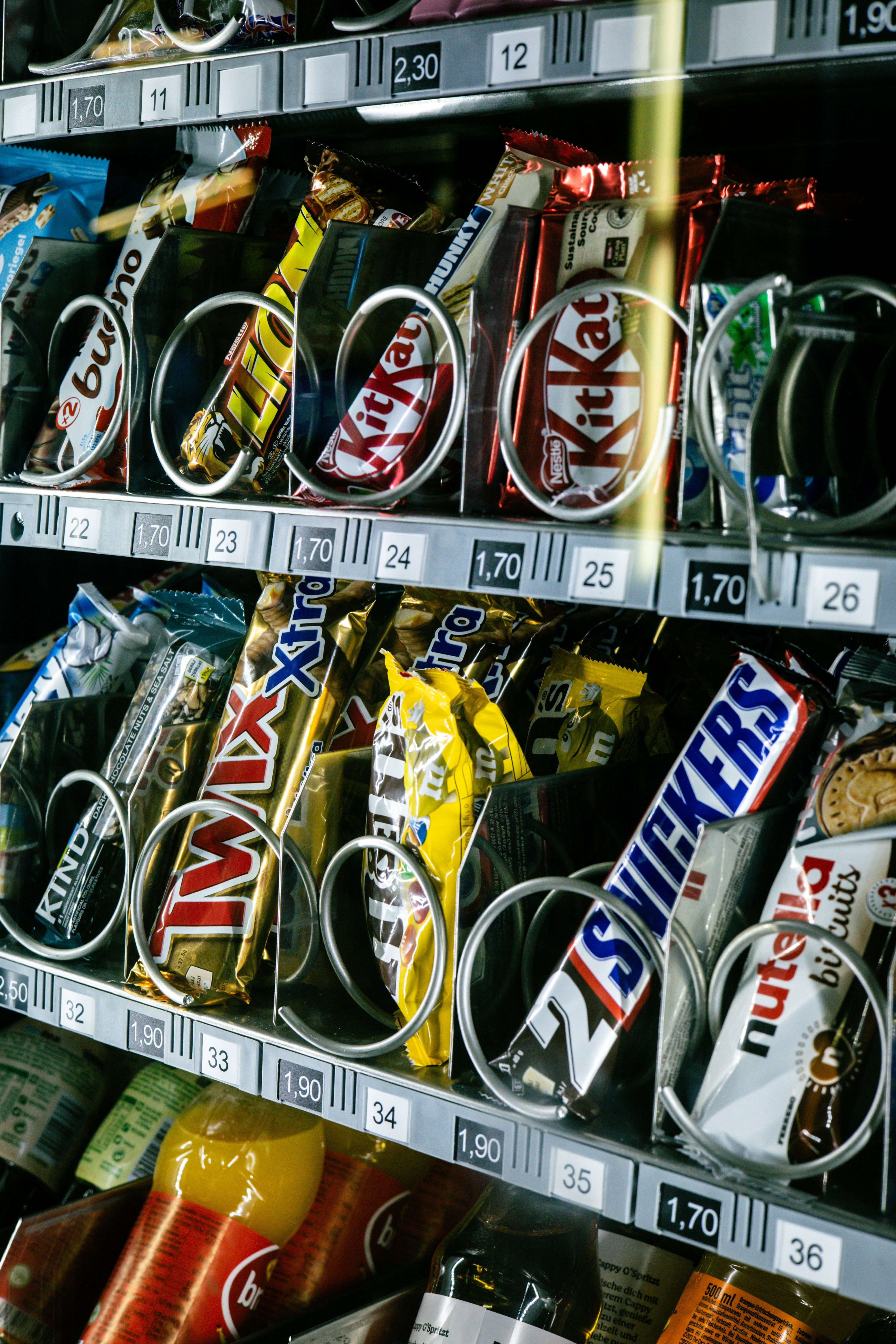
The vending business looks simple to customers, but behind the glass is a cost-heavy operation. Machines use electricity, require repairs, need cashless payment systems, and must be stocked by drivers covering large geographic routes.
Inflation has pushed up the wholesale price of drinks, snacks, and fresh items. Fuel, insurance, vehicle maintenance, and labour have also climbed. For smaller operators in particular, these pressures can erase already thin margins.
Cashless payment technology has improved convenience, but it also adds monthly service charges and transaction fees. That matters in a business where many purchases are low-value. Selling a single bottle of water or candy bar leaves less room for profit when every step in the supply chain costs more.
New competition is changing convenience
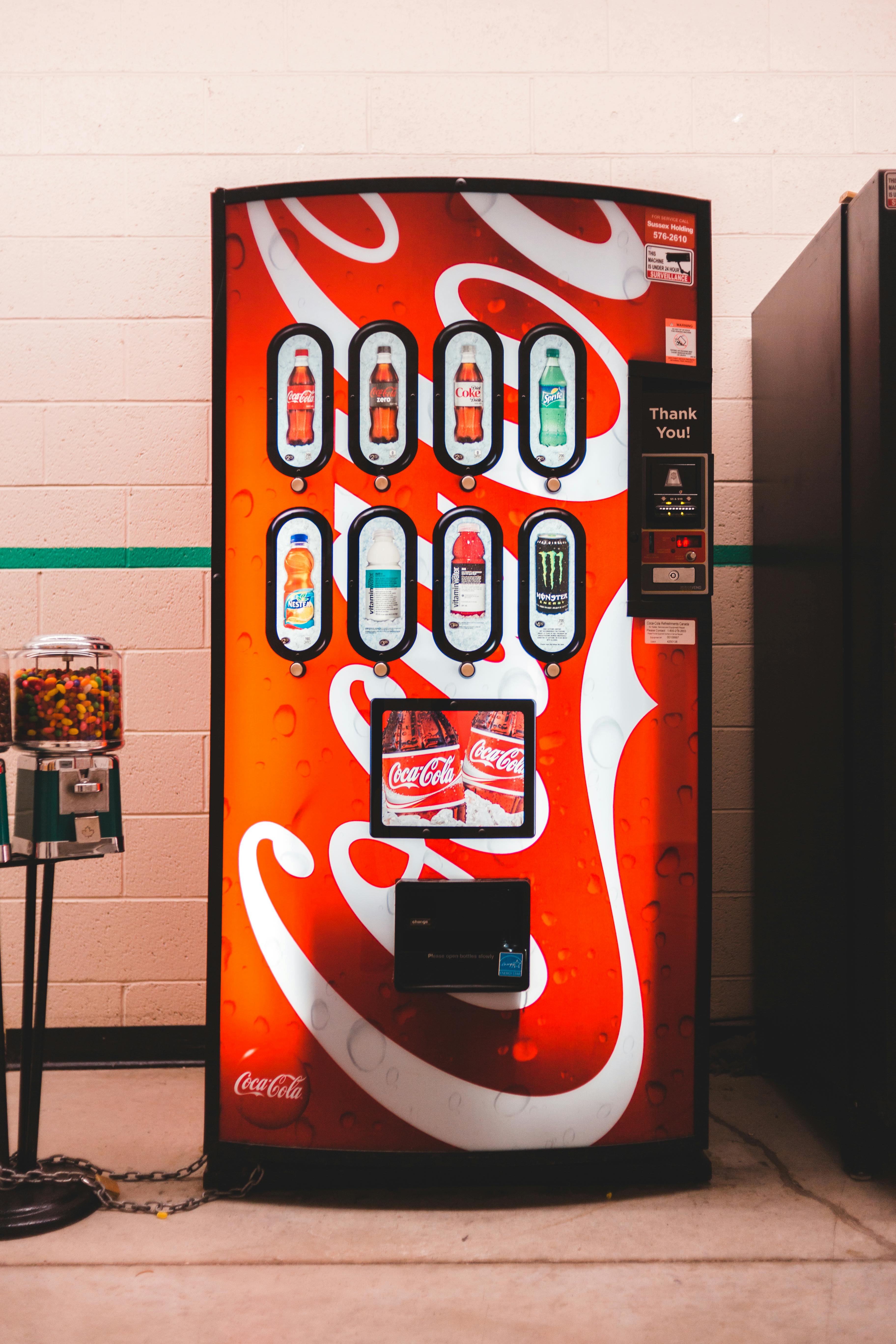
Convenience itself has changed. Consumers now have more options for quick purchases than they did a decade ago, and many of those options feel fresher, broader, or more personalized.
Micro-markets, self-checkout kiosks, app-based pickup, and expanded grab-and-go sections in pharmacies and convenience stores are taking share from traditional vending. In hospitals, campuses, and large workplaces, open-shelf snack stations often outperform machines because they can offer salads, sandwiches, and premium beverages.
Even coffee culture has shifted expectations. People increasingly want customization, healthier choices, and digital loyalty rewards. A standard vending machine can meet some of that demand, but not all of it. The result is a gradual migration toward retail formats that offer more flexibility.
Geography and policy also play a role
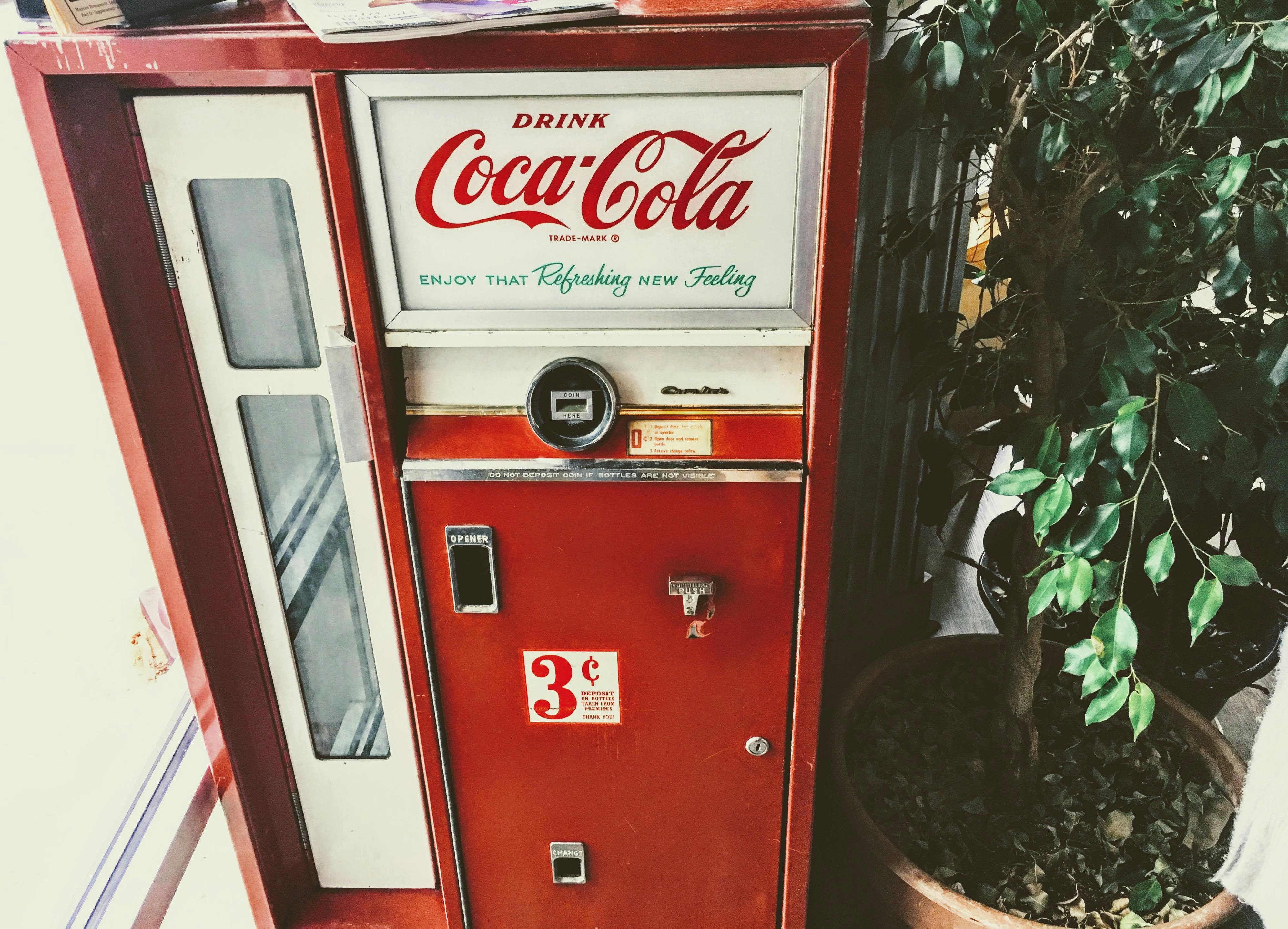
Canada's size creates a practical challenge that is easy to overlook. Serving machines across suburban, rural, and low-density areas can be expensive, especially when sales volume is inconsistent.
Public institutions also influence the market. Schools, recreation centres, and healthcare facilities have introduced stricter nutrition rules in many regions, limiting high-sugar drinks and processed snacks. While those policies support health goals, they can reduce the number of products that reliably sell through vending channels.
At the same time, some property managers want fewer standalone machines in visible common areas. A cleaner lobby design, better food-service partnerships, or concerns about maintenance can all lead to removals. The decline is not caused by one factor alone. It is the product of several overlapping decisions.
Vending is not disappearing everywhere
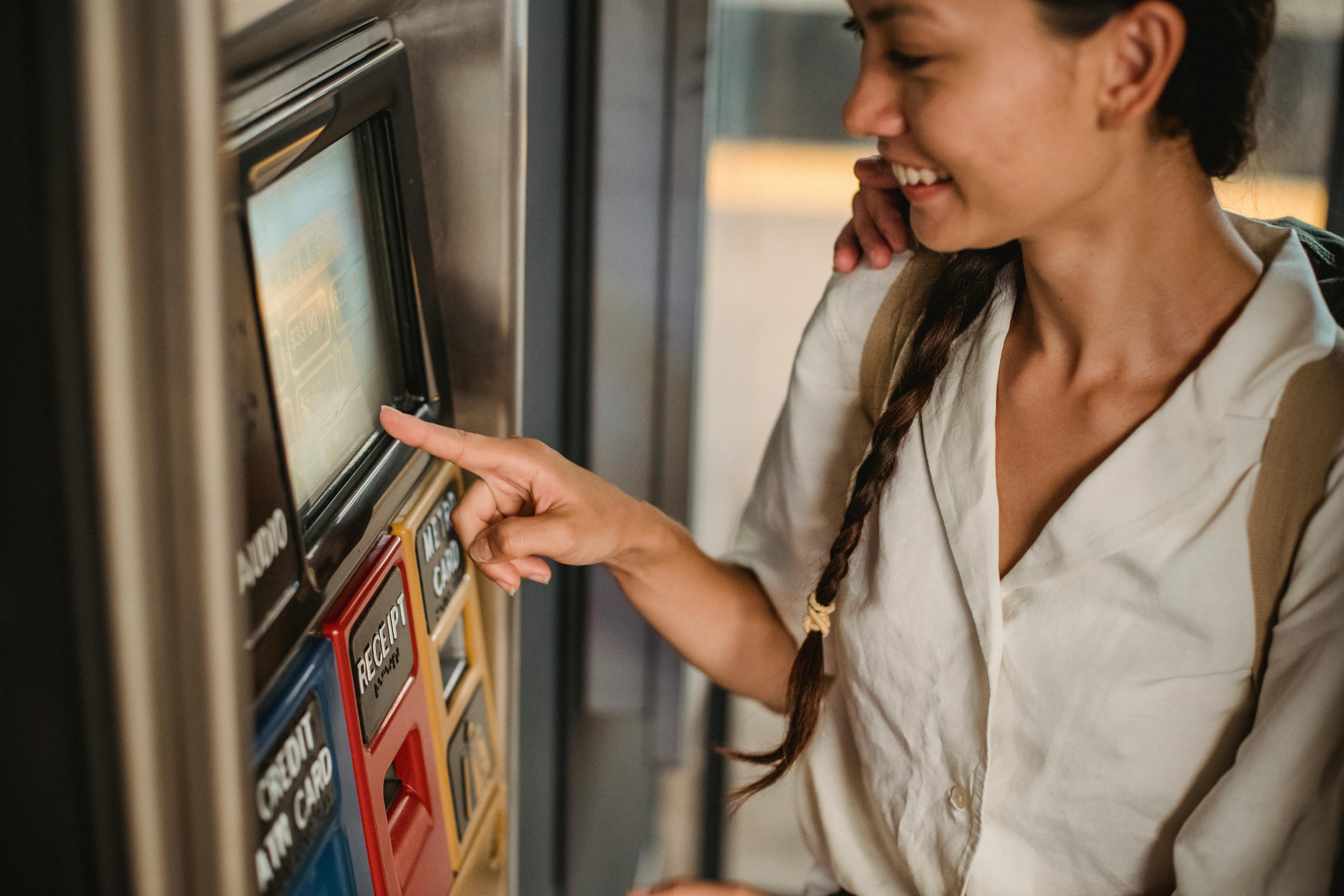
This is not the end of vending in Canada. It is more accurate to say the industry is being forced to adapt, with stronger locations surviving and weaker ones dropping off the map.
Airports, factories, colleges, and transit hubs still support vending because they generate concentrated traffic and limited alternatives. Modern machines with touchscreens, contactless payment, healthier products, and remote inventory monitoring are also performing better than older units.
The likely future is a smaller but smarter network. Expect fewer machines overall, but better placement, tighter route planning, and more specialized offerings. In that sense, the 3% decline is less a collapse than a correction in how Canadians buy convenience on the go.




Leave a Reply