
In a dense downtown core, a rooftop can become more than dead space. At Toronto Metropolitan University, it is becoming a working farm and a training ground for the next wave of urban growers.
A classroom built above the city

Toronto Metropolitan University's Rooftop Farmer Training Program is designed as an immersive introduction to green roof agriculture. According to program information, the 2026 course runs across 7 full-day Friday sessions from March 20 to May 15, with no classes on April 3 and May 1. Each day blends morning classroom instruction with afternoon fieldwork.
That structure matters because rooftop farming cannot be learned only from books. Participants move from planning concepts into direct observation, handling crops, soil, and infrastructure in real conditions. The field sessions take place on TMU's DCC and/or ENG rooftop farm spaces, giving learners immediate exposure to the realities of growing food above a busy urban campus.
The schedule from 10 a.m. to 4 p.m. also signals that this is serious skills training, not a casual workshop. Learners are expected to engage with the full cycle of production, from early planning through harvest thinking. That makes the program appealing to people who want practical competence rather than a quick overview.
What participants actually learn
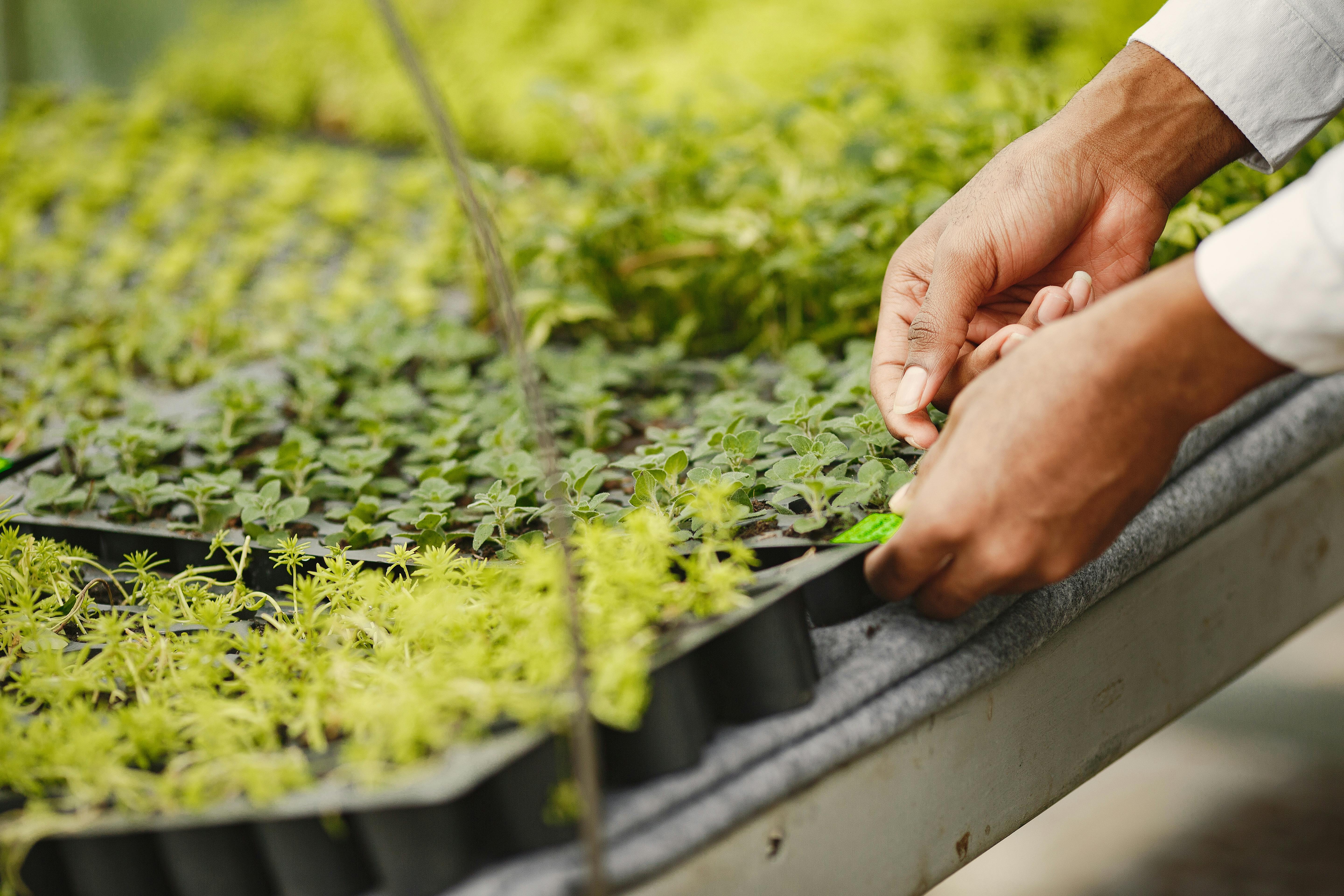
The curriculum covers far more than planting a few vegetables in containers. TMU's outline includes crop planning, greenhouse production, planting, and harvesting, alongside farm planning and design. It also reaches into ecological soil health practices, phenology and observation, wild plant identification, insect identification, and food sovereignty.
This breadth is important because rooftop farming sits at the intersection of horticulture, ecology, and urban design. A successful rooftop grower must understand wind exposure, shallow growing media, drainage, and heat stress, all while keeping crops productive. Training that joins technical production with ecological literacy helps participants understand why rooftop systems succeed or fail.
The inclusion of food sovereignty is especially notable. It frames urban agriculture as more than an aesthetic sustainability project and connects it to access, community control, and culturally meaningful food production. That wider lens gives the program social relevance at a time when cities are rethinking how local food systems can become more resilient.
Who the program is meant to serve
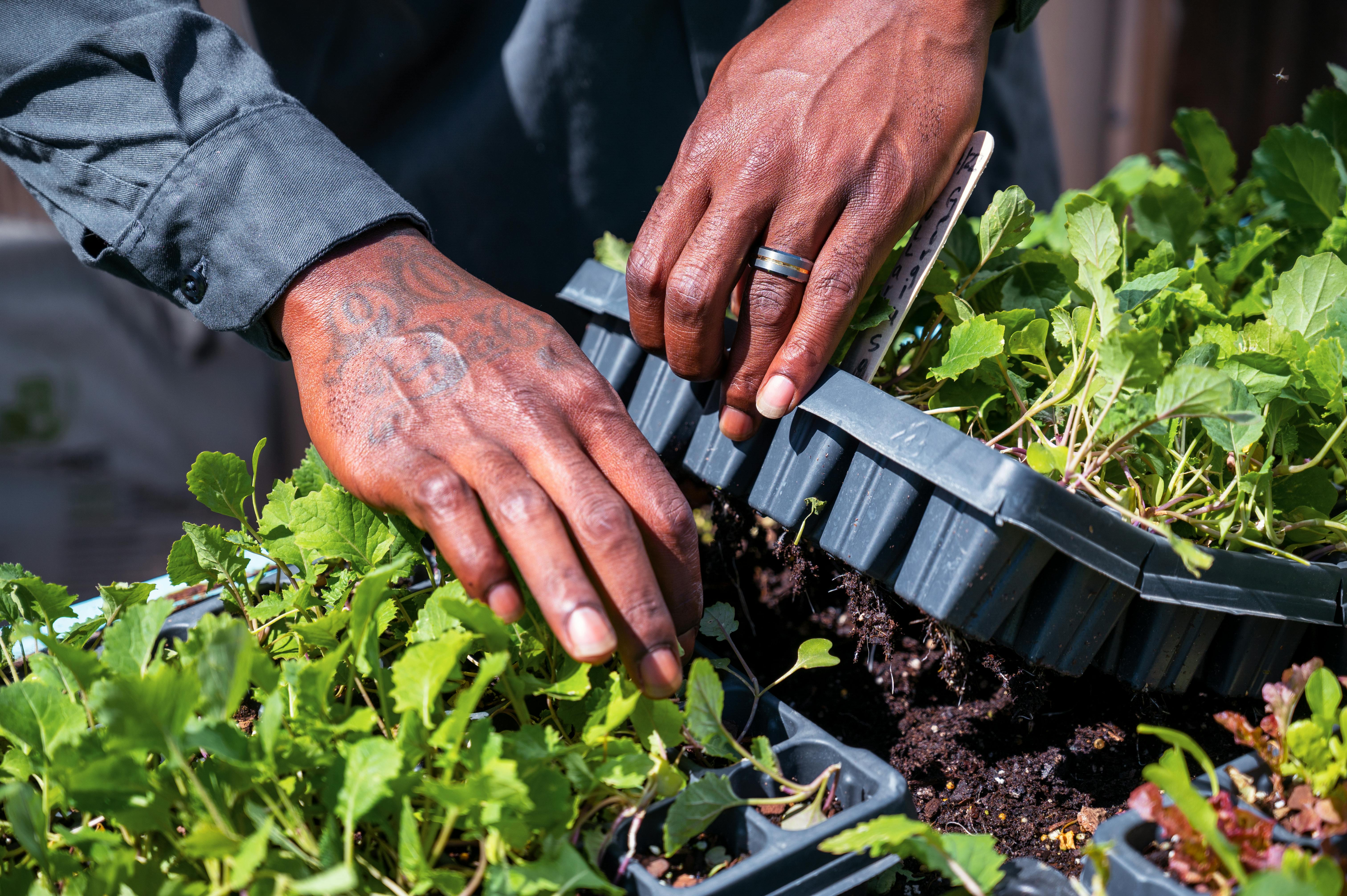
One of the program's strongest features is its openness. It is available to people from all disciplines and backgrounds at TMU and beyond, which means the cohort can include students, aspiring farmers, designers, food activists, and career changers. That diversity mirrors the reality of urban agriculture, which often relies on collaboration across sectors.
The course is tailored to rooftop farming, but its lessons extend well beyond a single roof. TMU notes that the material can also apply to soil-based, ground-level production. In practice, that makes the training relevant for community gardens, home growers, nonprofit food projects, and small-scale market gardening operations.
The admissions emphasis on people likely to apply what they learn is also telling. With limited spots, the university appears to be treating the program as a capacity-building initiative rather than a general interest class. That approach can amplify impact, especially if graduates carry these methods into neighborhoods, schools, and local food enterprises.
Why rooftop farming matters in Toronto

Urban agriculture has long promised to bring food production closer to consumers, but rooftops add a distinct advantage in space-constrained cities. They convert underused surfaces into productive landscapes without competing directly with housing or street-level development. In a downtown setting like TMU's, that idea carries unusual visibility.
Rooftop farms also deliver benefits beyond food. Green roofs can help moderate building temperatures, absorb stormwater, support pollinators, and soften the heat island effect. When they are actively farmed, they become living infrastructure that combines environmental performance with education and food production.
Toronto is a fitting place for this kind of experiment because it has a long-standing green roof policy environment and a growing interest in climate adaptation. Training new growers within that context helps connect policy ambition to practical know-how. The result is not just a greener roof, but a more skilled urban agriculture workforce.
The economics and commitment behind the course
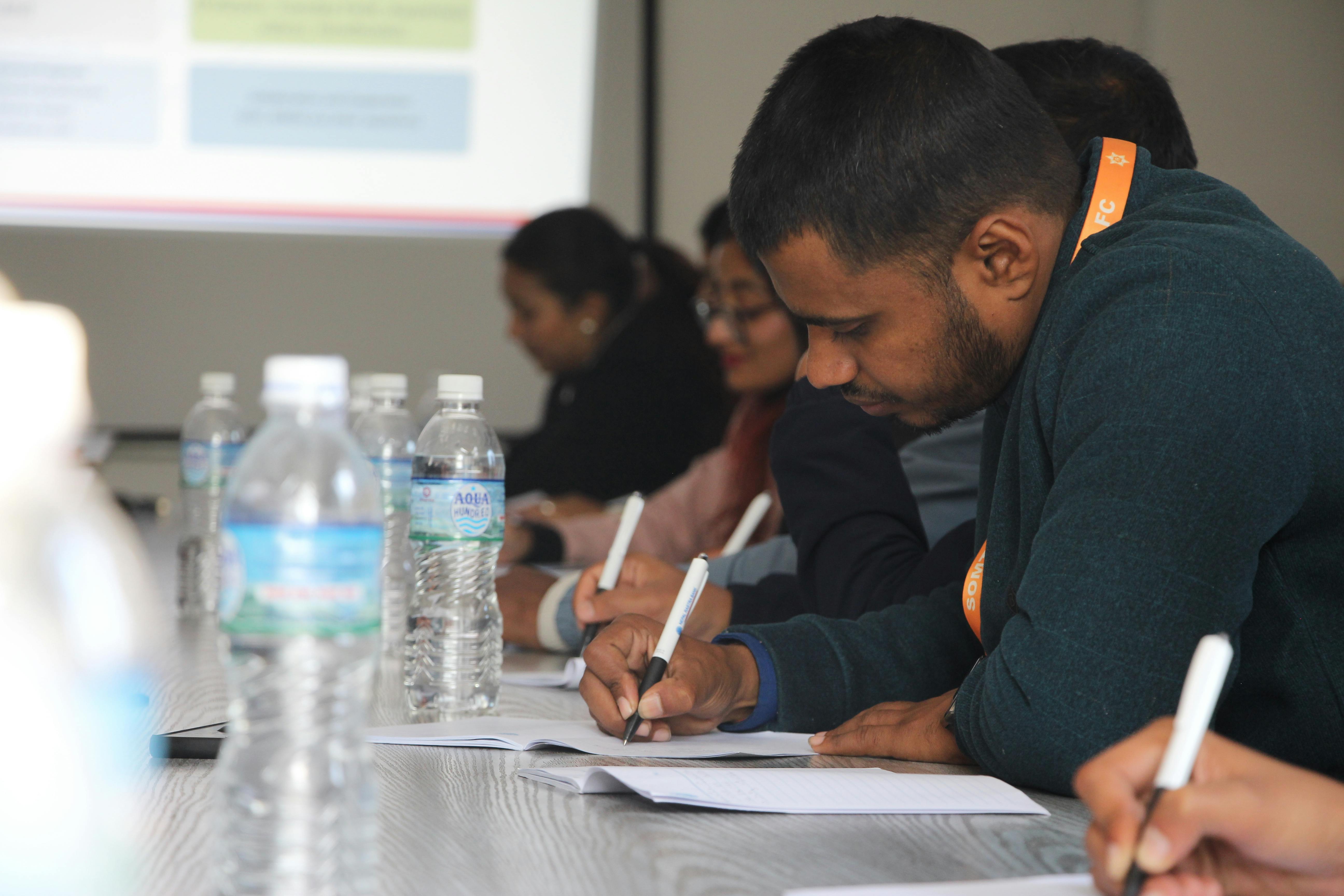
The program's pricing reflects its hybrid role as education and professional development. Fees are listed at $600 + HST for the public and $400 + HST for students. For a 7-session hands-on course taught on an active urban farm, that positions it as accessible compared with many specialized continuing education offerings.
At the same time, the cost ensures applicants are likely to treat the experience as a meaningful commitment. Rooftop farming requires consistency, observation, and physical work, so a structured fee-based model can support stronger participation. The application deadline of February 25, 2026 and limited enrolment reinforce that this is a selective, intensive program.
That selectivity may ultimately strengthen outcomes. Smaller groups make it easier to teach crop care, pest observation, and site-specific decision-making in detail. On a rooftop, where conditions can shift quickly, close instruction is often the difference between a conceptual understanding and the confidence to manage a productive growing system.
A model for training future urban growers
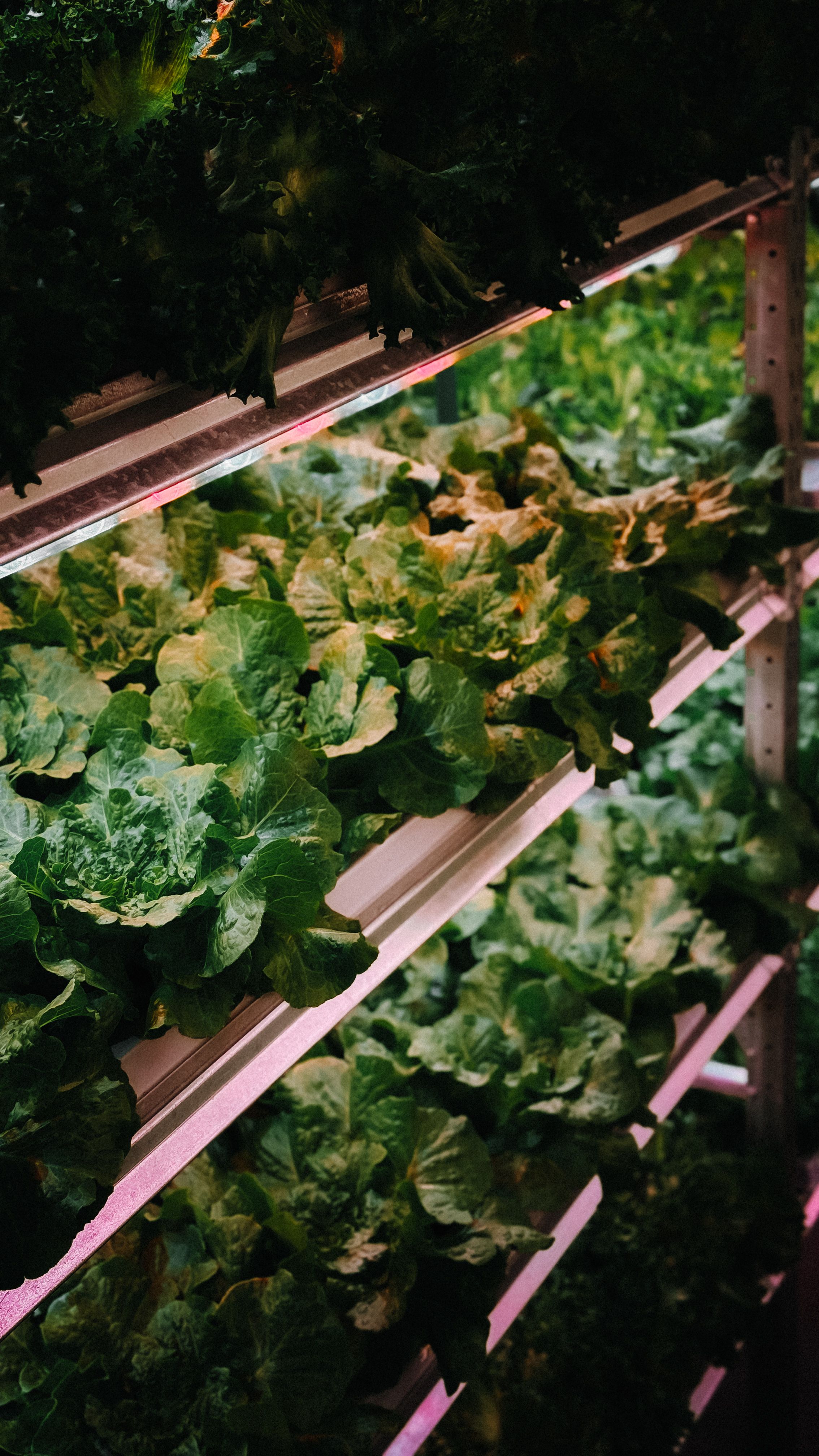
What TMU is building goes beyond a seasonal course. It is creating a replicable model for how universities can use their own campuses as laboratories for food, climate, and community education. Instead of separating sustainability from daily operations, the institution is embedding learning directly into built space.
That matters at a time when interest in local food systems is rising, but practical training opportunities remain limited. Many people want to grow food in cities, yet few have access to sites that show how production works under urban constraints. TMU's rooftop farm helps close that gap by pairing theory with repeated, supervised practice.
The larger lesson is clear: cities do not need vast open land to train farmers. They need purposeful spaces, thoughtful instruction, and institutions willing to treat urban agriculture as serious work. On one downtown roof, Toronto Metropolitan University is showing how that future can take root.




Leave a Reply