
Canadian food policy rarely moves quietly. This week, three separate stories revealed how exposed the food system is to trade disputes, extreme weather, and consumer protection enforcement.
Dairy tariffs show Canada is still defending supply management
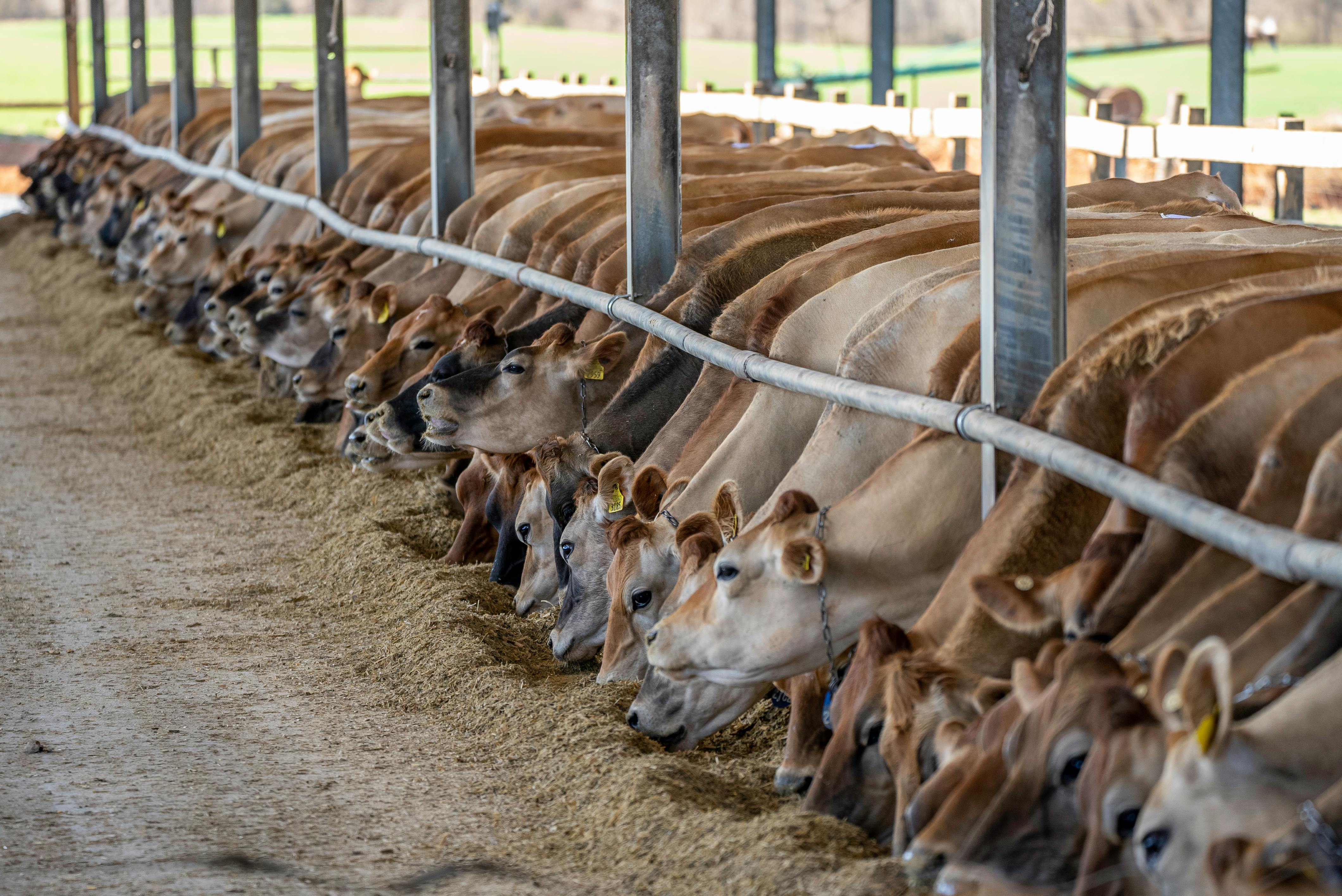
The latest trade friction over dairy underlines a basic fact: Canada is not backing away from supply management. Tariff-rate quotas and over-quota duties remain central to how Ottawa protects domestic producers in milk, cheese, butter, and other tightly managed categories.
According to Reuters and repeated reporting around recent trade discussions, American industry groups continue to argue that Canada is limiting access beyond what they believe trade agreements intended. Canadian officials, however, have consistently framed the system as legal, deliberate, and essential to farm stability.
That stability matters because dairy farming is unusually exposed to price swings. Supply management helps match production to domestic demand, giving farmers more predictable returns and reducing the boom-and-bust cycles seen in less regulated markets.
For consumers, tariffs do not usually appear as a line item on a receipt. Instead, they shape the competitive landscape behind the shelf, determining how much imported dairy can enter the market and at what cost once quota limits are exceeded.
Why dairy trade fights matter beyond the farm gate
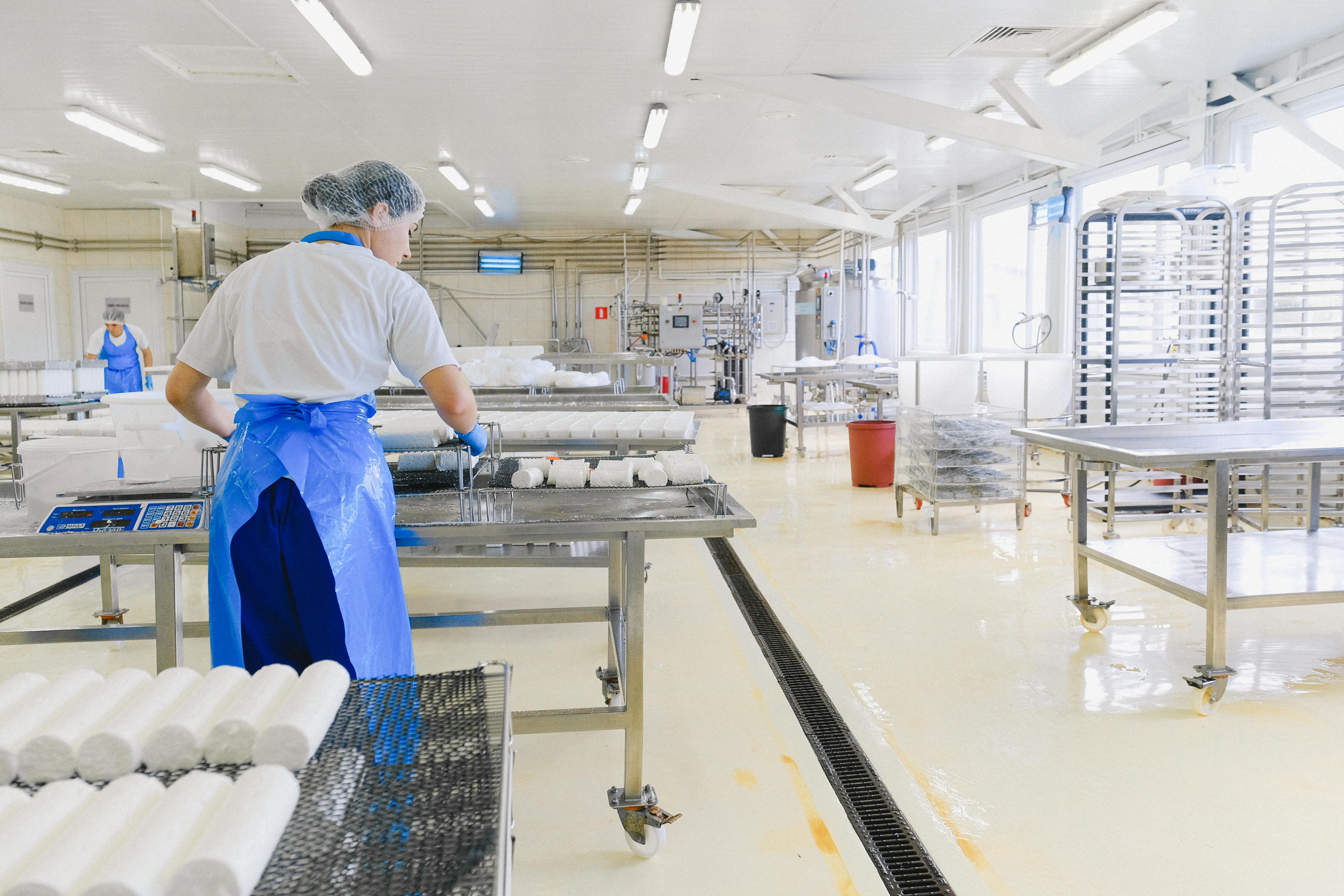
At first glance, dairy tariffs can sound like a niche dispute between governments and farm lobbies. In reality, they affect processors, retailers, restaurant operators, and families trying to understand why dairy prices in Canada often differ from those in the United States.
Processors depend on steady domestic milk supplies to plan investments in cheese plants, yogurt lines, and specialty products. When market access rules become a political flashpoint, companies face uncertainty over sourcing strategies, expansion plans, and long-term contract pricing.
Farm groups argue that weakening the tariff wall would not simply create more choice. They say it could squeeze smaller producers, accelerate consolidation, and shift bargaining power toward larger multinational buyers that are better positioned to absorb volatility.
Critics counter that stronger import competition could pressure the system to become more efficient. But even that argument comes with trade-offs, because dairy is not just an industrial input in Canada. It is also the economic backbone of many rural communities in Quebec, Ontario, and Atlantic Canada.
Prairie drought signals another difficult growing season
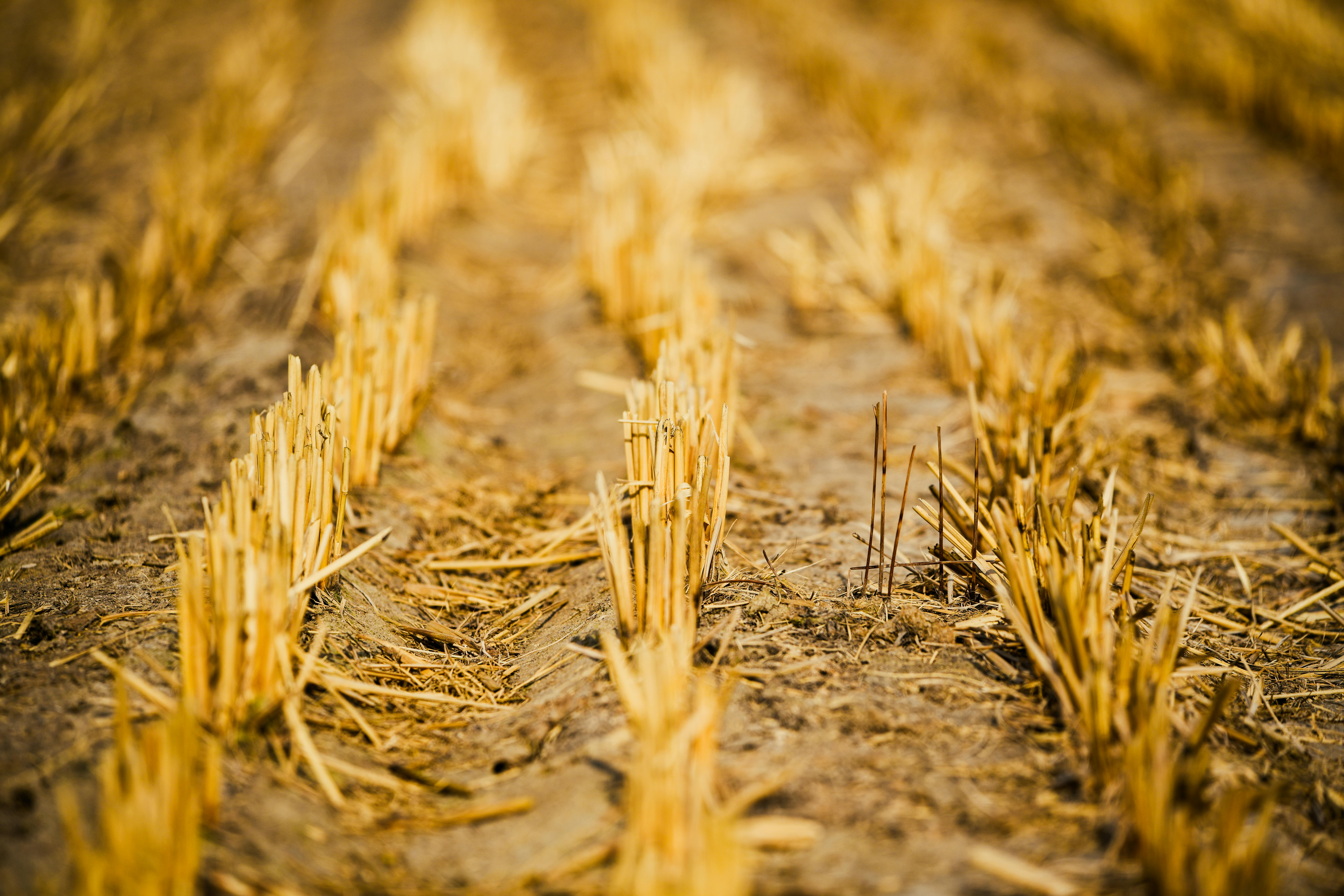
Weather is now one of the most important food stories in Canada, and the Prairies are proving why. Drought conditions have expanded across parts of Alberta, Saskatchewan, and Manitoba, raising concern over grain yields, pasture quality, and water availability for livestock.
A dry Prairie season does not only hurt one crop. It can affect wheat, canola, barley, oats, and feed supplies all at once, creating a chain reaction that touches flour mills, meat producers, export terminals, and ultimately grocery bills.
What makes this year especially troubling is the cumulative effect. Many producers are not recovering from a single dry spell, but from repeated moisture deficits, stressed subsoil reserves, and rising heat pressure that reduce resilience before peak summer even arrives.
Agronomists often note that timing matters as much as totals. A few scattered rains may improve surface conditions, but they do not necessarily restore yield potential if germination, tillering, or flowering stages have already been compromised.
Drought on the Prairies reaches far beyond crop fields
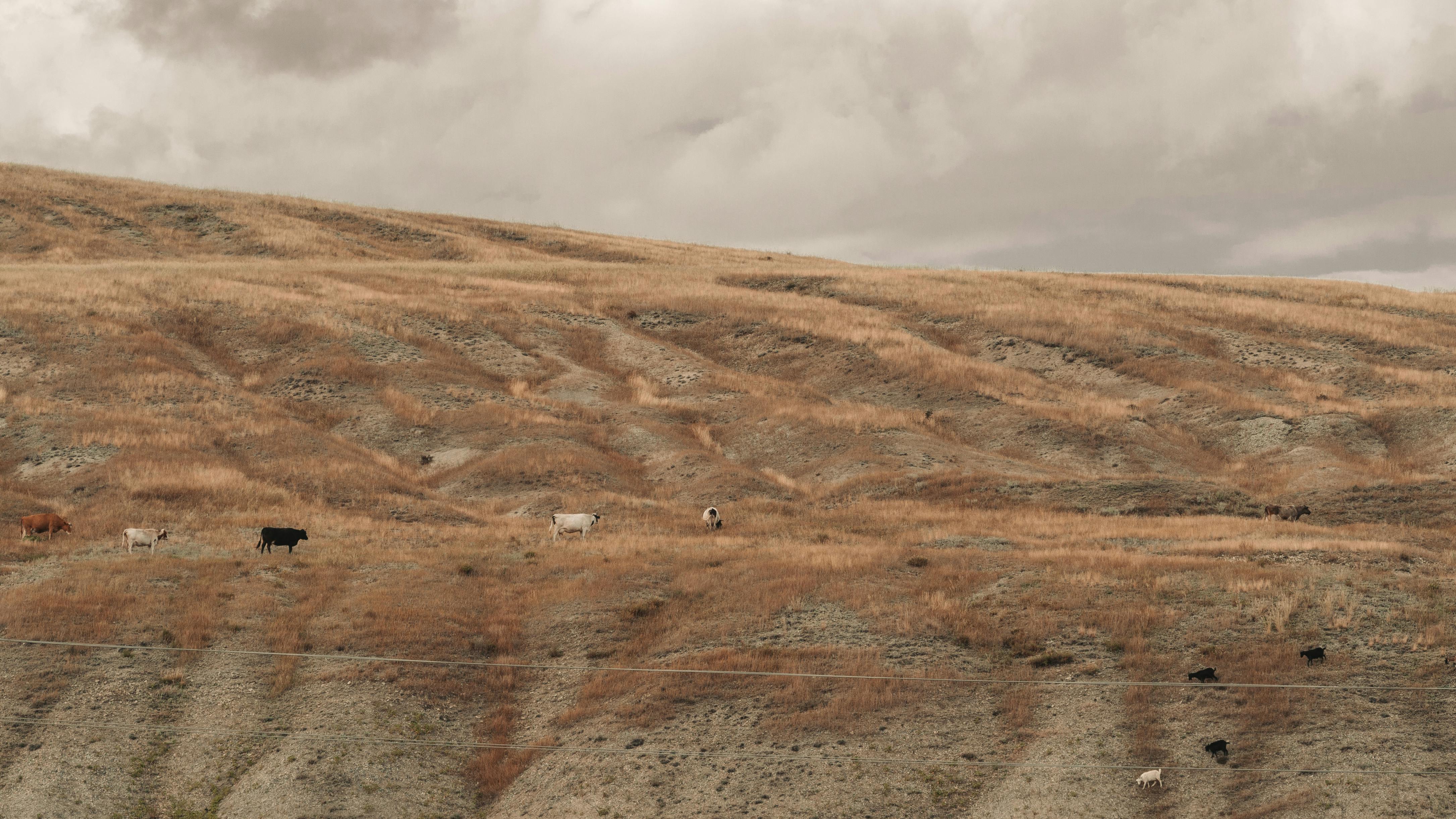
The clearest image of drought is usually a cracked field, but the economic damage spreads much wider. Ranchers face weaker pasture growth, forcing them to buy supplemental feed earlier or reduce herd sizes if hay production and dugout levels deteriorate.
That has direct implications for beef and dairy input costs. When feed becomes scarce, the price of maintaining animals rises, and those pressures can carry through the supply chain in ways consumers notice months later rather than immediately.
Rail logistics can also become more complicated in lean crop years. Lower volumes may alter shipping patterns, while localized quality issues can create sorting and grading challenges for exporters trying to meet contract specifications in world markets.
For Prairie communities, drought is also a financial stress test. Farm income volatility affects equipment dealers, seed suppliers, local lenders, and small-town businesses that depend on a healthy harvest to keep money circulating through the regional economy.
A $10,000 fine sends a message on misleading food prices
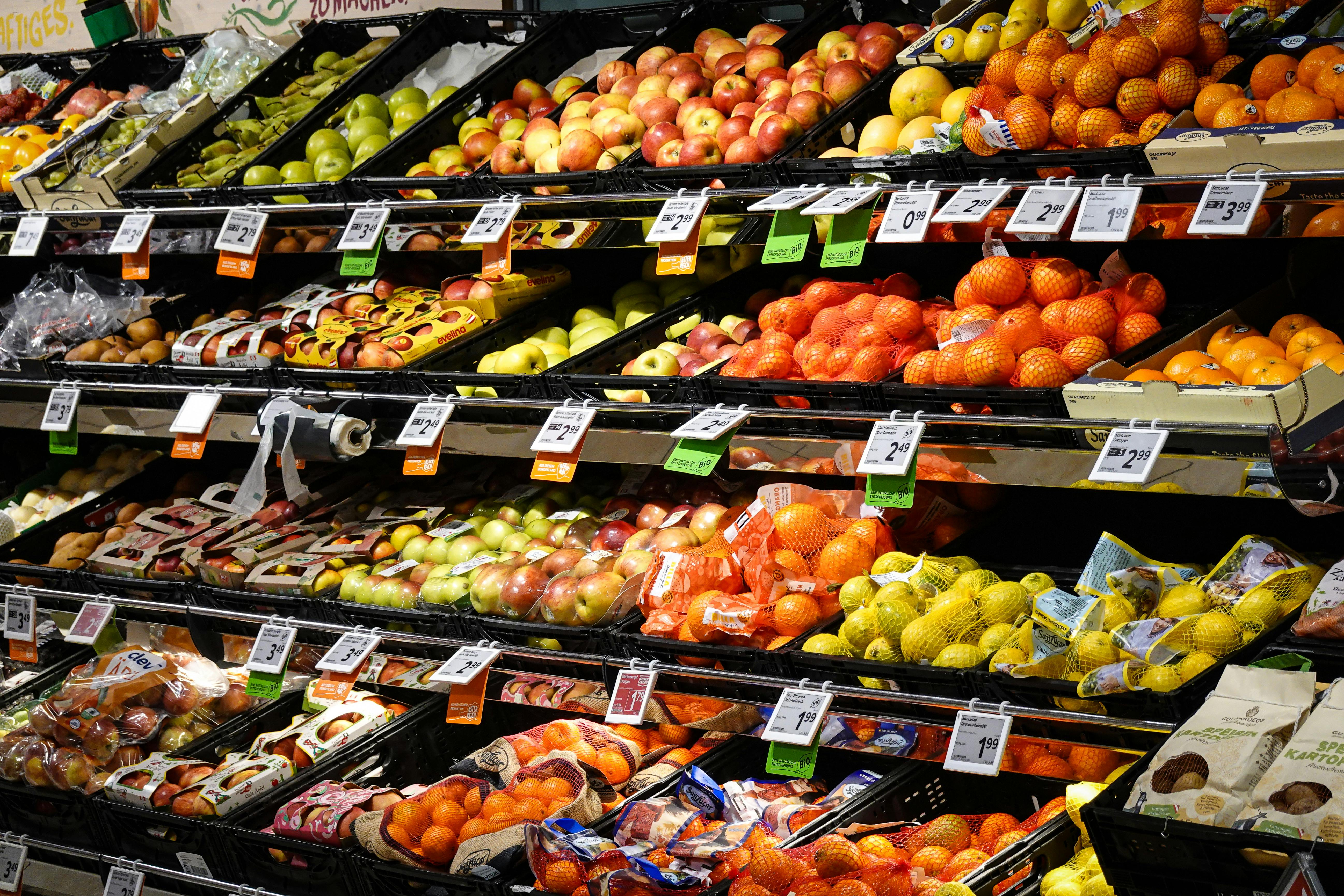
The third major development this week came from retail enforcement, where a business was hit with a $10,000 fine over misleading prices. That may sound modest beside corporate revenues, but the significance lies in the warning it sends across the grocery and food retail sector.
Misleading pricing can take several forms: scanner prices higher than shelf tags, promotional wording that obscures real conditions, or advertised discounts that do not match what shoppers are actually charged at checkout. Regulators treat these cases seriously because they strike directly at consumer trust.
Food inflation has made the issue even more sensitive. When household budgets are stretched, small discrepancies matter more, and shoppers are quicker to notice patterns that suggest a deal was overstated or a posted price was not honored.
Enforcement actions also reinforce a simple principle: transparency is not optional. Retailers can compete aggressively on promotions, but pricing claims must be clear, accurate, and consistently applied from flyer to shelf to register.
What these three stories say about Canadian food right now

Taken together, this week's headlines reveal a food system being shaped by three hard forces: government protection, climate risk, and accountability at the checkout. None of them operates in isolation, and all three can influence what Canadians pay and what producers can realistically sustain.
Dairy tariffs show that Ottawa still sees strategic value in insulating key farm sectors from global shocks. Prairie drought reminds everyone that no policy framework can fully shield agriculture from repeated environmental stress and changing seasonal patterns.
The misleading-pricing fine adds a different kind of pressure, this time on the final point of contact between the food system and the public. If shoppers are asked to absorb higher costs, regulators are signaling that the least retailers can provide is honesty.
The broader lesson is straightforward. Food policy is no longer just about farming. It is about resilience, fairness, and whether the rules governing production, trade, and pricing still hold up under growing economic and climate strain.




Leave a Reply