
Blueberries have a healthy reputation for good reason. But for some people, that small bowl can come with complications that are easy to miss.
Blueberries are not automatically harmless
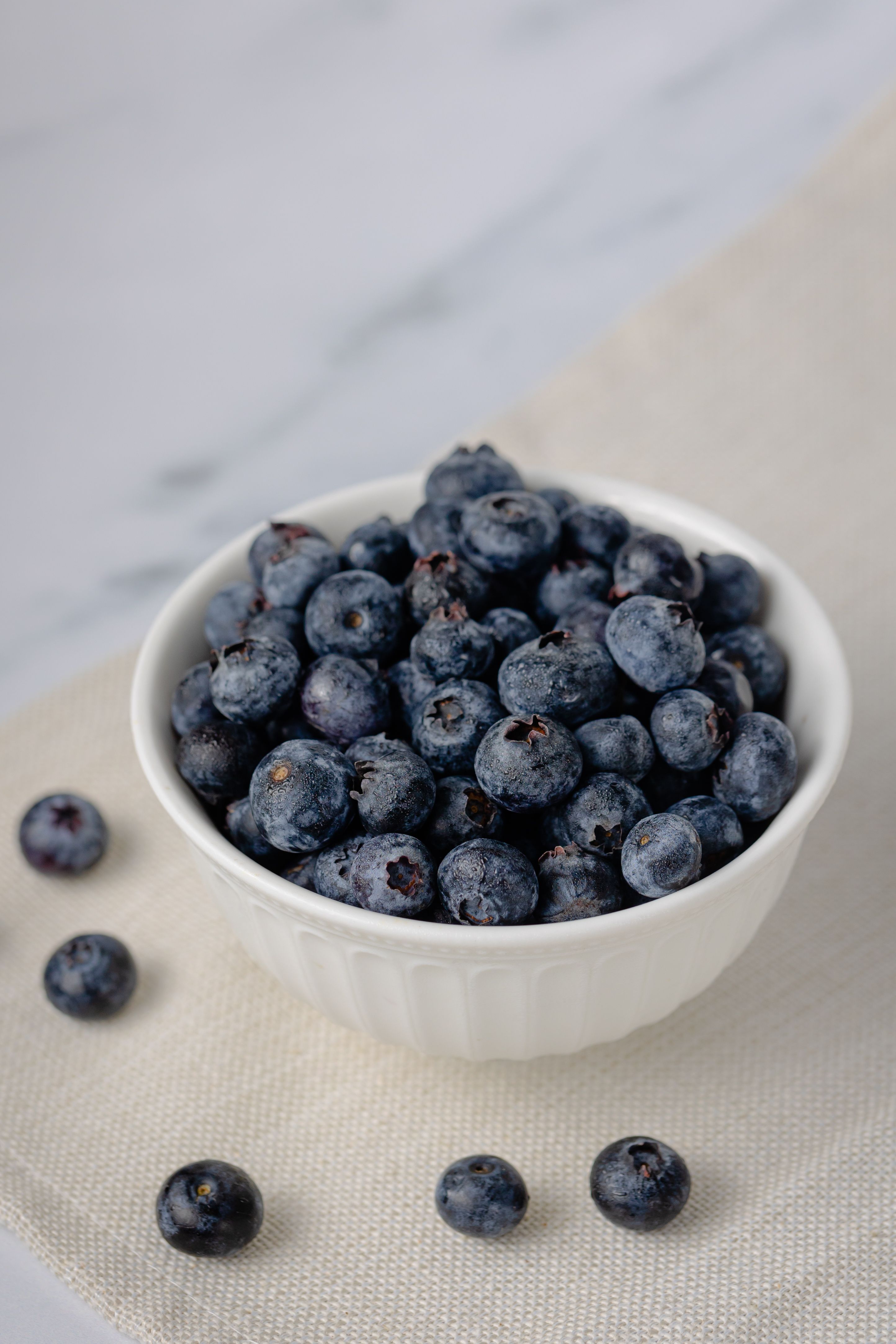
Blueberries are rich in fiber, vitamin C, manganese, and plant compounds called anthocyanins. Those pigments are part of the reason blueberries are often linked to heart and brain benefits in nutrition research. A 2024 wave of diet reporting continued to highlight berries as a smart everyday fruit.
Still, "healthy" does not mean "risk-free" for every person in every situation. Portion size, medical history, medications, and even how the berries are prepared can change the picture. Fresh, frozen, dried, and sweetened blueberry products do not affect the body in the same way.
That is why nutrition experts usually look beyond a food's reputation. They ask who is eating it, how much, and what else is going on medically. For most people, blueberries are a strong choice, but three groups may need to be more careful than the average eater.
Group 1: People taking blood-thinning medication
For people on blood thinners, diet consistency matters more than many realize. Warfarin, in particular, can be affected by fluctuations in vitamin K intake, and patients are often told to avoid sudden dietary swings. Blueberries are not among the highest vitamin K foods, but they still raise questions because berry-heavy diets can shift nutrient patterns overall.
There is also a broader concern about food and supplement interactions in people using anticoagulants. Some clinicians advise patients to be cautious with concentrated fruit products, extracts, and "superfood" powders because they may deliver compounds in amounts far above what a normal serving provides. That is very different from casually eating a few berries with breakfast.
In real life, the issue is usually not that blueberries are forbidden. It is that people on warfarin should keep intake steady and discuss major diet changes with their care team. If someone suddenly starts eating large daily servings, drinking blueberry smoothies, or adding berry supplements, closer monitoring of clotting levels may be sensible.
Group 2: People with sensitive digestion or IBS
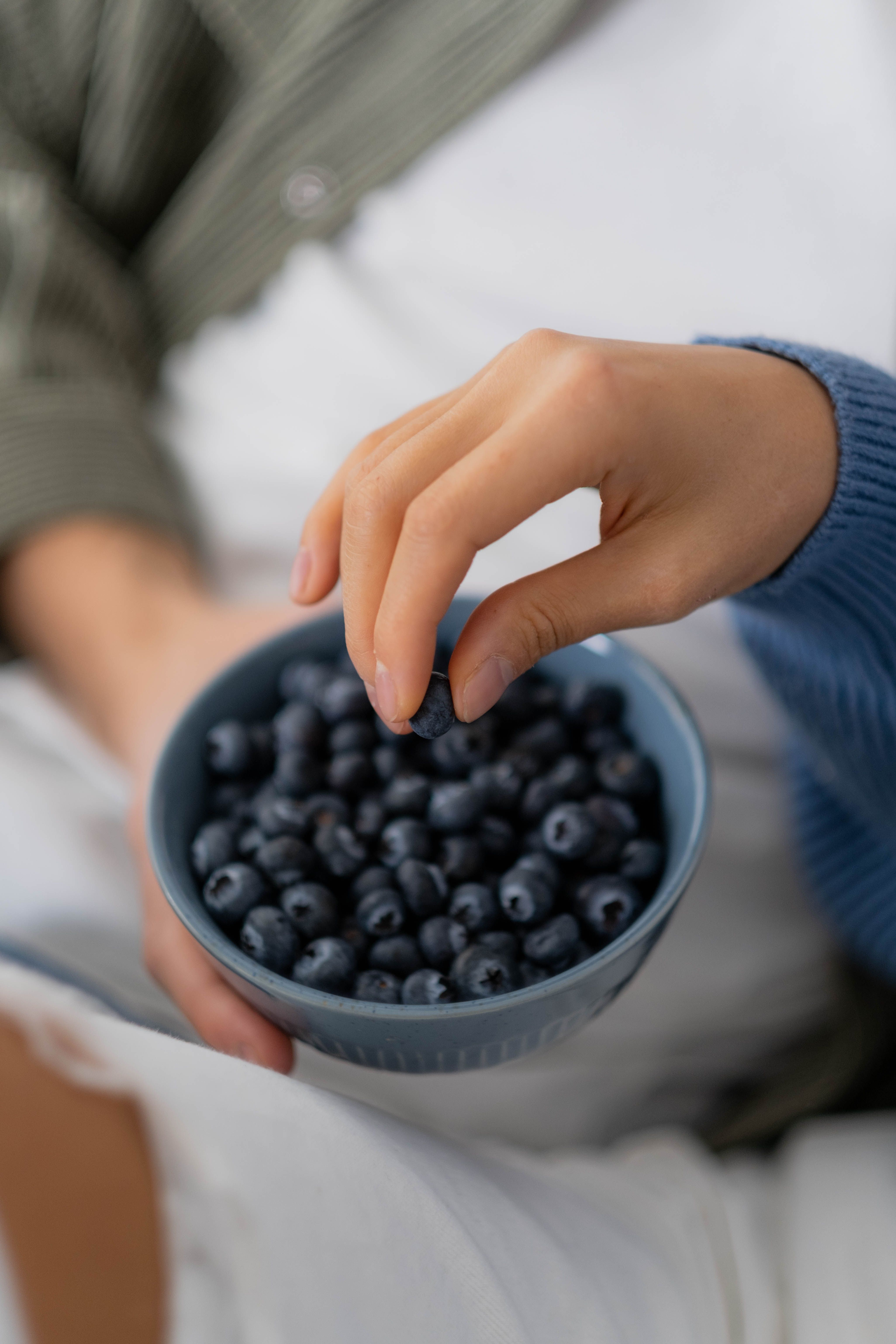
A bowl of blueberries can also be troublesome for people with irritable bowel syndrome or generally sensitive digestion. Blueberries contain fiber, which is beneficial for many people, but fiber can trigger bloating, cramping, or urgent bathroom trips in those with reactive guts. The dose often makes the difference.
Many people with IBS tolerate small portions well, especially when berries are eaten slowly and paired with other foods. But a large serving, especially on an empty stomach, may be a different story. Frozen berries in a smoothie can also be easy to overconsume without noticing.
Another issue is what comes with the blueberries. Yogurt parfaits, granola bowls, and sweetened dried berries may add lactose, sugar alcohols, or extra sugars that worsen symptoms. In those cases, the person may blame blueberries when the real trigger is the entire combination.
Group 3: People managing diabetes or blood sugar swings

Blueberries are often recommended as a smarter fruit choice because they contain fiber and tend to have a lower glycemic impact than many processed snacks. That advice is generally sound. But even nutritious fruit still contains carbohydrate, and that matters for people carefully managing blood sugar.
The challenge usually comes from portions and formats, not from the berries themselves. A modest serving of fresh blueberries is very different from a large smoothie, blueberry juice, sweetened dried berries, or blueberry muffins marketed as wholesome. Those products can deliver far more sugar than expected.
For people with diabetes, context is everything. Blood glucose response depends on total carbohydrate intake, medications, time of day, and what the fruit is eaten with. Pairing blueberries with protein or fat, such as unsweetened yogurt or nuts, may create a steadier response than eating a large bowl alone.
Preparation and food safety matter too
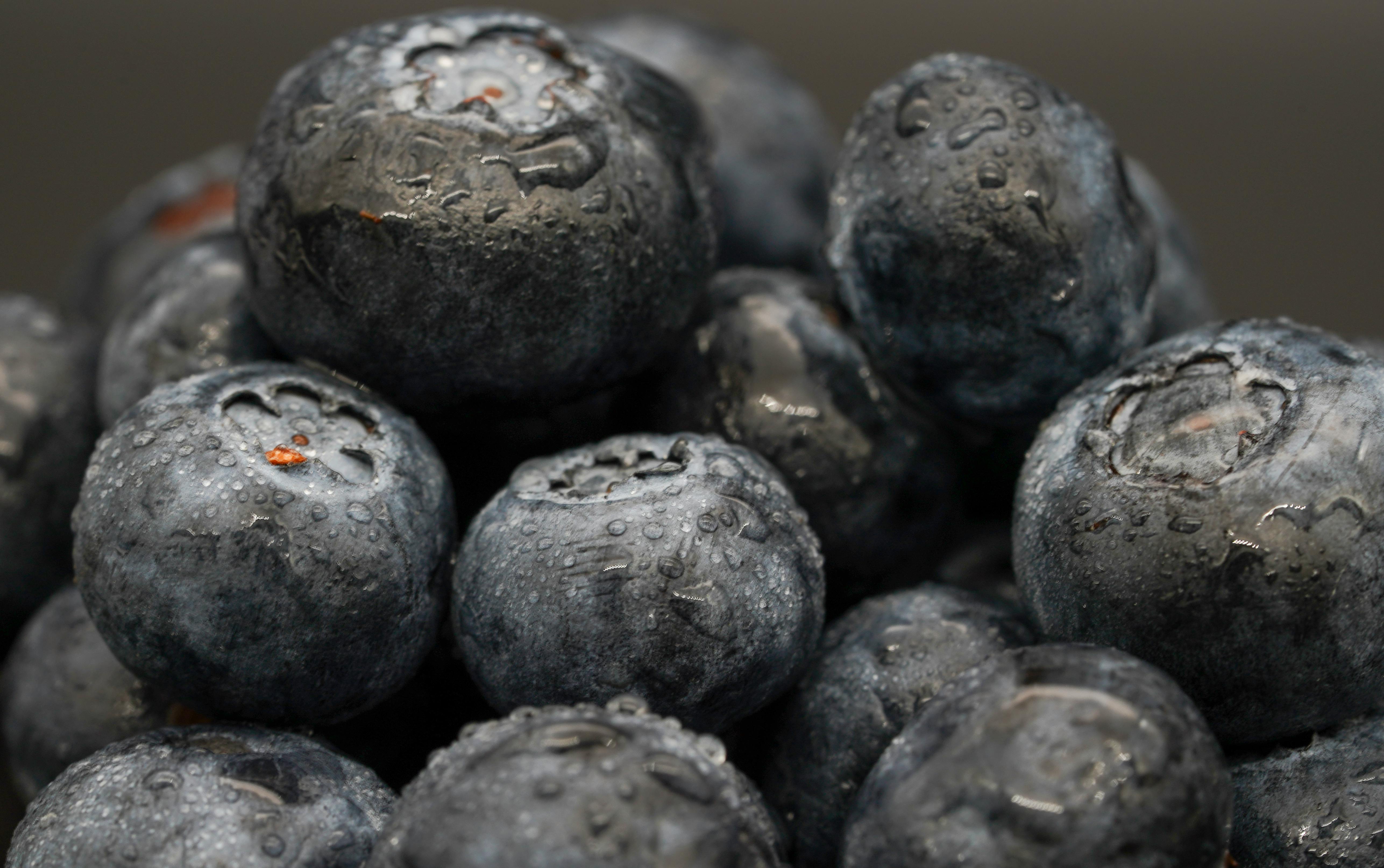
Even for the three groups above, the issue is not only nutrition. Blueberries are often eaten raw, which means washing matters. Like other fresh produce, they can carry residues, dirt, or harmful microbes if handled poorly somewhere between the field and the kitchen.
Older adults, pregnant people, and those with weakened immune systems are usually told to take food safety seriously. A contaminated batch of produce can cause much bigger problems in these groups than in healthy adults. Rinsing berries under running water and discarding damaged fruit are simple steps that reduce risk.
Storage also changes quality quickly. Soft berries can mold fast, and spoiled fruit may irritate the stomach even in people without chronic digestive issues. Buying reasonable amounts and refrigerating them promptly is one of the easiest ways to make a healthy food safer.
How to enjoy blueberries more safely
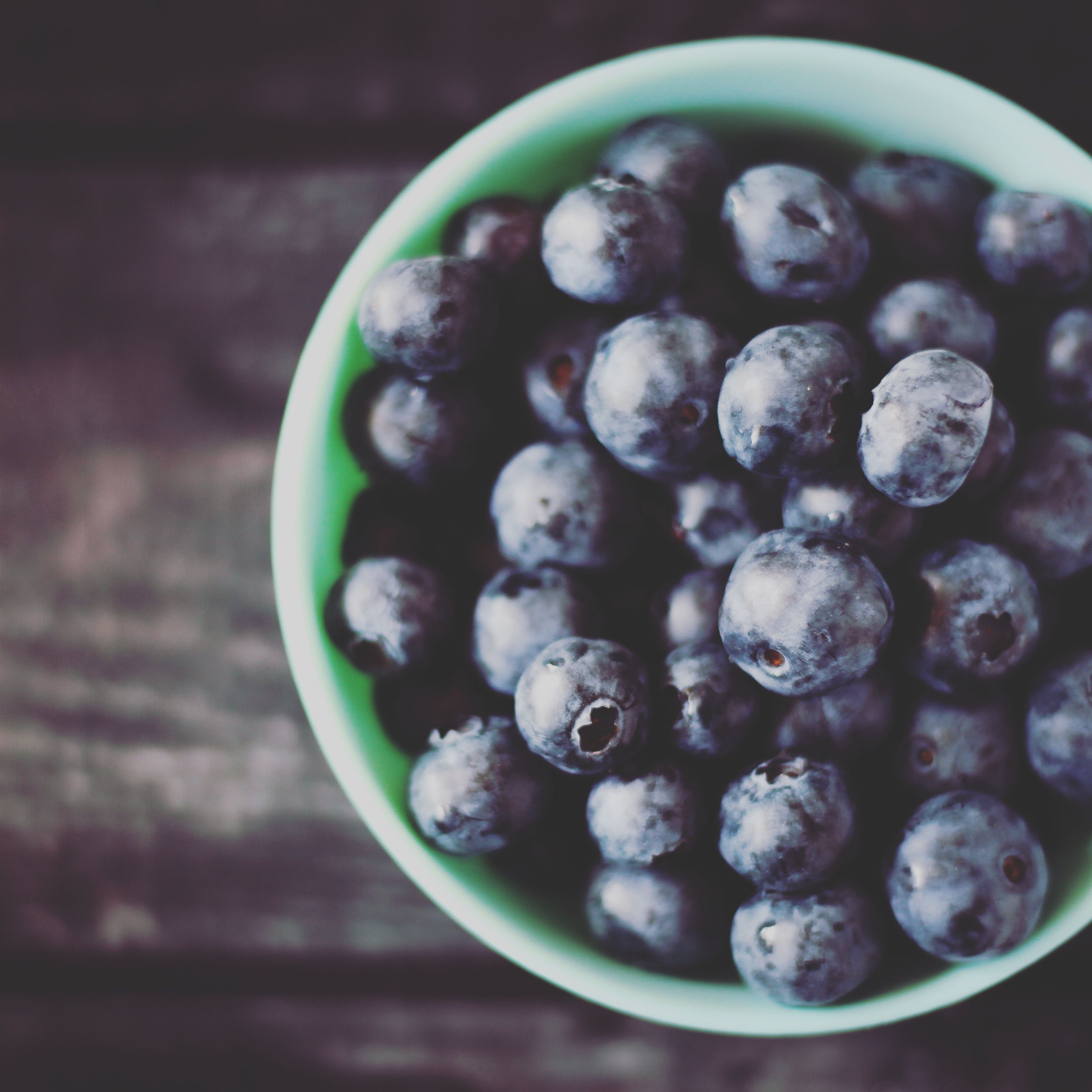
For most people, blueberries do not need to be avoided. They simply need to be matched to the person eating them. That means smaller trial portions for sensitive stomachs, carbohydrate awareness for people tracking glucose, and consistency for those taking certain medications.
It also helps to think beyond the berry itself. Sweetened blueberry products, oversized smoothies, and supplement powders can create a very different health effect from a simple fresh serving. Reading labels and noticing serving size can prevent a lot of confusion.
The safest approach is practical, not fearful. If blueberries seem to trigger symptoms or conflict with a treatment plan, bring that up with a doctor or registered dietitian. A bowl of blueberries can be an excellent habit, but for these three groups, it deserves a closer look.




Leave a Reply