
Sticker shock at the checkout may get worse before it gets better. Canada's 2026 food price outlook points to uneven pain, with four provinces expected to feel it most.
Why these four provinces stand out
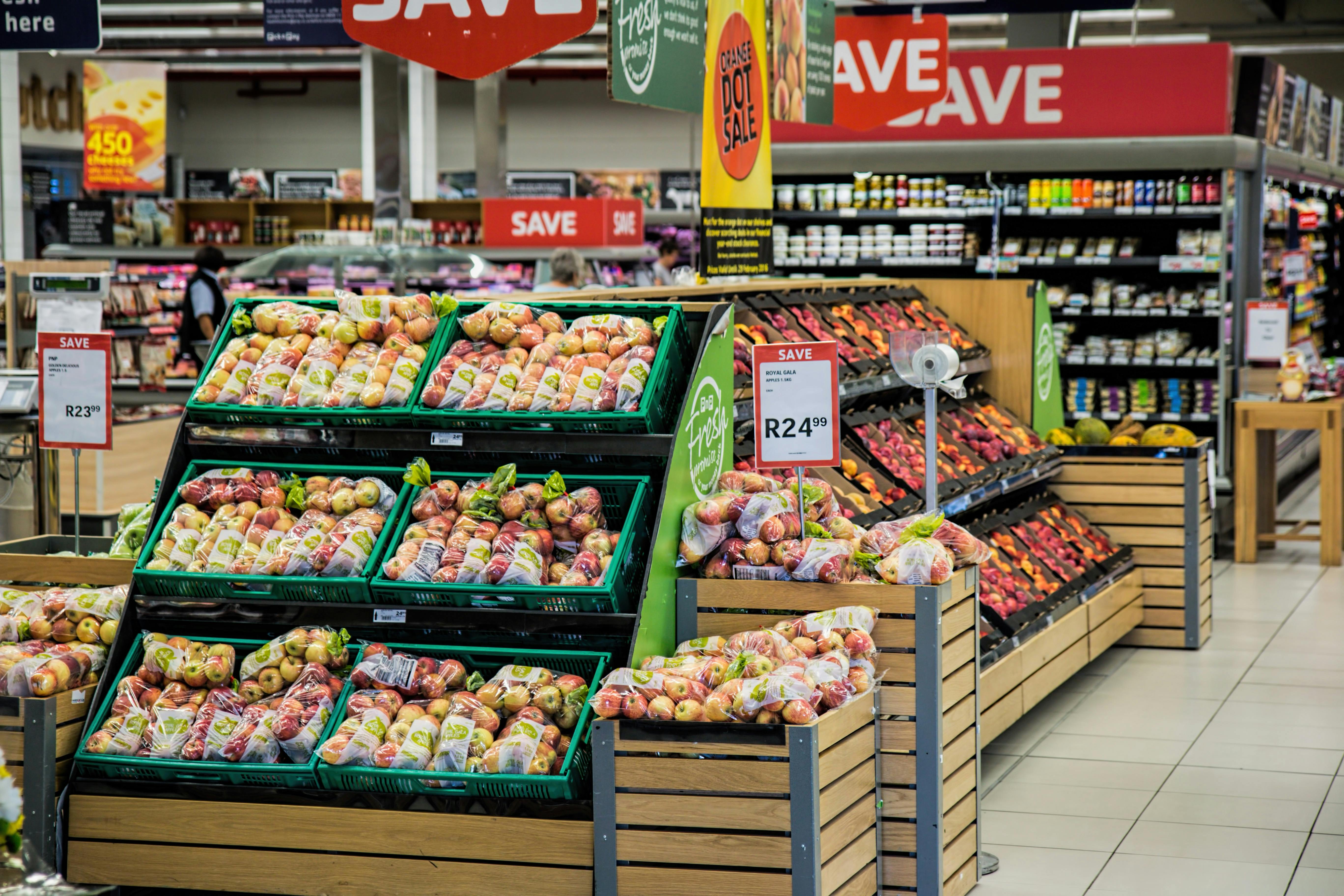
What makes Alberta, Nova Scotia, Prince Edward Island, and Quebec different is not one single factor. It is the way transportation, local production limits, import dependence, and consumer demand overlap in each market. When several cost pressures hit at once, retailers and suppliers have less room to absorb them.
Food price forecasts in Canada are usually shaped by farm input costs, exchange rates, weather patterns, labour expenses, and shipping. Provinces with long supply lines or more fragile distribution networks often see price spikes first. That is especially true when trucking, fuel, or refrigeration costs rise together.
These four provinces also represent very different food economies. Alberta is exposed to beef, feed, and freight volatility. Nova Scotia and PEI face high transportation costs tied to geography. Quebec has a large, diverse market, but also major sensitivity to labour, dairy, and fresh produce pricing.
Alberta faces pressure from meat, feed, and freight
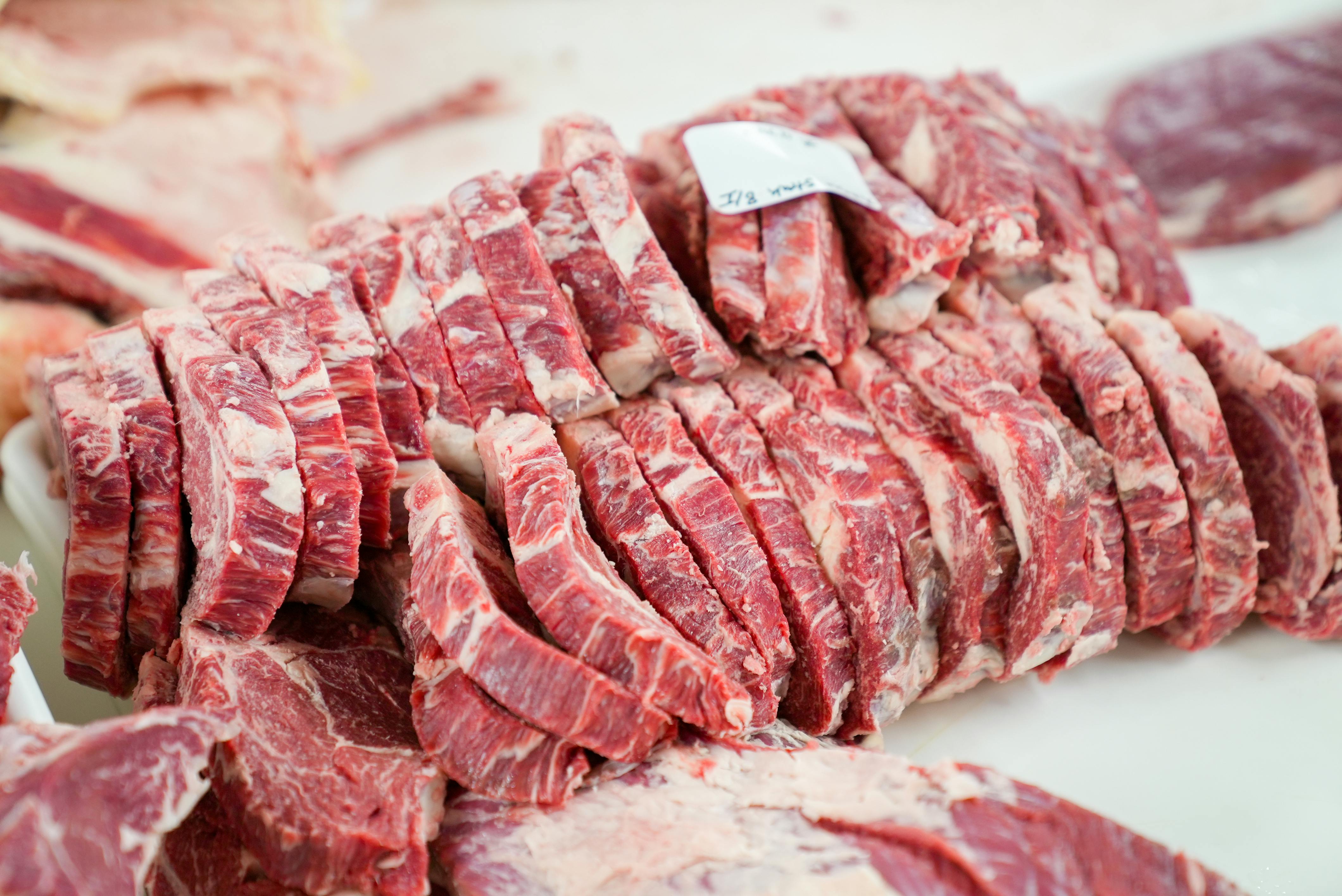
Alberta may surprise some shoppers because it is a major agricultural province. Yet being a food producer does not shield consumers from higher grocery bills. A province can grow and raise a great deal while still facing rising costs in processing, packaging, transport, and retail operations.
Beef is a key example. If feed costs climb because of drought, poor crop yields, or global grain volatility, that pressure works its way through the supply chain. Ranchers, processors, wholesalers, and grocers all face tighter margins, and consumers eventually see it in higher meat prices.
Freight is another major issue. Alberta depends heavily on trucking corridors to move food in and out of the province, especially for produce and imported goods. When fuel prices, insurance, and driver wages increase, shelf prices respond quickly, particularly for perishable items that require fast, temperature-controlled delivery.
Atlantic provinces feel the geography tax
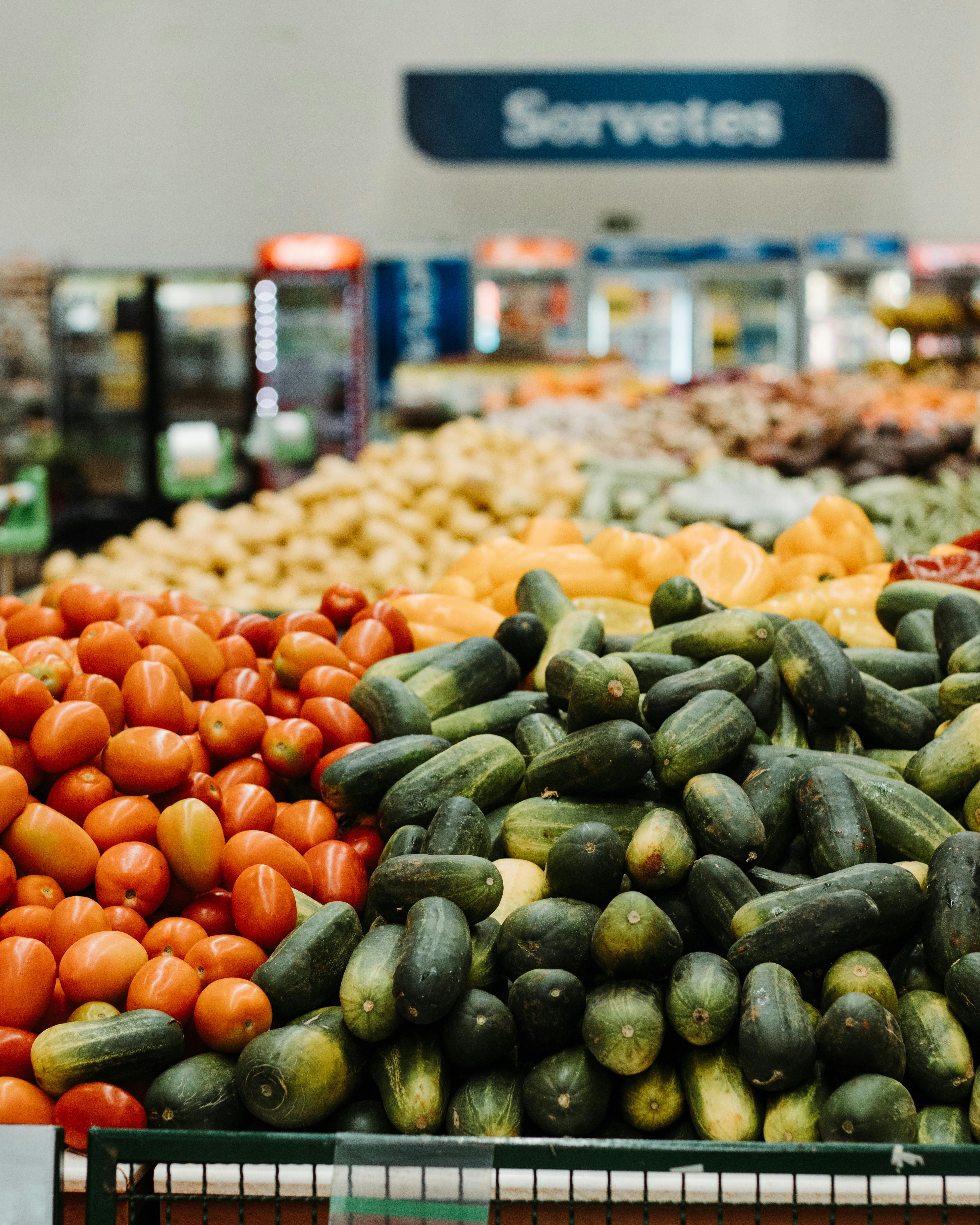
In Nova Scotia and Prince Edward Island, food inflation often carries an extra burden: geography. These provinces depend on goods arriving by ferry links, long-haul trucking, and complex distribution routes. That adds cost at every stage, from warehouse handling to the final trip to local stores.
Fresh produce is especially vulnerable. Items like lettuce, berries, peppers, and cucumbers can cost more simply because they travel farther and spoil faster. If weather disrupts roads or port activity, or if fuel spikes during peak shipping periods, prices can rise sharply and remain elevated for longer.
PEI's smaller population also matters. A smaller retail base can mean less competition and less purchasing power than larger provinces enjoy. Nova Scotia, while bigger, still faces the challenge of serving urban and rural communities spread across a coastal geography that raises delivery costs for many staples.
Quebec's large market still carries big vulnerabilities
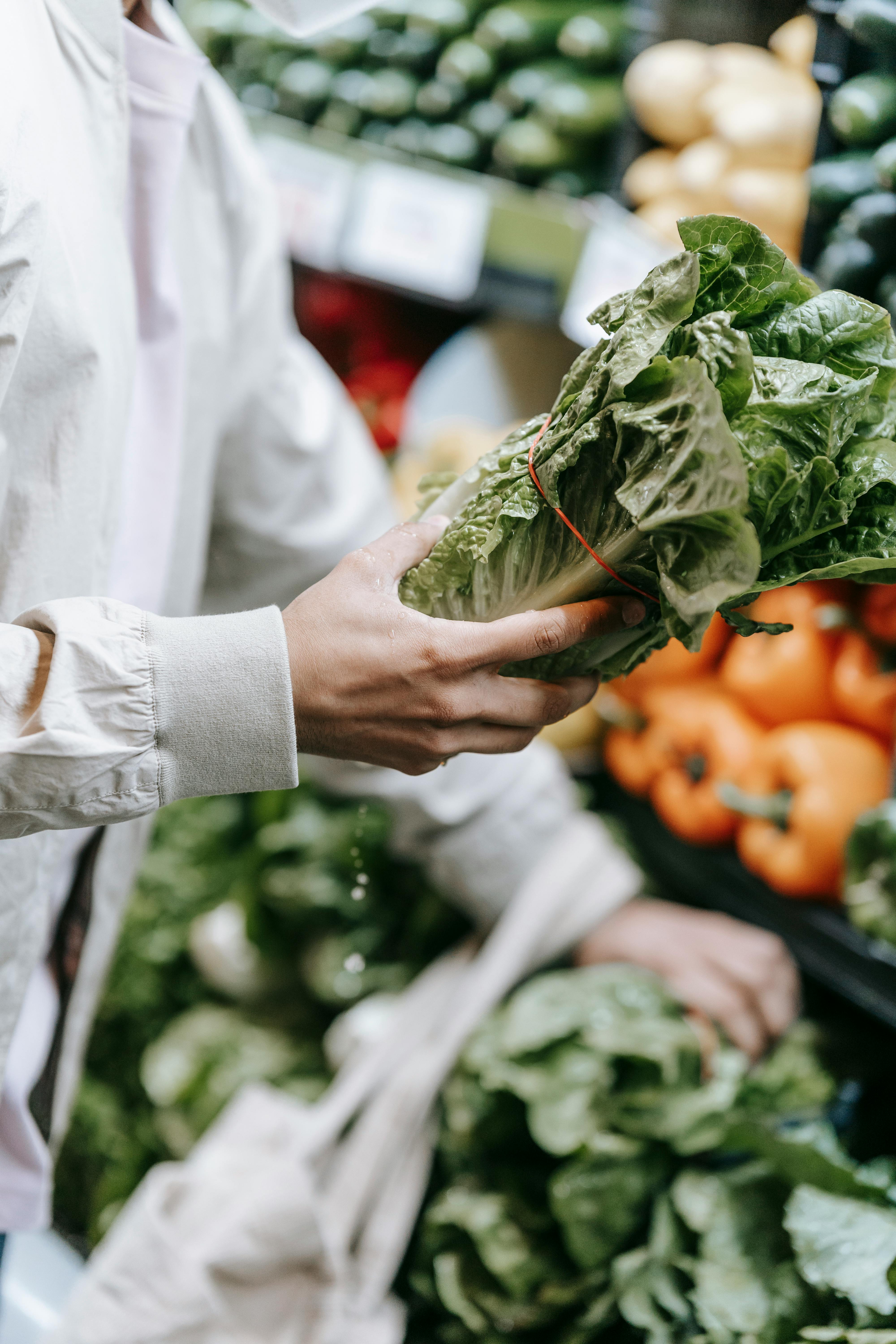
Quebec has one of Canada's biggest grocery markets, but size does not guarantee stability. In fact, a large and diverse consumer base can amplify pricing pressures when demand remains strong and suppliers face rising costs. Food service, retail, and processing all compete for labour and inventory.
Dairy, bakery, and prepared foods are areas to watch. Quebec's food culture supports high demand for fresh and specialty products, but those categories are labour-intensive and energy-dependent. If wages, rent, refrigeration, and packaging costs continue rising, stores may pass on those increases more quickly.
Produce is another pressure point. Much of Quebec's fresh fruit and vegetable supply still depends on imports for large parts of the year. A weaker Canadian dollar, extreme weather in growing regions, or higher border logistics costs can all push everyday grocery bills higher across the province.
The wider forces driving 2026 grocery inflation
The bigger story is that grocery inflation is no longer driven by one shock at a time. Climate extremes, animal disease risks, wage growth, global shipping disruptions, and currency swings can now stack on top of each other. That makes forecasting more difficult and household budgeting more stressful.
Weather remains one of the most powerful variables. Drought on the Prairies, flooding in Atlantic Canada, or poor harvests in California and Mexico can all affect what lands in Canadian stores. When supply shrinks and demand stays steady, prices for basics such as vegetables, grains, and proteins often rise fast.
Consumers should also watch the less visible costs behind a food item. Processing plants face equipment, energy, sanitation, and staffing expenses. Retailers contend with refrigeration, shrink, and rent. Those costs do not attract headlines like crop failures do, but they often determine how persistent food inflation becomes.
What households can expect and how they may respond

The likely effect in 2026 is not just higher totals at checkout, but more uneven pricing from week to week. Shoppers in the hardest-hit provinces may notice sharper swings in meat, dairy, produce, and pantry staples. That unpredictability can make meal planning and budgeting much harder for families.
Households usually adapt in practical ways. They shift toward frozen or store-brand items, buy proteins on promotion, and substitute seasonal produce for imported options. Economists and consumer advocates often note that these changes can soften the blow, but they do not remove the underlying affordability problem.
For policymakers and retailers, the forecast is a warning sign. Investments in regional food infrastructure, cold storage, local greenhouse production, and transportation resilience could make a real difference over time. For now, Alberta, Nova Scotia, PEI, and Quebec appear most exposed to the next wave of food price strain.



Leave a Reply