
Grocery shoppers finally have some measurable good news. A fresh monthly pricing report shows that many everyday staples are now costing less at the checkout.
What the new grocery report actually found

At first glance, the headline is simple: 30 out of 45 commonly purchased grocery items were cheaper this month than last month. That is a meaningful shift because it suggests price relief is spreading beyond one or two categories and into the items households buy every week. For families watching every dollar, that kind of breadth matters more than a one-off discount on a luxury item.
The report tracks familiar staples rather than niche products. Think milk, eggs, bread, chicken, bananas, ground beef, rice, pasta, cheese, lettuce, tomatoes, and cereal. By focusing on high-frequency purchases, the data gives a clearer picture of what people are likely to feel in real life, not just what shows up in a broad inflation average.
What stands out most is not just the number of items that fell, but the mix. Produce, dairy, and several pantry goods all contributed to the decline. That pattern usually points to improving supply conditions, better transportation flow, and less intense cost pressure at multiple points in the food chain.
The biggest price drops were in produce and dairy
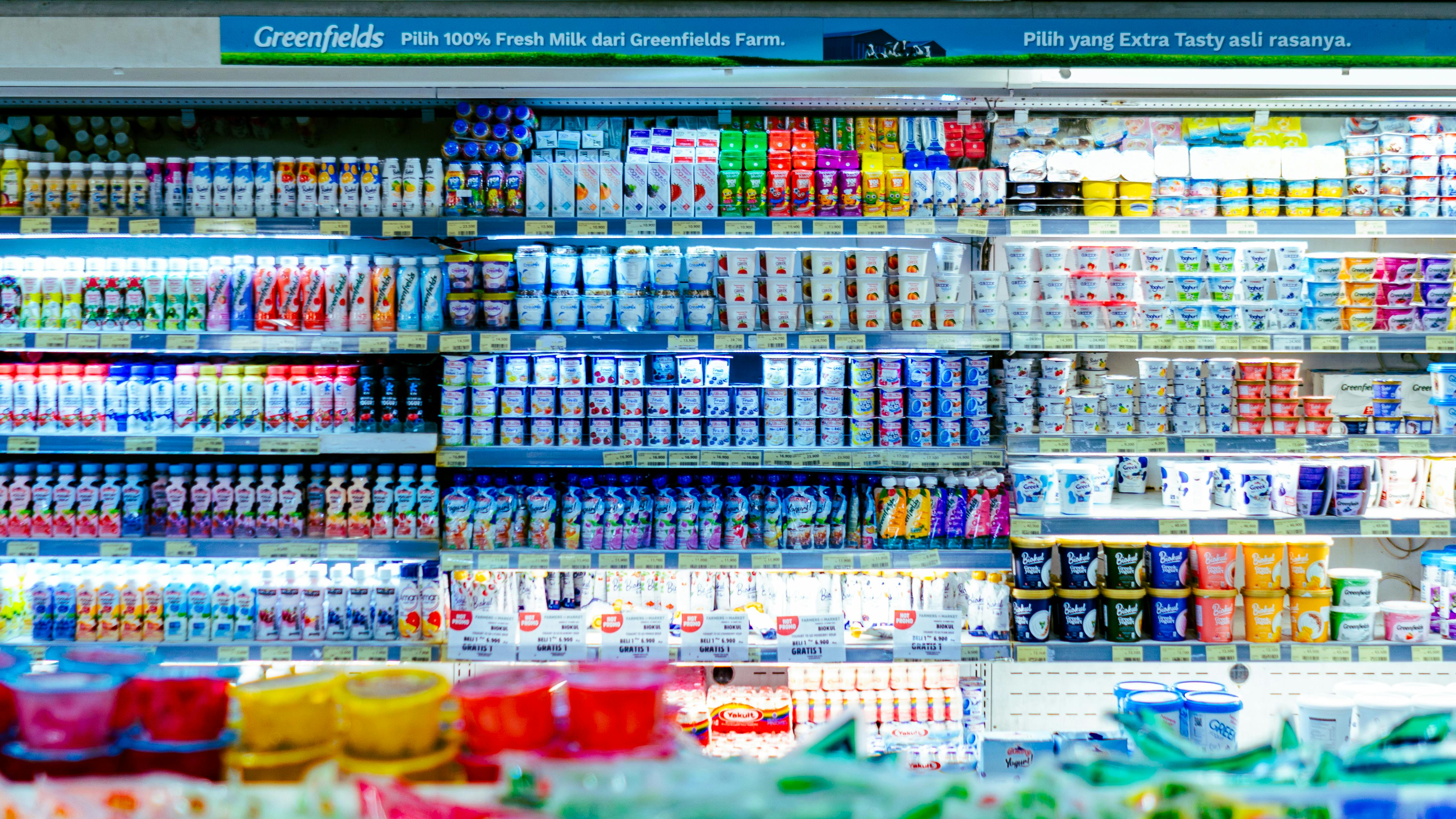
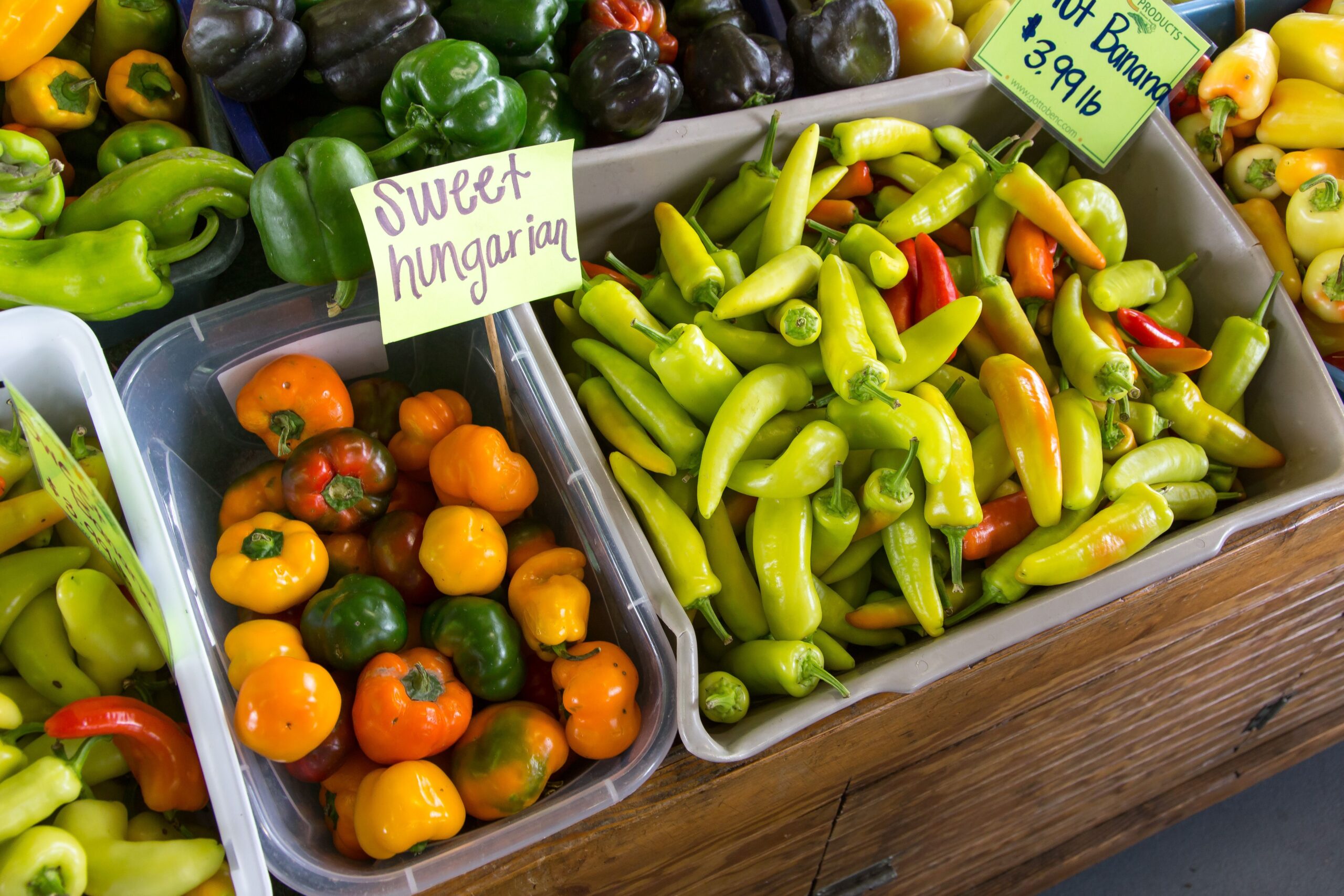
Fresh food often shows the fastest month-to-month changes, and this report followed that pattern. Several fruits and vegetables posted noticeable declines, helped by improved harvest volumes, steadier weather in key growing regions, and fewer shipping bottlenecks. Items like bananas, lettuce, tomatoes, onions, and potatoes are often among the first to reflect these shifts.
Dairy also helped pull the basket lower. Milk, shredded cheese, butter, and yogurt saw softer pricing in many stores, reflecting better milk supply and more stable feed and energy costs than earlier spikes. When processors face less volatility, shelves tend to show it quickly, especially on widely promoted basics.
For shoppers, these categories matter because they are purchased repeatedly. A small drop on one tomato or one gallon of milk may not seem dramatic, but repeated over weekly trips, the savings add up. That is particularly true for larger households, where fresh produce and dairy can account for a major share of the food budget.
Pantry basics and proteins also offered relief

One encouraging detail in the report is that lower prices were not limited to perishables. Pantry staples such as rice, pasta, flour, peanut butter, and some canned goods also moved down, suggesting retailers are gradually passing through lower wholesale and freight costs. These products tend to have longer shelf lives, so price changes can take more time to reach consumers.
Several proteins were also cheaper this month. Chicken breasts, pork chops, deli turkey, and some frozen seafood categories saw lower average prices, while egg prices remained more stable than in past swings. Better feed conditions, more predictable processing capacity, and easing transportation expenses likely played a role.
Still, protein pricing remains uneven. Ground beef and certain steak cuts continue to face pressure from herd size constraints and higher cattle costs. That means shoppers may notice a split market: chicken and pork offering more value, while beef remains one of the tougher categories for budget-conscious households.
The 15 items that did not get cheaper still matter

Not every aisle is offering relief. The 15 items that stayed flat or rose in price are just as important because they shape how shoppers experience the total bill. Even if more products fell than rose, a jump in heavily used staples can still offset savings elsewhere.
Coffee is one category that often remains vulnerable due to weather disruptions in producing countries and ongoing global shipping costs. Sugar, orange juice, and some snack products can also stay elevated when crop issues, packaging costs, or commodity swings feed into retail pricing. These categories are especially sensitive to international market shifts.
Household behavior matters here too. If a family buys a lot of the items that rose, they may not feel much relief despite the headline. That is why basket-level averages should be read carefully. The broad trend is improving, but individual shopping experiences can still vary widely based on diet, brand preference, and region.
Why prices are easing now
The short answer is that some of the cost shocks that pushed food prices higher over the past few years have cooled. Fuel is not surging the way it once did, shipping networks are running more smoothly, and labor shortages are less disruptive in parts of the food system. Those improvements reduce pressure from farm to warehouse to store shelf.
Retail competition is another factor. Supermarkets, warehouse clubs, and discount chains are all fighting harder for price-sensitive shoppers. When consumers pull back on discretionary spending, grocers tend to respond with sharper promotions, expanded private-label options, and more aggressive pricing on staples that drive store traffic.
Seasonality also deserves attention. Certain fruits, vegetables, and dairy products simply become cheaper at specific times of year due to stronger production and better availability. That does not guarantee a long-term decline, but it can create a meaningful short-term break for households trying to manage weekly food costs.
What shoppers should do with this information

The practical takeaway is not to assume every item in every store is cheaper. Instead, use the report as a guide to where savings are most likely showing up right now: produce, dairy, selected pantry goods, and some proteins. These are the categories worth checking first when building a weekly meal plan.
Shoppers can stretch the benefit further by comparing unit prices, mixing national brands with store brands, and buying discounted perishables only when they will actually be used. Stocking up on genuinely lower-cost staples such as pasta, rice, canned tomatoes, or frozen chicken can lock in savings without creating waste.
The broader picture is cautiously positive. A month in which 30 of 45 everyday grocery items got cheaper does not erase years of higher food costs, but it does signal real movement in the right direction. For consumers, that is not just a data point. It is a small but important shift in the cost of everyday life.




Leave a Reply