
The crowds came for the food, but many left talking about everything else.
What returned as Calgary's biggest food festival of the year felt less like a familiar annual celebration and more like a reset of what a modern food event can be.
A Festival That Now Feels Bigger Than a Weekend Out

At first glance, the festival still delivered what regulars expect: packed vendor rows, long tasting lines, chef demos, and an atmosphere built around indulgence. Calgary's major food gatherings have long thrived on that formula because it works. People want local restaurants, handheld bites, sweet treats, and a reason to spend a full day eating outdoors.
This year, however, the event felt broader in scope and more deliberate in design. Instead of acting only as a marketplace for samples, it operated more like a curated showcase of Calgary's food culture. Organizers appeared to lean into storytelling, presentation, and regional identity in a way that made the festival feel more layered.
That shift matters because Calgary's dining scene has changed quickly. Over the past several years, the city has become more confident in promoting not just its best-known restaurants but also its diversity, agricultural ties, and culinary talent. The festival reflected that evolution by framing food as part of a larger civic narrative.
The Unexpected Twist Was the Experience, Not Just the Menu

The surprise for many attendees was not a single headline dish or celebrity appearance. It was the way the festival asked people to participate differently. Instead of simply moving from booth to booth, guests encountered themed spaces, interactive elements, chef conversations, and experiences that encouraged them to slow down and engage.
That approach mirrors a broader trend across North American food festivals. Event planners increasingly know that people are no longer satisfied with passive attendance. They want memorable moments, behind-the-scenes access, and opportunities to understand how dishes are made, where ingredients come from, and why certain food traditions matter.
In Calgary, that translated into a more immersive atmosphere. A tasting became a lesson in local sourcing. A quick purchase became a conversation with a producer. For many visitors, the twist was realizing the event had become as much about connection and context as consumption.
Local Producers Took a More Visible Role
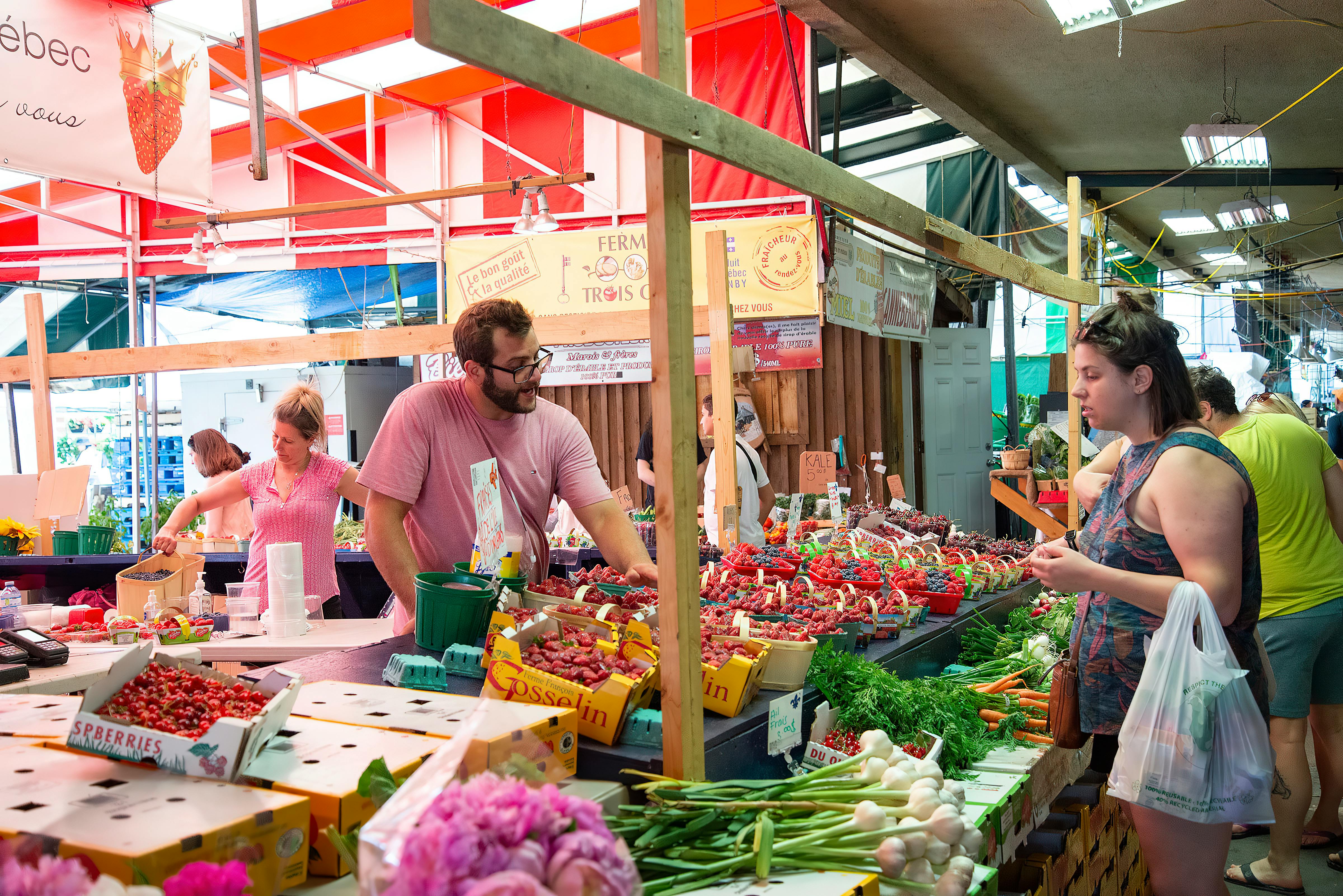
One of the clearest signs of change was the prominence of Alberta growers, ranchers, beverage makers, and specialty food businesses. Calgary has always benefited from proximity to strong agricultural regions, but festivals do not always spotlight that advantage effectively. This year, local supply chains seemed to move much closer to center stage.
That gave the event greater credibility. When chefs highlighted regional beef, greenhouse produce, honey, grains, or craft beverages, they were not simply using local as a marketing phrase. They were helping attendees understand how Alberta's food economy supports restaurant innovation and why local sourcing carries both economic and culinary value.
For consumers, this kind of visibility can change purchasing behavior. Food festivals often shape what people seek out later in grocery stores, farmers' markets, and restaurants. By elevating producers rather than treating them as background players, the festival strengthened the link between celebration and everyday food choices.
Calgary's Restaurant Scene Used the Festival as a Statement
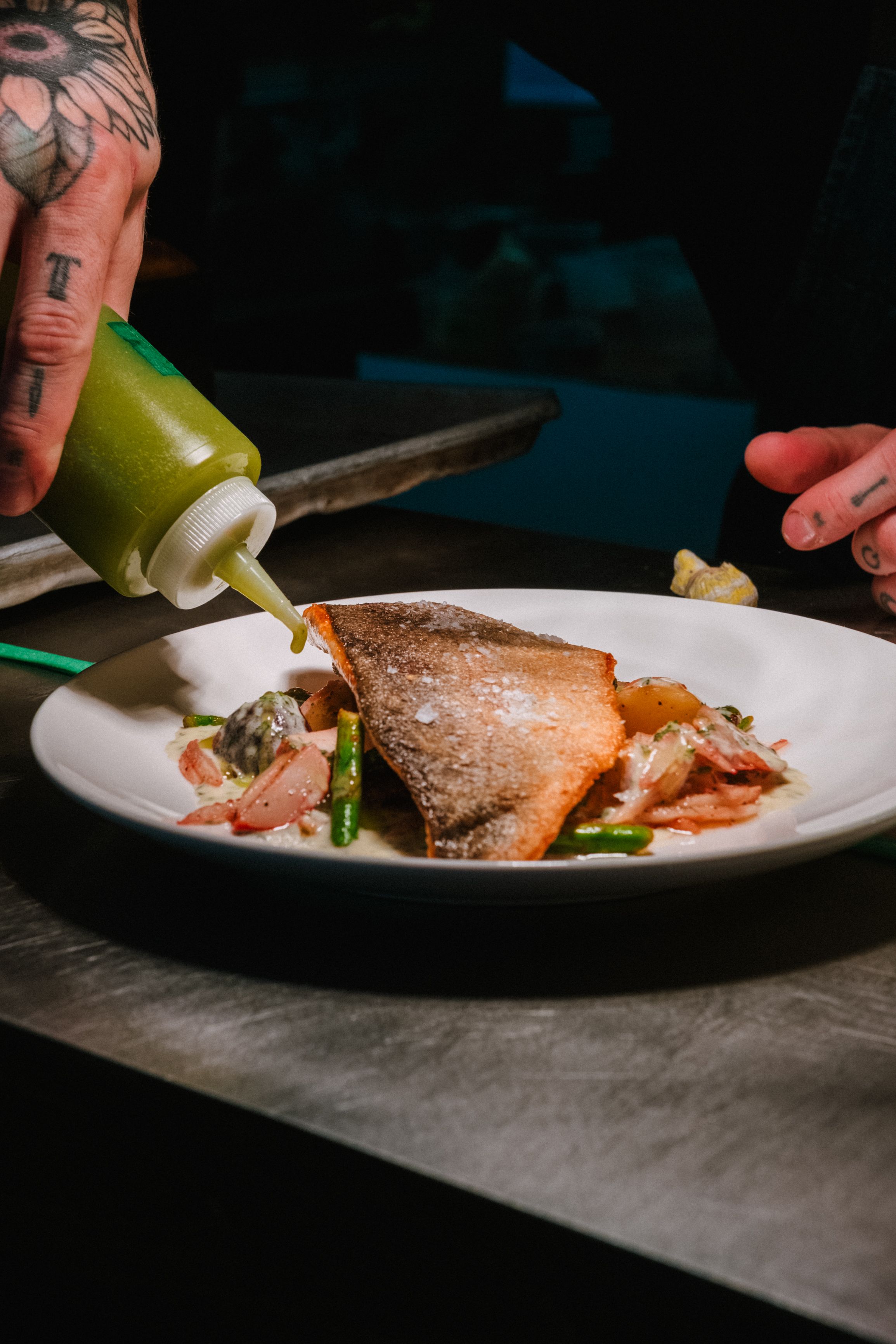
Another notable development was how restaurants appeared to treat the festival as more than a branding exercise. For many participants, it functioned as a statement of ambition. Menus were tighter, plating was sharper, and concepts often felt designed to show technique as much as crowd appeal.
That reflects the pressure and opportunity of Calgary's current restaurant climate. Rising costs, shifting consumer habits, and intense competition have pushed operators to be more strategic about public events. A major festival offers rare access to thousands of potential customers, media attention, and immediate feedback in a high-energy setting.
The smartest vendors seemed to understand that. They were not just selling a popular bite. They were introducing a point of view. Whether through regional fusion, heritage recipes, zero-waste ideas, or premium ingredients, many used the festival to communicate what sets them apart in a crowded market.
The Event Also Revealed Changing Consumer Expectations

One reason the festival's twist resonated is that audiences have changed. Diners now arrive with broader expectations around sustainability, dietary inclusivity, transparency, and value. A successful event can no longer rely only on excess and spectacle. It has to show awareness of how people actually eat and think.
That was visible in the range of offerings and in the language used around them. Plant-forward dishes, alcohol-free beverages, globally influenced menus, and ingredient-focused storytelling all pointed to a more informed public. Guests were not just asking what tastes good. They were asking what is local, what is ethical, and what feels new.
For Calgary, that is an encouraging sign. It suggests the city's food culture is maturing in a way that rewards quality and curiosity. Festivals become especially important in that environment because they give broad audiences a low-risk way to try unfamiliar ideas and discover emerging talent.
Why This Year's Return May Matter Beyond the Festival Grounds
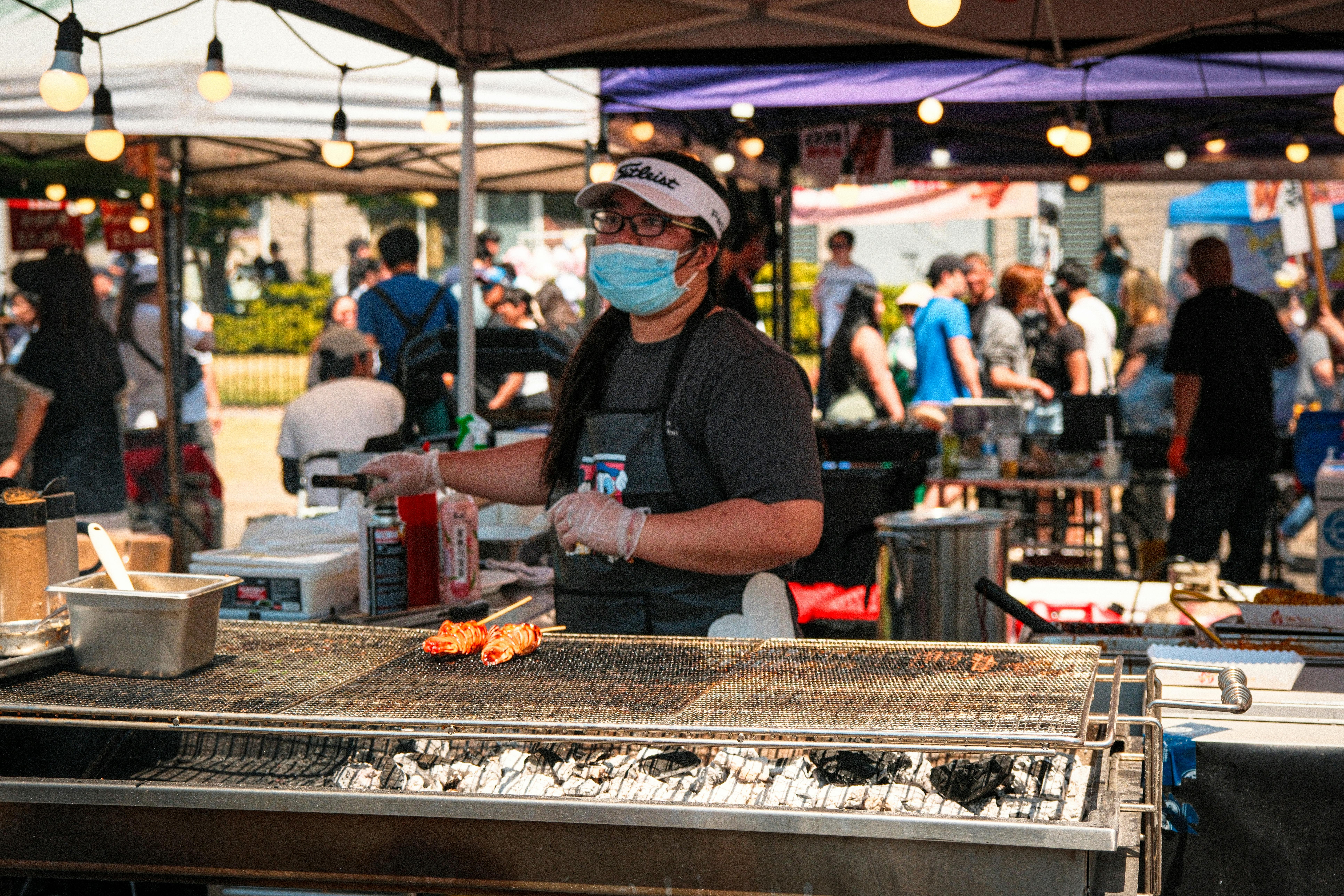
Big annual food events often fade once the tents come down, but this edition may have longer influence. It demonstrated that Calgary can support a festival model built around education, regional pride, and immersive design without losing the fun and accessibility that draw large crowds in the first place.
That has implications for tourism, hospitality, and local business development. A strong food festival helps shape how a city is perceived by visitors and investors alike. It signals confidence, creativity, and organizational maturity. In a competitive urban landscape, those signals matter more than many people realize.
The biggest takeaway is simple. Calgary's biggest food festival returned, but it did not come back unchanged. The unexpected twist was that it evolved from a busy tasting event into a sharper reflection of the city itself: diverse, ambitious, and increasingly sure of what it wants to serve.



Leave a Reply