
Most shoppers will never hear about the Geneva meeting that helped shape their next grocery trip. Yet the standards adopted there can affect everything from food labels to import rules and safety checks.
Why a little-known Geneva summit matters

The summit in question is tied to the Codex Alimentarius Commission, the global food standards body created by the Food and Agriculture Organization and the World Health Organization. Codex meetings rarely attract public attention, but governments, industry groups, and consumer advocates follow them closely because their decisions often become the blueprint for national food policy.
Canada's role matters because Codex standards can influence how countries write rules on contaminants, additives, residue limits, hygiene, and labeling. In practice, that means decisions made in Geneva can ripple outward into Canadian supermarkets, food plants, ports, and inspection systems.
These standards do not automatically become law the moment delegates agree to them. Still, they carry real weight. The World Trade Organization often treats Codex as an international benchmark in food-related trade disputes, which is why countries pay such close attention when new measures are adopted.
What Canada actually adopted
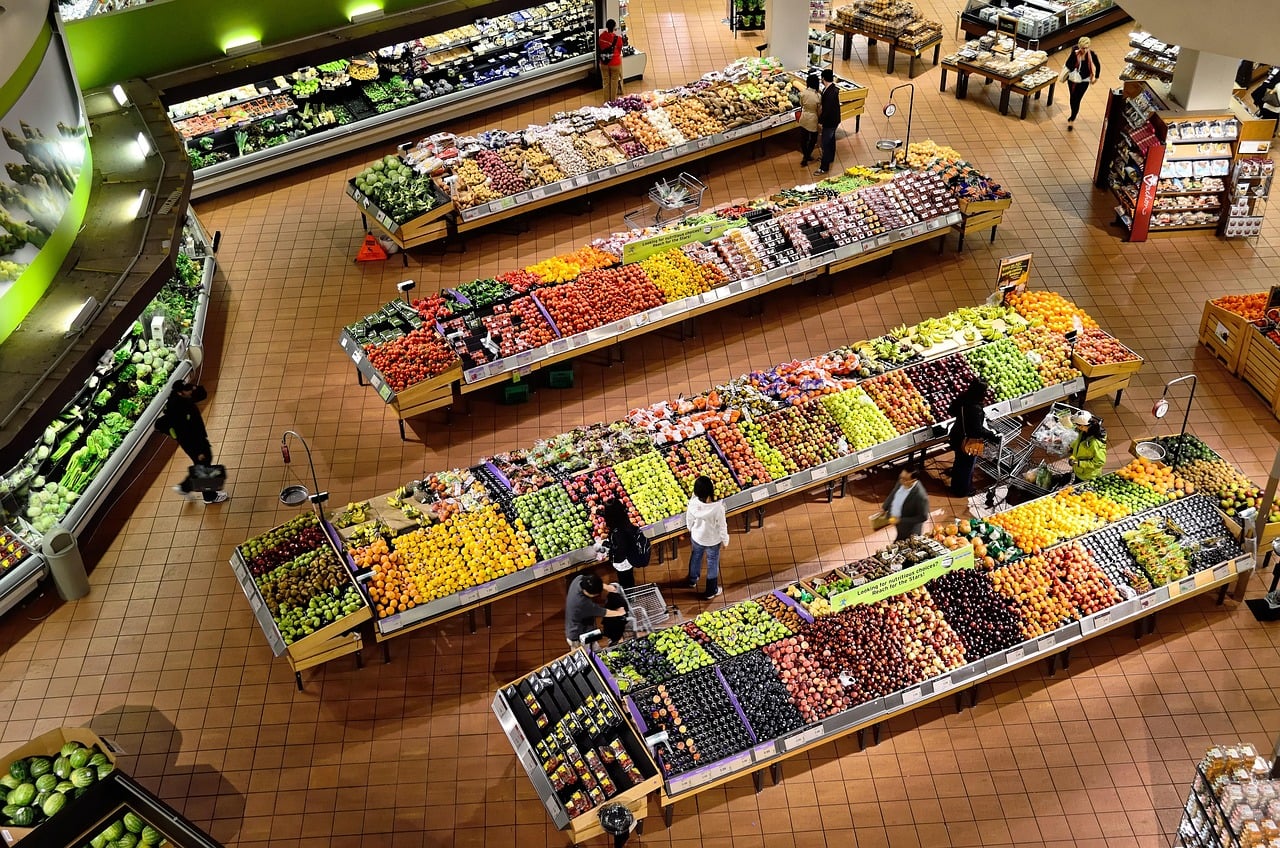
At Geneva, Canada supported updated international standards aimed at improving consistency in food safety and trade. Depending on the item under discussion, that can include revised labeling guidance, clearer safety thresholds, stronger hygiene codes, and new or updated maximum limits for substances such as pesticide residues or contaminants.
For consumers, the technical language hides practical consequences. A revised residue limit can affect which imported produce enters the market. A new labeling standard can shape how allergens, ingredients, or product identity appear on packages. A hygiene update can alter food manufacturing and storage practices long before shoppers notice any visible change.
Canada generally aligns with Codex where the standards fit domestic public health goals and existing law. Federal agencies then decide whether regulatory updates, guidance documents, or inspection changes are needed to reflect the international agreement in a Canadian context.
How these standards can affect grocery shelves

The first effect is often invisible. Food businesses may need to adjust sourcing, testing, packaging, or paperwork to show that products meet the updated benchmarks. That can influence which foods are easiest to import, export, or sell nationally.
Take a simple example like spices, leafy greens, or infant food. If contaminant limits tighten, suppliers may need better testing and cleaner production systems. If the limit becomes more flexible or more harmonized internationally, cross-border trade may become smoother and product availability may improve.
Labeling changes can be more noticeable. Standardized naming, ingredient declarations, or guidance on nutrition presentation can make products easier to compare across brands and countries. Even when labels do not change immediately, the direction of policy becomes clearer for manufacturers planning future packaging.
Why industry and regulators care so much

For regulators, common standards reduce uncertainty. Inspectors, border officials, and policy teams benefit when there is a recognized international reference point for judging whether a food is safe, properly described, and fairly traded.
For exporters, harmonization can save money and reduce delays. A Canadian producer selling abroad does not want to redesign products for every single market if internationally accepted rules can cover core requirements. The same logic applies to imported goods entering Canada.
Industry groups often support science-based alignment, but they also watch costs closely. Testing, reformulation, relabeling, and compliance audits can be expensive, especially for smaller firms. That is why the details matter. A single technical adjustment can be manageable for a multinational company but burdensome for a small processor.
What shoppers should pay attention to next

Consumers do not need to read Codex meeting reports to feel the effects. The biggest signals will likely show up in product labels, food recalls, import availability, and occasional news about changes to residue limits, additives, or contaminant thresholds.
Shoppers who care about transparency should watch for clearer allergen information, more consistent ingredient naming, and updates from the Canadian Food Inspection Agency or Health Canada. Those agencies are typically where international decisions begin to translate into domestic enforcement or consultation.
Price can also be part of the story. When standards require additional testing or production upgrades, some costs may move through the supply chain. On the other hand, smoother trade and regulatory consistency can lower friction and support steadier supply for some categories.
The bigger picture for Canada's food system

A Geneva summit may sound distant, but it sits at the intersection of health, commerce, and public trust. Canada's adoption of new global food standards shows how modern food policy is often shaped through international negotiation long before most voters hear about it.
This is not just bureaucratic housekeeping. It is part of how countries decide what counts as safe food, honest labeling, and fair market access. According to long-standing global practice, standards work best when they are science-based, transparent, and updated as evidence changes.
For Canada, the challenge now is implementation. The real test is whether these standards improve consumer protection without creating unnecessary confusion or cost. If handled well, most shoppers may never notice the Geneva summit at all, and that quiet outcome is often the point.




Leave a Reply