
Canadian shoppers finally have a little breathing room. The problem is that the relief looks fragile.
A rare break shows up at the checkout

For the first time in months, grocery inflation in Canada has cooled enough for shoppers to notice a difference in some weekly staples. Statistics Canada's recent consumer price data showed food purchased from stores rising at a slower pace than it had earlier, marking an important shift after a long period of stubborn increases.
That does not mean groceries are suddenly cheap again. It means the speed of price growth has eased, not that prices have meaningfully returned to where they were before the inflation surge. Households that have spent two years adjusting meal plans, switching brands, and cutting extras are still paying far more than they did before 2022.
This small improvement matters because food inflation has been one of the most visible pressures on family budgets. When price increases slow in categories like bread, dairy, pantry goods, and some produce, even modestly, consumers feel it immediately in their weekly shop.
Why prices softened this time

One reason for the slowdown is that comparisons have become easier. When prices were already very high a year ago, today's annual increases can look more moderate even if the bill remains elevated. Economists often call this a base effect, and it has played a real role in Canada's latest grocery numbers.
Another factor is that some supply chains have improved. Global shipping costs are nowhere near the peaks seen during the worst pandemic disruptions, and some imported food categories have benefited from more stable transport and inventory patterns. Retailers have also faced public and political pressure to show restraint on essentials.
Weather also helped certain categories, at least temporarily. Better harvest conditions in some regions and more stable input costs for a handful of producers have supported lower price pressure on selected fruits, vegetables, and packaged foods. But these gains remain uneven across the store.
The new study's warning is hard to ignore
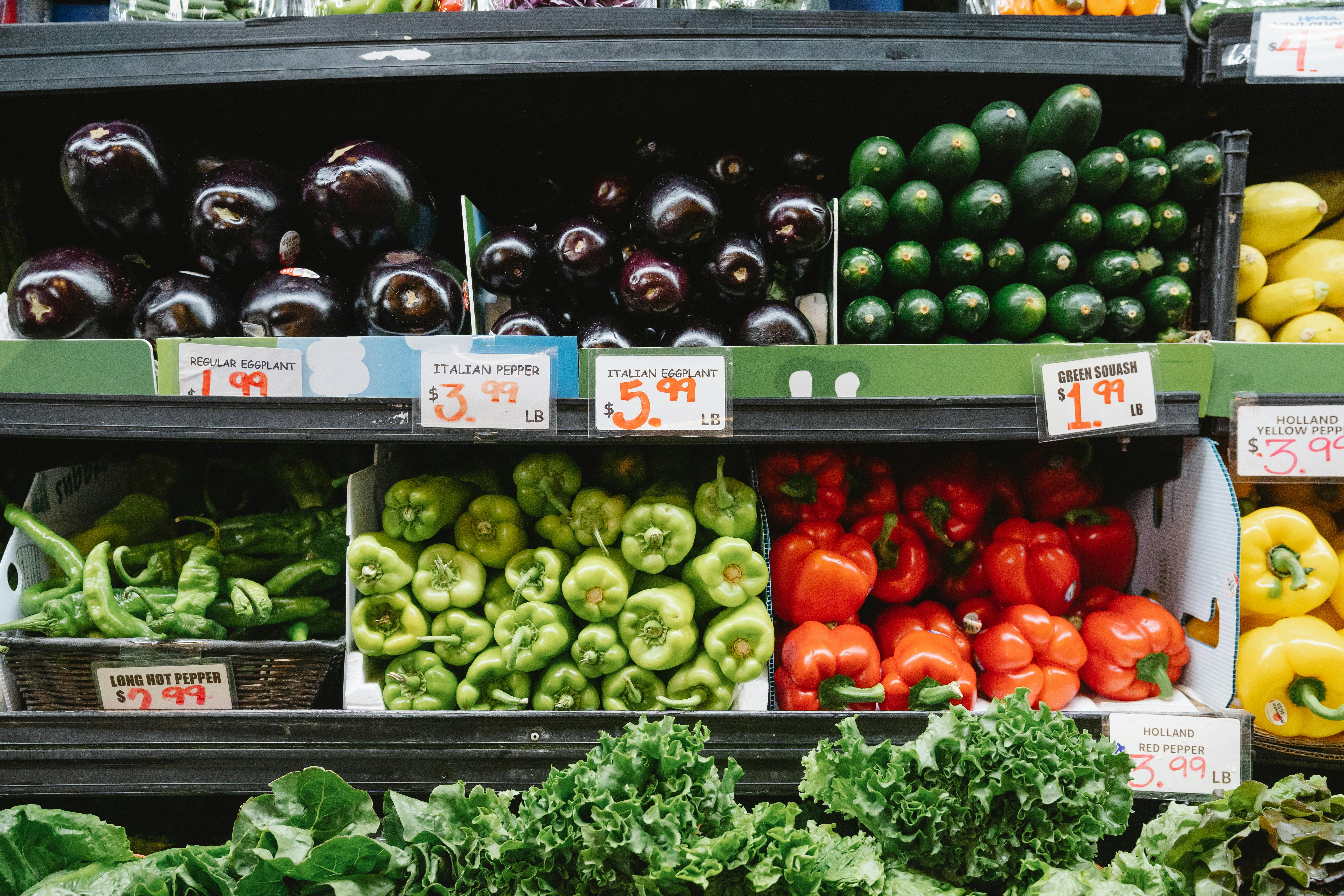
A recent food price outlook from Canadian researchers points to a reality many shoppers already suspect. Even when inflation cools for a month or two, the broader forces driving food costs have not disappeared. The report suggests Canadians should expect continued volatility rather than a steady return to affordability.
The study highlights several risks that could quickly reverse the current dip. Climate-related disruptions, including drought, floods, and wildfire impacts, are becoming more frequent and more expensive for farmers, distributors, and insurers. Those costs eventually work their way into grocery aisles, especially in fresh food categories.
Researchers also point to labour, transportation, and energy expenses as ongoing problems. Wages, fuel, refrigeration, packaging, and warehousing all remain structurally higher than they were before the recent inflation cycle. That means one encouraging data point is not the same as a long-term trend.
Which foods may stay unpredictable
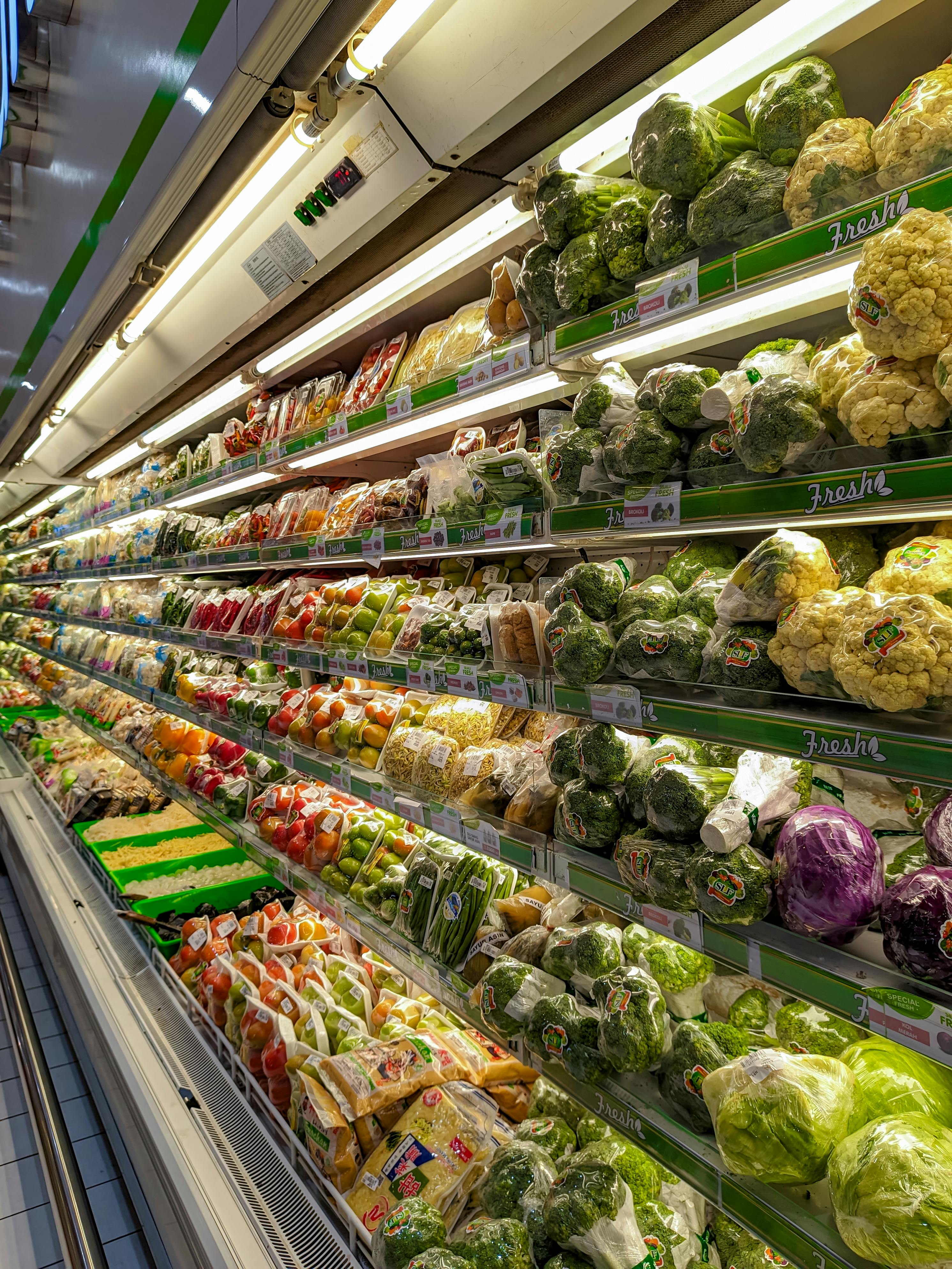
Fresh produce remains among the most vulnerable categories. Canada imports large volumes of fruits and vegetables, especially in colder months, so prices are exposed to exchange rates, fuel costs, border logistics, and weather events in other countries. A storm in California or drought in Mexico can quickly affect a Canadian grocery flyer.
Meat prices could also remain jumpy. Feed costs, herd size, processing expenses, and transport conditions all influence what consumers pay for beef, poultry, and pork. If any of those inputs tighten, shelf prices can rise fast, even if overall inflation looks calmer.
Processed foods may seem more stable, but they carry their own risks. These products rely on packaging, manufacturing energy, global ingredients, and branded pricing strategies. In many cases, companies have become more aggressive about passing higher costs through to consumers.
What this means for households right now

For families, the practical takeaway is simple: enjoy the break, but budget carefully. A slower pace of inflation can help monthly planning, yet it does not erase the higher baseline that many households are already struggling with. Shoppers may still need to compare unit prices, buy store brands, and plan meals more tightly.
There is also a regional element to affordability. Prices can vary sharply between provinces, northern communities, and major urban centers, where shipping and local competition differ. A national inflation figure may show relief while many neighborhoods see little change on the shelf.
Lower-income households remain the most exposed. Food takes up a larger share of their budgets, so even small rebounds in staple prices can force difficult trade-offs. For them, temporary moderation is welcome, but far from enough.
Relief is real, but confidence would be premature

This drop in grocery inflation is good news, and it should not be dismissed. After months of relentless increases, even a modest easing suggests some pressure points in the food system are no longer worsening at the same speed. That matters for consumers, policymakers, and retailers alike.
Still, the bigger picture remains unsettled. Canada's food prices are being shaped by a mix of global commodity shifts, domestic operating costs, climate stress, and concentrated retail power. Those drivers do not disappear because one set of monthly numbers turns friendlier.
The most realistic outlook is neither panic nor celebration. Canadians are seeing a pause in the surge, not a full reset. Until underlying costs fall more consistently and supply risks ease, shoppers should expect grocery prices to remain one of the country's most unpredictable household expenses.




Leave a Reply