
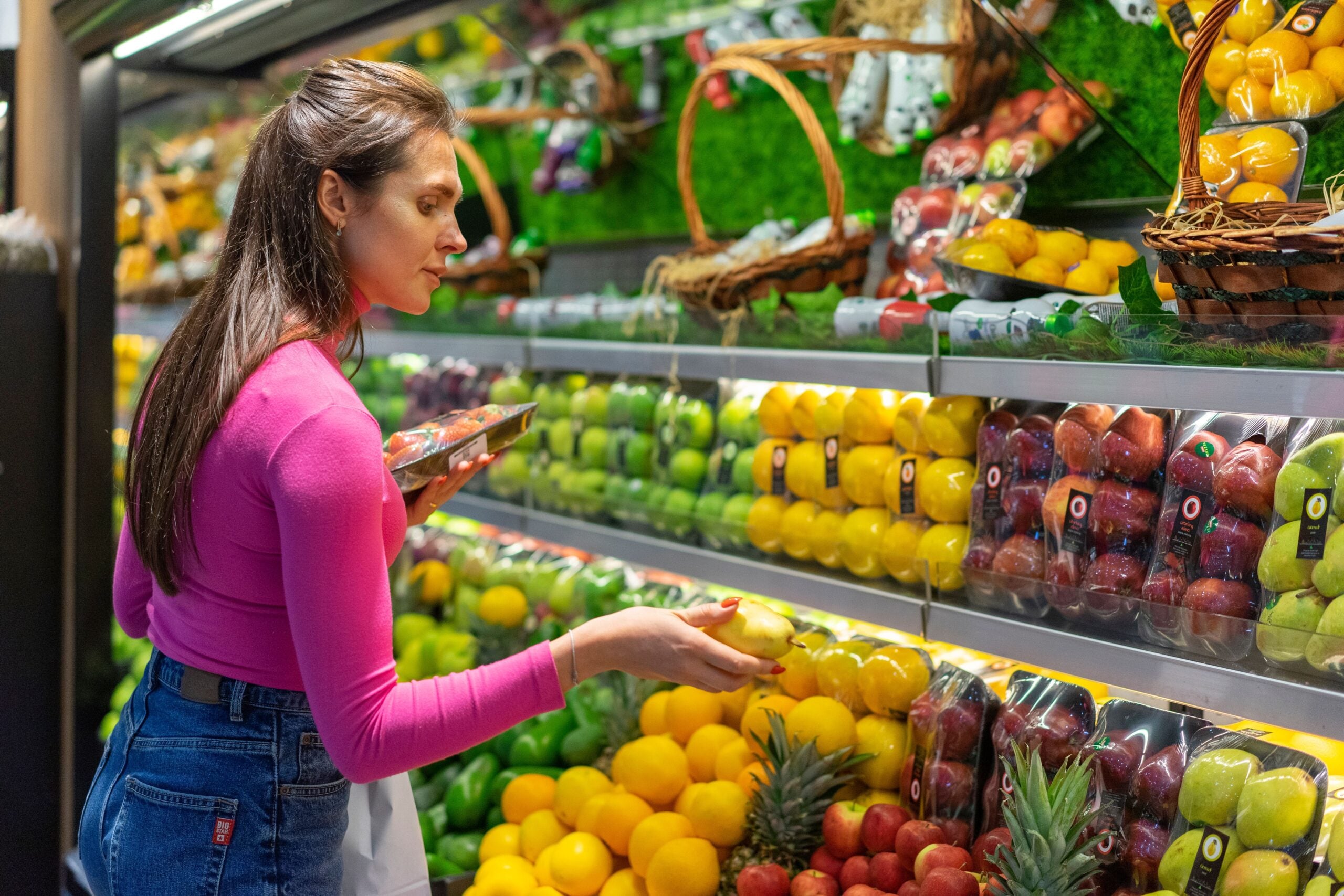
Canada's grocery shelves may look familiar today, but the forces shaping them are changing fast. A stronger push for domestic food production could alter what Canadians buy, when they buy it, and how much they pay.
Why Canada is pushing for more homegrown food

Food security has moved from an abstract policy goal to a practical concern. Pandemic disruptions, extreme weather, and global conflicts exposed how dependent Canada can be on imported produce, ingredients, and farm inputs. When shipping routes tighten or harvests fail abroad, Canadian prices often rise quickly.
That vulnerability is especially visible in winter. Canada imports major volumes of fresh fruits and vegetables, particularly from the United States and Mexico, because domestic outdoor production is limited by climate. According to federal agriculture data, greenhouse vegetables, potatoes, grains, dairy, and poultry are domestic strengths, but many fresh items still rely heavily on imports.
Governments and industry groups increasingly argue that producing more food at home is not just about patriotism. It is about resilience, price stability, and keeping more value inside Canada's economy. That means support for farmers, processors, greenhouses, storage, and transportation networks that can shorten the distance between field and shelf.
What shoppers could notice first in grocery stores
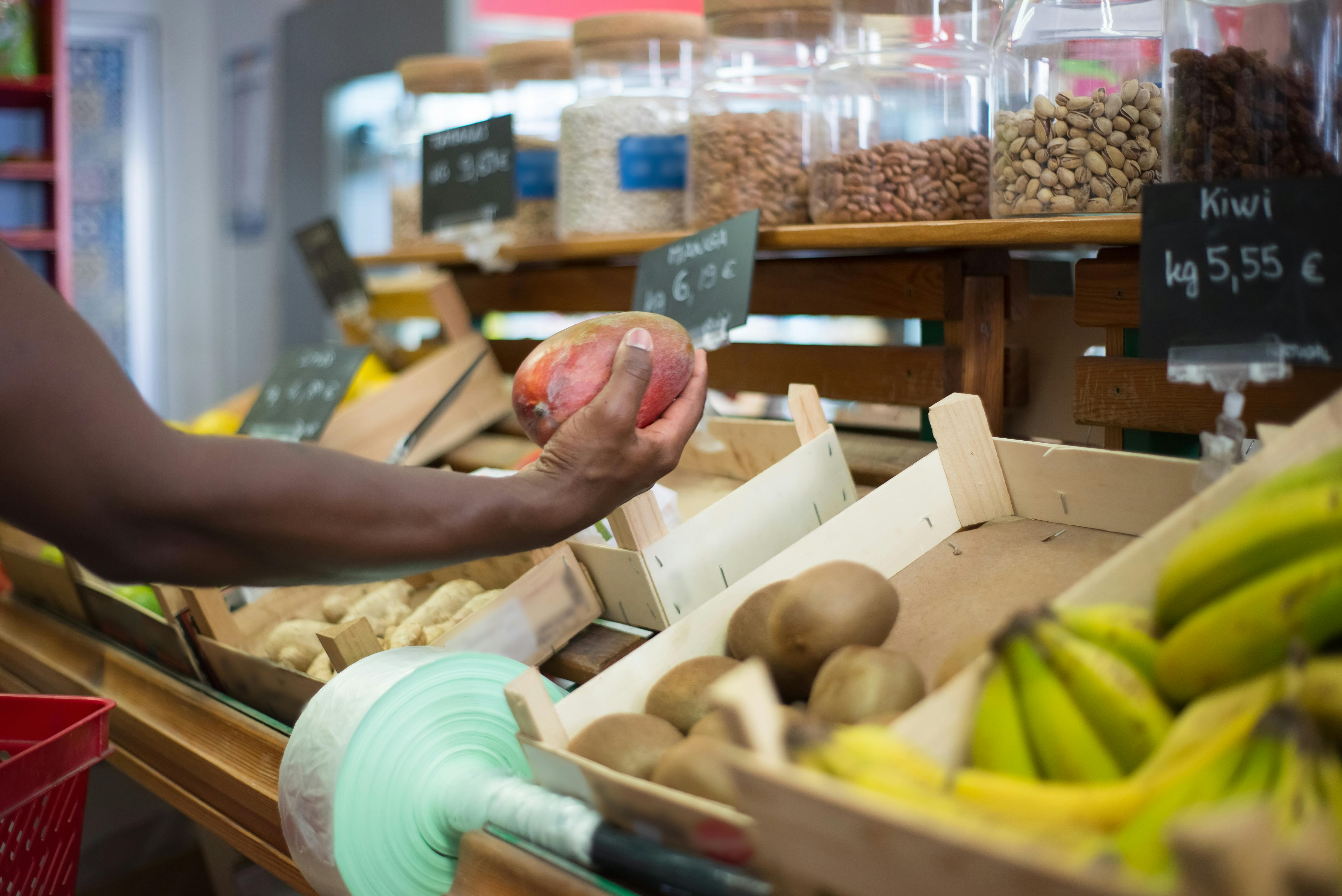
The most immediate change would likely be clearer Canadian sourcing across more aisles. Shoppers may see more labels such as "Product of Canada," "Grown in Canada," or provincial branding on produce, meat, frozen foods, and pantry staples. Retailers have learned that many customers want domestic options, especially when prices are competitive.
Seasonality could also become more visible. Instead of expecting the same assortment year-round, stores may lean harder into Canadian harvest windows for berries, leafy greens, apples, root vegetables, and greenhouse tomatoes. That could mean broader displays of local products in peak months and fewer imported substitutes in certain categories.
Private-label brands may play a role as well. Large chains can use their scale to secure domestic supply contracts and develop store-brand products built around Canadian ingredients. That strategy can make local sourcing feel more normal to shoppers rather than a premium niche tucked into a specialty section.
Greenhouses, storage, and food processing could reshape supply
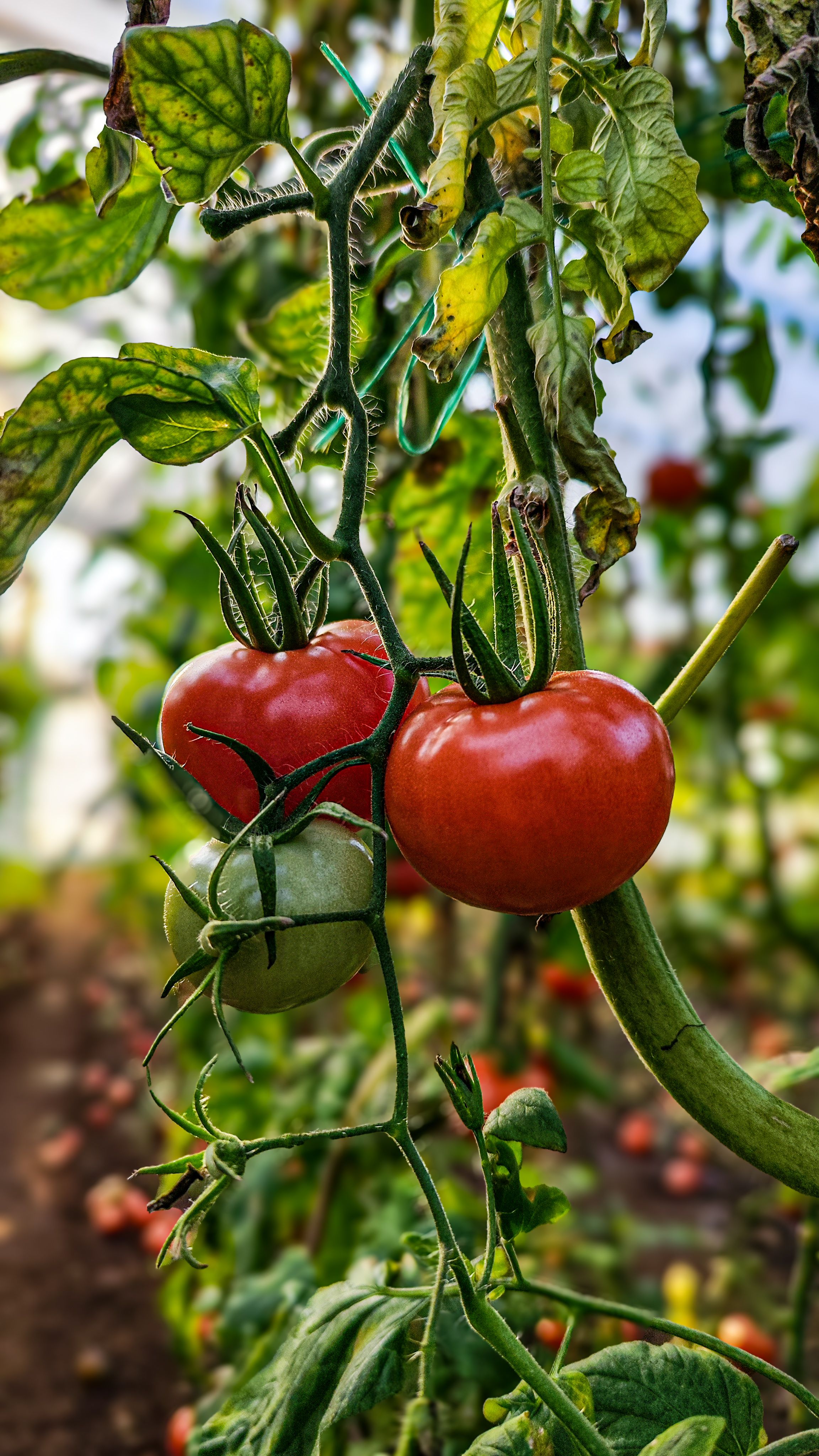
One of the biggest opportunities lies under glass. Canada already has a major greenhouse sector in places such as Ontario, British Columbia, and Quebec, producing tomatoes, peppers, cucumbers, and increasingly leafy greens. Expanding greenhouse capacity could reduce dependence on imports for some vegetables, particularly during colder months.
Storage is just as important as production. Better cold storage and controlled-atmosphere facilities allow apples, onions, carrots, and potatoes to stay market-ready longer without major quality loss. If provinces invest more in these systems, stores could stock Canadian crops deeper into the year instead of switching sooner to imported supply.
Processing matters because raw crops do not automatically become convenient grocery products. More domestic freezing, canning, milling, and meat processing could create a wider range of Canadian-made soups, sauces, snacks, and prepared foods. That would help farmers sell more of what they grow while giving retailers more local options beyond fresh produce.
The biggest obstacles are cost, labour, and climate
The push sounds simple, but the economics are tough. Growing food in a northern country often costs more because of heating, energy, shorter outdoor seasons, and transportation over long distances. Those costs can make imported food cheaper, even when it travels thousands of kilometres to reach Canadian stores.
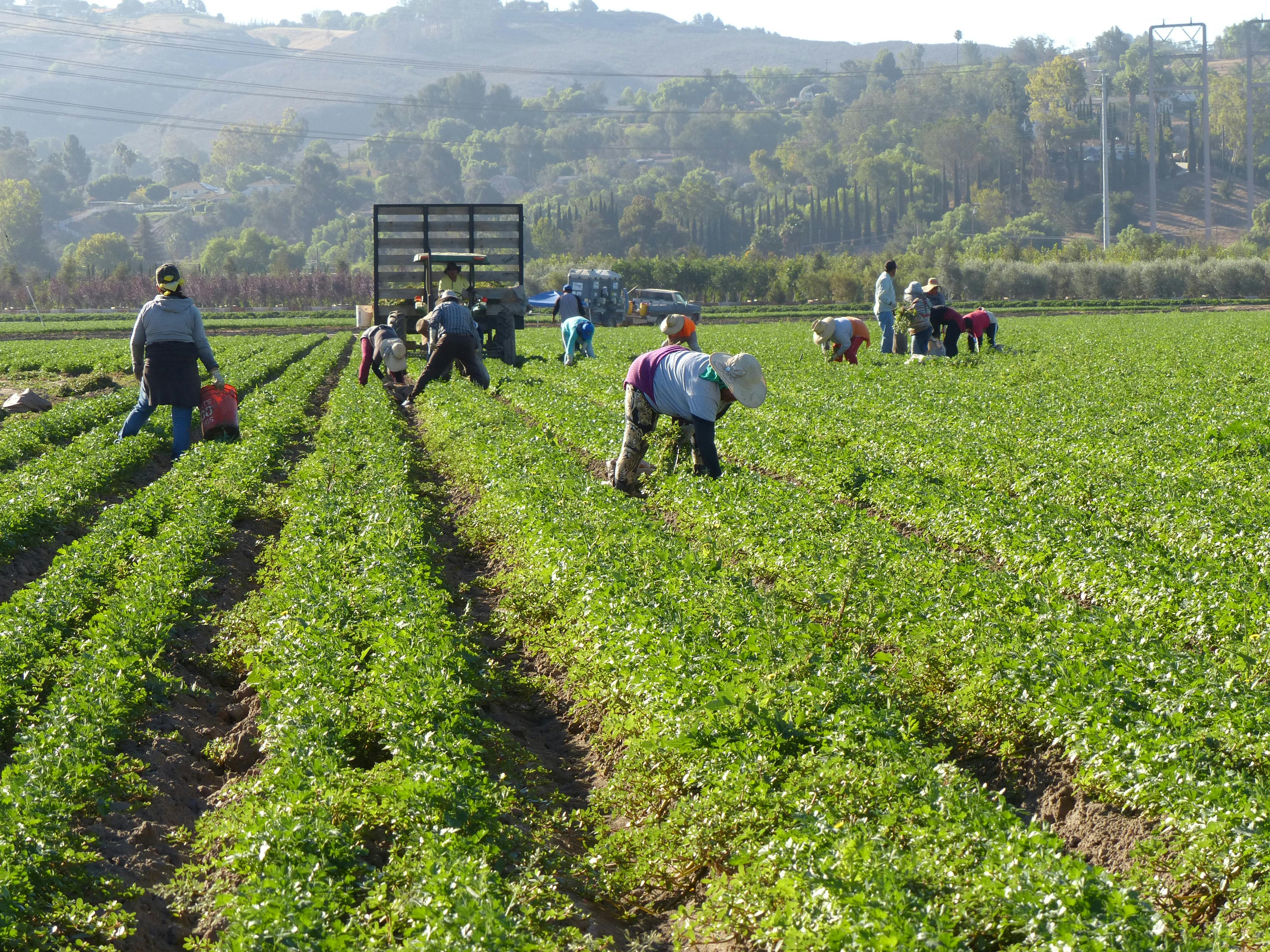
Labour is another pressure point. Farmers, greenhouse operators, and food processors have long warned about shortages, especially for physically demanding or seasonal work. Temporary foreign workers are essential in many regions, and without stable labour access, expanding domestic production becomes much harder.
Climate change complicates the picture further. While warmer temperatures may lengthen some growing seasons, they also bring drought, wildfire smoke, floods, pests, and unpredictable yields. In other words, producing more food in Canada can improve resilience, but it does not remove risk. It changes the balance of risk and requires smarter infrastructure.
Which foods are most likely to become more Canadian
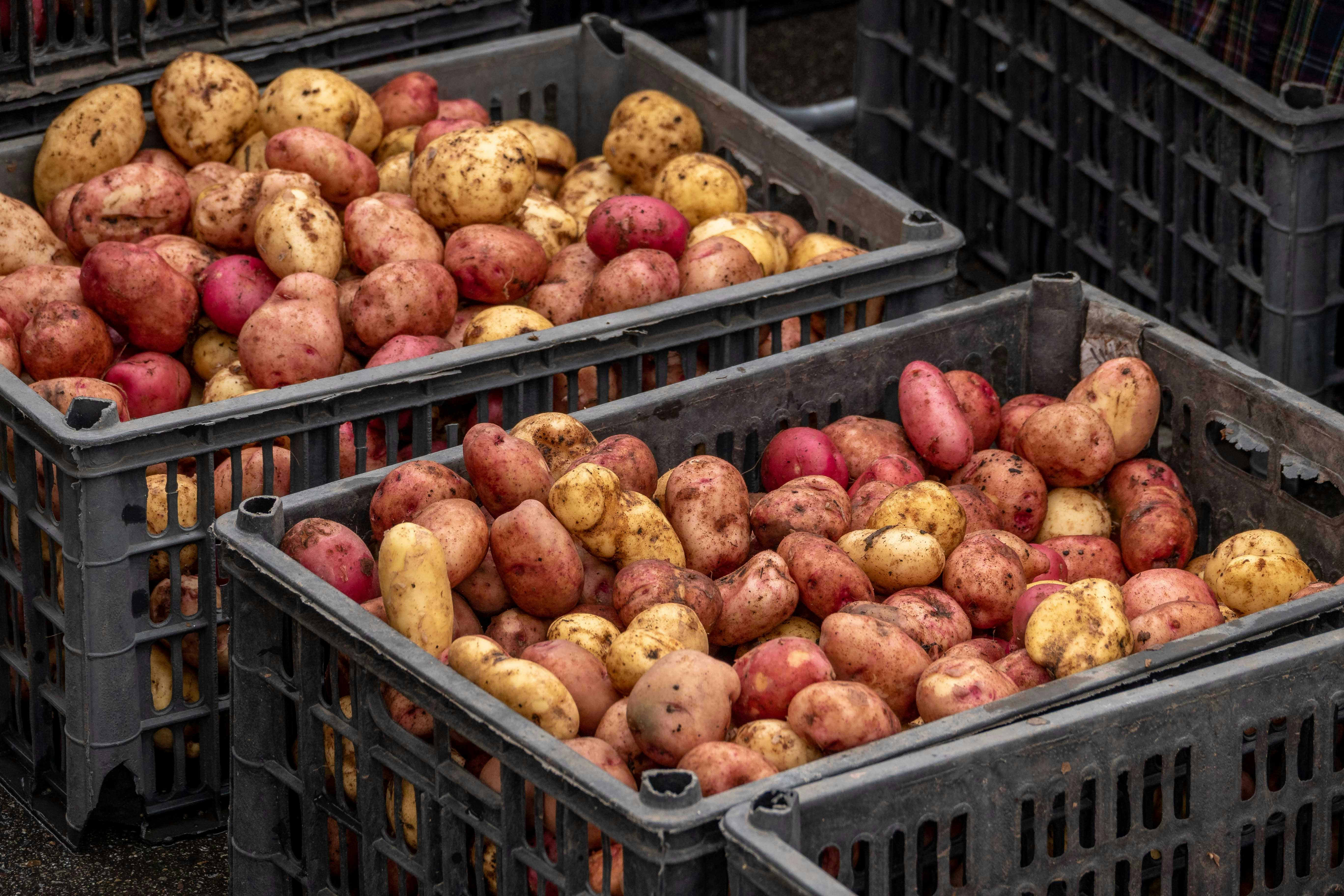
Some categories are better positioned than others. Greenhouse vegetables are an obvious candidate because Canada already has expertise and export strength in that sector. Leafy greens grown indoors, herbs, mushrooms, potatoes, pulses, oats, dairy, poultry, and many grain-based foods could also expand their Canadian presence in stores.
Frozen and shelf-stable goods may show some of the biggest gains. It is easier to build domestic supply around frozen berries, canned tomatoes, oat products, pulse-based snacks, or prepared meals than to replace every fresh tropical or warm-weather item. Processing can turn seasonal abundance into year-round availability.
Shoppers should not expect bananas, citrus, coffee, or many spices to become Canadian staples. Geography still matters. The realistic future is not total self-sufficiency, but a grocery mix where more everyday essentials come from Canadian farms and factories, while imports remain important for variety, nutrition, and consumer choice.
What this shift could mean for prices and choice

The price effect will not be uniform. Some Canadian products may cost more upfront because labour, energy, and infrastructure expenses are higher. But domestic supply can also reduce exposure to currency swings, border disruptions, and freight shocks that have recently pushed grocery bills upward.
Choice may become more seasonal, but not necessarily worse. Many shoppers could gain fresher products with shorter travel times, especially in regions closer to producing areas. Stores may offer fewer duplicate imported options in some categories, while expanding Canadian alternatives in frozen, prepared, and pantry foods.
In the long run, the real payoff is stability. A grocery system with stronger domestic production, better storage, and more processing capacity is less fragile when global supply chains stumble. For Canadians, that could mean shelves that are not only more local, but also more dependable when the next disruption arrives.




Leave a Reply