
The smash burger began as an American fast food idea, built on a thin patty pressed hard onto a hot grill for crisp edges and quick service. But in Canada, that format is now showing up in a stronger home market performance, especially at Tim Hortons, where Canadian stores still far outpace U.S. locations.
Tim Hortons' home market advantage
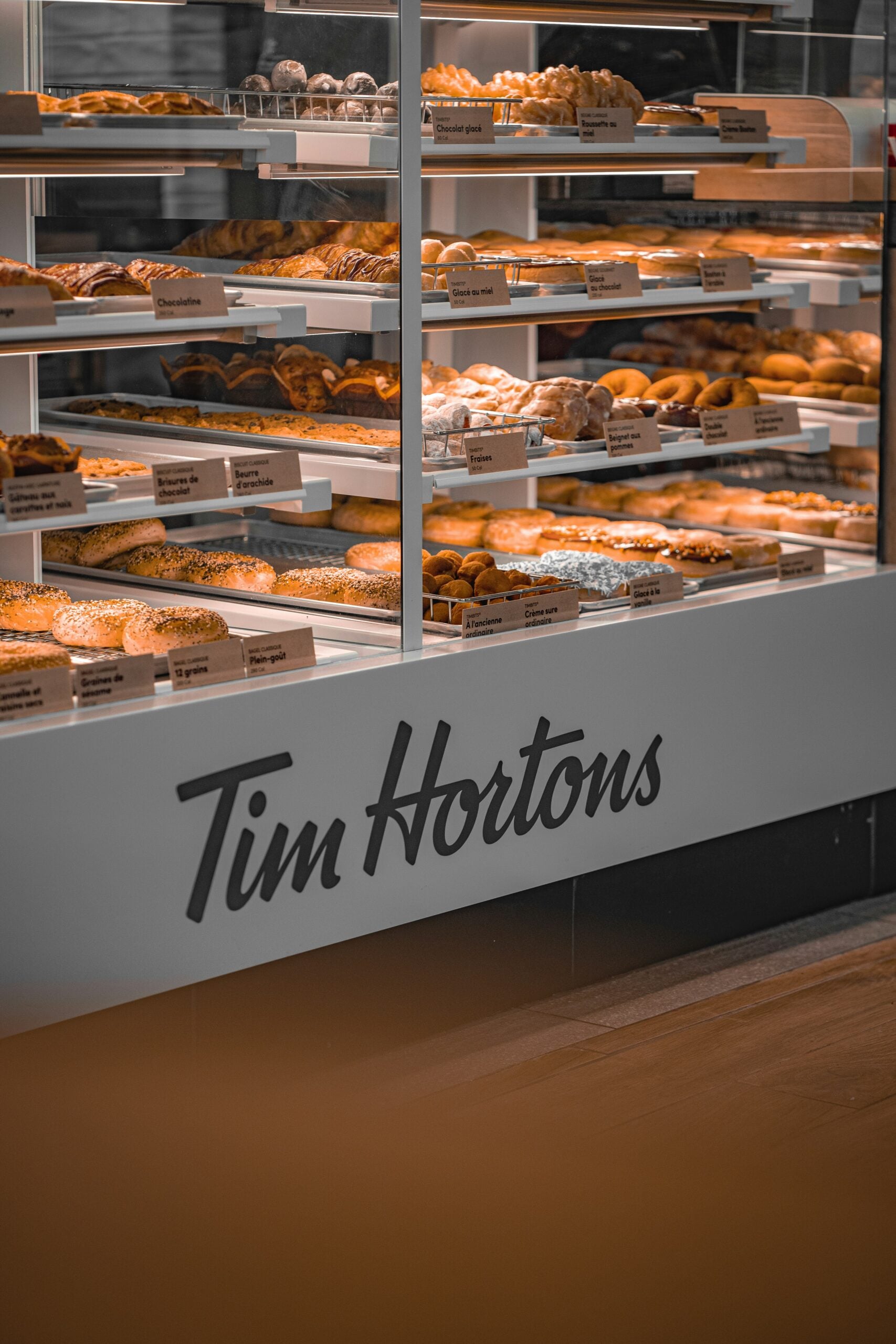
Tim Hortons remains far more established in Canada than in the United States. According to Restaurant Brands International, average annualized gross sales for Tim Hortons restaurants in the U.S. were $1.29 million per location, a sign that the brand is still building awareness and repeat traffic there.
That gap matters because Canada gives Tim Hortons something the U.S. does not yet offer at scale: a deeply familiar customer base. In its home market, the brand is woven into everyday coffee runs, breakfast stops, and highway travel, which gives any new menu launch a stronger starting point.
A very American burger style
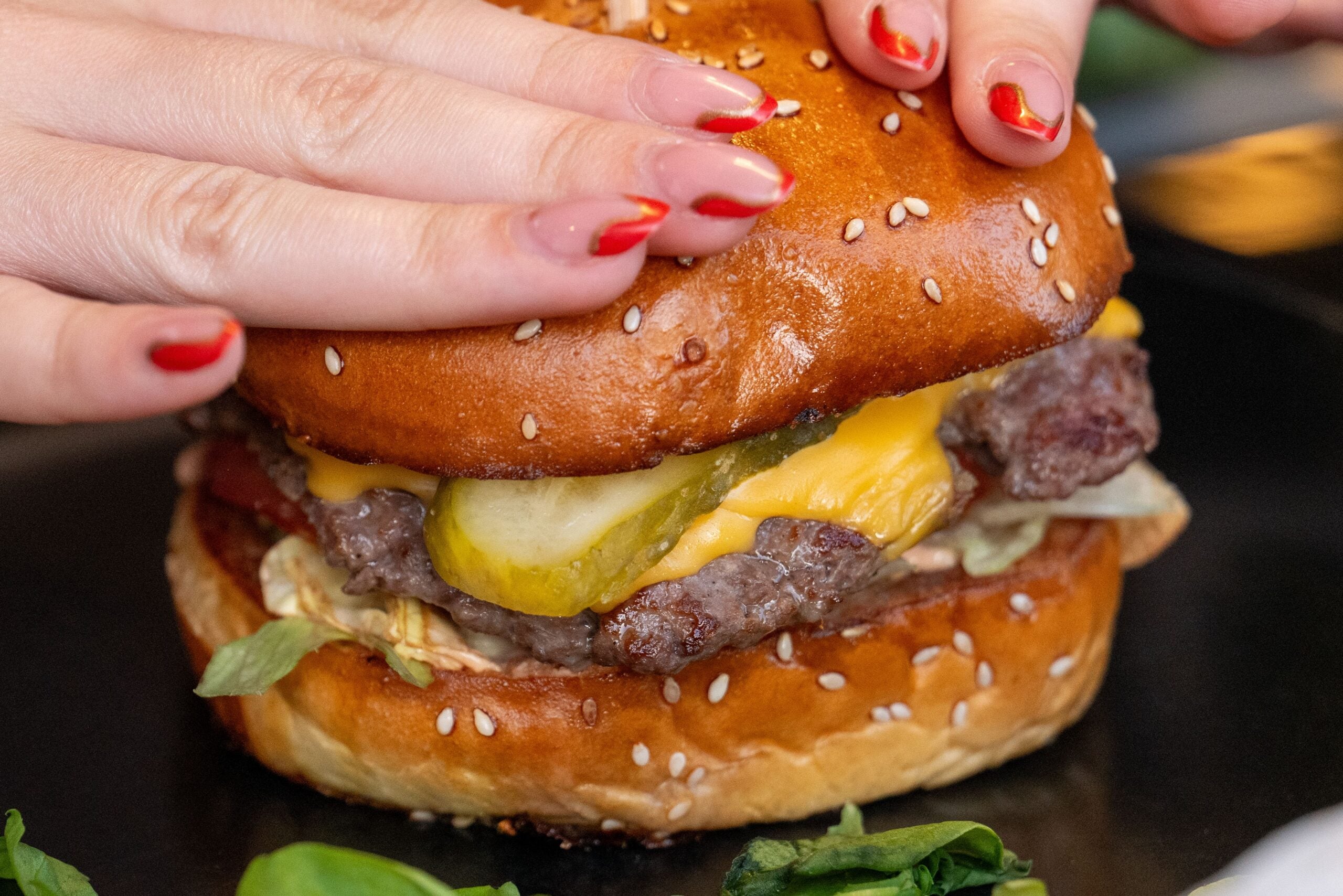
The smash burger is closely associated with the U.S. fast food playbook. The method is simple but specific: a ball of ground beef is pressed onto a flat top grill, creating more direct contact with the heat and producing a deeply browned crust.
That crust is the point. It delivers texture and a concentrated beef flavor without relying on a thick patty or a long cook time. For chains, it also fits the quick service model, because it cooks fast, photographs well, and feels premium without becoming too complicated in the kitchen.
Why the style travels so well

What works in one market does not always travel neatly to another, but the smash burger is unusually adaptable. Its appeal is easy to understand at a glance: thin patties, melted cheese, soft buns, and a crisp seared surface that signals flavor before the first bite.
That clarity makes it a strong chain product. Customers do not need much explanation, and operators can build variations through sauces, toppings, or doubles and still keep the core format familiar. In practical terms, it is an American idea that slots easily into a Canadian quick service menu.
Canada's chains seized the opening
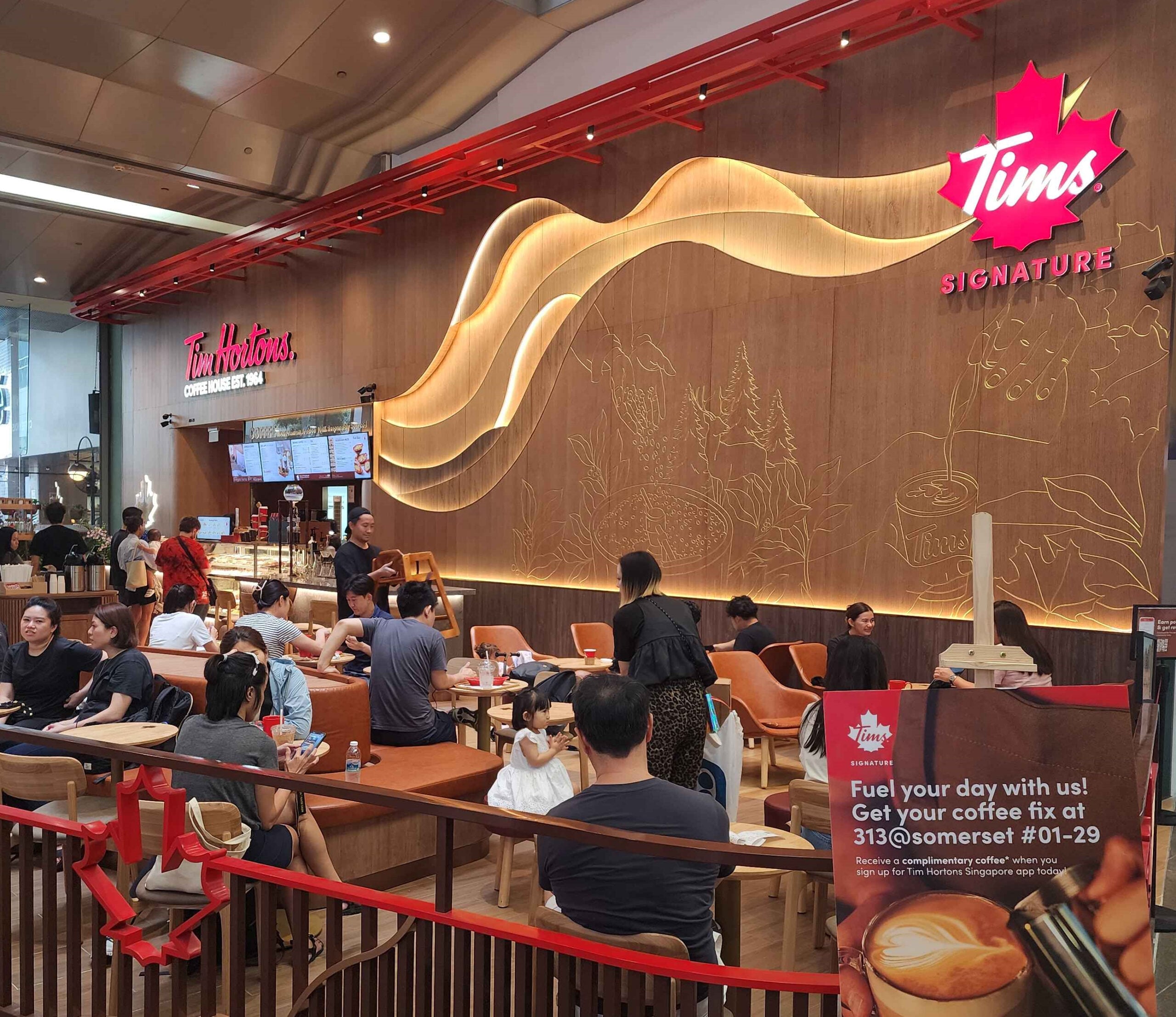
Canadian chains have been quick to turn that format into a local strength. Tim Hortons' own burger lineup is part of that shift, taking a style popularized in the U.S. and placing it inside a brand with much stronger domestic reach than it currently has south of the border.
This is where the story flips. The U.S. created the trend, but Canadian operators can sometimes execute trends more efficiently on home turf because they already have traffic, real estate, and brand recognition. A burger does not need to be invented in Canada to become more commercially effective there.
Why Tim Hortons can make it work
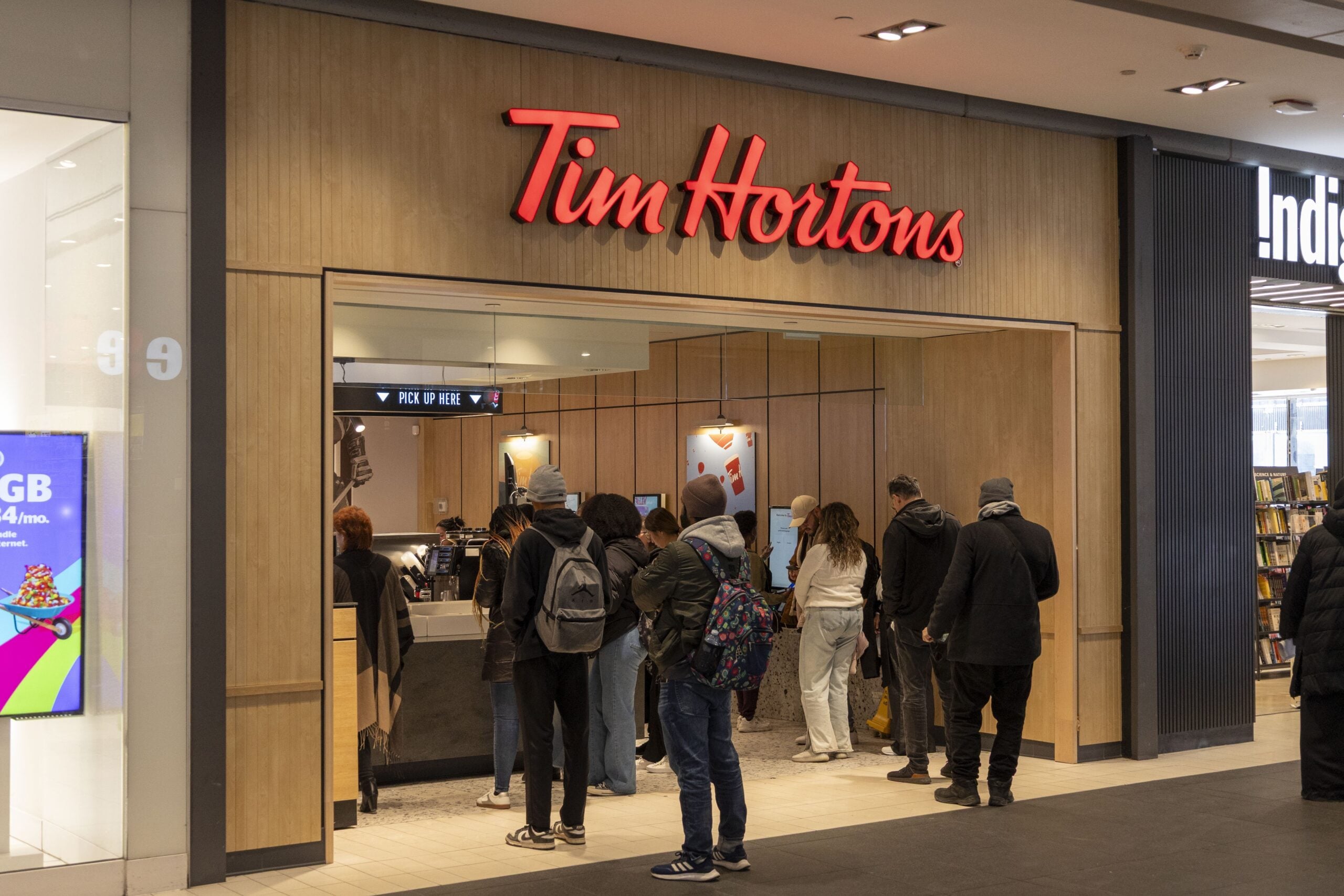
Tim Hortons has an advantage that goes beyond the burger itself. Its stores already capture daily visits for coffee, breakfast, and snacks, so a lunch or dinner item can ride on existing habits rather than trying to build a new routine from scratch.
That kind of built in traffic lowers the barrier for trial. A customer who already trusts the brand for a morning coffee may be more willing to try a burger later, especially when it is presented in a familiar, fast format. In Canada, that trust is simply more established than it is in the U.S.
The bigger fast food lesson
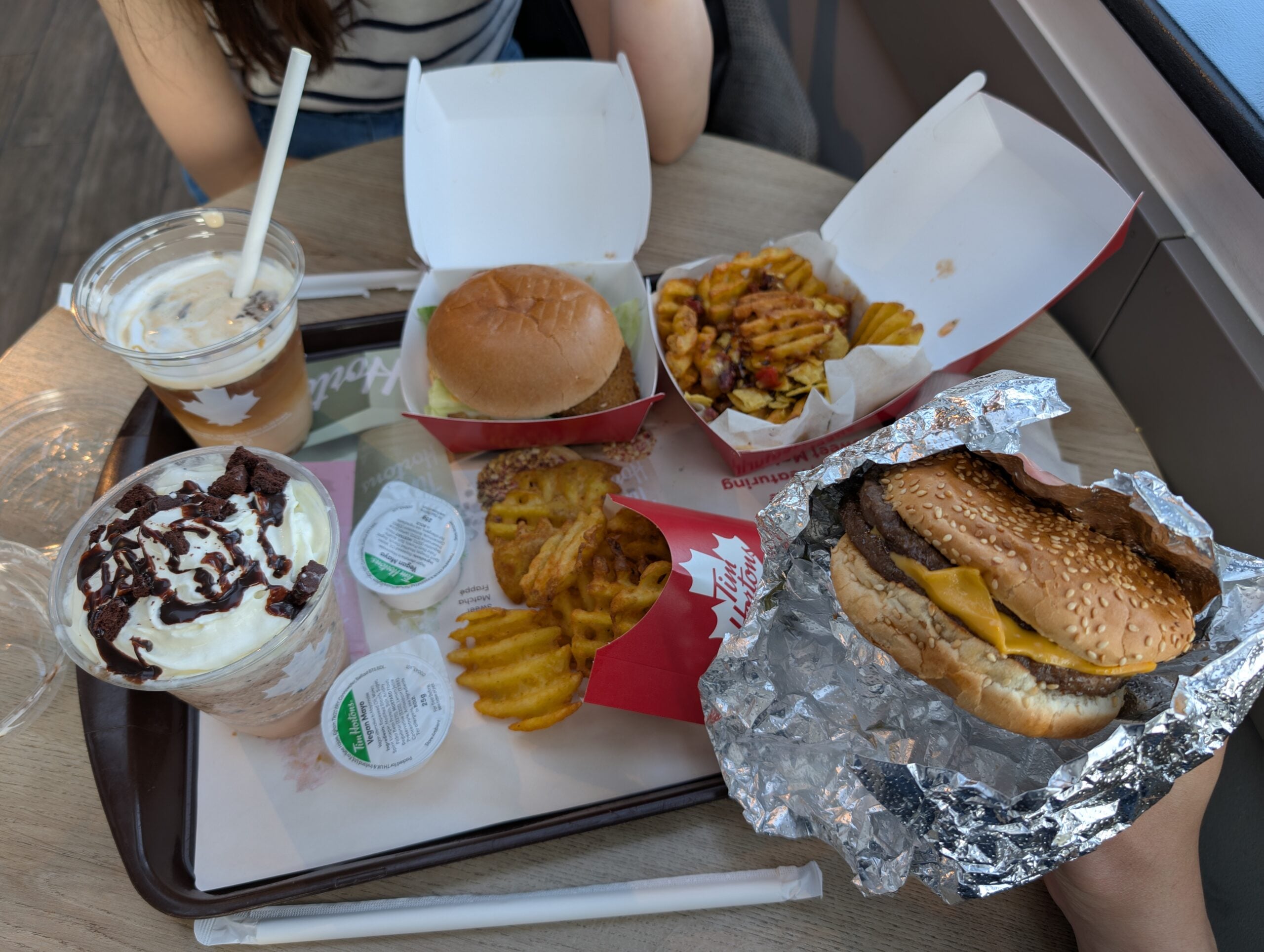
The larger takeaway is not that America stopped leading burger culture. It is that inventing a format and winning with it are not always the same thing. The market that creates a trend does not automatically become the market where a chain sells it most effectively.
Tim Hortons' U.S. sales per location show a brand still finding its footing there, while Canada remains the place where menu expansion has the best chance to stick. In that sense, the smash burger has become a quiet reversal: a very American fast food idea, now helping Canada outperform on its own ground.




Leave a Reply