
Canada's oldest food traditions were built from the land, water and seasons, not from imported pantry staples. These 10 Indigenous foods once fed communities across what is now Canada, and each one reveals a different way people preserved nutrition, adapted to place and turned local ingredients into lasting cuisine.
Bannock
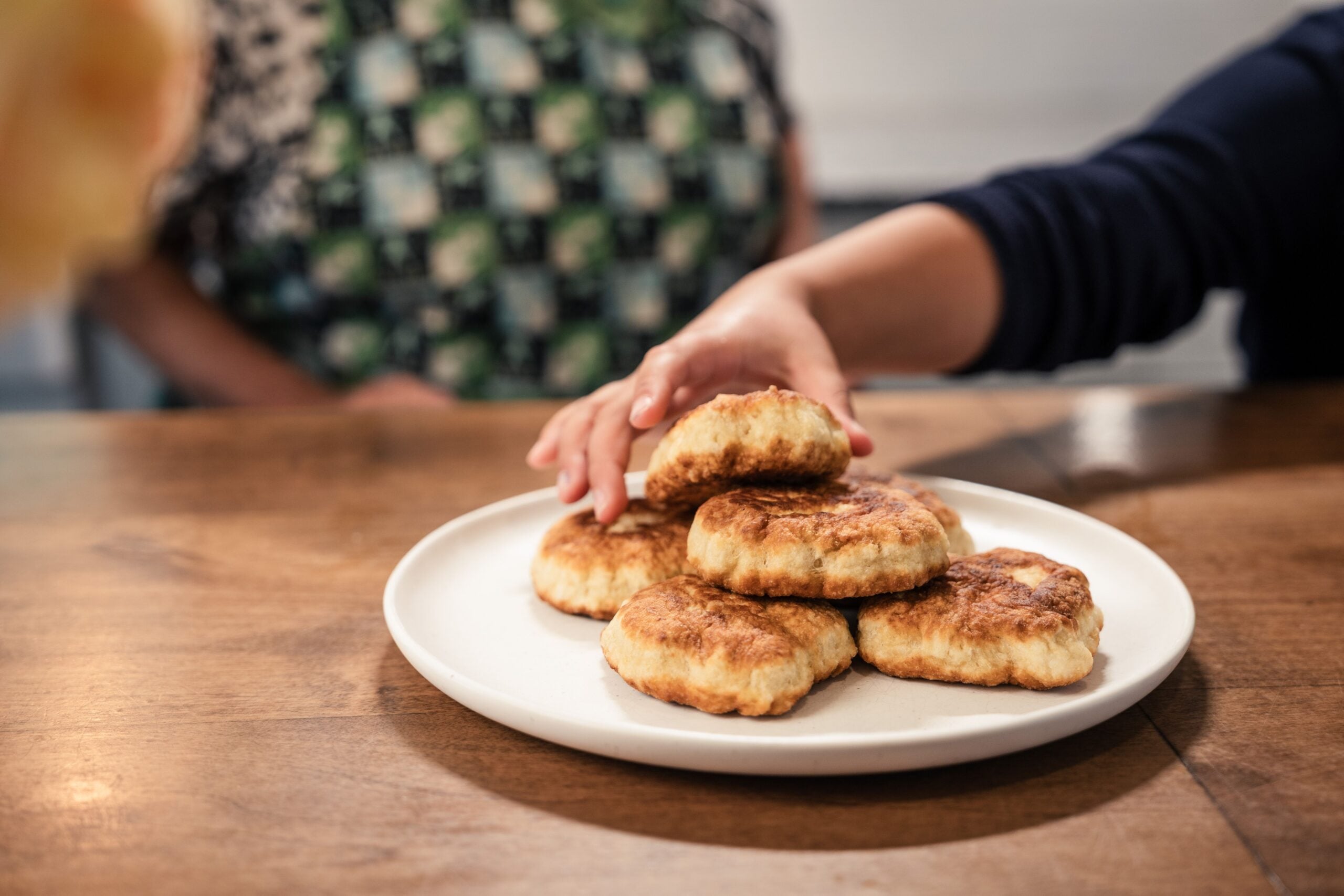
Few foods are as widely recognized today, yet bannock is often misunderstood. Many people think of it simply as fry bread, but its history in Indigenous communities in Canada is more layered than that.
The word originally referred to a type of flatbread from Scotland, and versions of bannock became common in some Indigenous communities after contact, trade and the spread of ration foods such as flour, lard and baking powder. Over time, many First Nations, Inuit and Métis families adapted it into campfire bread, skillet bread and oven loaves.
That makes bannock a powerful example of survival cooking, not an ancient pre contact food in the form most Canadians know. It remains familiar in many communities, but its origin story and role as a food of adaptation are often forgotten in mainstream conversations about Indigenous foodways.
Pemmican
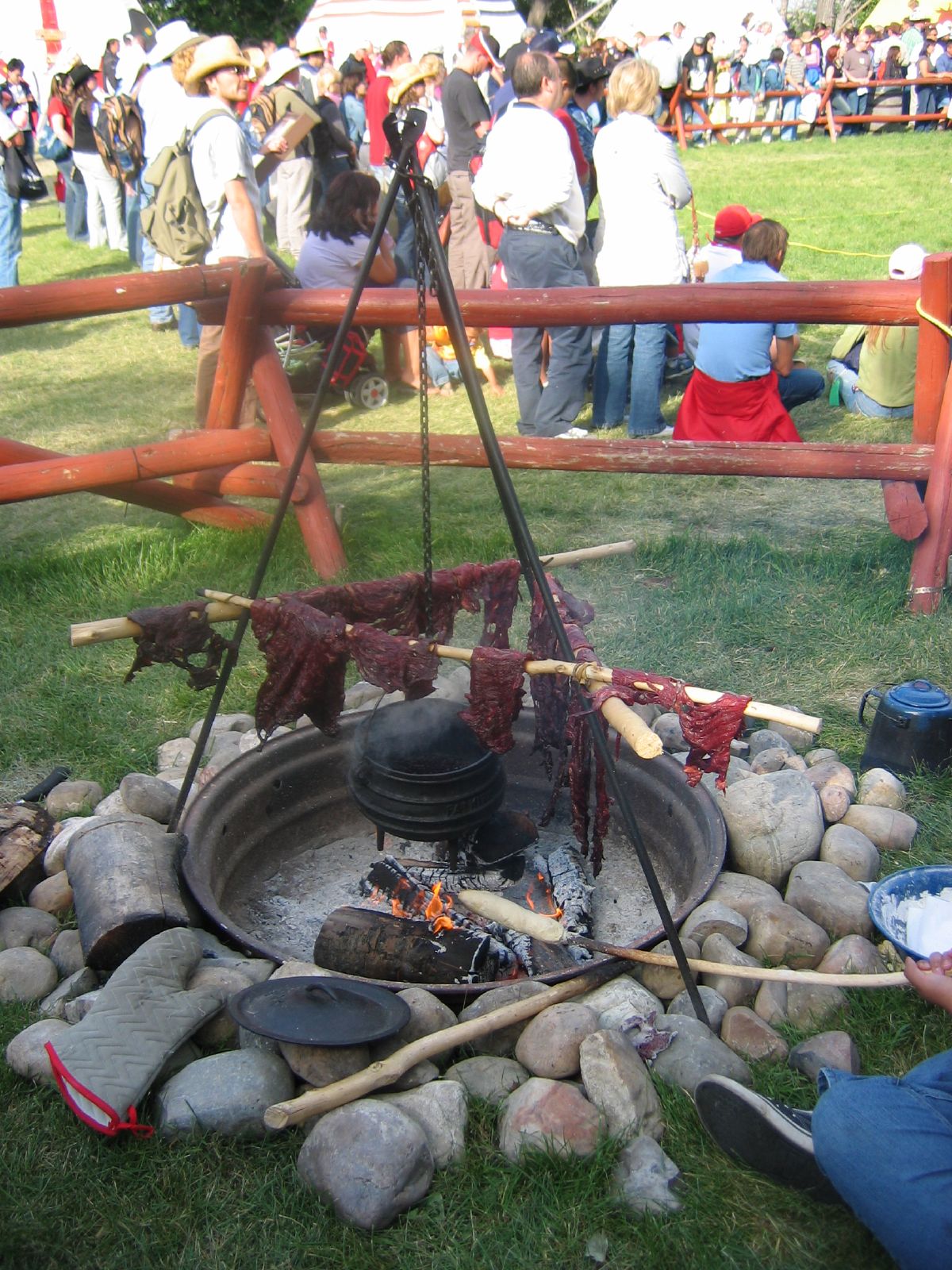
Pemmican was one of the great high energy foods of North America. Made by combining dried meat, rendered fat and sometimes dried berries, it was light to carry, calorie dense and built to last.
It was especially important on the Prairies, where Plains Indigenous peoples developed it as a practical food for travel, trade and winter use. Bison meat was often dried and pounded, then mixed with fat to create a shelf stable product that could feed people on long journeys.
Pemmican later became central to the fur trade because it was so efficient and reliable. What many people forget is that this was highly sophisticated food technology, designed around preservation, transport and nutrition long before modern packaged foods tried to do the same job.
Wild rice
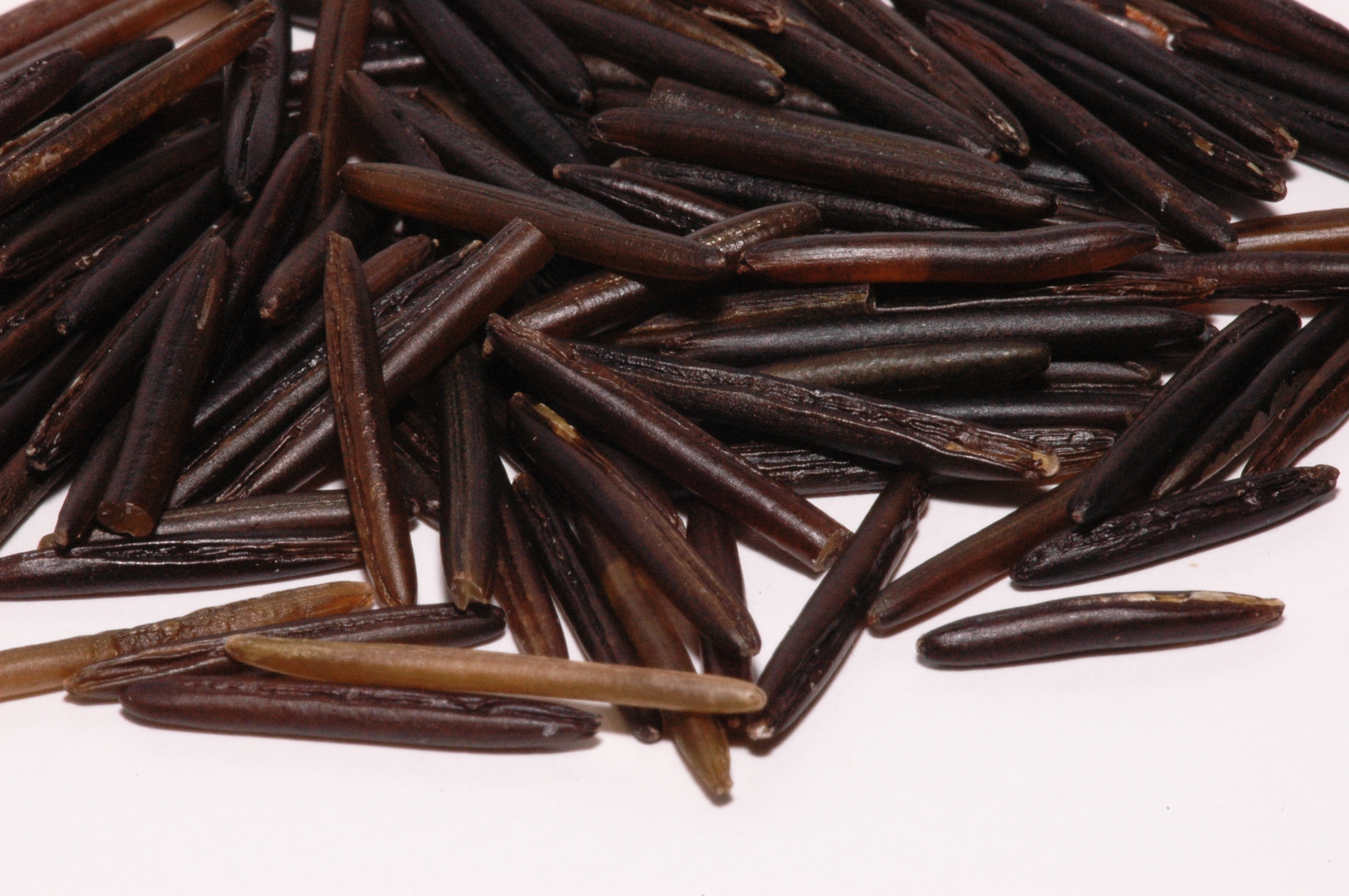
Wild rice sounds familiar, but many Canadians still mistake it for ordinary rice. In fact, it is an aquatic grass seed native to parts of Canada and has deep cultural importance for Anishinaabe peoples.
Known in Anishinaabemowin as manoomin, it grows in shallow lakes and rivers, especially in areas of present day Ontario and Manitoba. Harvesting traditionally involves two people in a canoe, one guiding the boat while the other gently knocks ripe grains into the vessel with sticks.
That careful method matters because it allows some seeds to fall back into the water and continue the cycle. Wild rice is nutty, protein rich and tied not just to diet but to migration stories, ceremony and stewardship, which are details often missing when it appears on restaurant menus.
Acorns
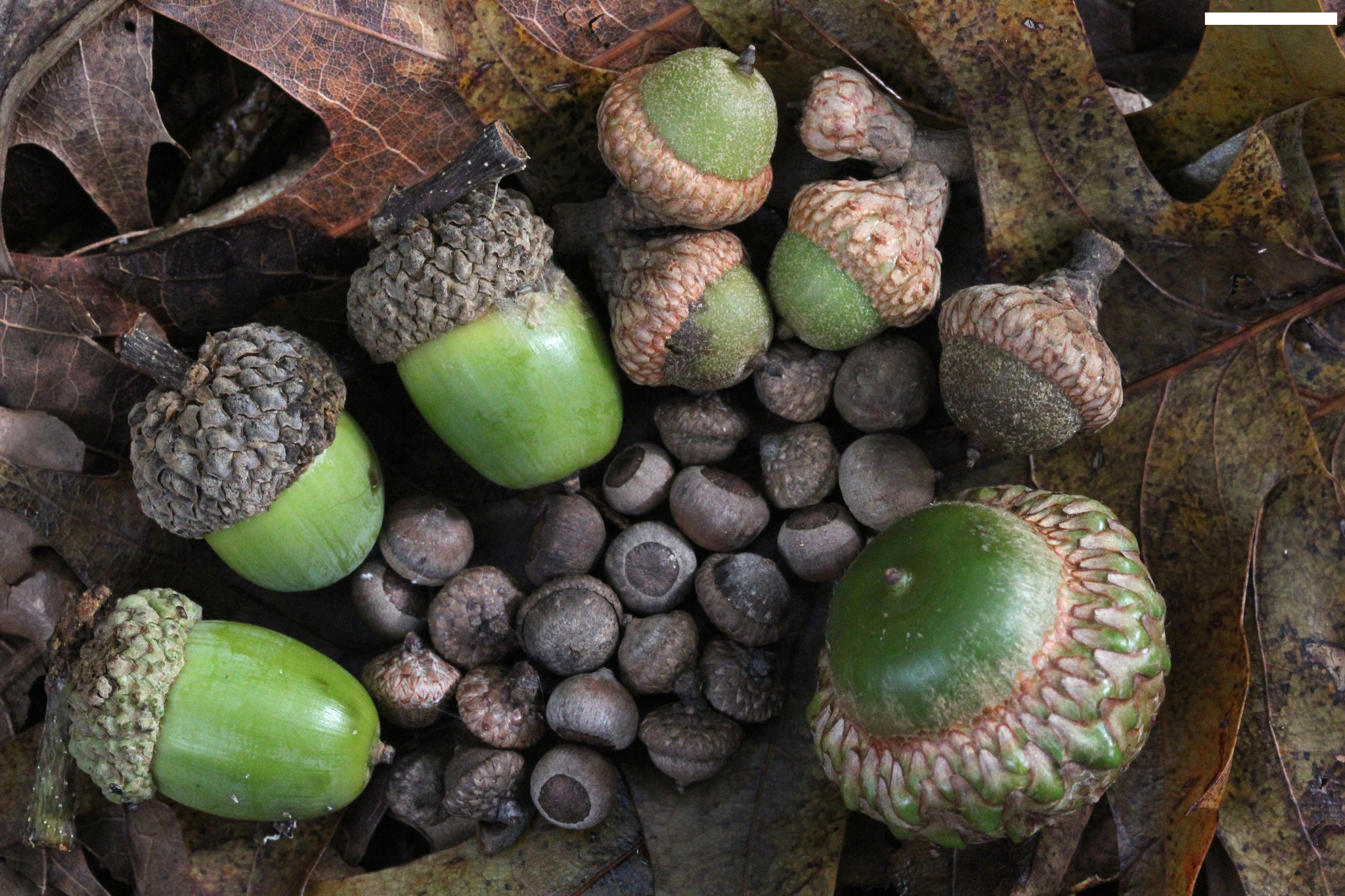
Acorns are rarely associated with Canadian food today, but they were an important Indigenous food in some regions, especially where oak trees were available in abundance. The challenge was not finding them, but making them edible.
Many acorns contain tannins, which make them bitter and can upset the stomach if not removed. Indigenous knowledge addressed this through soaking, leaching and grinding, turning a harsh raw ingredient into a usable flour or meal.
That process took patience and skill, and it shows how much food knowledge depended on observation and technique. Acorns were never a casual snack picked off the ground. They were a serious food source that required work, planning and a clear understanding of local ecosystems.
Saskatoon berries
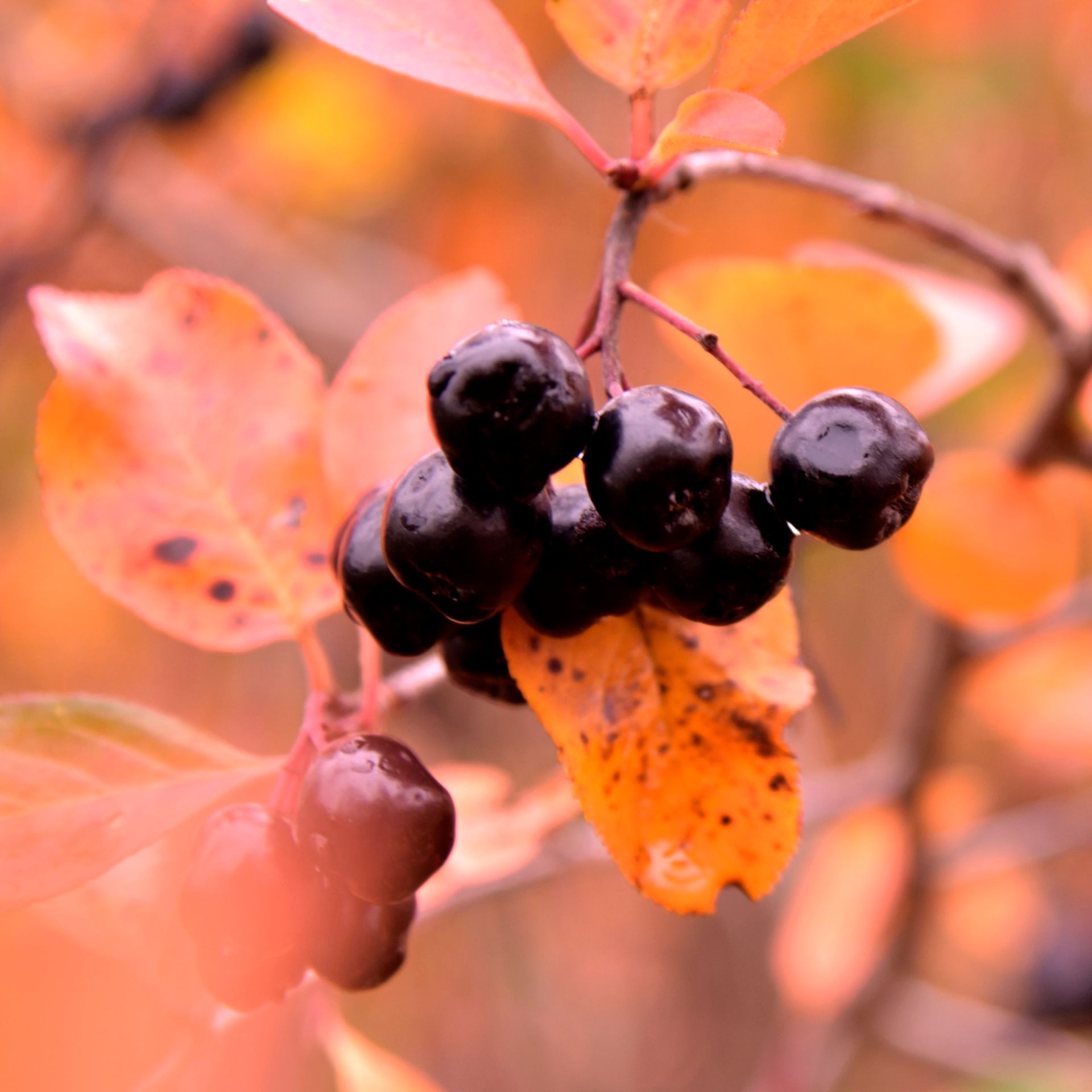
Saskatoon berries still appear in jams and pies, but their older role in Indigenous food traditions is often overlooked. These small purple berries grow across the Prairies and parts of western and northern Canada, and they were valued fresh, dried and preserved.
For Plains and Métis communities, Saskatoon berries were commonly added to pemmican, where they brought both flavor and variety. Drying the berries helped extend their usefulness beyond a short harvest season, which was essential in places with long winters.
Their importance also lives on in place names, including Saskatoon itself, which takes its name from the berry. That connection is easy to miss today, even though it points to a food plant that was once deeply woven into seasonal gathering and local identity.
Labrador tea
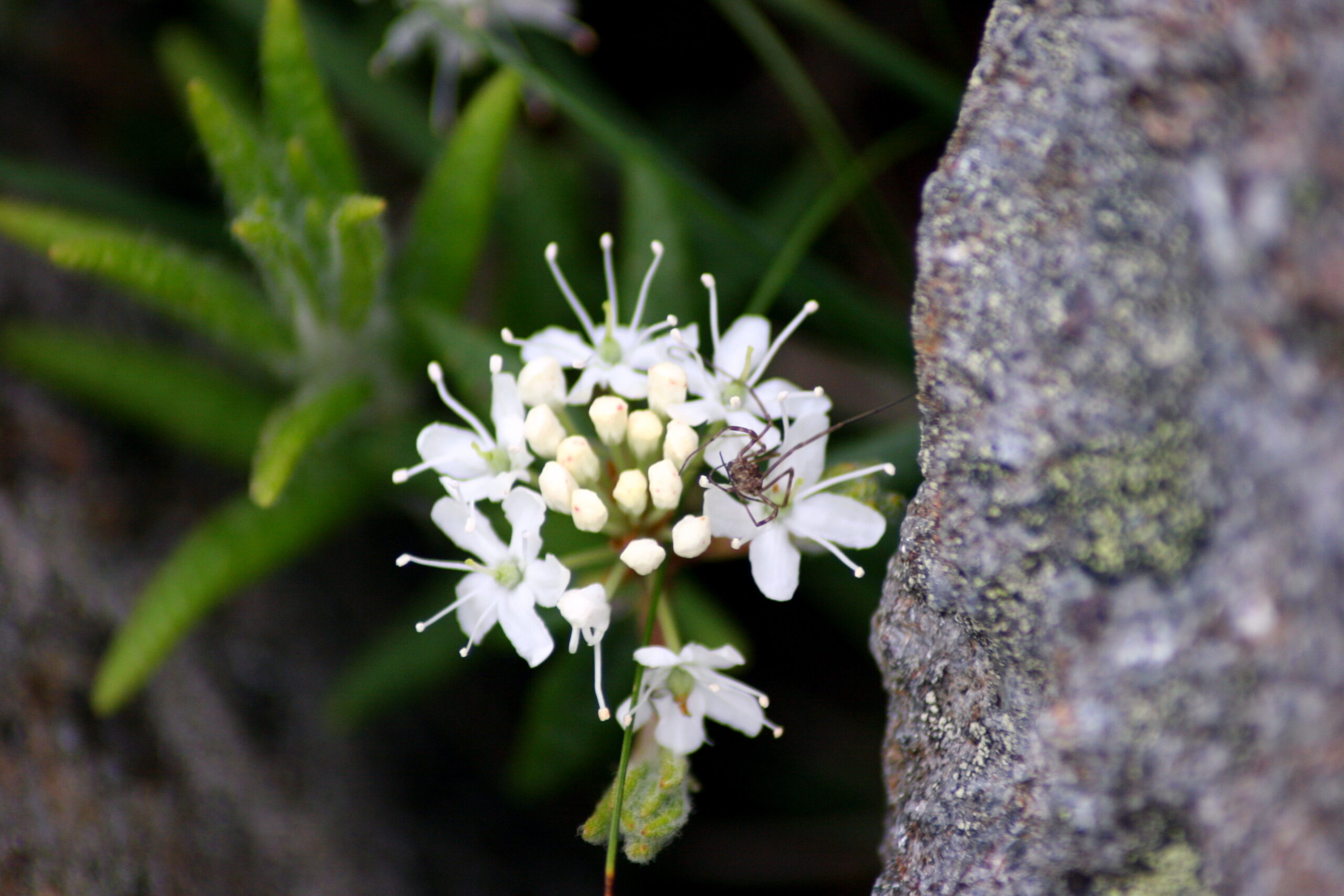
This is not tea in the imported sense, but a northern plant infusion with a long history of use. Labrador tea comes from shrubs in the genus Rhododendron that grow in bogs and boreal regions across much of Canada.
Indigenous peoples in several regions brewed the leaves as a warming drink and also used the plant in traditional medicine. Its role varied by community, but it was a practical example of how beverages could come from local landscapes rather than overseas trade.
Modern foragers still recognize Labrador tea, though species identification matters because related plants can differ in safety and traditional use. What has faded for many Canadians is the older everyday habit of making comforting, aromatic drinks from native plants close at hand.
Pacific salmon
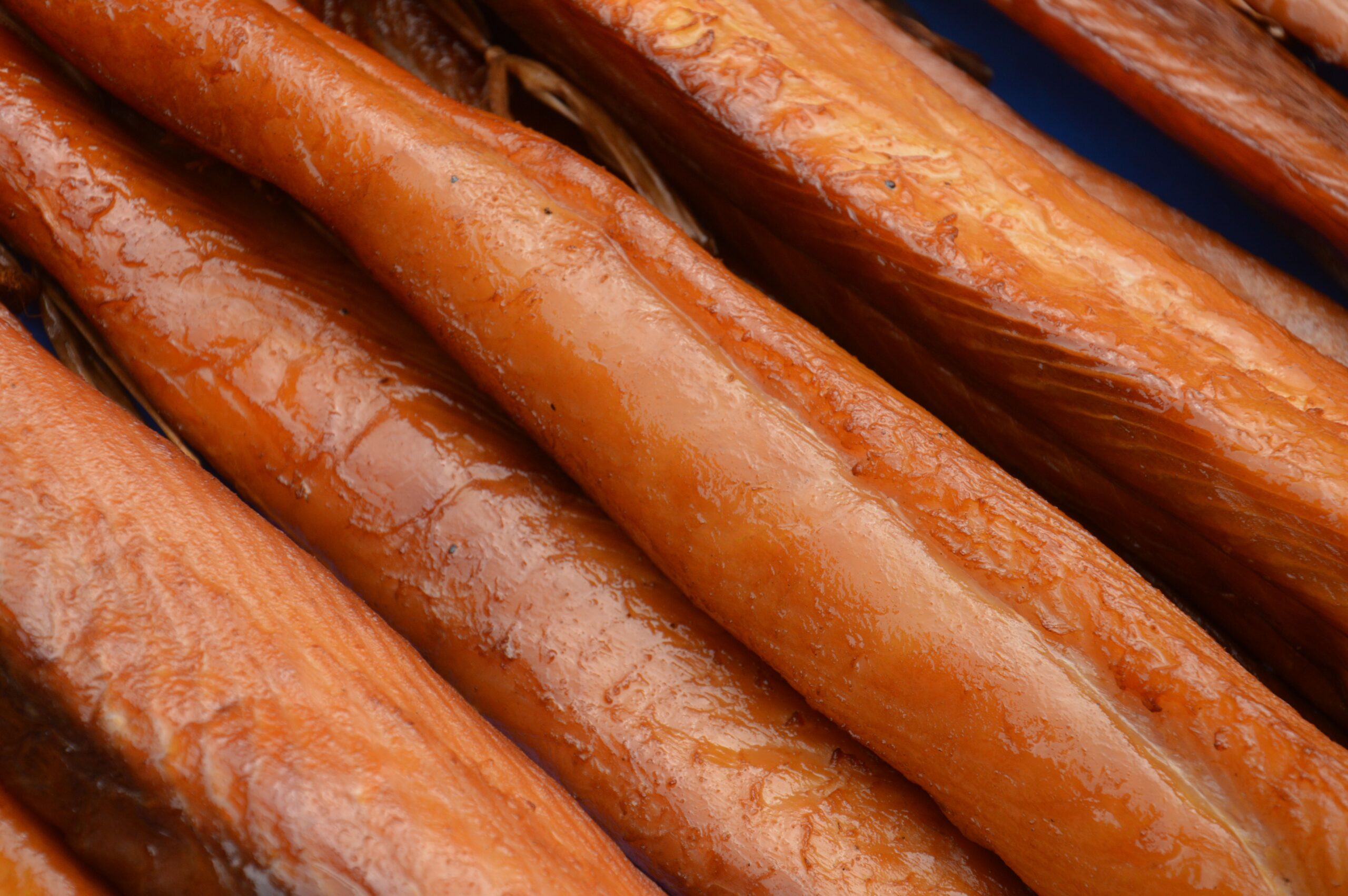
Salmon is hardly forgotten on the West Coast, but the traditional Indigenous food systems built around it often are. For many First Nations in British Columbia and along the Pacific coast, salmon was not just a meal but a central seasonal resource.
People harvested, smoked, dried and stored salmon in ways that made it available well beyond the fishing season. Those preservation methods supported year round food security and were tied to trade, ceremony and family labor.
Different salmon species arrived at different times, and that shaped the annual round of work. When people reduce salmon to a restaurant fillet, they miss the deeper history of smokehouses, river knowledge and stewardship practices that sustained communities over generations.
Eulachon grease
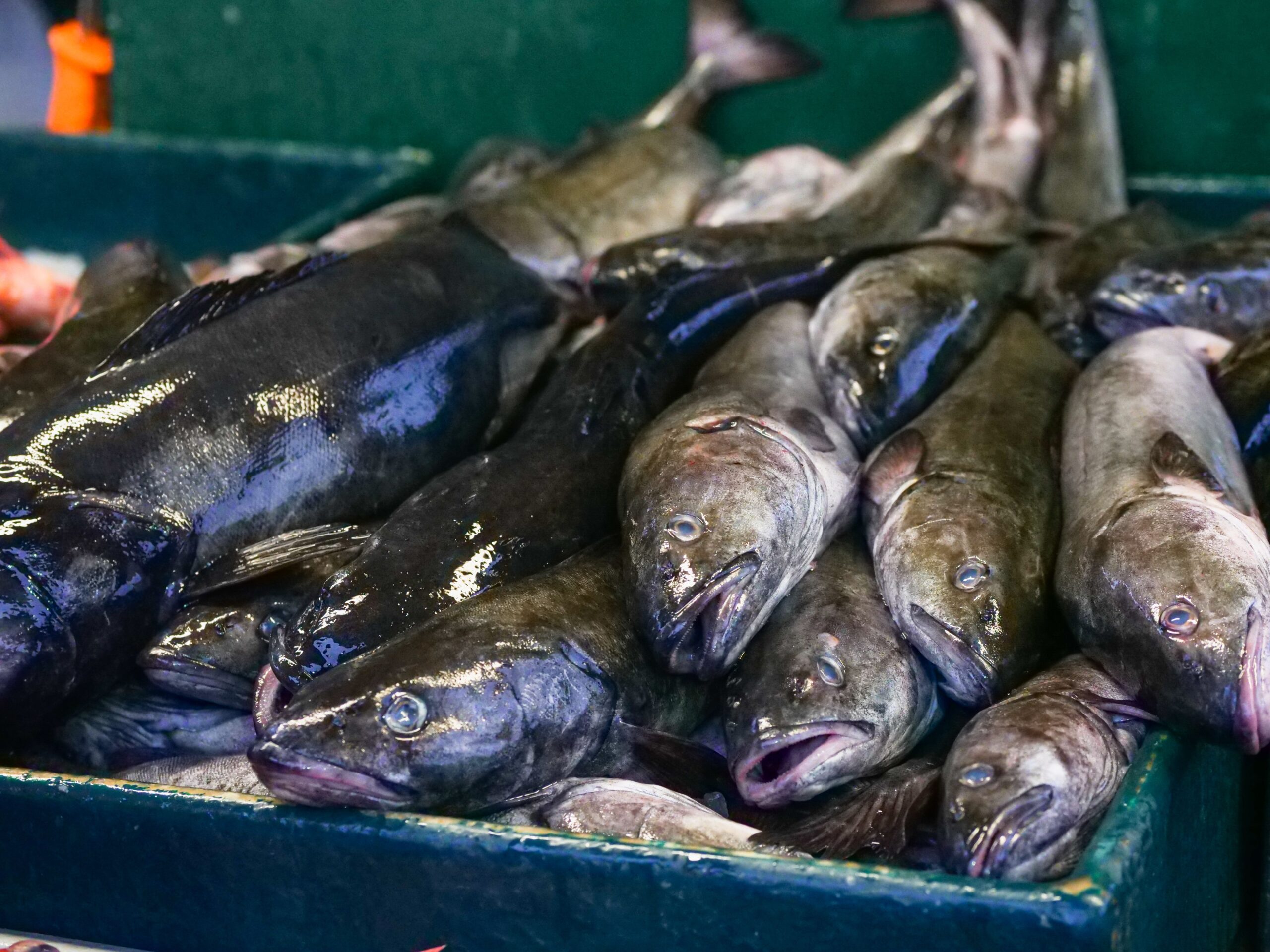
Some of the most important traditional foods were not solid foods at all. Eulachon grease, made from small oily fish also called candlefish, was one of the most valued trade items on the Northwest Coast.
First Nations processed eulachon by allowing the fish to break down in controlled conditions before heating them so the oil could be skimmed off. The result was a rich, calorie dense grease used as food and traded over long distances along routes that became known as grease trails.
Its value came from both flavor and nutrition. In a cold climate, concentrated fat mattered. Today, many Canadians have never heard of eulachon grease, even though it once connected coastal and interior communities through one of the most important food trade networks in the region.
Camas bulbs
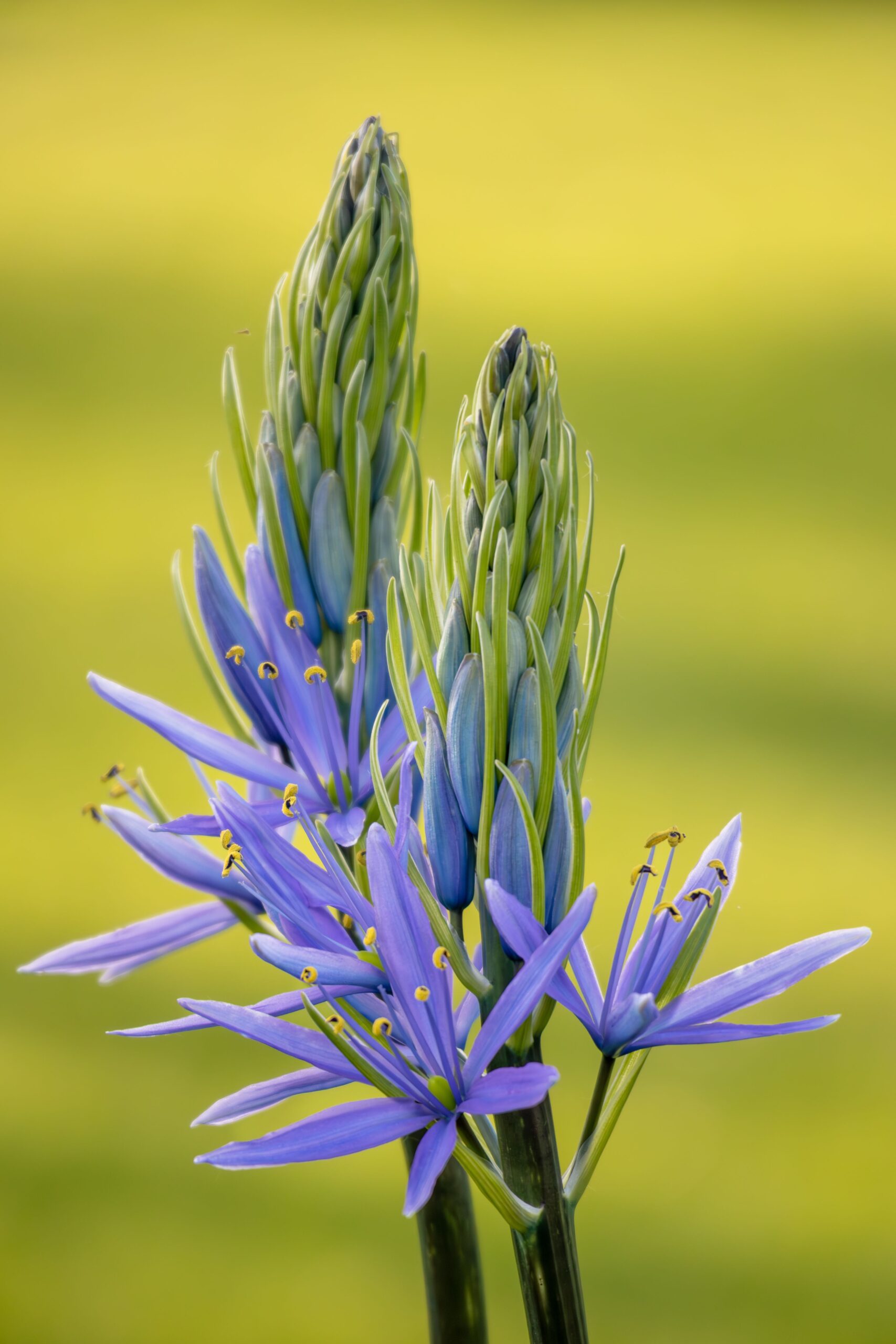
At first glance, camas looks like a flower, not a staple food. But for Indigenous peoples on the Pacific coast, especially in what is now British Columbia, camas bulbs were an important carbohydrate source.
The bulbs were traditionally dug, then slow cooked in earth ovens. That long cooking process converted inulin, a starchy carbohydrate, into sweeter, more digestible sugars, changing both taste and texture.
Camas meadows were managed landscapes, not untouched fields. Careful harvesting and stewardship helped maintain future crops. Because the plant is less visible in modern diets, many people forget that root foods like camas once played the same grounding role that potatoes or bread later came to hold.
Maple sugar
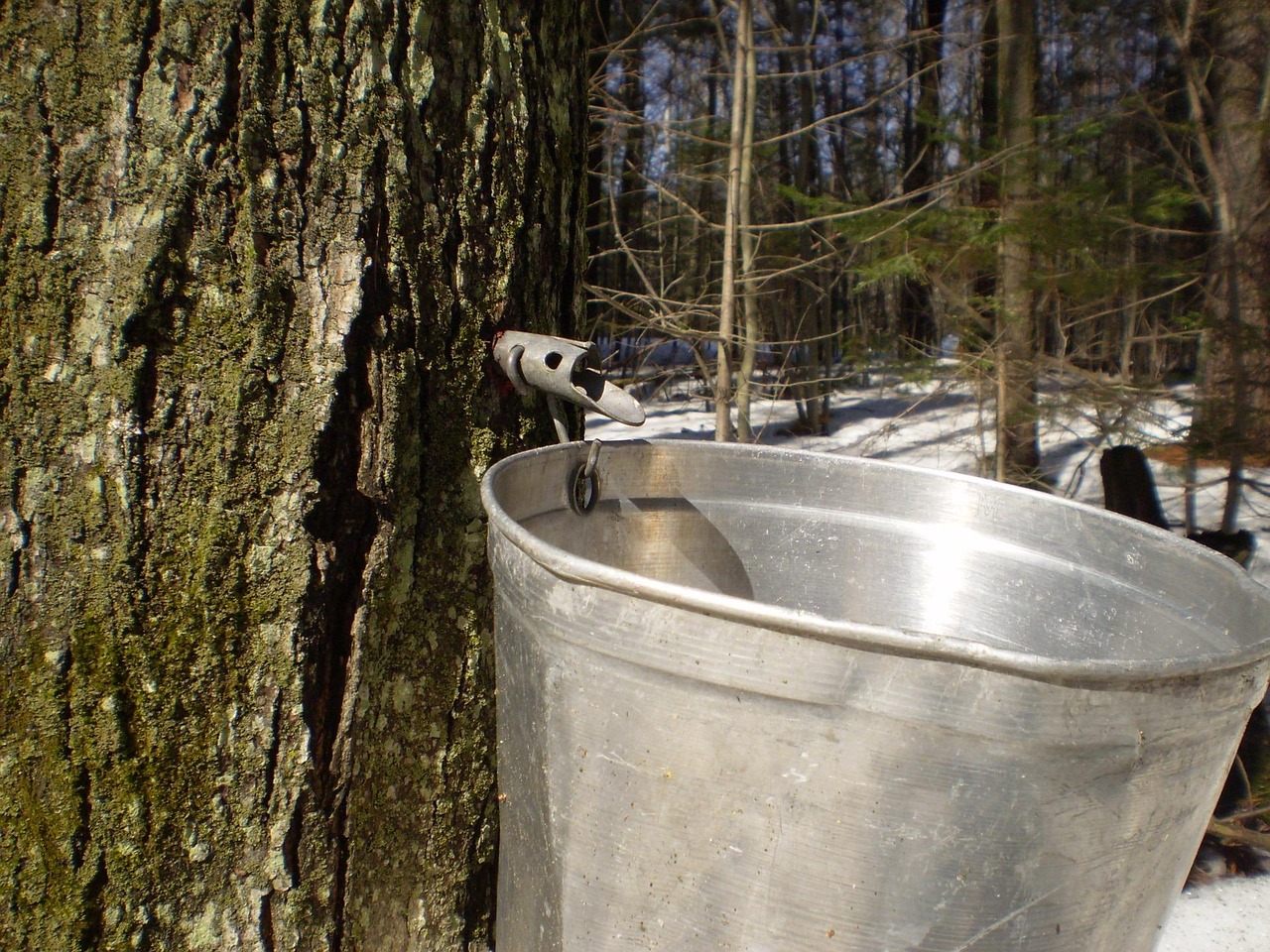
Maple syrup is famous, but maple sugar's Indigenous roots are less widely understood. Indigenous peoples in northeastern North America were producing sweeteners from maple sap before European settlement, using knowledge of seasonal thaw cycles and tree tapping.
Boiling sap down created syrup, sugar and other concentrated forms that were easier to store and transport. This was a practical sweetener, but it also fit into broader seasonal food cycles at the end of winter, when stored foods were running low and fresh resources were beginning to return.
That matters because maple is often framed as a national symbol without enough attention to where the technique came from. In its earlier context, maple sugar was not a souvenir flavor. It was a smart seasonal food and part of a larger Indigenous knowledge system.



Leave a Reply