
Canada's food story is often told through familiar staples, but many of those staples arrived through migration, labor, and adaptation. These six slides trace how immigrant communities helped define Canadian eating habits, even when their influence was ignored or folded into a vague national identity.
Chinese Canadian chop suey houses
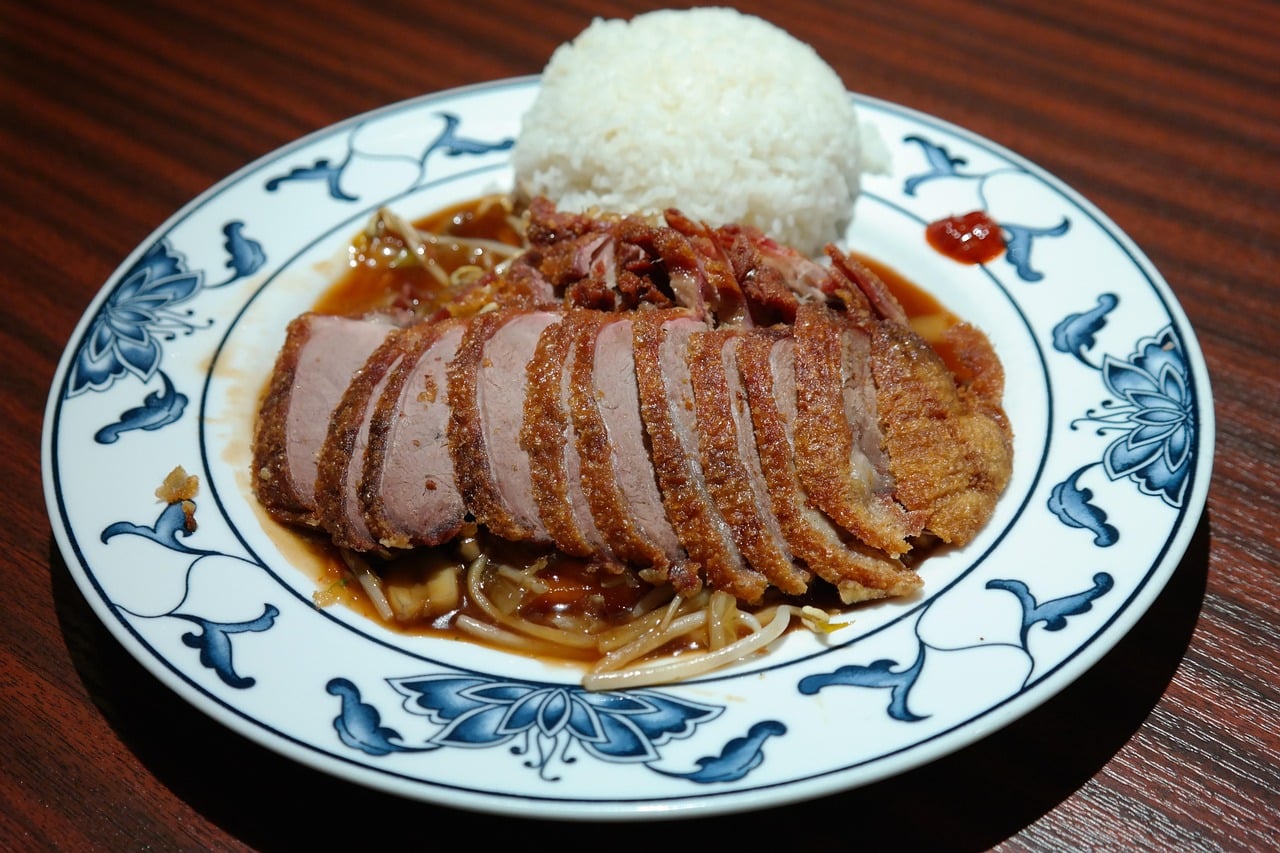
Long before multiculturalism became official policy in 1971, Chinese immigrants had built one of the country's most widespread restaurant traditions. Historians note that by the early 20th century, Chinese-run cafes and chop suey houses appeared in towns and cities across Canada, often serving both Chinese dishes and Western comfort food to survive in a hostile climate shaped by exclusion laws and anti-Chinese racism.
Those restaurants mattered beyond the menu. After the Chinese head tax and the Chinese Immigration Act of 1923 sharply restricted family reunification and mobility, food businesses became one of the few economic paths available. The result was a distinctly Chinese Canadian restaurant culture that helped normalize takeout, late-night dining, and hybrid menus. For many Canadians, their first regular encounter with "restaurant food" came from Chinese Canadian operators, even when the cuisine was treated as ordinary and the people behind it were not.
Prairie pierogi kitchens
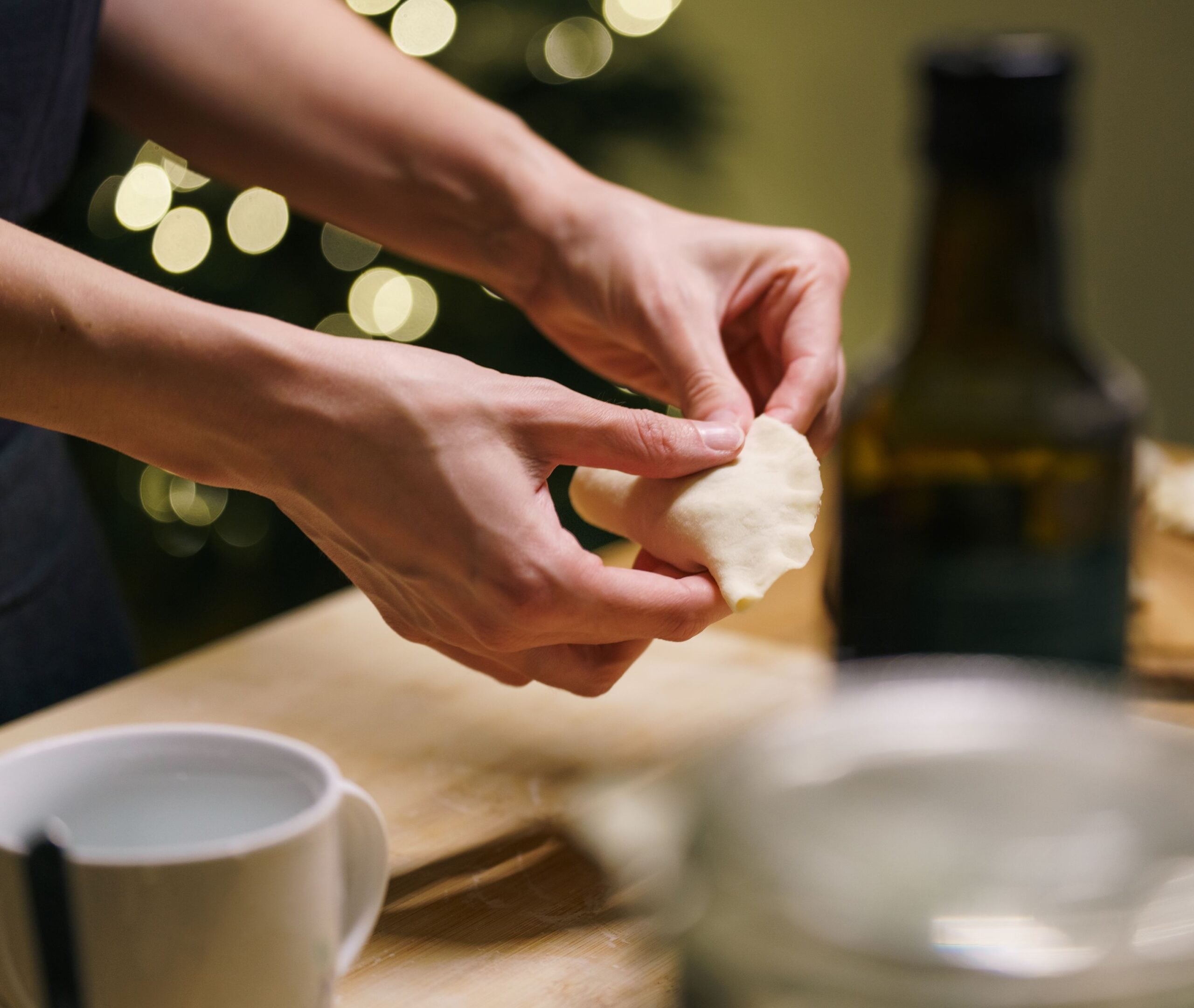
Perogies, often spelled pierogies in Canada, are now so common in prairie supermarkets, church halls, and family freezers that they can seem detached from any one origin. In fact, they arrived with Eastern European immigrants, especially Ukrainians, who began settling in large numbers in the Prairies in the late 19th and early 20th centuries, bringing dumpling traditions built around wheat, potatoes, onions, and dairy.
In Alberta, Saskatchewan, and Manitoba, community cooking turned the dish into a social institution. Church basements and community halls became production lines where volunteers pinched dough, filled pockets, and raised money through suppers and sales. That labor helped preserve language, religion, and local networks while also feeding wider towns and cities. Today, perogies are often presented as generic comfort food, but their place in Canadian kitchens was built by immigrant women's work, mutual aid, and prairie settlement patterns.
Italian Canadian tomato culture
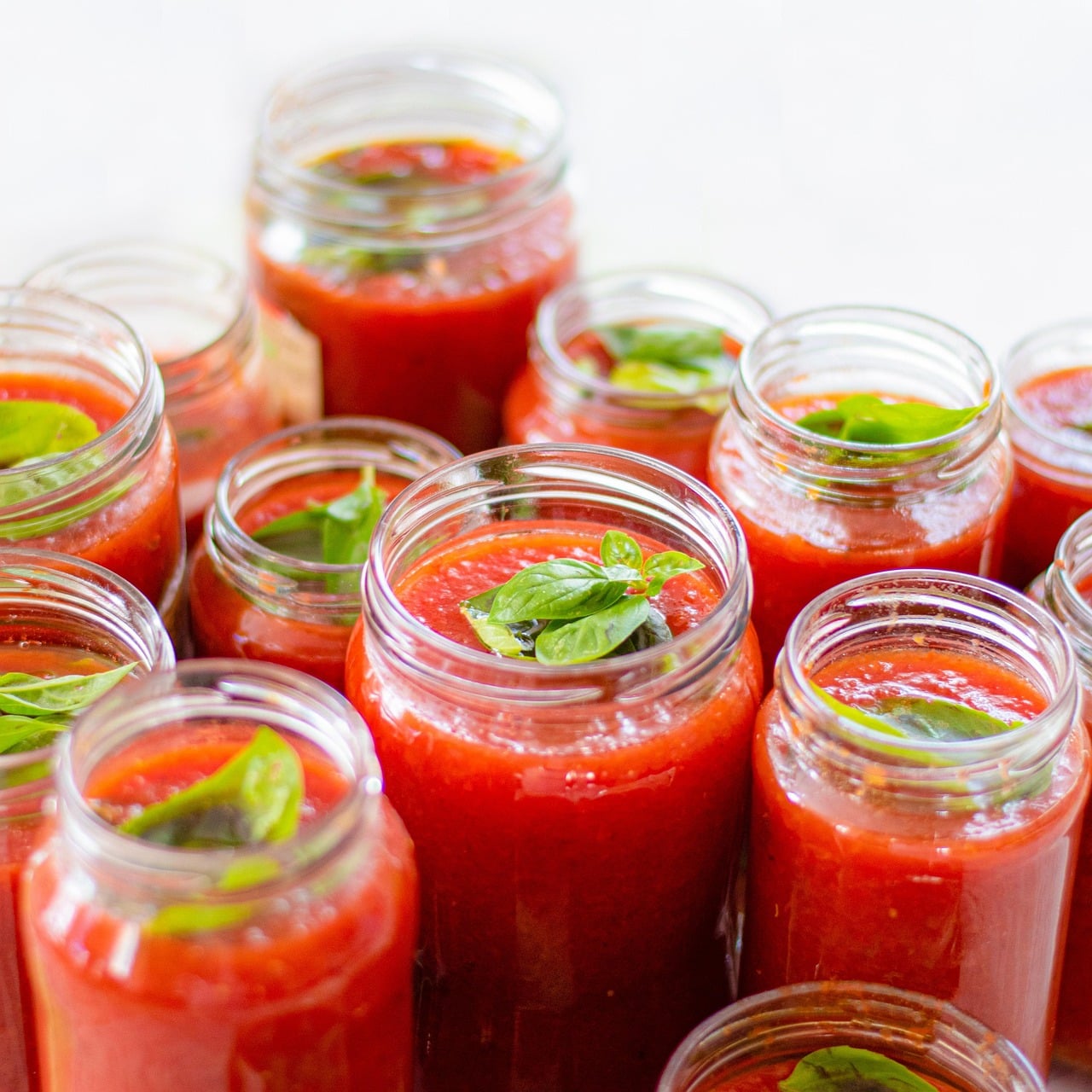
One of the clearest signs of Italian migration in Canada is not a restaurant at all, but a basement full of bottles. After major waves of Italian immigration in the years after the Second World War, home tomato preserving became a seasonal ritual in cities such as Toronto and Montreal. Families bought bushels of Roma tomatoes, ran them through presses, and stored sauce for winter, turning food preparation into a yearly community event.
Italian Canadians also changed the country's retail and dining habits. Their groceries, bakeries, espresso bars, and pizzerias helped broaden mainstream tastes for olive oil, cured meats, pasta, and coffee culture. What now reads as standard urban food life was once marked as foreign. Over time, the visible markers of Italian food were absorbed into Canadian daily life, but the credit often stopped at the dish itself, not the migrant households and neighborhood businesses that built the demand.
Caribbean patties in Toronto
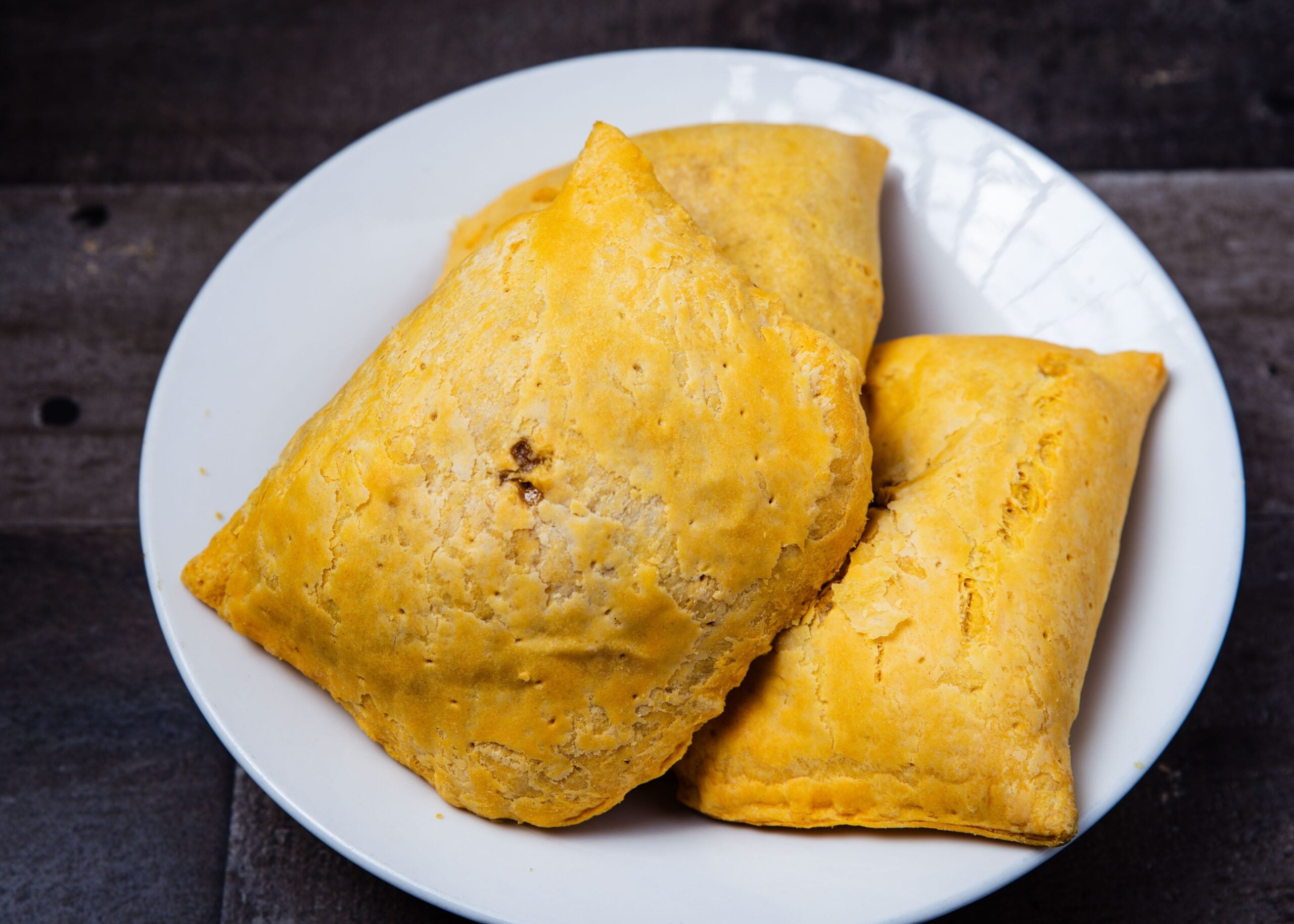
The Toronto patty is a street food with a policy history behind it. Jamaican and other Caribbean migrants helped establish patty baking and distribution in Toronto in the second half of the 20th century, making the flaky, savory pastry a fixture in transit hubs, school lunch counters, and convenience stores. It became one of the city's most portable foods, sold hot in small shops and by the box in bakeries.
Its popularity also exposed whose food got to belong. In the 1980s, a dispute over whether the word "patty" could be used in Canada, because of objections from the beef burger industry, ended with an agreement that allowed the term "Jamaican patty." The episode showed how a food could be deeply embedded in local eating habits while still being treated as an outsider. In Toronto, the patty's success came from Caribbean entrepreneurship, not from official recognition.
Sikh farmers and British Columbia blueberries
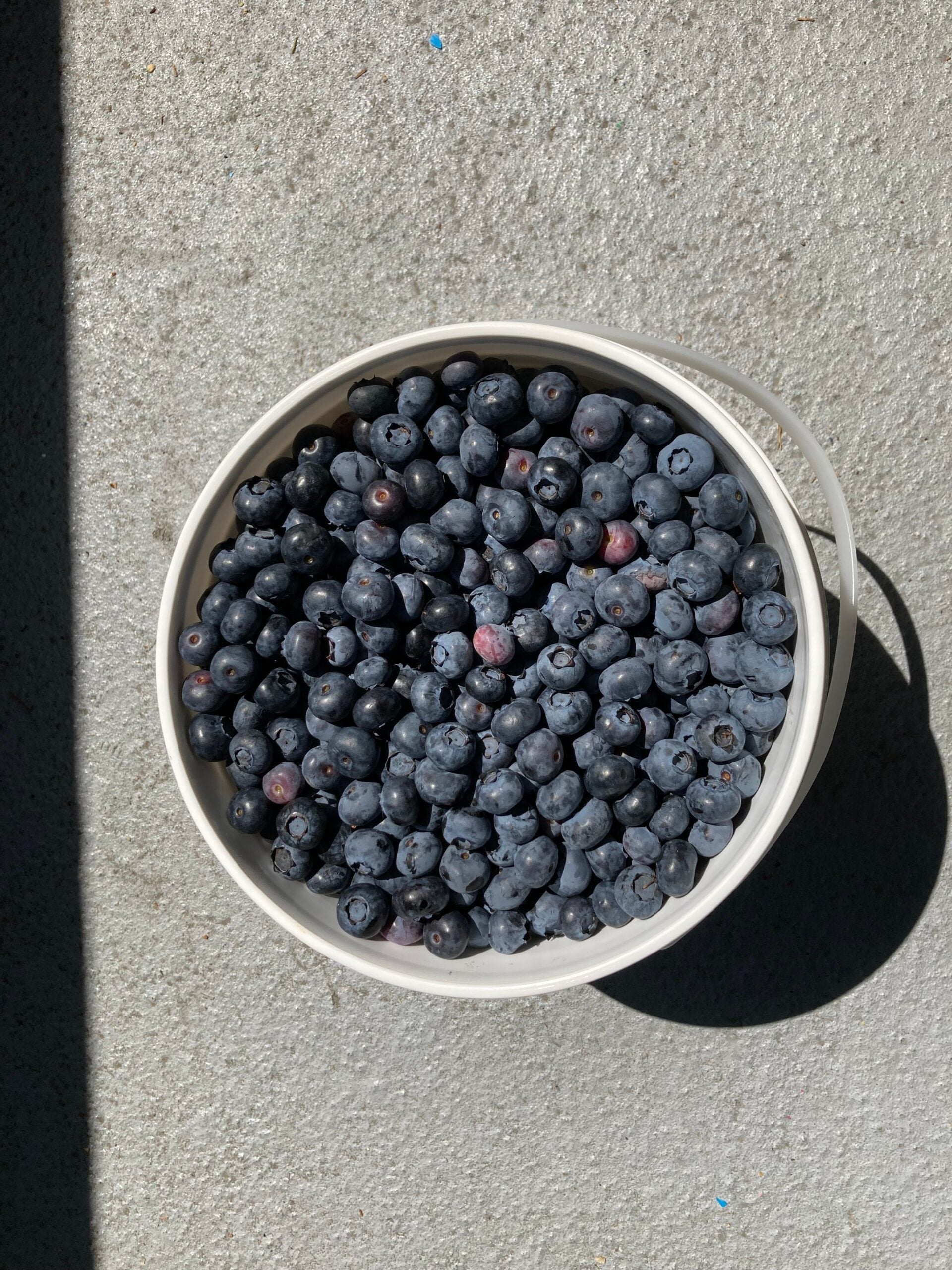
Some food influence happens in fields rather than on plates. Punjabi Sikh migrants have played a major role in British Columbia agriculture since the early 20th century, first in lumber and farming labor and later through land ownership, trucking, and packing. In the Fraser Valley, South Asian growers became especially important in berry production, including blueberries, one of the province's major export crops.
That matters because blueberries are often discussed as a B.C. success story without much attention to who grew the industry at ground level. Farm families supplied labor, built businesses across generations, and linked local agriculture to global markets. Their contribution belongs in the same conversation as better-known restaurant stories. Canadian food is not only shaped by what people cook, but also by who plants, harvests, transports, and scales the ingredients that end up on national tables.
Donairs in Halifax

Halifax's donair is often described as a local classic, but its roots run through immigration from the eastern Mediterranean. The dish was adapted in the 1970s by restaurateur Peter Gamoulakos, a Greek immigrant, who reworked elements of gyro-style street food into a version that suited local tastes: spiced beef, pita, raw onion, tomato, and a sweet garlic sauce made with evaporated milk, vinegar, and sugar.
That adaptation is exactly why the donair matters in this story. It shows how immigrant food traditions do not simply arrive unchanged, they evolve through business decisions, available ingredients, and customer habits. The Halifax donair became so tied to the city that it was later named its official food, yet the broader pattern can be easy to miss. A dish celebrated as local can still owe its life to immigrant knowledge, risk, and reinvention.




Leave a Reply