
Kraft Dinner is one of those pantry staples that feels almost identical on both sides of the border, until you read the boxes closely. Once Canadians learned how the American version is made, the comparison turned into a small food culture debate with one very clear punchline.
The ingredient lists are not the same
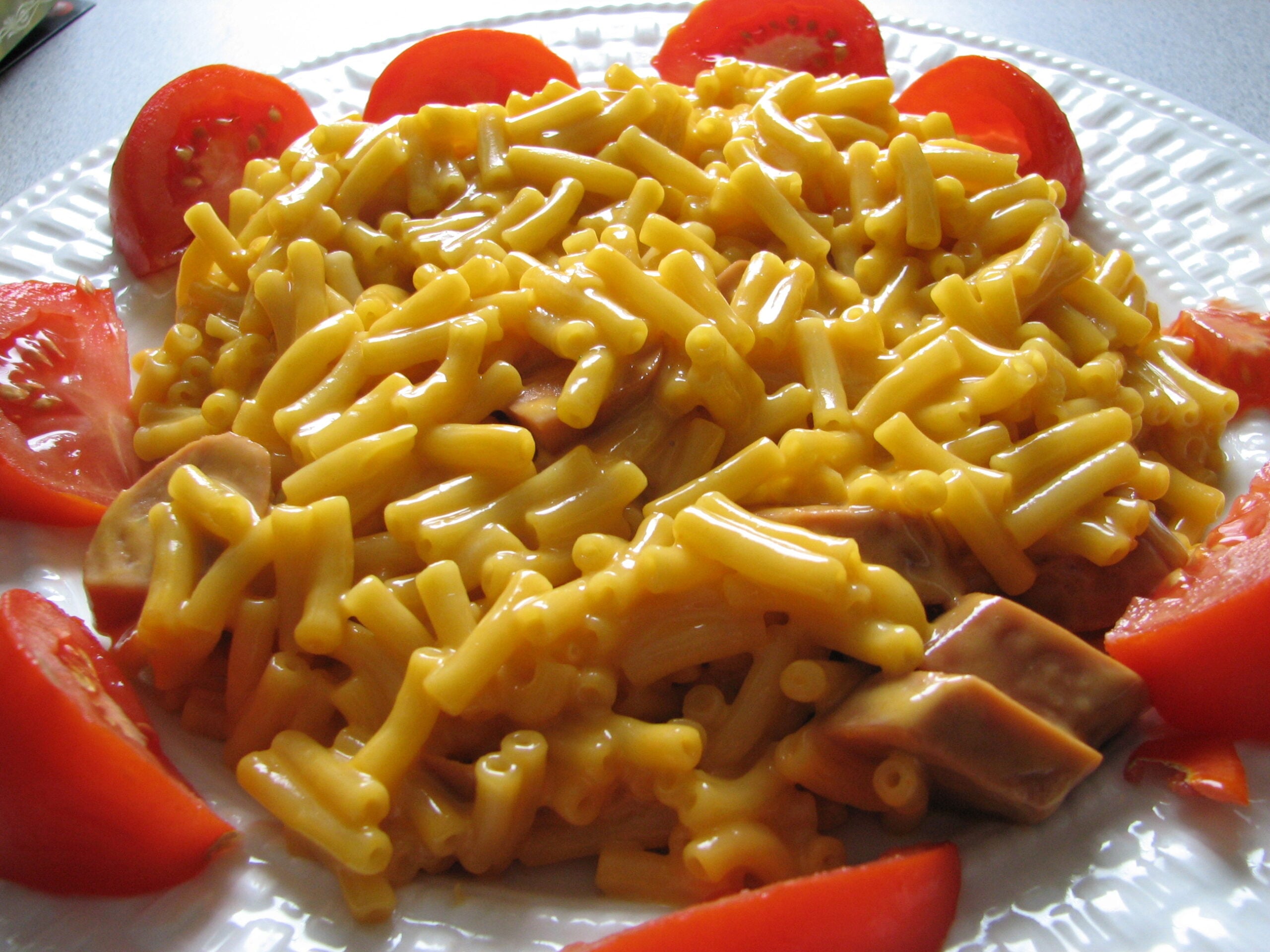
At a glance, Canadian Kraft Dinner and American Kraft Mac and Cheese look like near twins. They share the same bright color, the same fast prep, and the same place in childhood memories.
But the boxes are not built the same. The Canadian product contains cheddar cheese and butter in the cheese seasoning, while the American version does not list those ingredients in the same way.
Instead, the U.S. version includes enriched macaroni with added vitamins, plus ingredients such as tapioca flour, lactic acid, calcium phosphate, and enzymes. Those differences are what caught many Canadian shoppers off guard, because the products had long been treated like they were basically interchangeable.
Canadian KD leans on cheddar and butter
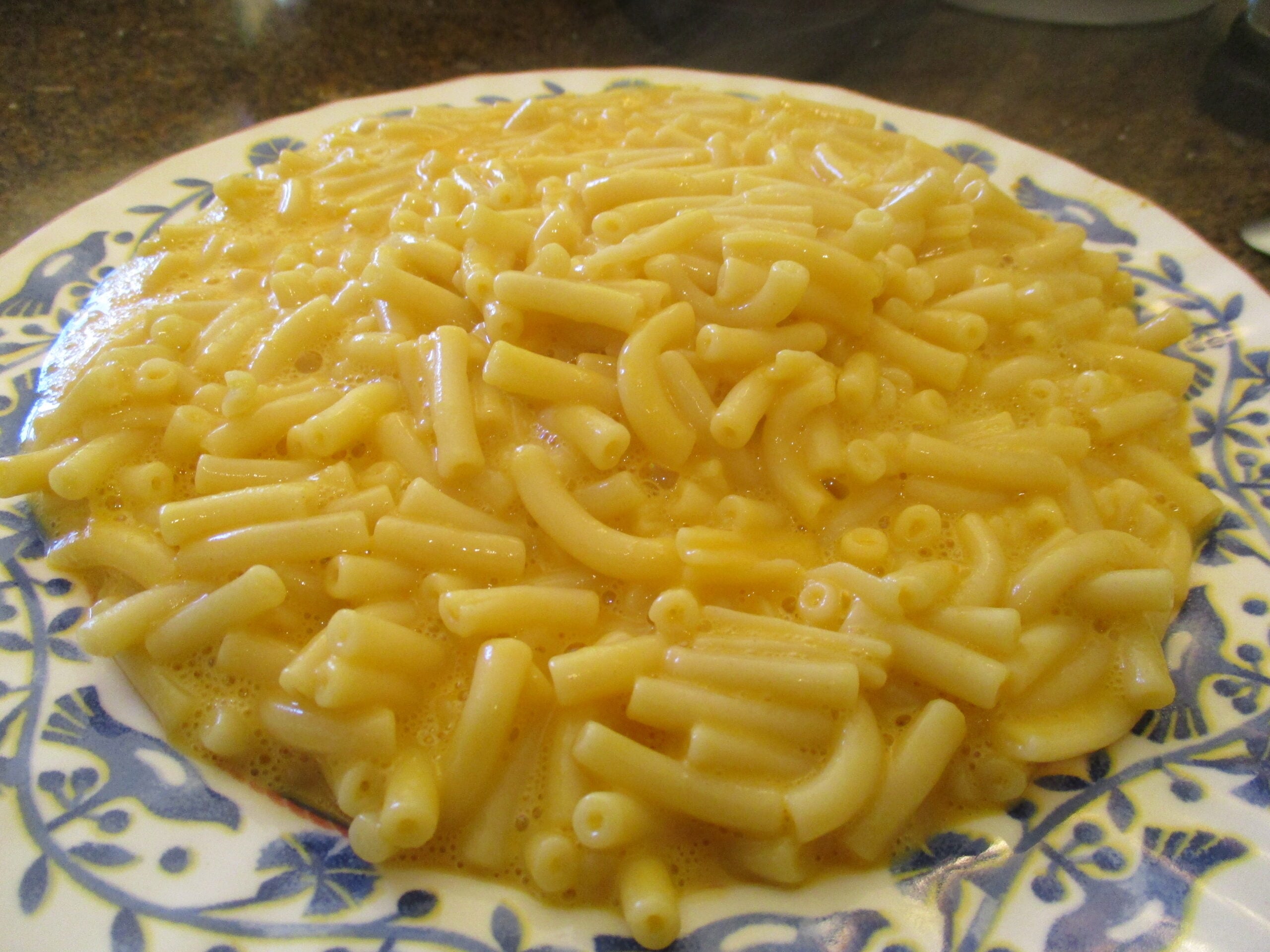
For Canadians, the biggest reveal was not just that the recipes differ, but how they differ. Cheddar cheese and butter are familiar kitchen ingredients, and seeing them in Canadian Kraft Dinner reinforces the idea that the product is closer to a classic boxed cheese pasta.
That does not make it homemade, and no one is pretending otherwise. It does mean the flavor system starts from ingredients many people instantly recognize.
That simple distinction matters in a food conversation like this one. When people compare labels, recognizable ingredients often shape perception just as much as taste does, and in this case Canadians felt their version came out looking more straightforward.
The American box is more heavily fortified
The American version takes a different route. Its macaroni is enriched, meaning vitamins are added back into the pasta, and its ingredient list includes tapioca flour, lactic acid, calcium phosphate, and enzymes.
Those ingredients are not random, and they are not automatically a problem. In processed foods, they can help with texture, acidity, consistency, and manufacturing performance.
Still, to many Canadian readers, the list sounded more engineered than comforting. That reaction helps explain the online frustration, because the issue was not just nutrition or safety, it was the feeling that two nearly identical brand names were actually delivering two noticeably different formulas.
Canada really does love Kraft Dinner more
This debate landed so hard because Kraft Dinner is not some niche product in Canada. It is one of the country's most enduring convenience foods.
Canadians consume over 55% more Kraft Mac and Cheese than Americans, and about 90 million boxes are sold in Canada every year. Those numbers help explain why people reacted so personally to the comparison.
For many households, KD is tied to student meals, late-night dinners, family routines, and pure nostalgia. When a food with that much cultural weight turns out to be different elsewhere, the conversation quickly becomes about identity as much as ingredients.
The surprise was that Canadians were getting the better deal
Usually, cross-border food talk assumes Americans get the bigger selection and the flashier limited editions. In this case, the reveal flipped that assumption.
The punchline for many Canadians was simple: they had been eating the genuinely better product all along and did not know it. Better, here, refers to the recipe differences described on the packaging, especially the presence of cheddar cheese and butter in Canadian KD.
That conclusion spread because it fit both the facts and the emotion of the moment. It gave Canadians a rare chance to feel not deprived by a U.S. counterpart, but quietly victorious over it.
A boxed dinner turned into a national bragging point
What started as an ingredient comparison became something bigger, a reminder that even mass-market foods can vary sharply from one country to another. For a product this familiar, those differences feel unusually personal.
Canadian Kraft Dinner now carries an extra bit of status in the public imagination. It is still cheap, fast, and deeply processed, but it also looks, on paper at least, more rooted in classic cheese flavor than the American version.
That is why the reaction stuck. Canadians were not just defending a blue box. They were defending a comfort food that, by the label, seems to justify their loyalty.



Leave a Reply