
A good Mediterranean diet breakfast usually starts with familiar foods, not specialty products. Think whole grains, fruit, yogurt, eggs, beans, nuts, seeds and olive oil, assembled in ways that are easy to prep ahead and pleasant to eat all week.
The 11 ideas below focus on breakfasts that hold up in the fridge, travel well and fit the style of eating linked with the traditional Mediterranean pattern. To round out the gallery, the last slide covers a simple meal prep strategy that helps these breakfasts work in real life.
Overnight oats with berries and walnuts
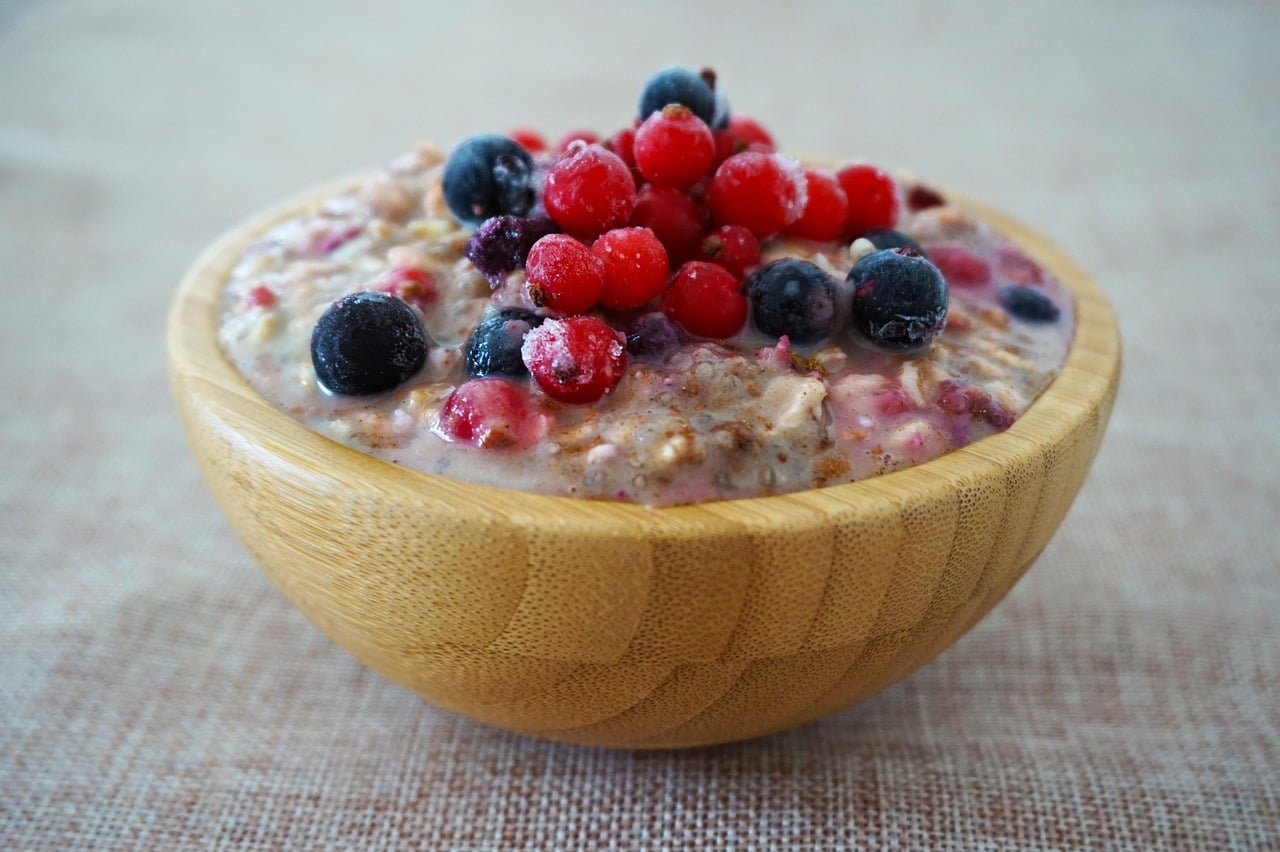
Few breakfasts are easier to prep in batches than overnight oats. Rolled oats soften in milk or yogurt while they chill, so breakfast is ready when you are, and the base fits neatly with Mediterranean diet staples such as whole grains, fruit and nuts.
For a balanced jar, combine oats with plain yogurt or milk, then add berries and a spoonful of chopped walnuts. Walnuts bring texture and healthy unsaturated fat, while berries add natural sweetness and fiber. If you want more flavor, cinnamon works well without turning the dish into dessert.
These jars usually keep well in the refrigerator for several days, which makes them useful for weekday planning. Pack toppings separately if you prefer crunch, or stir them in the night before for a softer texture.
Greek yogurt parfaits with fruit and seeds

Greek yogurt earns its place in meal prep because it is versatile, filling and quick to portion. In a Mediterranean-style breakfast, it pairs naturally with fruit, nuts and seeds instead of sugary mix-ins.
Layer plain Greek yogurt with sliced peaches, berries or chopped apple, then finish with pumpkin seeds or chia seeds. That combination adds protein, fiber and a range of textures in one container. A small drizzle of honey is optional, but fruit often provides enough sweetness on its own.
For the best texture, keep crunchy toppings separate until morning. If you prep several jars at once, use sturdy fruit that holds up well, such as berries or apples, rather than bananas, which soften faster.
Egg muffins with spinach and feta
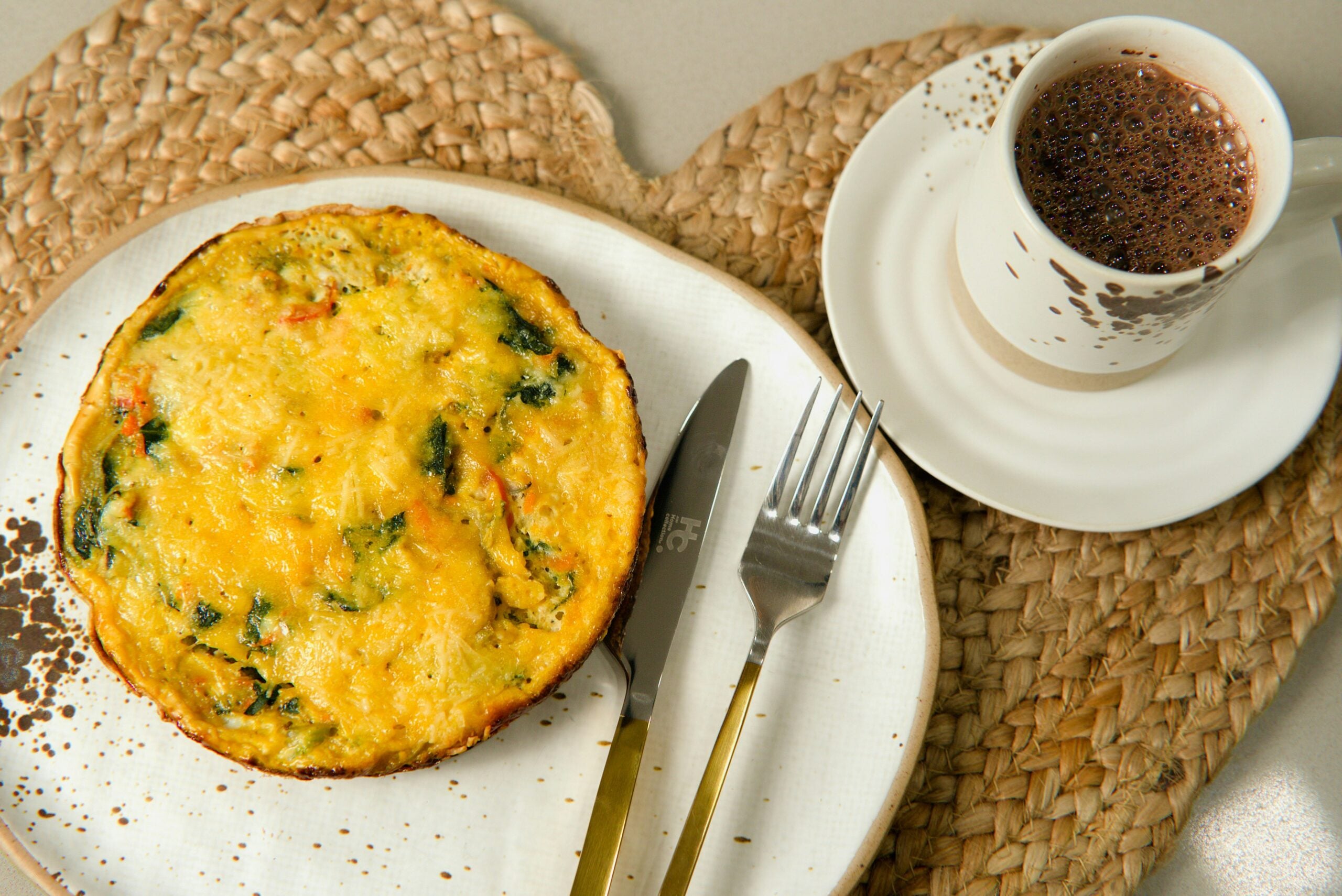
Egg muffins solve a common breakfast problem: wanting something savory that is still easy to grab on the way out the door. They bake in a muffin tin, portion themselves and reheat quickly.
A classic Mediterranean combination is spinach and feta. Whisk eggs, fold in chopped spinach and crumbled feta, then bake until set. You can add diced tomato, onion or herbs like parsley for more flavor, but the basic version is already rich enough to feel satisfying.
Stored in the refrigerator, these hold up well for several days. Pair them with fruit or whole grain toast, and you have a breakfast that feels complete without much morning effort.
Chia pudding with figs and pistachios
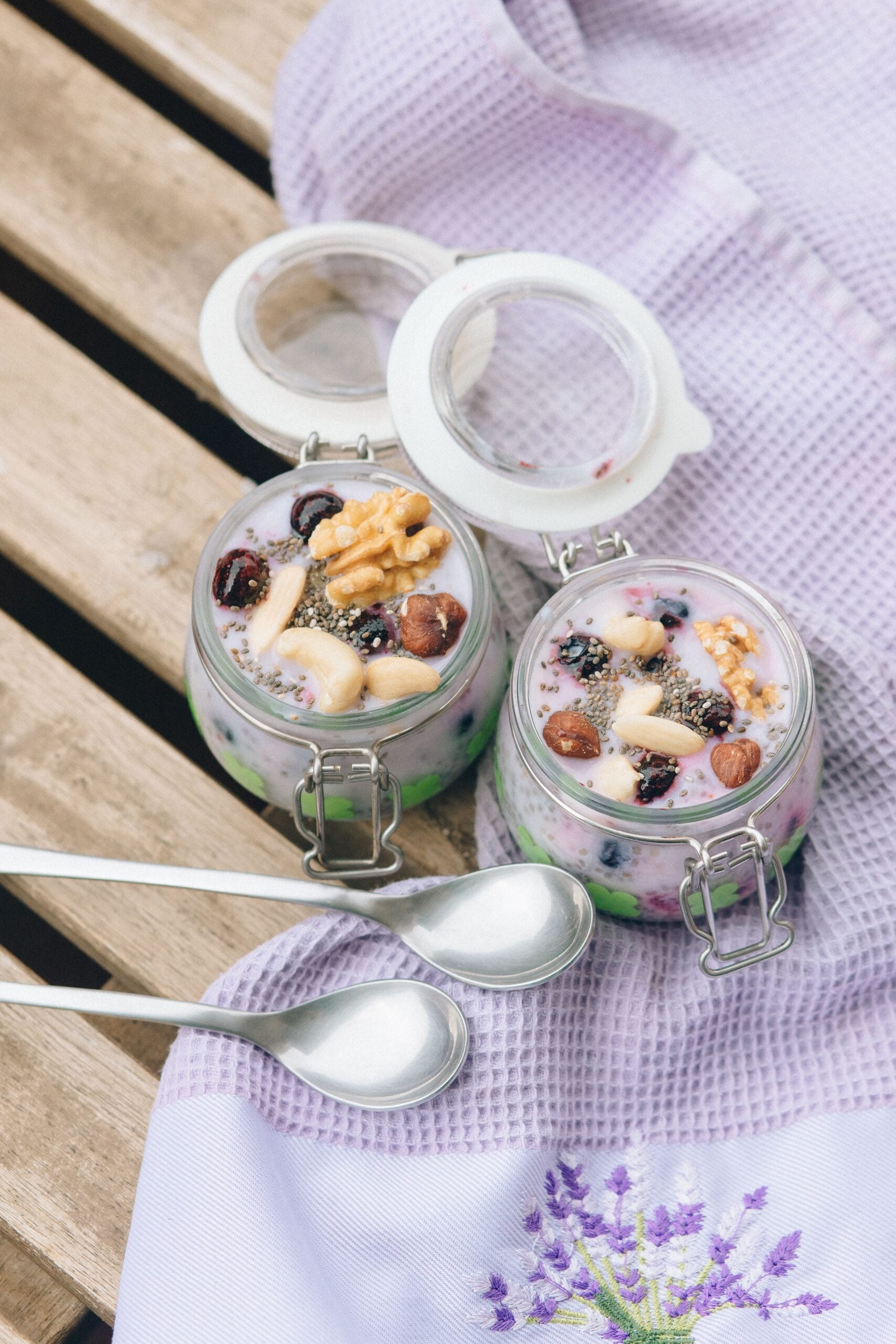
Chia pudding is one of the simplest make-ahead breakfasts because the seeds do the work for you. Once mixed with milk, they absorb liquid and thicken into a spoonable pudding by morning.
For a Mediterranean-inspired version, top plain chia pudding with chopped dried figs or fresh figs when available, plus pistachios. Figs bring sweetness and chew, while pistachios add crunch and a nutty finish. The result feels a little more interesting than standard berry pudding but uses ingredients common in Mediterranean cooking.
This is a smart choice for people who prefer a cool breakfast and want something easy to portion into individual containers. Stir well before chilling so the seeds distribute evenly.
Whole grain breakfast bowls with farro
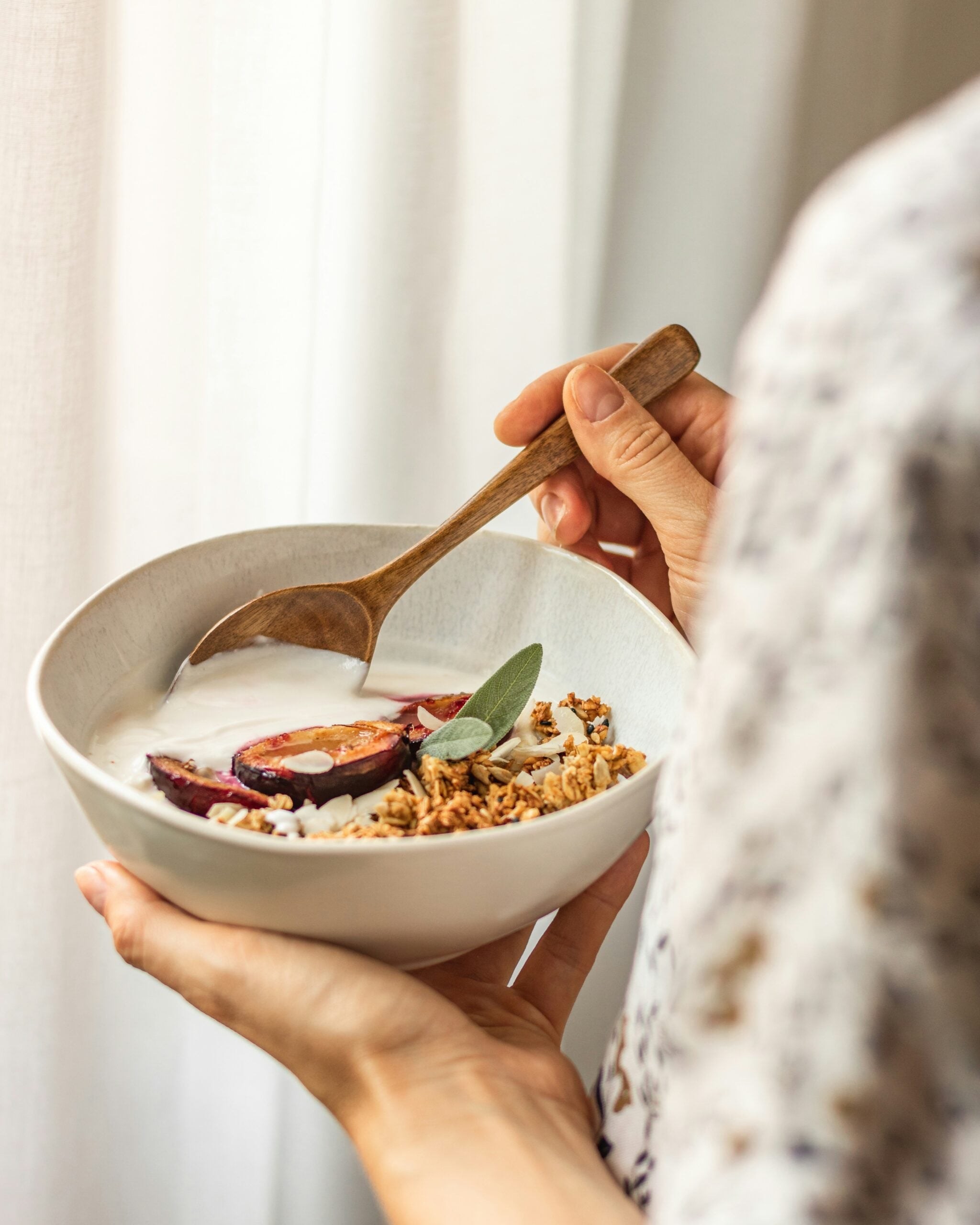
Breakfast does not have to begin with oats. Farro, an ancient whole grain with a pleasantly chewy texture, makes an excellent base for meal prep bowls and fits the grain-forward spirit of Mediterranean eating.
Cook a batch of farro ahead of time, then portion it into containers with plain yogurt, chopped pear and almonds. Another option is a savory bowl with a soft-boiled egg, tomatoes and a drizzle of olive oil. Both versions offer substance, which helps if you need breakfast to carry you through a long morning.
Because farro keeps its texture well, it stands up better than some softer grains over several days. Serve it chilled or gently warmed, depending on the toppings.
White bean and tomato breakfast toast
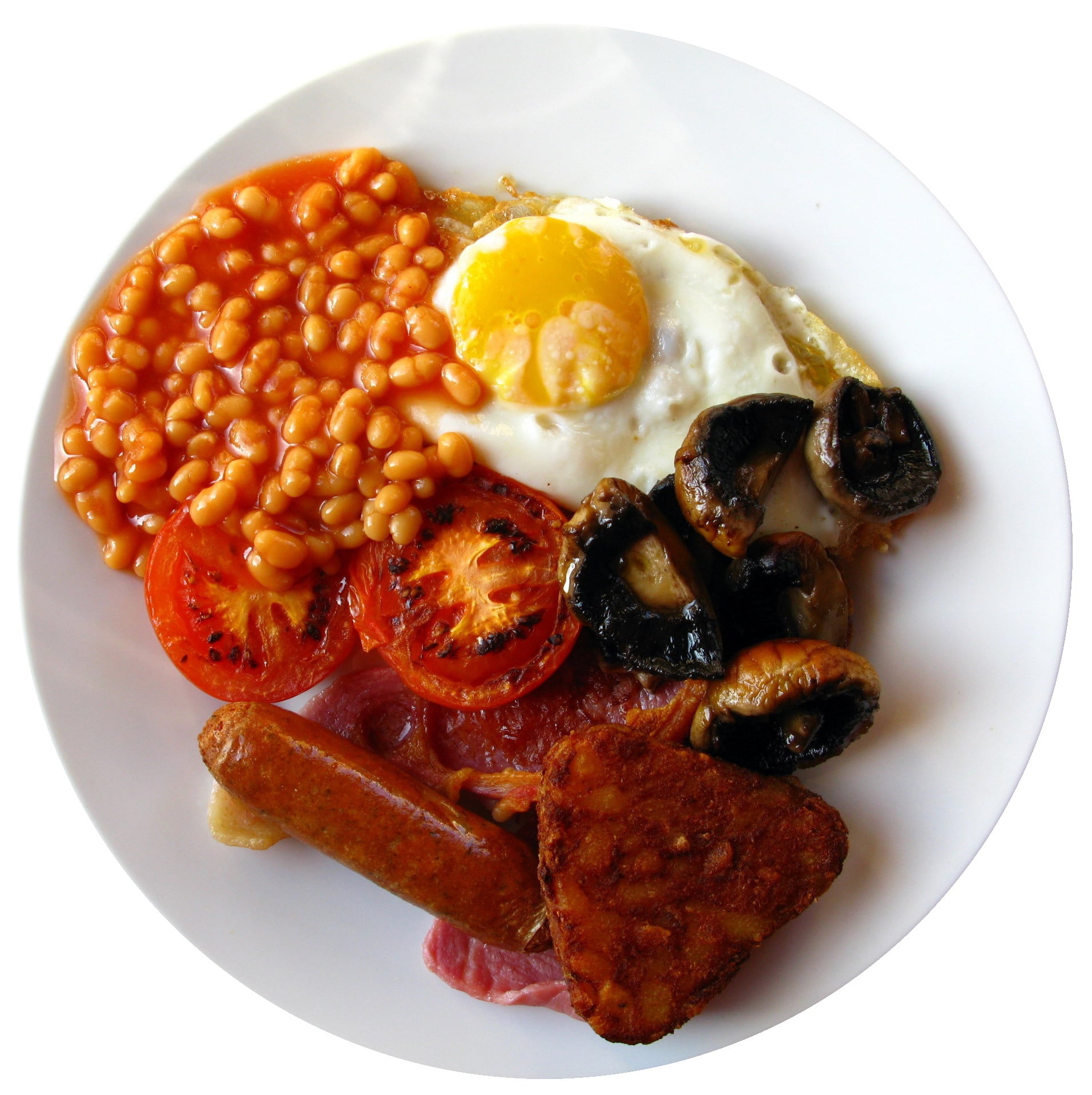
Beans at breakfast can sound unusual if you are used to cereal or pastries, but they fit naturally into the Mediterranean pattern. They are filling, affordable and easy to prep in advance.
Mash cooked white beans with a little olive oil, lemon and black pepper, then spread the mixture over whole grain toast. Top with chopped tomatoes and a sprinkle of herbs such as basil or parsley. The combination is simple, but it gives you fiber, plant protein and freshness in one quick meal.
To keep the bread from getting soggy, store the bean spread and tomato mixture separately. Assemble in the morning, or pack the toppings for a desk breakfast.
Baked oatmeal with apples and cinnamon
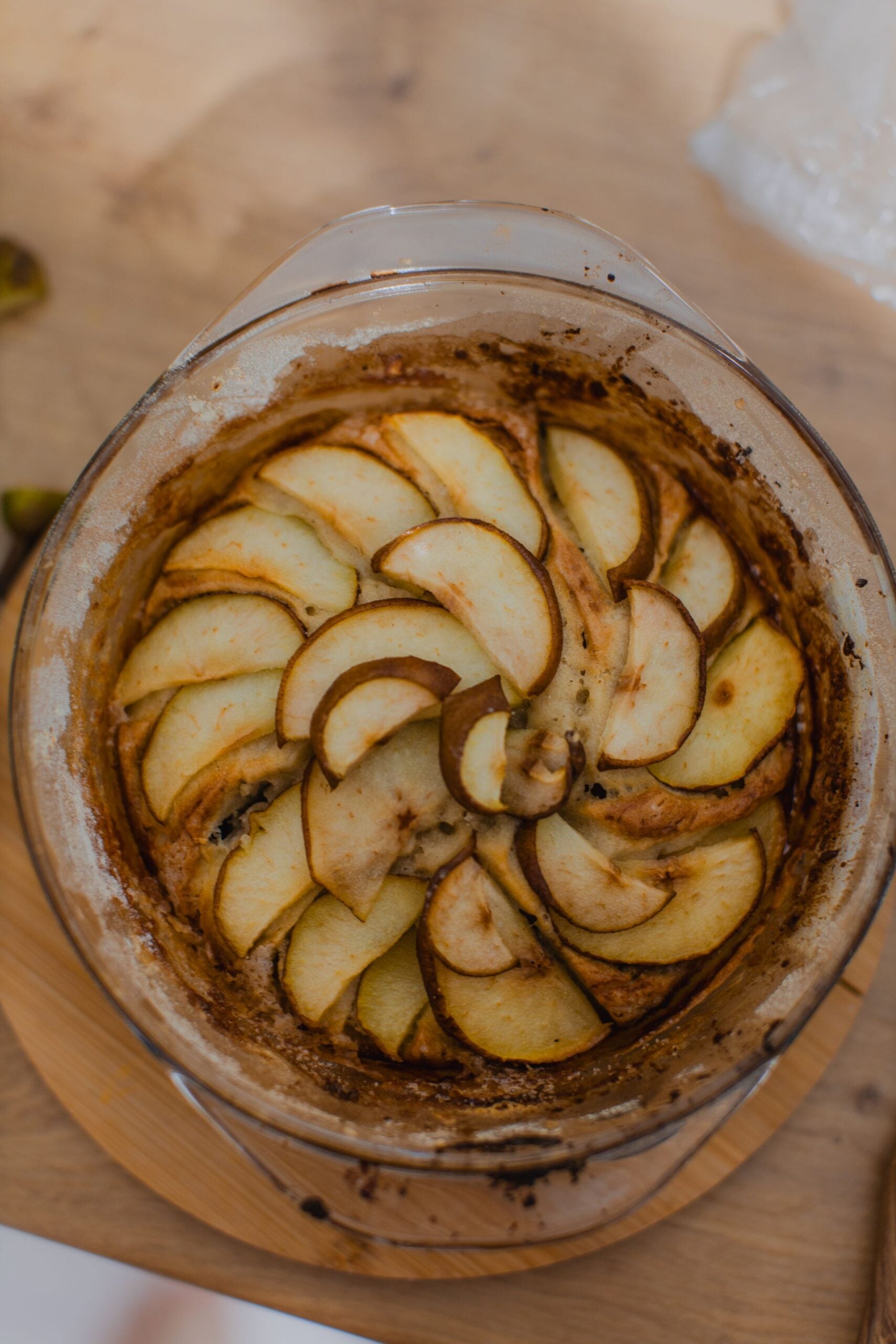
Baked oatmeal feels more structured than overnight oats, which makes it appealing for people who want a breakfast they can slice, pack and reheat. It is still built around oats, one of the easiest whole grains to prep for the week.
A Mediterranean-style version can include apples, cinnamon and chopped nuts such as walnuts or almonds. The fruit softens as it bakes, adding moisture and sweetness. You can use milk or yogurt on the side, which turns a square of oatmeal into a more complete meal.
Once baked and cooled, cut it into portions and refrigerate them. It travels well and can be eaten warm or at room temperature, depending on your schedule.
Savory yogurt bowls with cucumber and olive oil
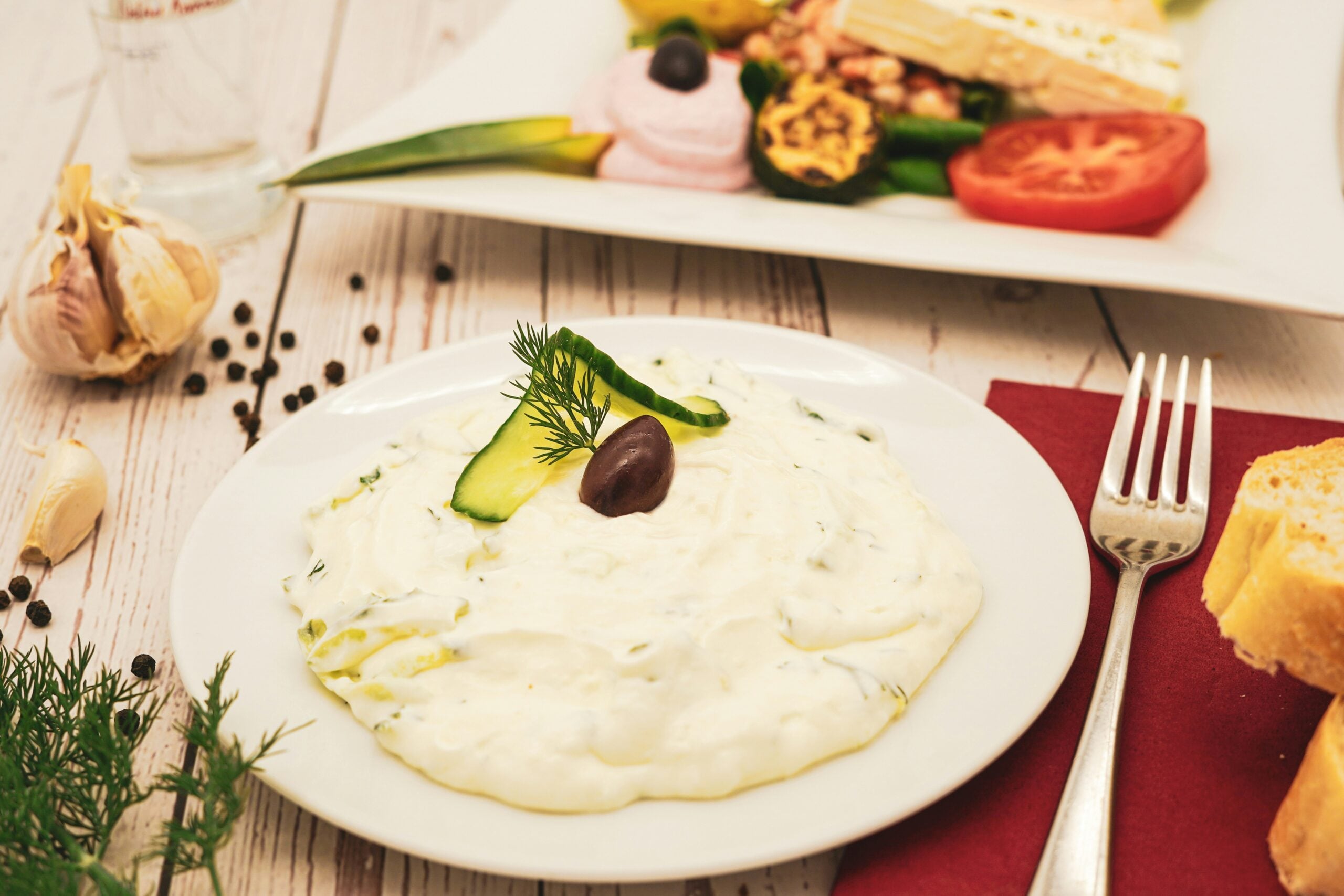
Not every yogurt breakfast needs fruit. In many Mediterranean food traditions, yogurt shows up in savory dishes too, and that approach works surprisingly well first thing in the morning.
Start with plain Greek yogurt, then add chopped cucumber, tomatoes, herbs and a small drizzle of olive oil. A spoonful of seeds or a few chopped olives can add extra flavor. The bowl is cool, tangy and refreshing, with enough richness from the yogurt to feel substantial.
This is a good prep option for warm weeks or for anyone who prefers a less sweet breakfast. Pack the vegetables separately if you want the bowl to stay especially crisp.
Mini frittata squares with vegetables

A full frittata is useful meal prep because it turns a refrigerator drawer of vegetables into several ready-made breakfasts. Bake it in a square pan, then cut it into neat portions for the week.
Popular Mediterranean-style additions include zucchini, peppers, onions, spinach and a little feta. These ingredients add color and moisture without making the eggs heavy. Herbs such as dill, parsley or oregano brighten the whole dish and help it taste fresh after reheating.
Serve a square on its own, with sliced fruit, or tucked into whole grain pita. The format is flexible, and that is part of what makes it dependable for busy mornings.
Cottage cheese bowls with tomatoes and herbs
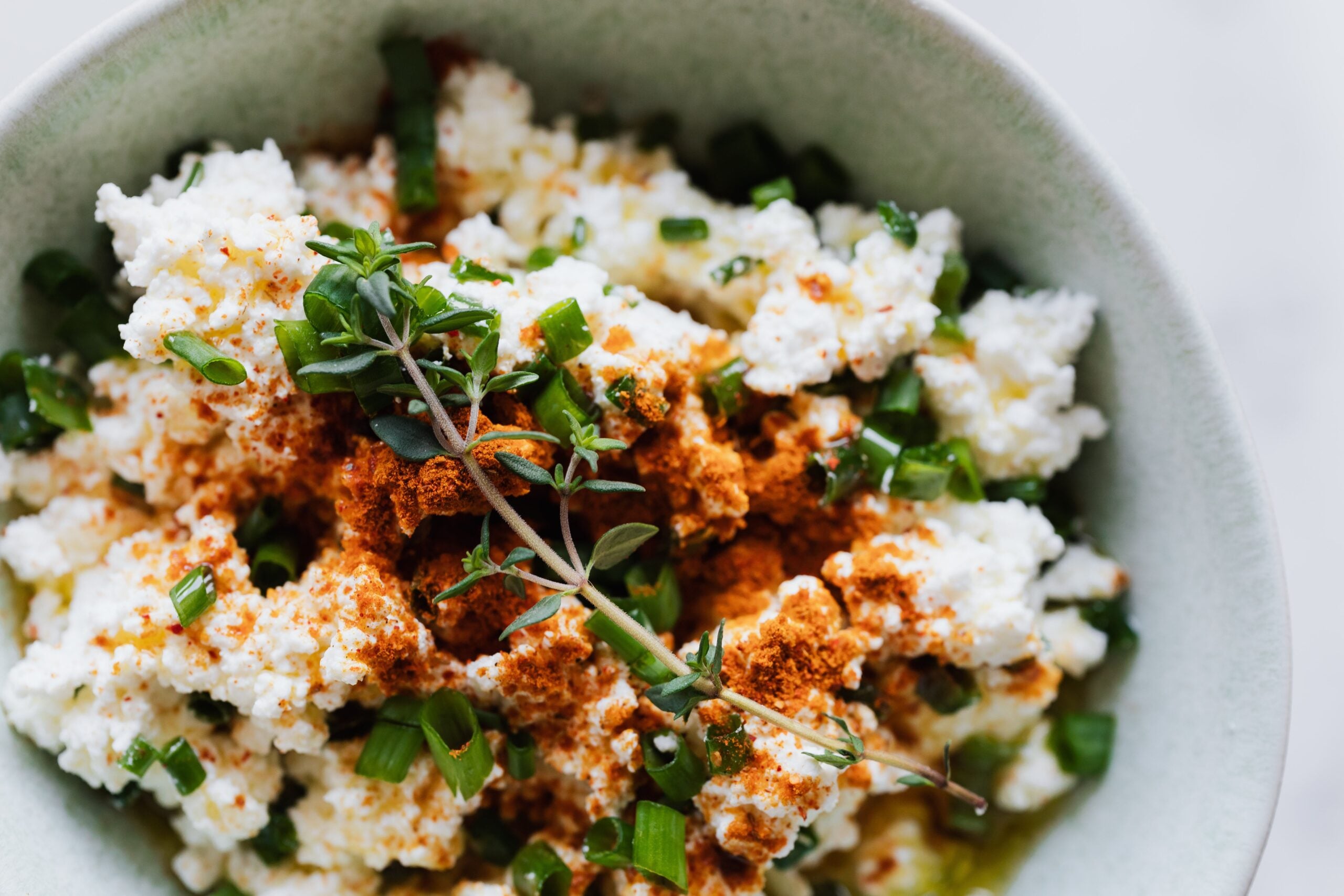
Cottage cheese is sometimes overlooked in Mediterranean-style meal prep, but it works well with the same fresh ingredients that flatter yogurt. It is mild, creamy and easy to pair with produce.
For a savory bowl, spoon cottage cheese into a container and top with chopped tomatoes, cucumber, herbs and black pepper. A drizzle of olive oil pulls the flavors together and gives it a more Mediterranean feel. You can add whole grain crackers or toast on the side for crunch.
This option is especially helpful when you want a no-cook breakfast that still feels composed. It takes only minutes to assemble and keeps the ingredient list refreshingly short.
Breakfast quinoa with citrus and almonds
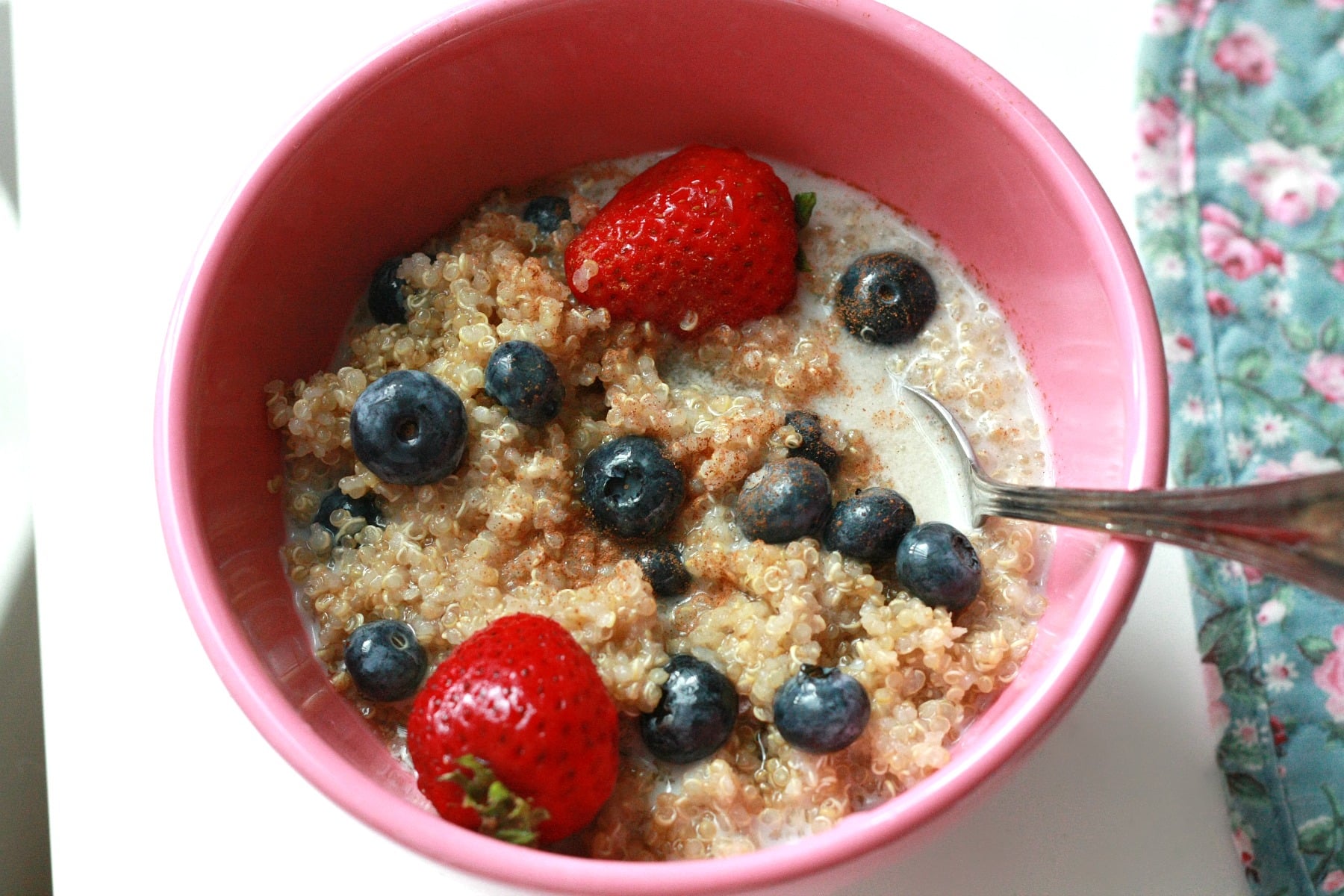
Quinoa is often treated like a lunch or dinner grain, but it adapts well to breakfast meal prep. Its small size makes it easy to portion, and it can go sweet or savory.
For a bright Mediterranean-style bowl, pair cooked quinoa with orange segments, a spoonful of plain yogurt and sliced almonds. Citrus brings acidity and juiciness that wake up the grain, while almonds add crunch. If needed, a little cinnamon can round out the flavor without overpowering the fruit.
Because quinoa is sturdy, it keeps well in the refrigerator and can be eaten chilled. That makes it useful for mornings when reheating is not practical.




Leave a Reply