
Trade disputes are returning to the grocery aisle. Canada's planned tariffs on selected US foods beginning September 8 are a direct signal that pressure on cross-border commerce is far from over.
What Canada Is Targeting
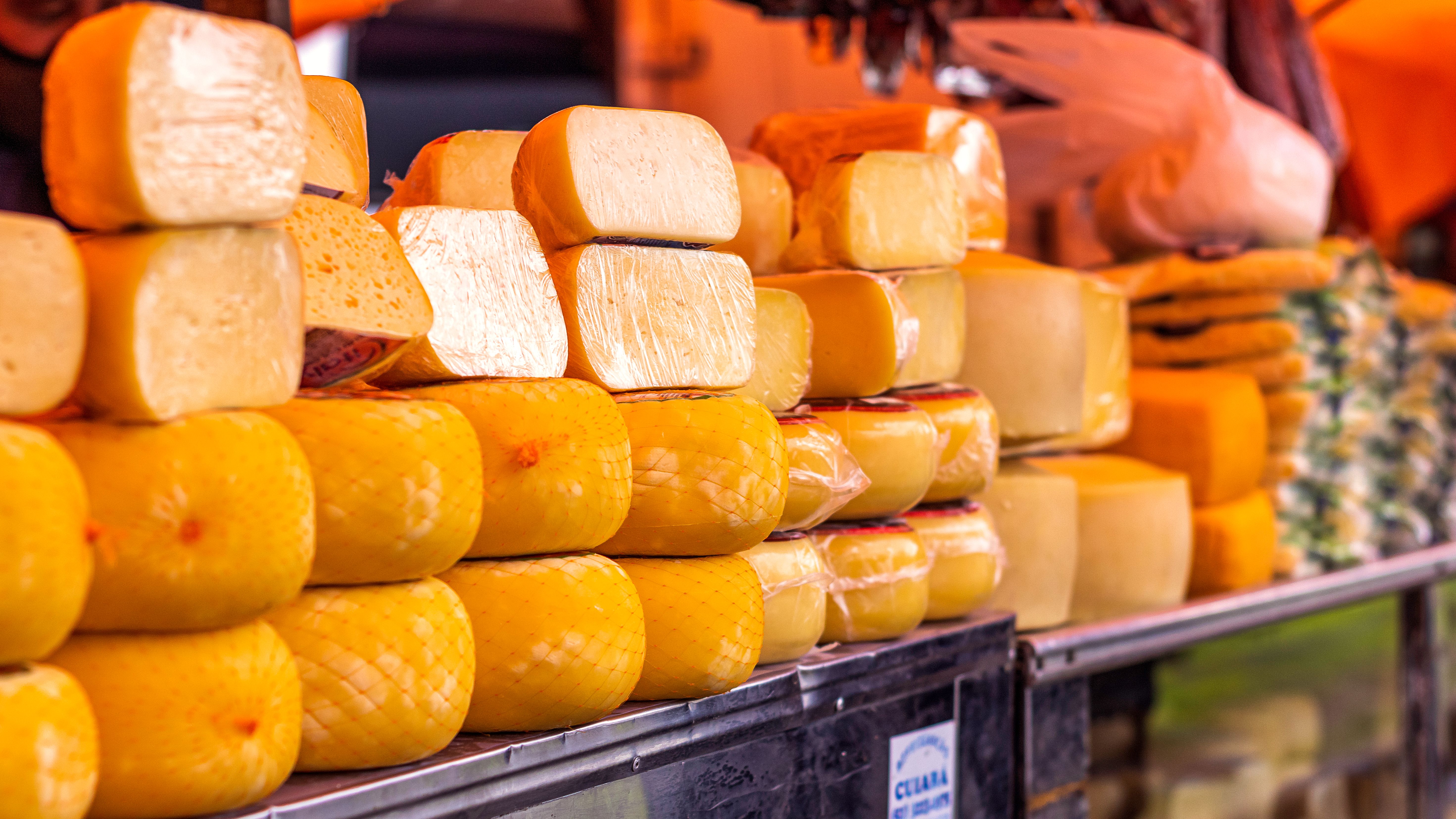
This latest response focuses on a tightly defined set of American food exports. Cheese, seafood, and prepared dough products are among the items expected to face new Canadian tariffs, turning everyday staples into symbols of a wider trade clash. The choice is not random, because these are products with visible retail presence and established US market share in Canada.
By selecting recognizable categories, Ottawa appears to be balancing politics with economic leverage. Cheese affects dairy interests, seafood touches coastal producers, and dough products reach bakeries, restaurants, and frozen food channels. That mix ensures the tariffs will be noticed not only by exporters, but also by industry groups and elected officials in the United States.
Why September 8 Matters
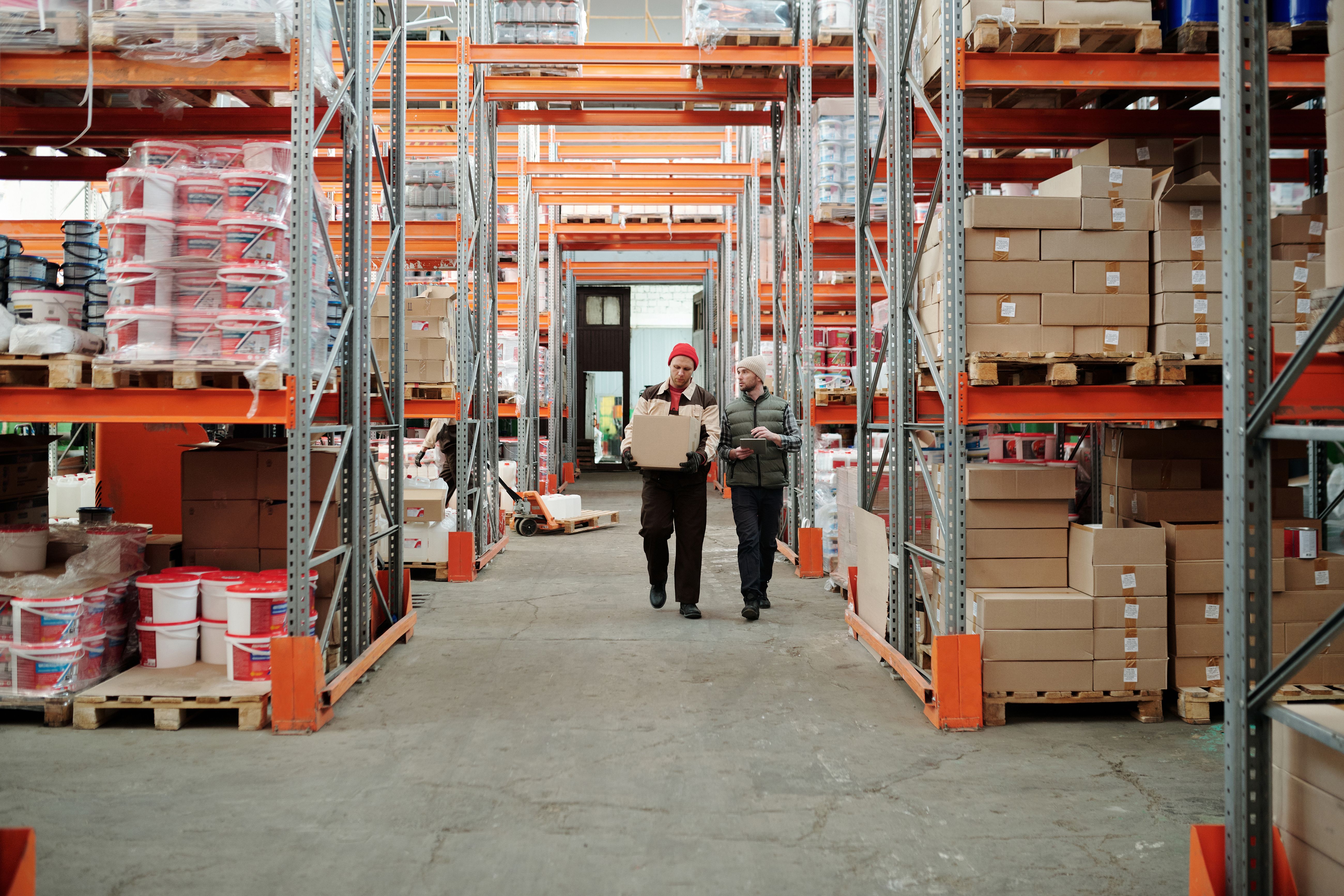
The start date is important because timing in trade policy is rarely accidental. A September rollout gives importers, distributors, and retailers a narrow window to adjust purchase orders, inventory plans, and pricing strategies before the measures take effect. That can produce a rush of shipments in late summer as companies try to get ahead of higher border costs.
It also sends a diplomatic message. Setting a firm implementation date shows Canada wants its response to be seen as deliberate rather than symbolic. In practical terms, businesses on both sides of the border now have a deadline, and markets tend to react quickly when policy uncertainty becomes a dated reality.
The Economic Impact on Consumers and Businesses

For consumers, the most immediate issue is price. Tariffs raise the cost of imported goods, and those added costs often move through wholesalers, retailers, restaurants, and ultimately shoppers. US specialty cheese, certain seafood imports, and prepared dough products could become more expensive in Canadian stores, especially where domestic substitutes are limited or already priced at a premium.
Businesses face a more complicated picture. Importers may look for non-US suppliers, renegotiate contracts, or absorb part of the tariff to protect customer demand. Small food businesses could feel the pressure most sharply, particularly independent grocers, restaurants, and bakery operators that rely on stable margins and predictable ingredient costs.
Why These Products Carry Political Weight

Food products often have outsized political value because they are easy for the public to understand. A tariff on industrial components can go unnoticed, but one on cheese or seafood quickly becomes tangible. That visibility is useful in trade disputes, where governments want to show resolve without necessarily targeting the full range of bilateral commerce.
There is also a regional dimension. US cheese production is tied to politically influential dairy states, while seafood supports communities with strong export interests. Dough and prepared bakery inputs may seem less dramatic, but they connect to broad food manufacturing networks. According to trade analysts, targeting sectors with both economic and electoral relevance can sharpen pressure without closing the door to negotiation.
How Supply Chains Could Adjust

Supply chains are rarely static, and food importers tend to adapt quickly when tariff costs rise. Canadian buyers may increase orders from domestic producers or shift to suppliers in Europe, Asia, or Latin America, depending on product standards, availability, and shipping costs. In categories like specialty cheese, however, replacing specific US brands may not be simple.
Restaurants and retailers may also change product mix rather than pass every cost increase to customers. A menu featuring imported crab or premium US cheese could be revised toward local or alternative options. Over time, that can reshape buying habits and shelf space, even if the tariffs themselves are later reduced or removed.
What Comes Next in the US-Canada Trade Relationship

The broader question is whether these tariffs remain contained or trigger a wider cycle of retaliation. Canada and the United States have one of the world's deepest trading relationships, especially in agriculture and food. That usually creates pressure to settle disputes before they spill into more sectors, but it does not prevent sharp short-term escalation.
Much will depend on negotiations, domestic politics, and how heavily affected industries lobby their governments. If exporters begin losing market share and Canadian buyers lock in alternatives, the commercial damage could outlast the tariffs themselves. September 8 may mark the start of a limited measure, but it could also become a test of how both countries manage conflict inside an otherwise essential economic partnership.




Leave a Reply