
Canadians are spending more than ever to feed their pets well. What was once a routine household purchase has become a fast-evolving industry worth over $5 billion.
A market powered by more pets at home

Canada's pet food market is on a strong growth path, with IndustryARC estimating it will reach $5.60 billion by 2030 while expanding at a 4.9% CAGR from 2024 to 2030. That projection matters because it reflects more than inflation. It points to a structural shift in how Canadians live with animals and how they budget for everyday pet care.
A major driver is simple: more pets are entering Canadian homes. During and after the pandemic, adoption surged as people sought companionship. Global News reported that nearly 30% of Canadians adopted a new animal during the pandemic, and 31% of those adopters were first-time pet parents.
Animal welfare data reinforces that trend. The BC SPCA found homes for 11,138 animals in 2023, up from 9,773 in 2022. The Calgary Humane Society also reported adoptions rising to 2,371 animals in 2022 from 2,114 a year earlier.
Why premium food is no longer a niche

Pet food has become a reflection of a broader cultural shift often called pet humanization. Owners increasingly treat dogs and cats like family members, and that changes buying behavior. Shoppers are no longer looking only for affordable bulk food. They are also looking for nutrition, ingredient quality, and formulas tied to age, breed, digestion, and overall wellness.
That shift explains the growing demand for premium and specialized products. Brands are investing in recipes with natural ingredients, added nutrients, and targeted health benefits. Veterinary diets, nutritional food, and breed- or life-stage-specific options are gaining shelf space because owners want food that feels tailored rather than generic.
Innovation is helping sustain momentum. In 2024, Pets Global's Zignature brand highlighted new puppy formulas designed with customized vitamin and mineral blends. Moves like that show how the market is evolving from simple feeding into a category centered on preventive health and performance nutrition.
Kibble still dominates, and for good reason

Despite all the innovation, dry kibble remains the anchor of the Canadian pet food business. IndustryARC identifies kibble as the largest food-type segment, and the reasons are practical. It is convenient, comparatively affordable, easy to store, and has a long shelf life, making it a dependable option for busy households.
Consumer behavior backs that up. According to a Jefferies survey of 1,450 pet owners, 81% said they purchase dry kibble for dogs or cats. That level of penetration is difficult for any alternative format to match, even as wet food, fresh food, and freeze-dried options attract attention.
Kibble also benefits from broad product diversity. It serves budget-conscious shoppers as well as premium buyers looking for grain-free formulas, functional ingredients, or dental benefits. For retailers and manufacturers alike, it remains the category's workhorse because it appeals across income levels and pet care preferences.
Online sales are changing how Canadians shop

E-commerce is quickly becoming one of the industry's most important growth engines. IndustryARC expects online sales to be the fastest-growing distribution channel in Canada, largely because pet food is a repeat purchase that fits perfectly with delivery and subscription models. Convenience is a powerful selling point when the product is bulky and regularly needed.
Retail moves show how serious that shift has become. In 2023, PetSmart partnered with Instacart to offer same-day delivery through more than 150 Canadian stores. Instacart has said its network reaches more than 90% of Canadian households, giving pet owners faster access to food, treats, and supplies.
The online channel also helps premiumization. Digital shelves can carry wider assortments than physical stores and give shoppers reviews, feeding guidance, and ingredient details. Chewy's expansion into Canada in 2023 underscored how attractive the country's pet market has become for specialized online retailers.
Sustainability and packaging are now business issues
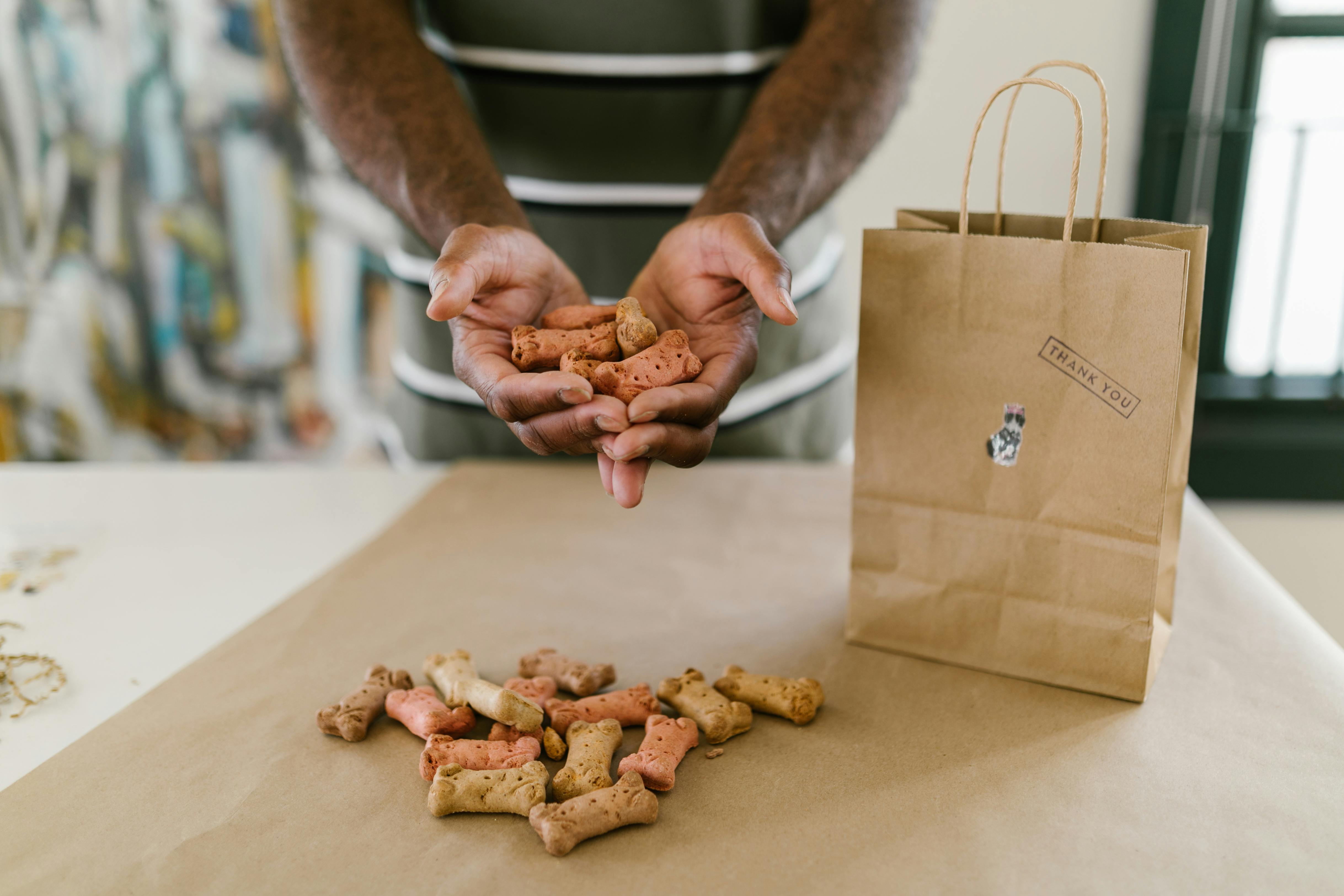
Pet owners are paying closer attention not just to what is inside the bag, but to the bag itself. Sustainability has moved from a secondary concern to a real purchasing factor. According to a Mondi survey of more than 750 pet owners, 74% favored pet food packaged in sustainable bags and containers.
That matters because bags remain the dominant packaging format in Canada. They are cost-effective, durable, easy to transport, and especially suited to dry food. Resealable designs also help preserve freshness and make large-volume purchases easier for households with multiple pets.
Manufacturers now face pressure to balance practicality with environmental responsibility. The brands that succeed will likely be those that improve materials without sacrificing shelf life or convenience. In a competitive market, packaging is no longer just a container. It is part of the product promise.
The risks shaping the market's next phase

Not every trend is a straightforward win for the industry. Raw pet food has gained followers, but it also comes with serious safety and handling concerns. In 2023, the Public Health Agency of Canada warned consumers about an extensively drug-resistant Salmonella outbreak linked in part to raw pet food and contact with cattle.
Those concerns create friction for one of the market's most talked-about niche categories. Raw diets require freezing, careful preparation, and strict hygiene, which can deter mainstream buyers. Veterinarians often urge caution, especially for immunocompromised pets and households where contamination risks are harder to manage.
The broader market also faces cost pressure from inflation and ingredient volatility, issues worsened by global disruptions including the war in Ukraine. Even so, major players such as Mars Petcare Canada, Nestlé Purina PetCare Canada, Champion Petfoods, and Petcurean are positioned to compete by combining scale, innovation, and brand trust.




Leave a Reply