
A downtown landmark is about to change in a big way. For many in Victoria, the news feels as practical as it is painful.
A major retail shift for a familiar downtown space
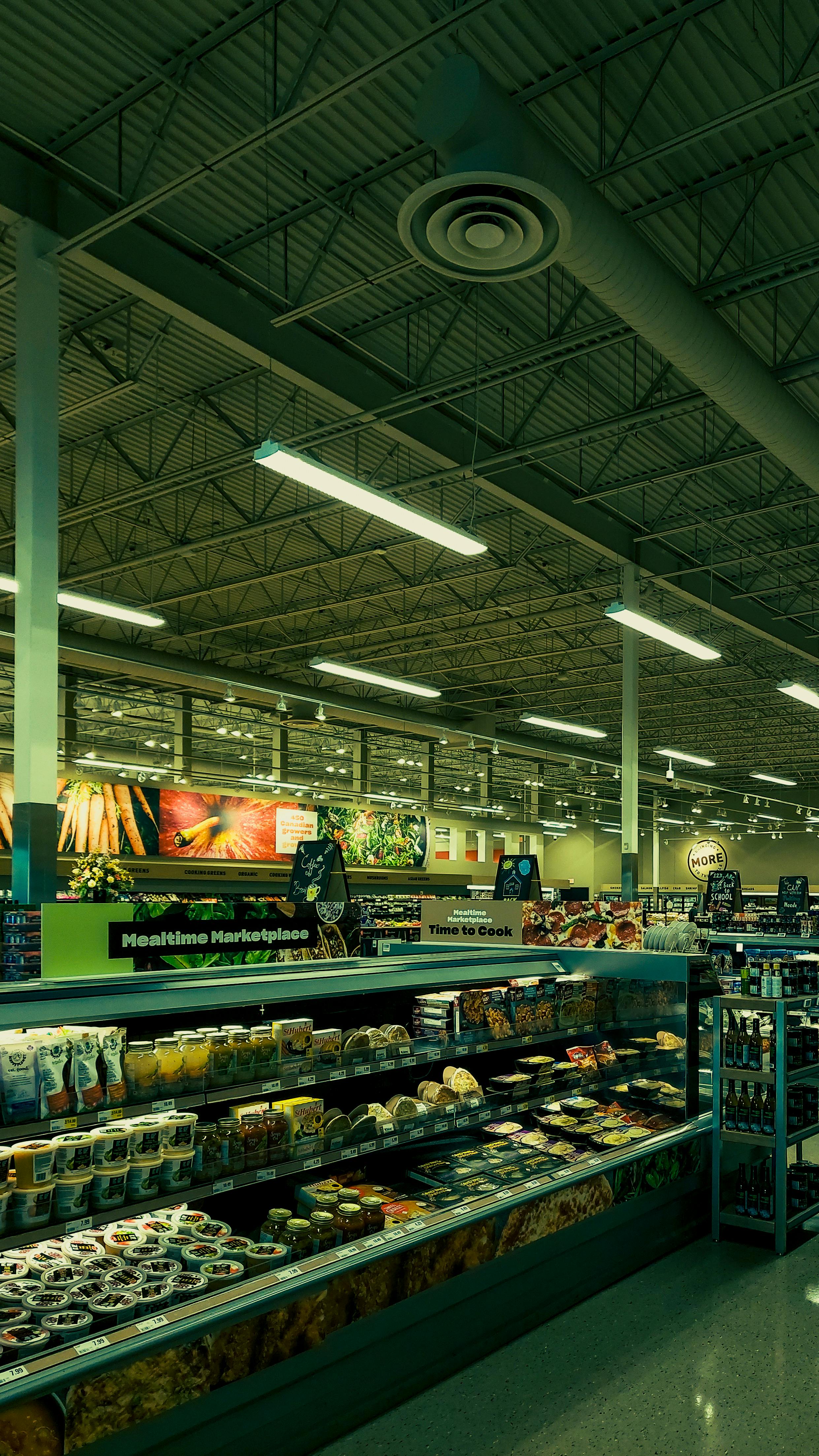
Loblaws has confirmed that a No Frills store will take over the former Victoria Public Market location in the historic Hudson building on Douglas Street. The announcement came only days after Townline Group, the building owner, said the market would permanently close.
The replacement is significant because the market was created as a local food hub 12 years ago, meant to bring independent vendors and foot traffic to the north end of downtown. In its early years, the concept reflected a wider urban trend toward curated public markets that combine groceries, prepared food, and community gathering space.
Now that vision is giving way to a national discount grocer. No Frills, known for lower-price staples, President's Choice goods, and no-name products, is one of Loblaws' best-known banners and operates roughly 250 stores across Canada.
Why the public market struggled to survive

Townline says the market never fully recovered from the disruptions of the COVID-19 pandemic. According to the company, only seven vendor spaces remained occupied while 11 sat empty, a vacancy level that made the model increasingly difficult to sustain.
That explanation also reflects wider pressures facing food halls and small retail operators across Canada. Rising rents, labour costs, food inflation, and reduced downtown office traffic have all hit independent businesses harder than large chains with national supply systems and stronger purchasing power.
The location has faced broader social and economic headwinds as well. Townline president Daryl Simpson said challenges in the surrounding area contributed to the market's decline, underscoring how urban retail success depends not just on concept or branding, but on consistent customer volumes and a stable street environment.
Vendors say the transition has been devastating

For the remaining tenants, the closure is not just a business update. It is a forced upheaval affecting livelihoods, staff, inventory, and long-built customer relationships in a matter of months.
Businesses named in reports include La Pizza La Pasta, Roast, VicExpress Teriyaki & Roll, Victoria Pie Co, Two Crows Mustard, Whisk Victoria, Naami's Mediterranea, Dhaga Fashions, Coho Collective Kitchens, and Shashwat Indian Cuisine. These operators now face the difficult task of finding new spaces in a market where commercial vacancies do not always translate into affordable leases.
Two Crows Mustard gave the public one of the clearest views into that stress. In a post shared on Victoria's Reddit community, the company said its lease provided for 180 days notice, but tenants were asked to vacate in 90 days, leaving little time to plan what comes next.
Why some residents may welcome a No Frills downtown

There is another side to the story, and it helps explain why Townline and Loblaws see the move as viable. A full-service discount grocery store can meet an everyday need for residents living in and around the Hudson District, especially in a growing downtown neighbourhood.
Townline has framed the decision as part of its goal to make the area more walkable. In practical terms, that means giving nearby residents easier access to produce, meat, pantry basics, and household essentials without requiring a car trip to larger suburban stores.
Urban-format grocery stores can also generate steadier, more frequent traffic than a struggling market hall. If successful, No Frills could anchor the space in a way that supports nearby businesses, though critics argue that chain stability often comes at the cost of local character and entrepreneurial opportunity.
What this says about chain retail and local identity
This transition captures a tension playing out in many Canadian cities. On one hand, consumers want affordability and convenience during a period of high living costs. On the other, communities often say they value independent businesses because they give neighbourhoods personality, diversity, and a stronger sense of place.
No Frills fits the affordability argument well. British Columbia already has around 20 locations, with one on Vancouver Island in Port Alberni, and the brand has a tested formula for lower-cost grocery shopping that appeals to budget-conscious households.
Yet public markets serve a different purpose than discount supermarkets. They are not simply places to buy food. They can act as incubators for small brands, launch pads for immigrant entrepreneurs, and informal gathering spaces that reflect the tastes and stories of the city around them.
What happens next for the site and its businesses

The current timeline gives tenants six months to leave, while the new No Frills is expected to open in early 2026. That leaves a narrow window for businesses to liquidate stock, seek new leases, negotiate moving costs, or attempt to retain customers through pop-ups, wholesale channels, and online sales.
Townline has said some tenants could potentially relocate within other properties it owns in Victoria, including elsewhere in the Hudson District. Whether that becomes a realistic solution will likely depend on cost, size, visibility, and how quickly suitable units can be secured.
For Victoria, the outcome will be measured in more than square footage. The city may gain a useful grocery store, but it will also lose a local institution that once symbolized downtown renewal. That is why, for many vendors, the word heartbreaking does not sound exaggerated at all.




Leave a Reply