
Breakfast can look wholesome at first glance. In the cereal aisle, however, the packaging often tells a healthier story than the nutrition panel does.
A troubling mismatch in the cereal aisle
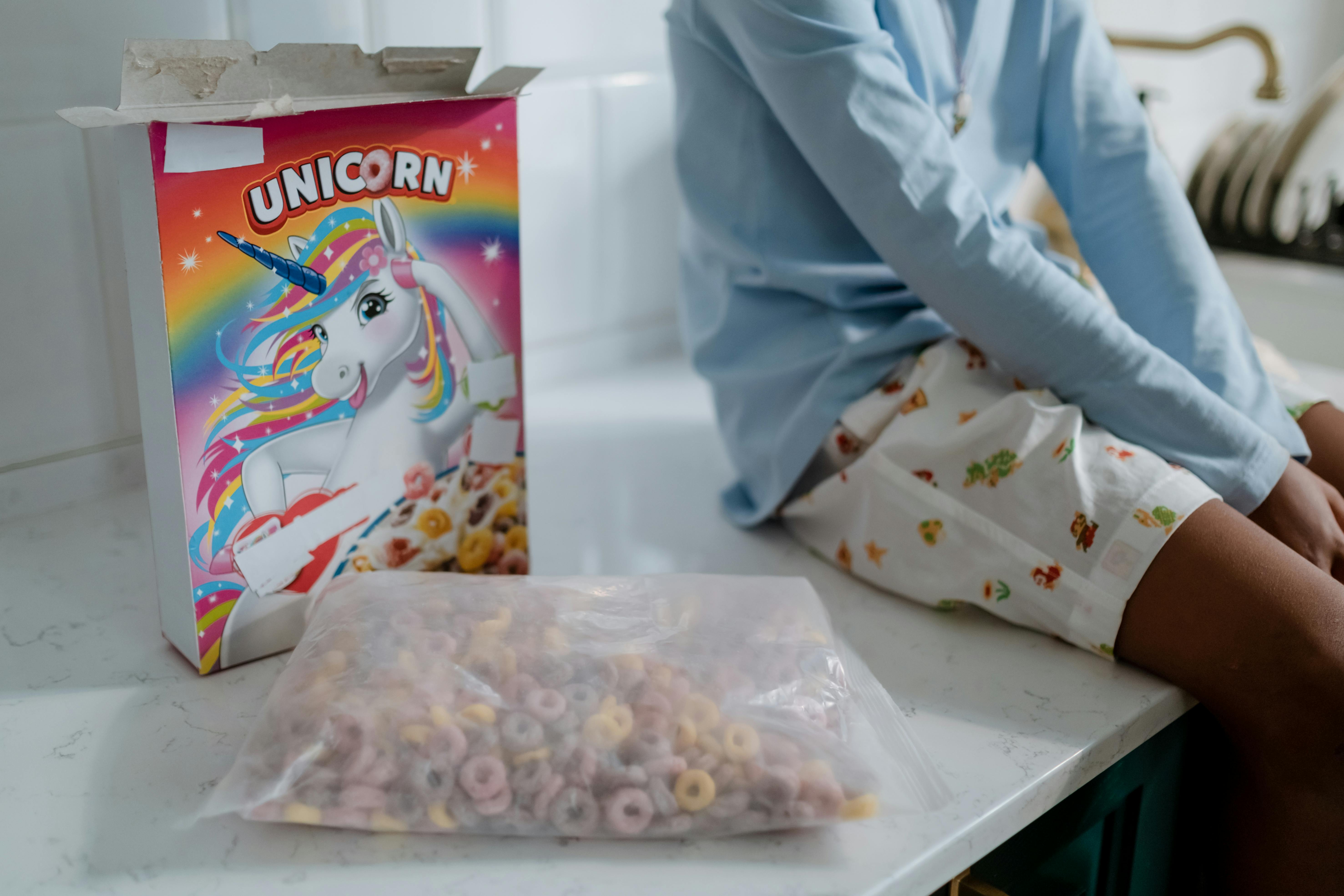
A recent analysis of children's cereals sold in Canada found that 96% exceeded proposed sugar thresholds, despite being marketed to families with messages suggesting nutritional value. Even more striking, almost all carried at least one "health" claim on the package. That combination matters because cereals are often framed as a convenient breakfast staple.
For many parents, front-of-box language acts as a shortcut during rushed shopping trips. Claims about whole grains, vitamins, fibre, or added minerals can create a health halo around products that are still fundamentally high in sugar. This is not a small technicality. It shapes buying decisions at the exact moment families are trying to make practical choices.
What counts as a "health" claim
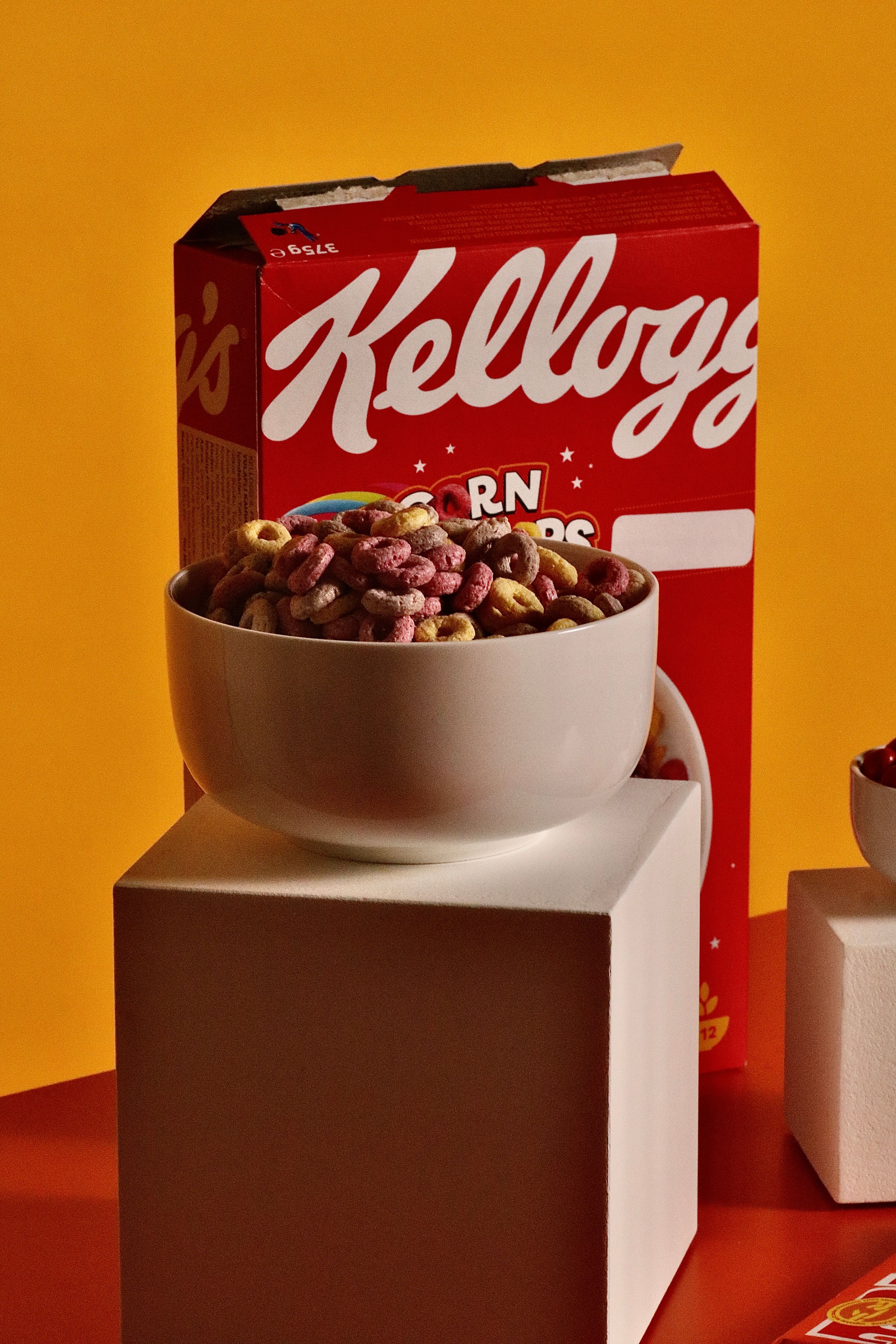
Not every health claim explicitly says a cereal is healthy. Many are more subtle, using phrases such as "source of fibre," "made with whole grains," or "contains essential vitamins and minerals." On their own, these statements may be factually correct. The problem is how they influence perception when placed prominently on sugary products aimed at children.
Packaging design amplifies the effect. Cartoon mascots, bright colors, and playful shapes attract children, while nutrition-focused wording reassures adults. Together, they create a dual marketing strategy: excitement for kids and confidence for parents. Public health experts have long warned that this mix can blur the difference between genuinely nutritious foods and heavily marketed ultra-processed options.
Why sugar levels matter for children
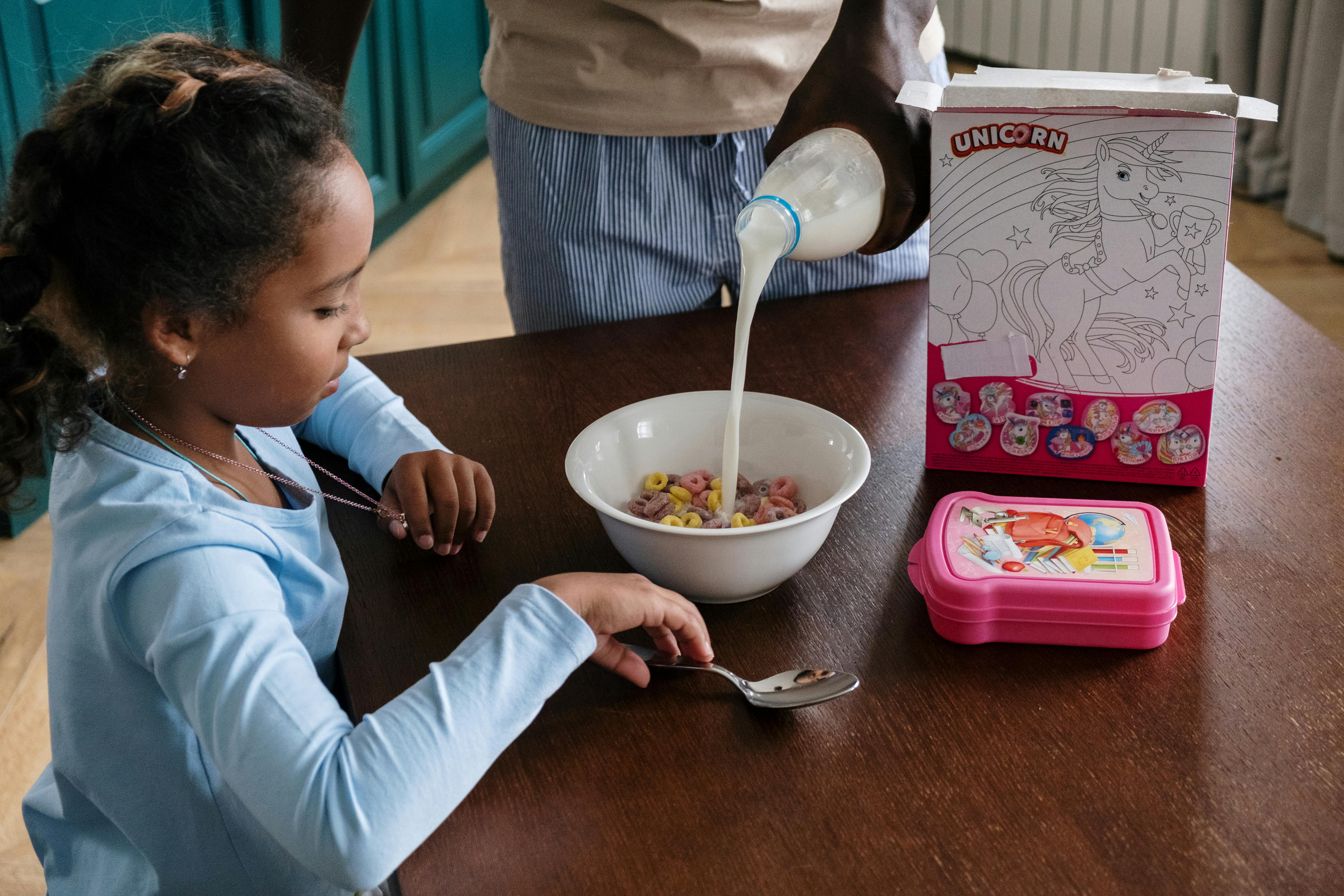
High-sugar breakfast cereals can contribute significantly to a child's daily free sugar intake before the school day even begins. That matters because diets high in added sugar are linked to increased risks of dental decay, unhealthy weight gain, and long-term cardiometabolic problems. Breakfast is often described as the foundation of the day, which makes the quality of that meal especially important.
Sugary cereals also affect eating habits beyond nutrition alone. They can train children to expect sweetness in routine foods, making less sweet alternatives like plain oats or unsweetened whole-grain cereals harder to accept over time. Researchers and dietitians often point out that repeated exposure shapes taste preferences early, and those preferences can persist for years.
The policy gap behind the problem
Canada has debated stronger front-of-package labeling rules for foods high in nutrients of concern, including sugar, sodium, and saturated fat. The cereal findings add urgency to those discussions because they show how easily positive messaging can dominate package design even when a product would fail a stricter nutritional screen.
This is where regulation becomes less abstract and more practical. If a cereal exceeds a sugar threshold, should it still be allowed to feature prominent wellness cues on the front? Critics argue that current rules leave too much room for technically true but potentially misleading claims. Industry, by contrast, often maintains that consumers benefit from more information, not less.
What families can do right now

Parents do not need to avoid cereal altogether, but they do need to read beyond the front panel. The nutrition facts table and ingredient list remain the clearest tools for judging a product. Comparing sugar grams per serving and checking where sugar appears in the ingredient list can quickly reveal whether a cereal is closer to dessert than breakfast.
Useful swaps can make a meaningful difference without overcomplicating mornings. Plain shredded wheat, unsweetened oats, and lower-sugar whole-grain cereals can be paired with fruit for sweetness and fibre. Mixing a sugary cereal with a plain one is another realistic step for families transitioning gradually rather than overhauling breakfast overnight.
Why this issue reaches beyond one breakfast food

The cereal story reflects a larger problem in the modern food environment. Products marketed to children often sit at the intersection of aggressive branding, selective nutrition messaging, and weak consumer protections. Cereals are simply one of the clearest examples because they carry a longstanding reputation as a healthy start to the day.
That is why the Canadian findings resonate beyond a single category. They highlight how marketing can outpace nutritional reality, especially when shoppers are busy and children are persuasive. If policymakers want healthier diets, and if companies want public trust, the first step is simple: the health message on the box should match what is actually inside.




Leave a Reply