
A loaf of bread now carries more than a price tag. For many Canadian grocers, it also carries the risk of theft tied to increasingly organized criminal networks.
A shrinking margin is becoming a national problem

Canada's grocery sector is dealing with theft on a scale that would have been hard to imagine a decade ago. Industry leaders, including the Retail Council of Canada, have warned that annual losses are nearing $10 billion, a figure that reflects far more than casual shoplifting. It points to a systemic drain affecting food retailers in every region.
Grocery stores already operate on relatively tight margins compared with many other retail categories. When losses rise this sharply, the impact does not stay confined to balance sheets. It affects staffing, store hours, product availability, and the pace of investment in better customer service.
Retailers also distinguish between petty theft driven by hardship and coordinated theft aimed at resale. That distinction matters. A person taking essentials is not the same as a group entering stores with a plan, stealing in volume, and moving goods quickly through illicit channels.
Organized crime has turned groceries into reliable inventory

What makes this wave of theft especially troubling is the degree of organization behind it. According to reporting by CTV News, the grocery industry says criminal groups are increasingly involved, treating supermarkets as predictable supply points for high-demand goods. Meat, cheese, infant formula, coffee, health products, and over-the-counter medicines are frequent targets because they are easy to resell.
These groups often work efficiently. Some use spotters, others rely on distraction tactics, and many know exactly which products offer the best return with the least risk. In some cases, repeat offenders move from store to store in a single day, clearing shelves of compact, expensive items.
Resale can happen through flea markets, small informal networks, online marketplaces, and underground distribution systems. That makes grocery theft more lucrative than many people assume. A stolen cart of premium food products can be converted into cash quickly, often before police reports are fully processed.
Workers and shoppers are feeling the pressure in real time
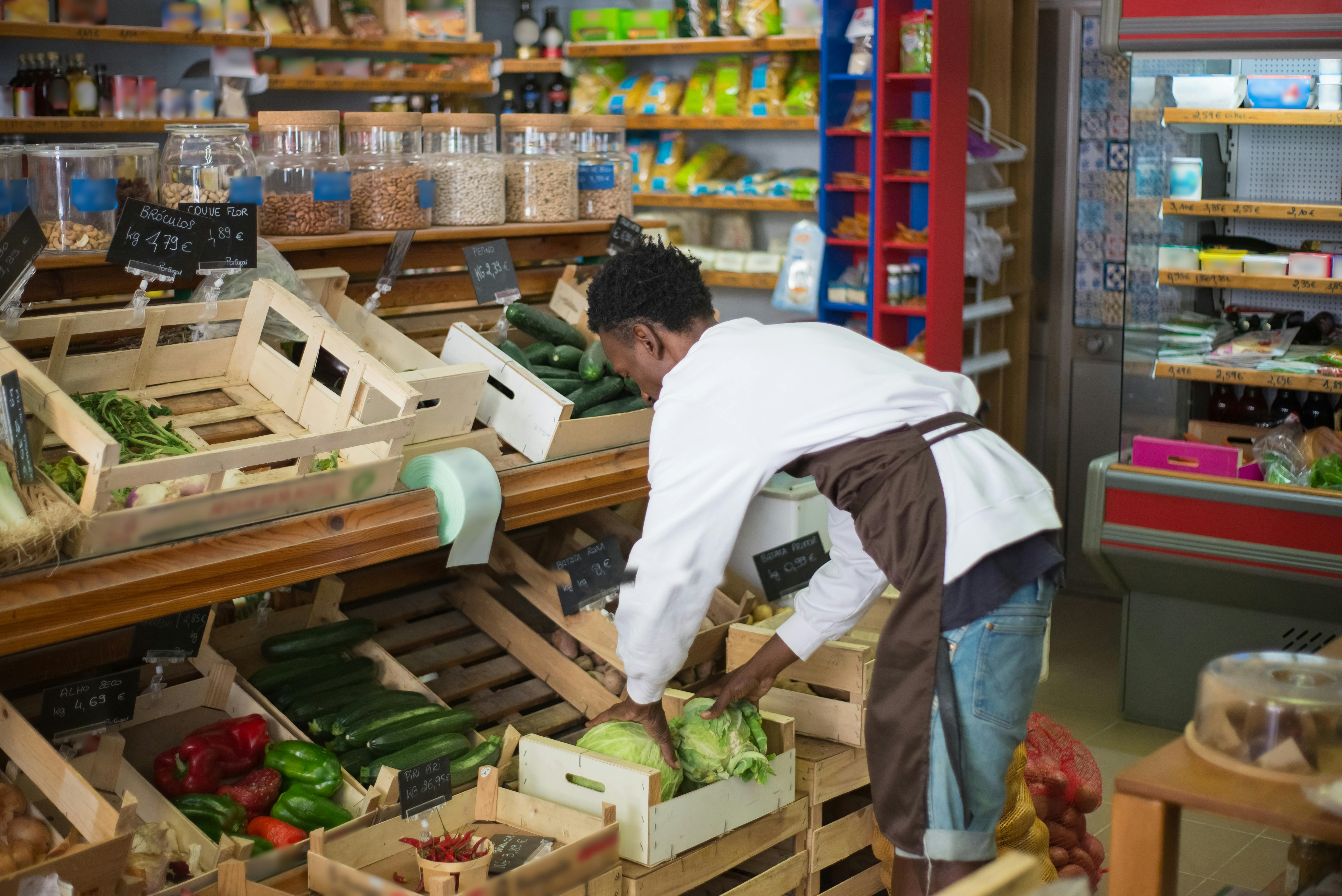
The most immediate human cost is often borne by frontline staff. Employees are being asked to manage tense situations while also stocking shelves, helping customers, and following company safety rules. Most grocers tell workers not to physically intervene, which is sensible, but it can leave staff feeling powerless and exposed.
Customers notice the shift as well. Locked cases, security gates, receipt checks, and reduced shelf access change the shopping experience. Stores that once emphasized convenience and openness are now redesigning layouts around deterrence, sometimes making routine purchases feel slower and more suspicious.
There is also a morale problem. When theft becomes frequent, staff can feel that disorder is winning and honest shoppers can feel they are indirectly paying for someone else's crime. That perception erodes trust in the retail environment, especially in neighbourhood stores that serve as daily essentials hubs.
Why losses eventually show up in food prices

Retail theft does not translate dollar-for-dollar into higher prices, but it does add real costs that retailers must absorb or spread out. Those costs include replacing stolen inventory, hiring more security, installing surveillance systems, retraining staff, and redesigning stores to reduce risk. Over time, those expenses feed into the broader cost of doing business.
That is one reason the issue resonates beyond retail executives. Canadian households are already sensitive to grocery inflation, and any added pressure in the supply chain matters. Even modest increases tied to shrink, security, and insurance can become significant when multiplied across thousands of products and stores.
Independent grocers are especially vulnerable. Large chains may have more capital to invest in anti-theft technology, but smaller operators often have fewer buffers. For them, repeated theft of high-value staples can wipe out profits on entire categories and make some product lines less viable to carry.
Retailers want stronger enforcement and smarter coordination

The grocery industry is not arguing that every theft case looks the same. Retail leaders have repeatedly said policy responses must separate organized, repeat, for-profit theft from poverty-related incidents. That nuance is essential if governments want solutions that are both effective and socially responsible.
Where organized crime is involved, retailers are calling for more coordinated policing, better information sharing, and stronger consequences for repeat offenders and resale networks. The problem often crosses municipal boundaries, which means isolated enforcement efforts can miss the bigger pattern. A theft crew active in one city may be targeting multiple regions.
Some experts also point to the need for tighter cooperation between retailers, police, prosecutors, and online selling platforms. If stolen goods are being moved openly or semi-openly, disrupting resale channels may be as important as catching theft inside stores. Without that step, the business model remains intact.
The real solution goes beyond cameras at the door
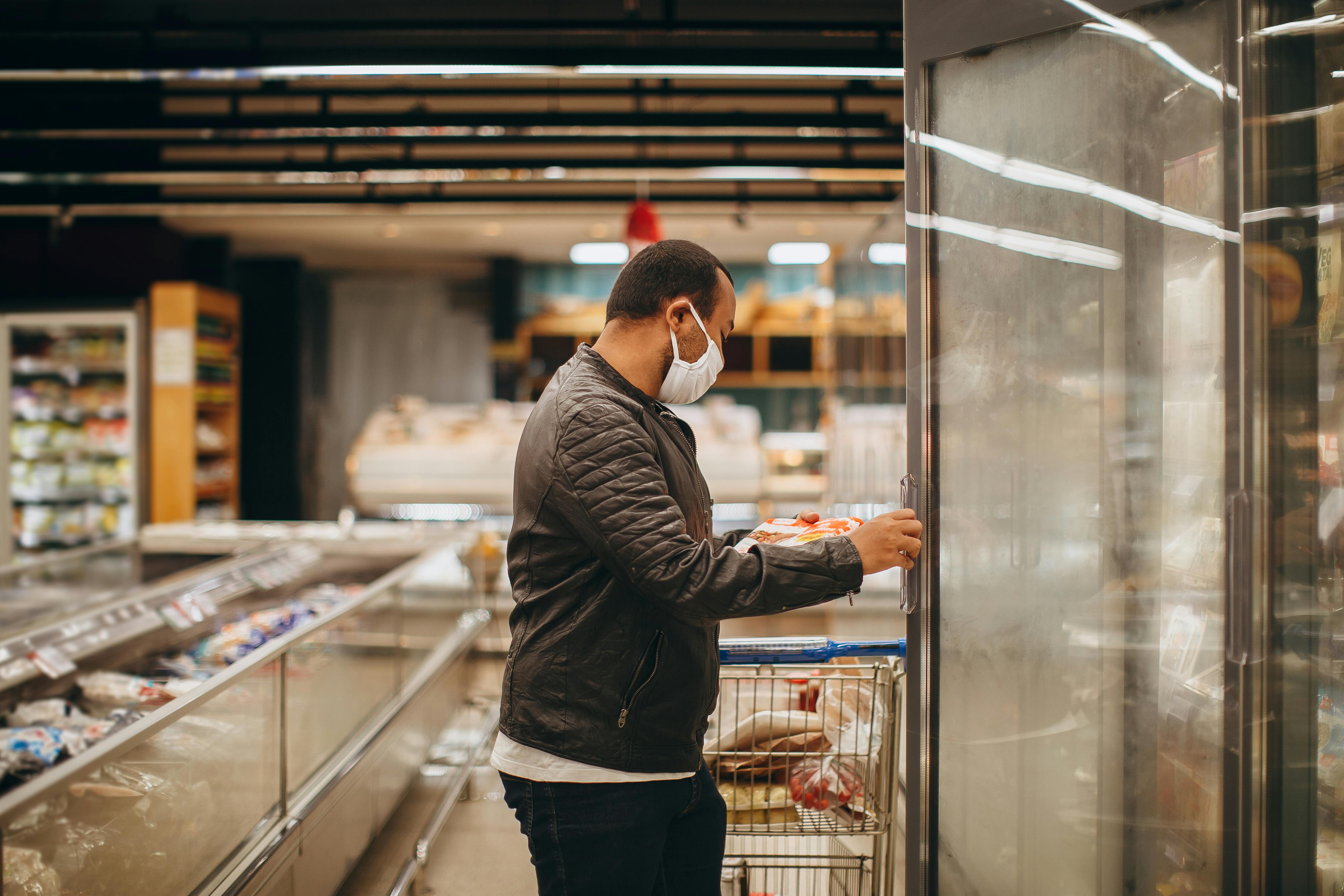
Security tools will remain part of the answer, but they are not enough on their own. Cameras, tags, guards, and locked shelves can deter some losses, yet sophisticated groups adapt quickly. The deeper challenge is reducing the profitability and ease of organized retail theft while protecting workers and preserving a normal shopping experience.
That means combining enforcement with prevention. Better data sharing, targeted policing, and tougher action on fencing operations can address criminal networks, while broader social supports can reduce desperation-driven theft. Treating all theft as one issue leads to weak policy and blunt solutions.
For shoppers, the takeaway is straightforward. Grocery theft is no longer a minor retail nuisance. It is a national economic and public safety issue, and if Canada fails to confront the organized systems behind it, the costs will keep landing in stores, on workers, and at the checkout line.




Leave a Reply