
Food safety fears are rising, but Canada is drawing a clear line. Even with a growing cyclospora outbreak, officials say a blanket ban on US produce is not on the table.
Why Canada Is Rejecting a Broad Import Ban
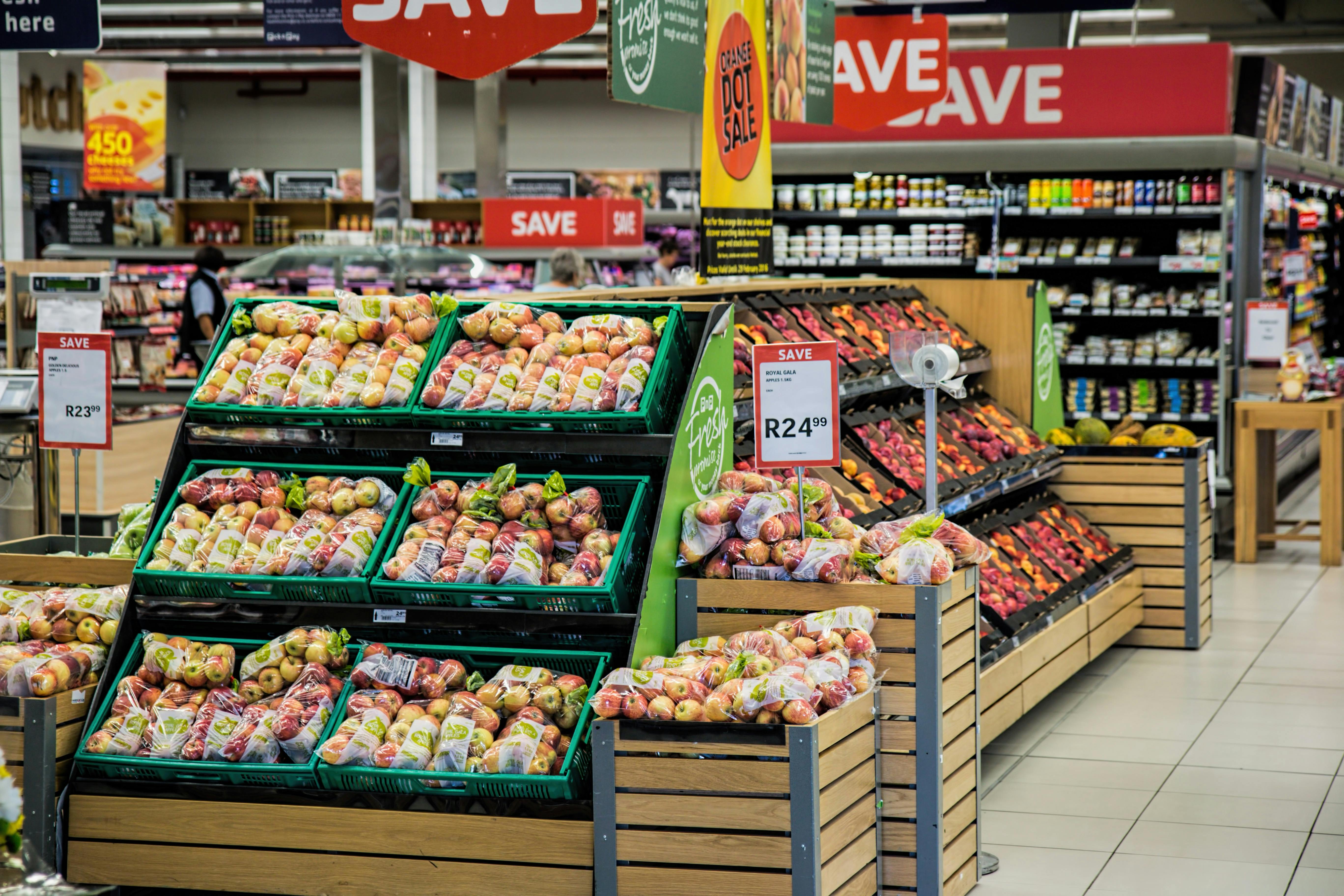
At first glance, stopping produce imports can sound like the fastest way to protect consumers. In practice, Canadian officials argue that broad bans are blunt tools that often miss the real source of contamination while causing immediate disruption to grocers, restaurants, and households.
According to public health guidance used in both Canada and the United States, cyclospora outbreaks are usually linked to specific products, growers, or supply chains rather than an entire country's produce sector. That matters because fresh imports move through a highly segmented system, with different farms, packers, and distributors handling separate items.
Canadian regulators have stressed that import restrictions are generally used when there is strong evidence connecting a product or shipper to illness. Without that evidence, a ban can remove safe food from the market while doing little to stop the contaminated item already circulating through homes and businesses.
What Cyclospora Is and Why It Is Hard to Control

The threat here is not a bacterial bug that multiplies rapidly in food after harvest. Cyclospora is a microscopic parasite, Cyclospora cayetanensis, that spreads when people consume food or water contaminated with human fecal matter under poor sanitary conditions.
One of the reasons this parasite is so difficult to manage is timing. Fresh produce often reaches consumers before investigators can identify a common exposure, and the parasite also needs time in the environment to become infectious, which complicates efforts to pinpoint exactly where contamination occurred.
Symptoms usually include prolonged diarrhea, appetite loss, fatigue, stomach cramps, nausea, and weight loss. Illness can last for days or even weeks, sometimes returning after a patient seems to recover, which is why public health agencies take clusters seriously even when hospitalizations remain limited.
The Outbreak Picture in Canada and North America

This outbreak is part of a familiar summer pattern. Cyclospora cases tend to rise during warmer months, when imported fresh herbs, leafy greens, berries, and other produce are consumed more widely and cross-border distribution networks are moving at full speed.
Canadian health officials have been monitoring reported infections and interviewing patients about what they ate before getting sick. Those interviews, along with lab work and provincial reporting, are essential because many people cannot remember the exact brand, farm, or restaurant ingredient that may have exposed them.
North American investigations in past years have tied cyclospora outbreaks to products such as bagged salads, basil, cilantro, and other fresh items. Reuters and public health agencies have repeatedly noted that tracing these outbreaks can take weeks, especially when ingredients are mixed into prepared foods or sold loose without branded packaging.
How Authorities Typically Respond Instead of Shutting Borders
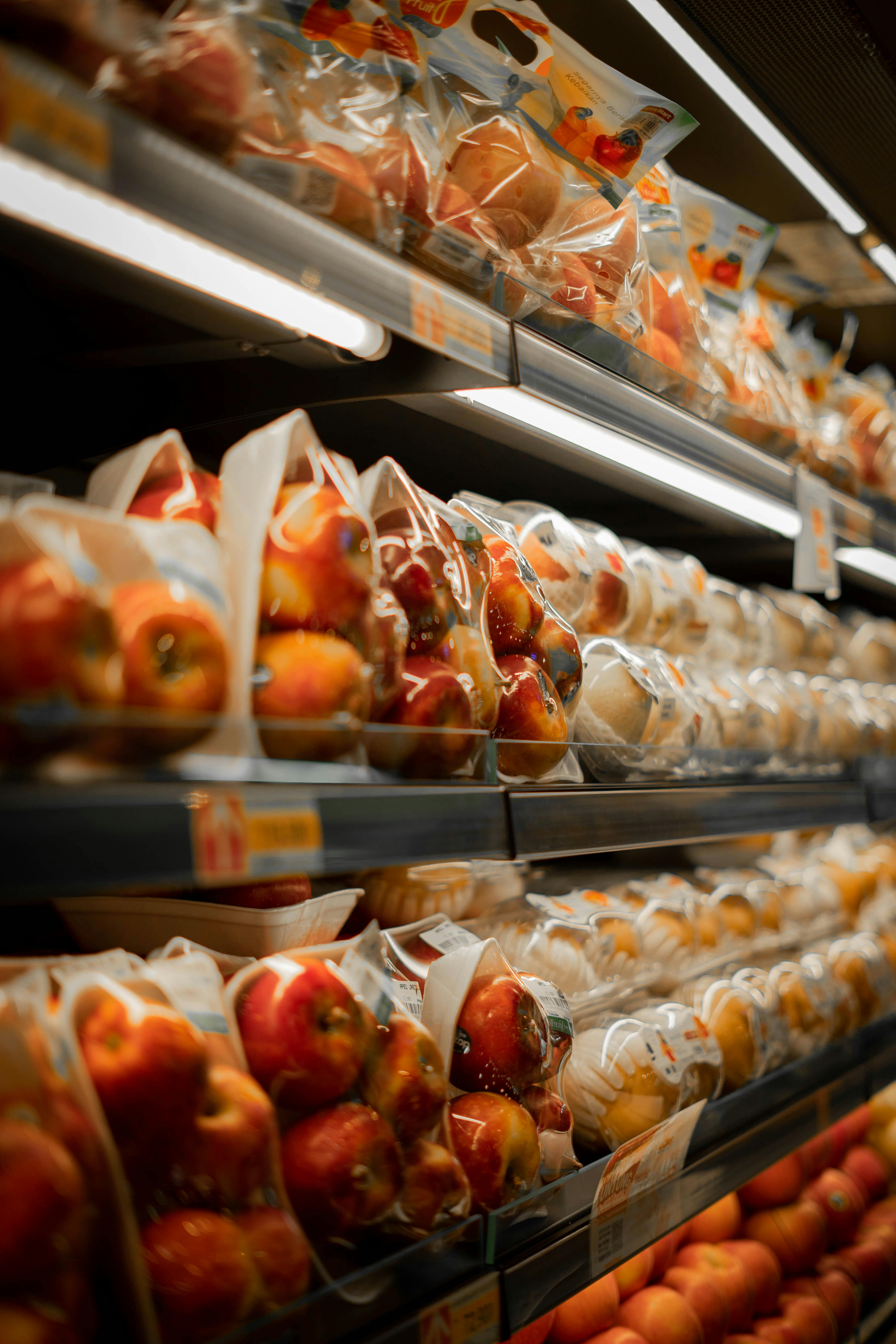
Rather than closing the border to produce, food safety officials usually use a layered response. That can include illness surveillance, traceback investigations, product testing where possible, retailer notifications, and targeted recalls once enough evidence points to a suspect item.
This approach reflects the realities of fresh food trade. A head of lettuce, a punnet of berries, and a bunch of cilantro do not share the same risk profile simply because they crossed the same border, so regulators focus on narrowing down the precise source before acting.
Health agencies also rely heavily on public messaging during these events. Consumers are told to watch for recall notices, wash produce, refrigerate perishables, and seek medical advice if symptoms persist, although washing alone may not fully remove cyclospora from contaminated items.
What This Means for Consumers and the Food Industry
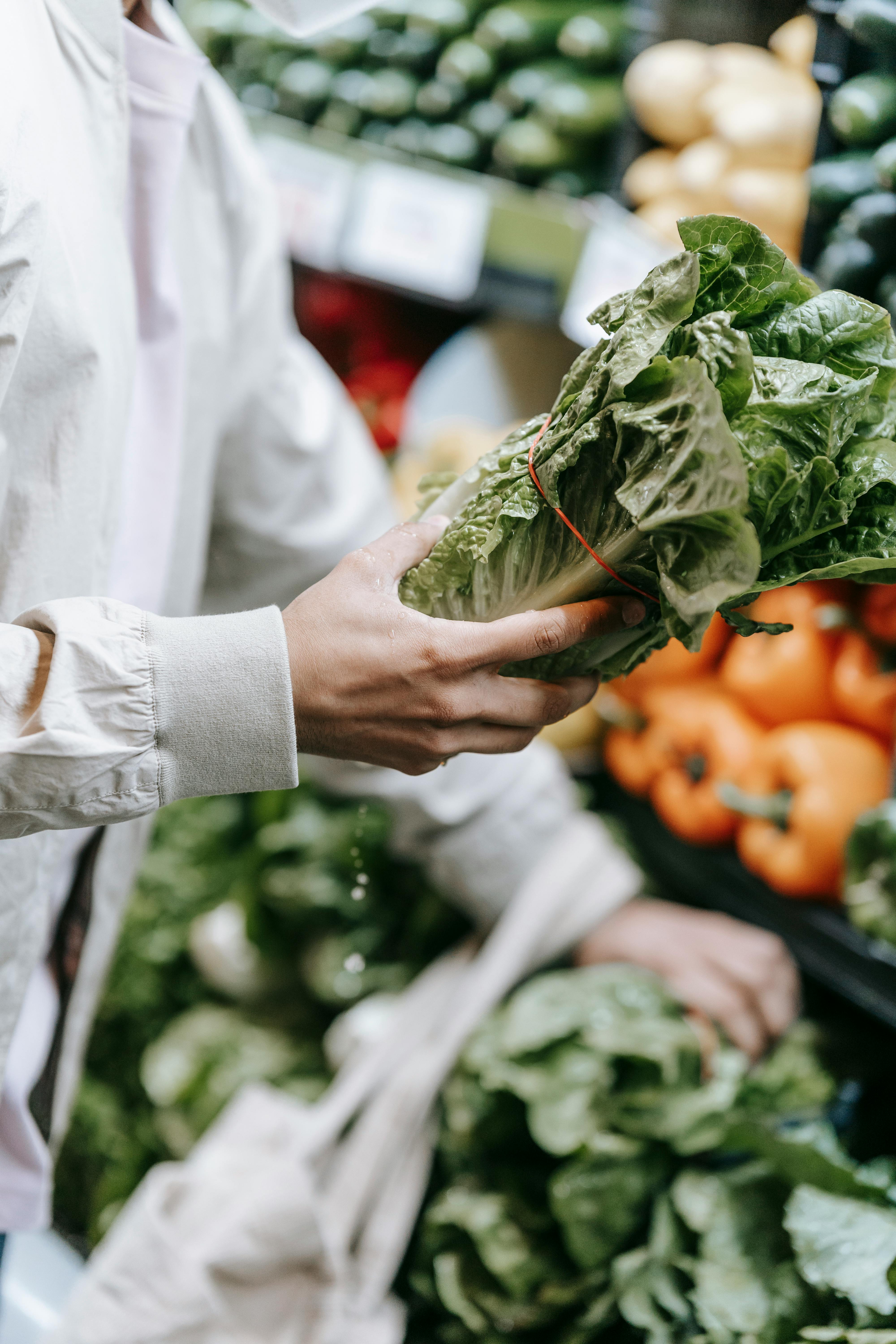
For shoppers, Canada's decision means supermarket produce sections are unlikely to see a sudden disappearance of US fruits and vegetables. The more realistic impact is heightened scrutiny, with importers, retailers, and restaurants expected to document sourcing carefully and respond quickly if a recall is issued.
For the food industry, outbreaks like this are costly even without a formal ban. Suppliers may face discarded inventory, canceled orders, extra sanitation reviews, and reputational damage if their products are linked to illness, even before investigators determine whether contamination happened on the farm, during packing, or elsewhere.
Doctors and food safety specialists often emphasize that consumers should not panic and stop eating fresh produce altogether. The bigger lesson is that traceability and sanitation standards matter deeply in a market where a single contaminated ingredient can travel across provinces and states in just days.
The Bigger Policy Question Behind Canada's Stance
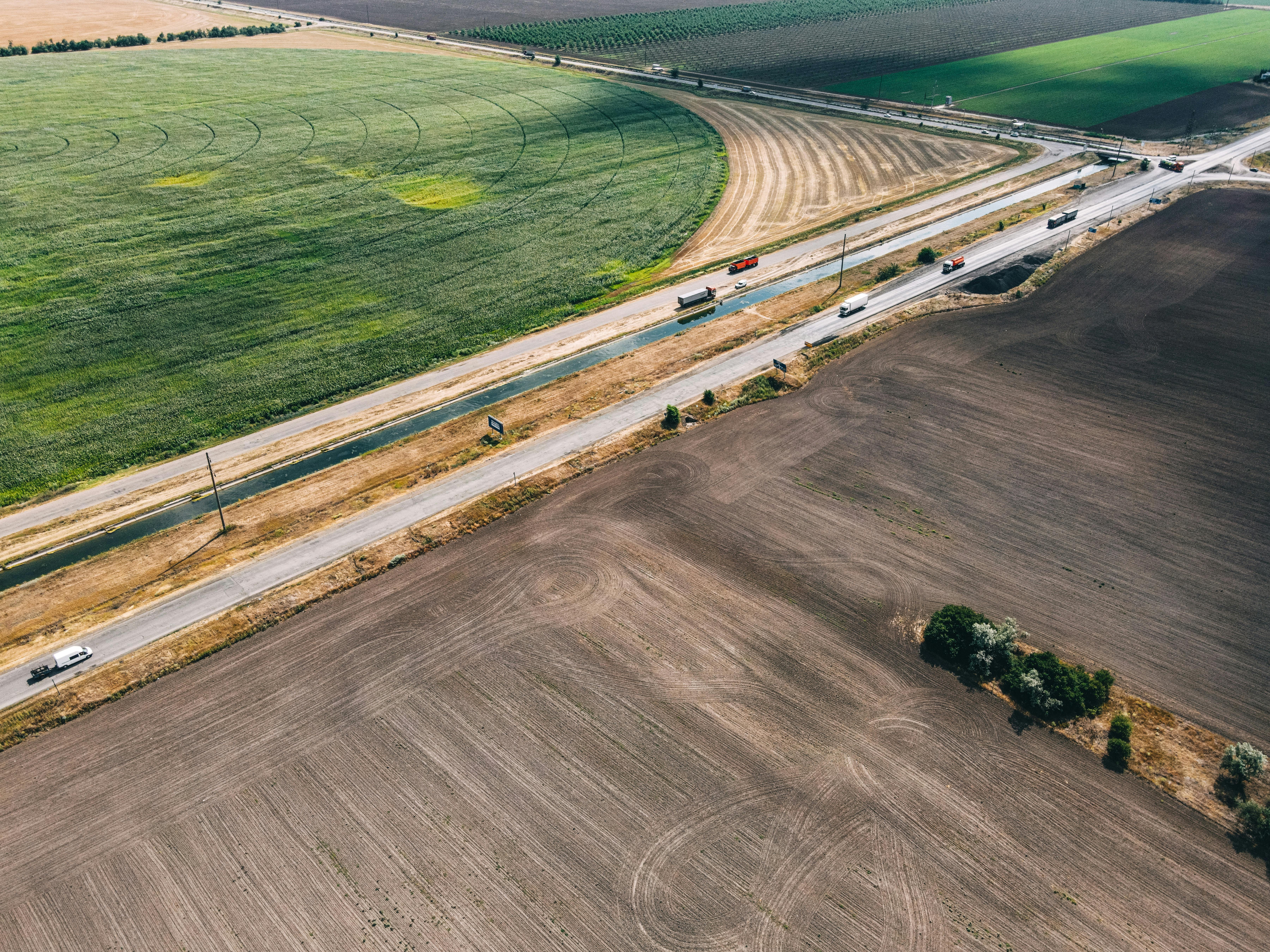
There is also a broader trade and governance issue behind Canada's position. A country that routinely imposes sweeping food bans without product-specific evidence risks straining ties with major suppliers and inviting retaliatory restrictions that can undermine confidence in integrated North American food systems.
Canadian officials appear to be betting that precision is more effective than symbolism. By avoiding a headline-grabbing ban, they are signaling confidence in surveillance, cross-border cooperation, and evidence-based enforcement, even though that stance can be politically harder to defend when case numbers are climbing.
The real test will be whether investigators can identify a common source quickly enough to reassure the public. If they do, Canada's restraint will look measured and practical. If they do not, pressure for tougher action against selected imports or suppliers will almost certainly intensify.




Leave a Reply