
Canada grows huge volumes of crops, but a significant share leaves the country before it is turned into higher value products. Agri-food experts say more domestic processing could add billions to the economy, support jobs and make supply chains more resilient.
Canola crushing plants

One of the clearest examples is canola, a crop Canada already grows at global scale. Instead of exporting more seed and letting other countries make the higher value products, experts say Canada can keep more of that work at home through crushing plants that turn canola into oil and meal.
That matters because processing creates more economic activity than shipping raw commodities alone. It supports plant jobs, transportation, maintenance, engineering and local services, while producing ingredients used in food and feed. Recent investment in Prairie canola crushing has often been tied to demand for vegetable oil and renewable fuel feedstocks, showing how one crop can connect farm income to manufacturing.
Oat mills and ingredient plants
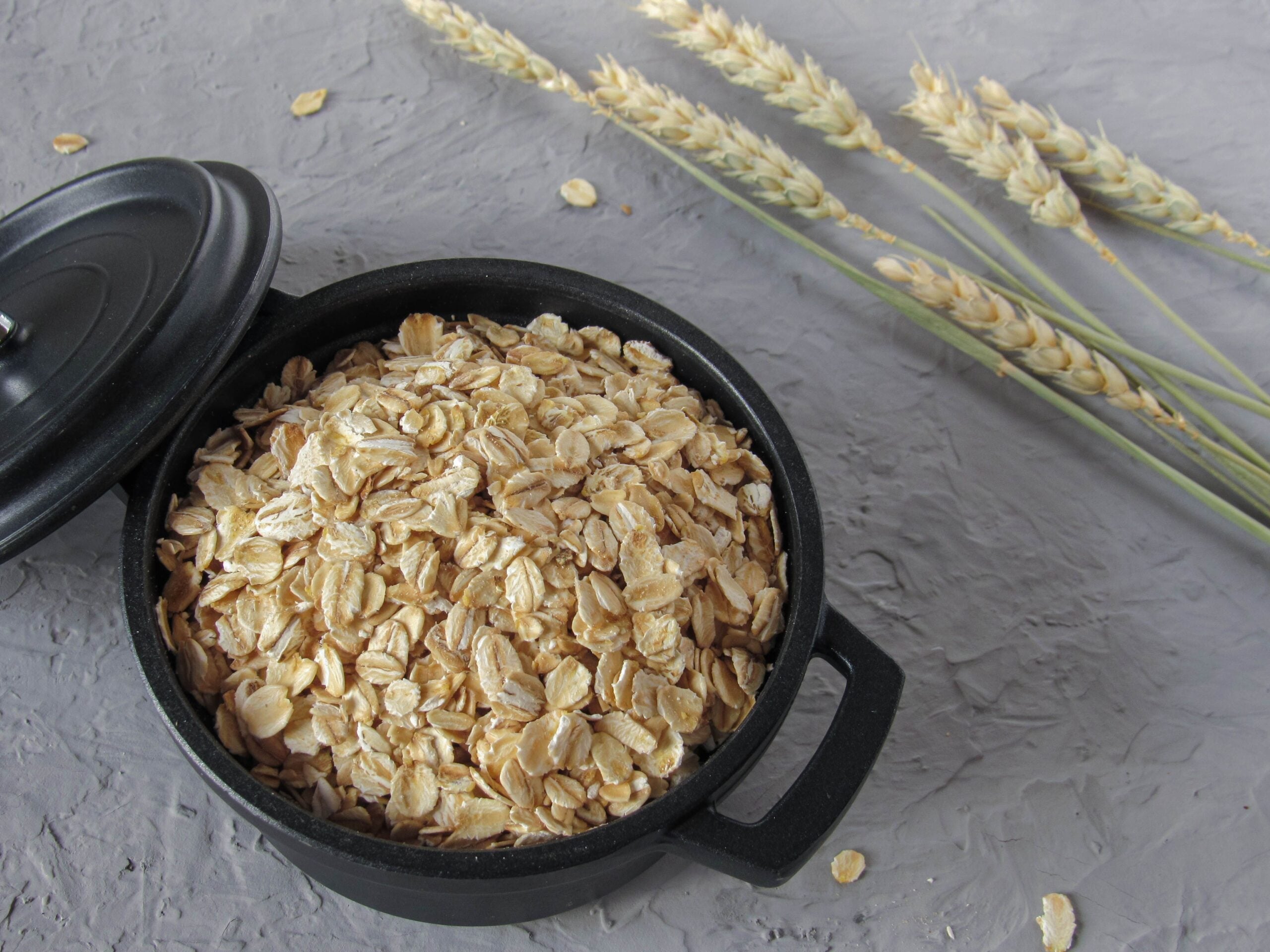
Oats offer another case where Canada has the crop base to do more at home. The country is one of the world's major oat producers, and oats can be processed into cereal, flour, beverages and specialty ingredients used in a wide range of packaged foods.
Experts often point to ingredient processing as a smart way to move up the value chain. Instead of exporting bulk oats, companies can produce finished or semi finished goods with higher margins. That can help rural regions attract investment and diversify beyond farming, especially as consumer demand grows for plant based foods and convenient breakfast products.
Pulse fractionation facilities

Pulses such as peas, lentils and beans have become central to the conversation about value added processing. Canada is a major pulse producer, and fractionation facilities can split peas into protein, starch and fibre, ingredients used in foods, beverages and industrial products.
This kind of processing is more specialized than basic cleaning or handling, but that is part of the opportunity. Experts say advanced ingredient manufacturing can create exportable products with more value per tonne than raw crops. It also links Canadian agriculture to fast growing markets for protein ingredients, which have attracted major attention from investors, food companies and policymakers in recent years.
The infrastructure gap
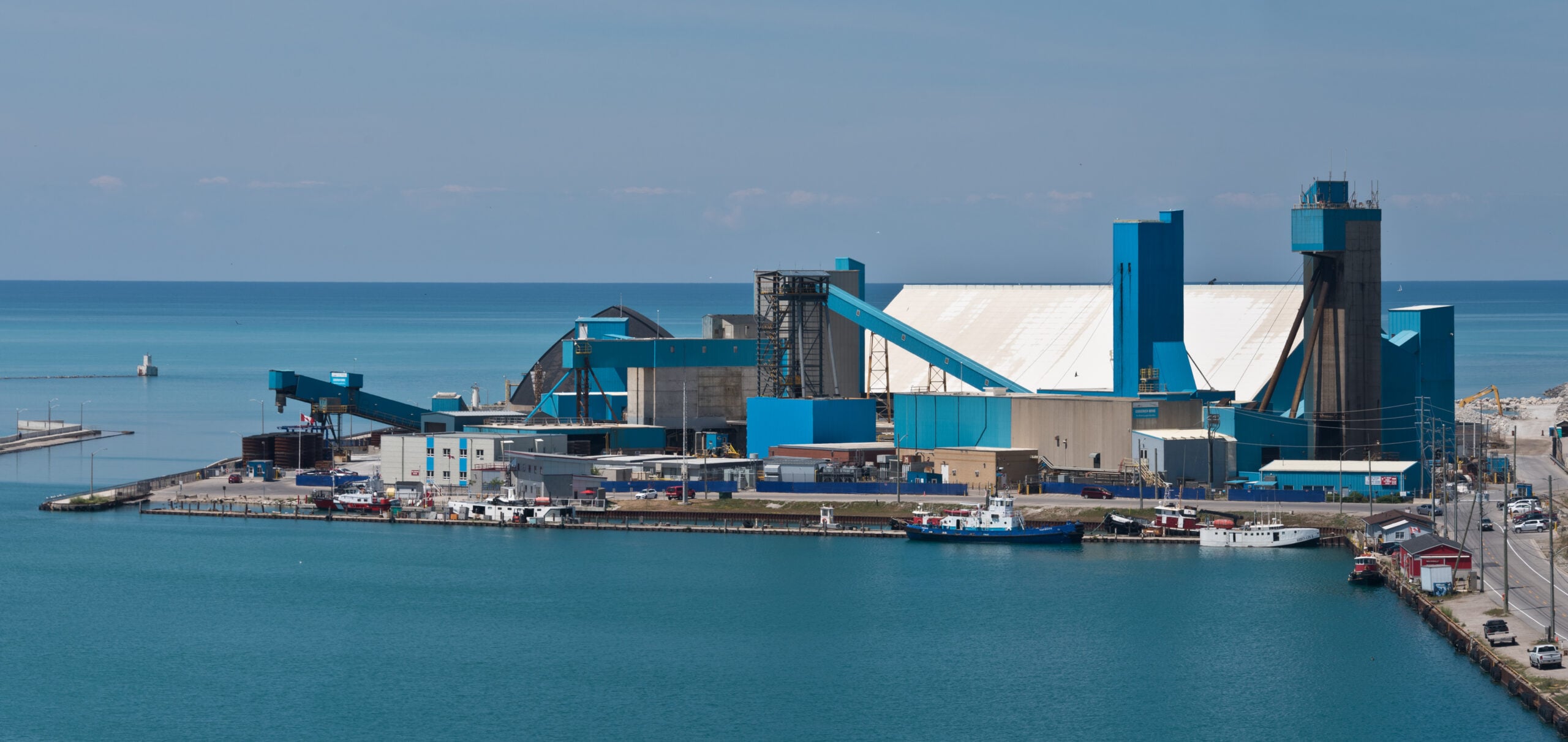
The opportunity is large, but experts also stress the barriers. Processing plants need reliable rail service, roads, utilities, water access and enough storage to keep production moving year round. In many regions, those pieces do not line up easily, which can make Canada a costlier place to build than competitors.
Labour is another recurring challenge. Food manufacturing facilities need skilled trades, operators and technical staff, and some rural areas struggle to recruit enough workers. Experts also point to permitting timelines and the cost of construction as reasons some projects move slowly, even when the business case for more domestic processing looks strong on paper.
Why policy matters
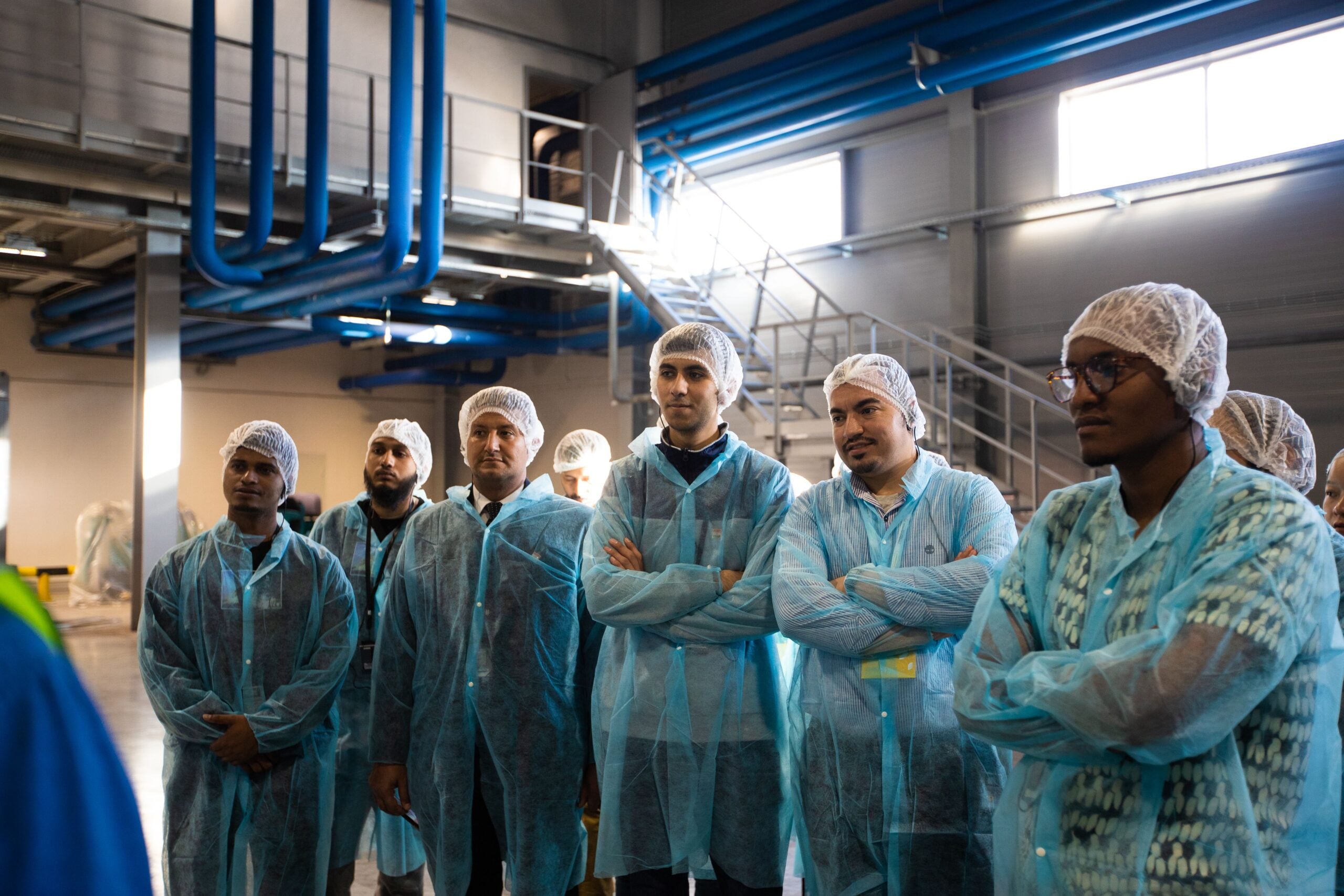
Agri-food experts often say the economics of processing are shaped by policy as much as by crops. Tax incentives, clean fuel rules, trade access and investment programs can all influence whether a company builds a facility in Canada or somewhere else.
That is why industry groups frequently call for a stable long term strategy. A plant that costs hundreds of millions of dollars to build needs confidence that regulations, energy supply and market access will support it for years. In that sense, processing more crops at home is not only a farm story. It is also an industrial policy story about competitiveness.
What billions in value could look like
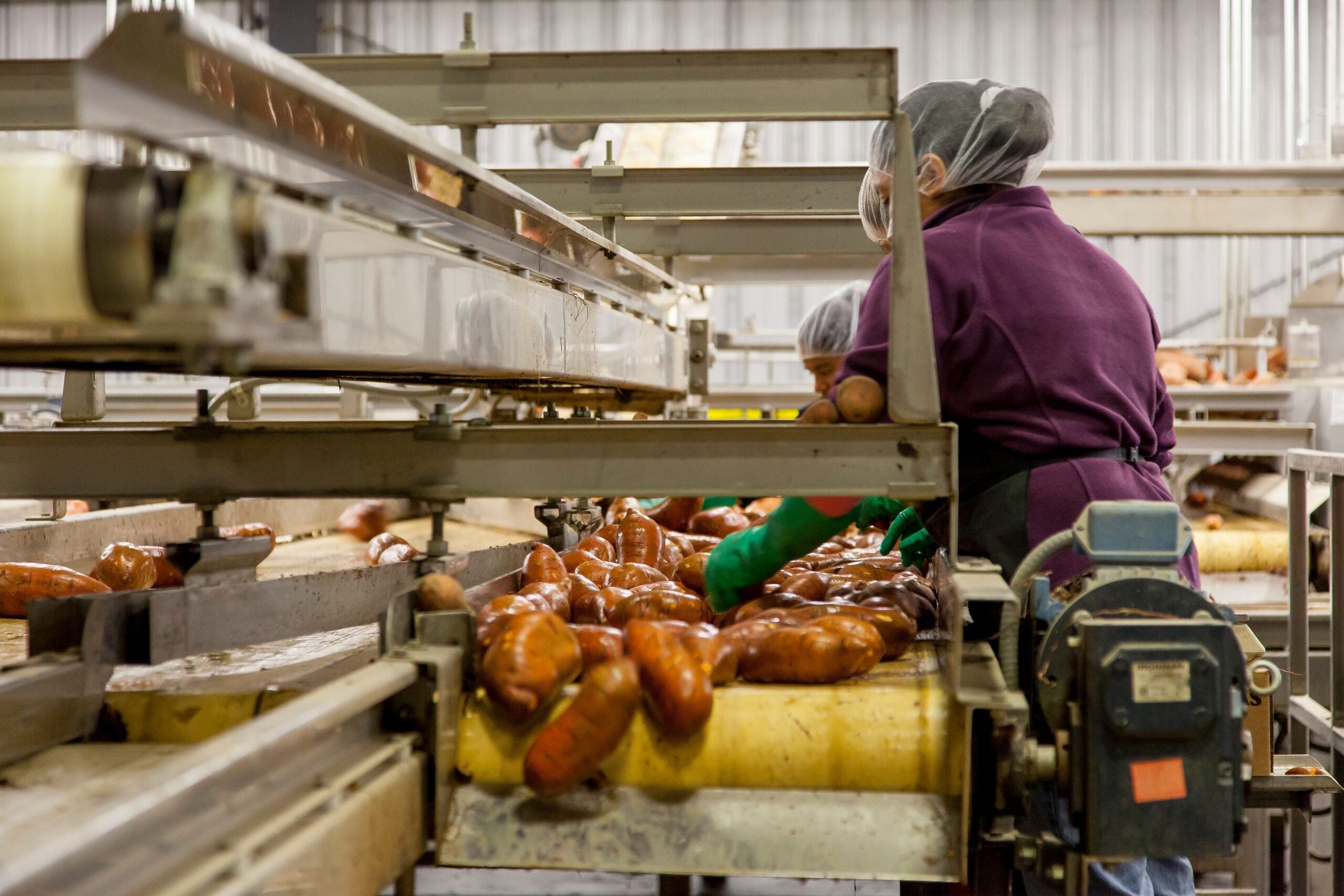
When experts talk about adding billions, they are describing more than factory output. The gains can show up through farm demand, export earnings, wages, tax revenue and clusters of related businesses that grow around major plants.
The broader idea is simple: Canada already produces the raw material, so capturing more of the next step could keep a larger share of the value inside the country. If investment, infrastructure and policy line up, more crop processing could help Canada sell not just what it grows, but what it can make from it.




Leave a Reply