
The Canadian Food Inspection Agency has recalled Taeyangcho Gochujang, a Korean hot pepper paste, because wheat was not declared on the label. For shoppers in Western Canada, this recall is a reminder that a familiar pantry item can pose a serious risk for people with wheat or gluten concerns.
The recalled product
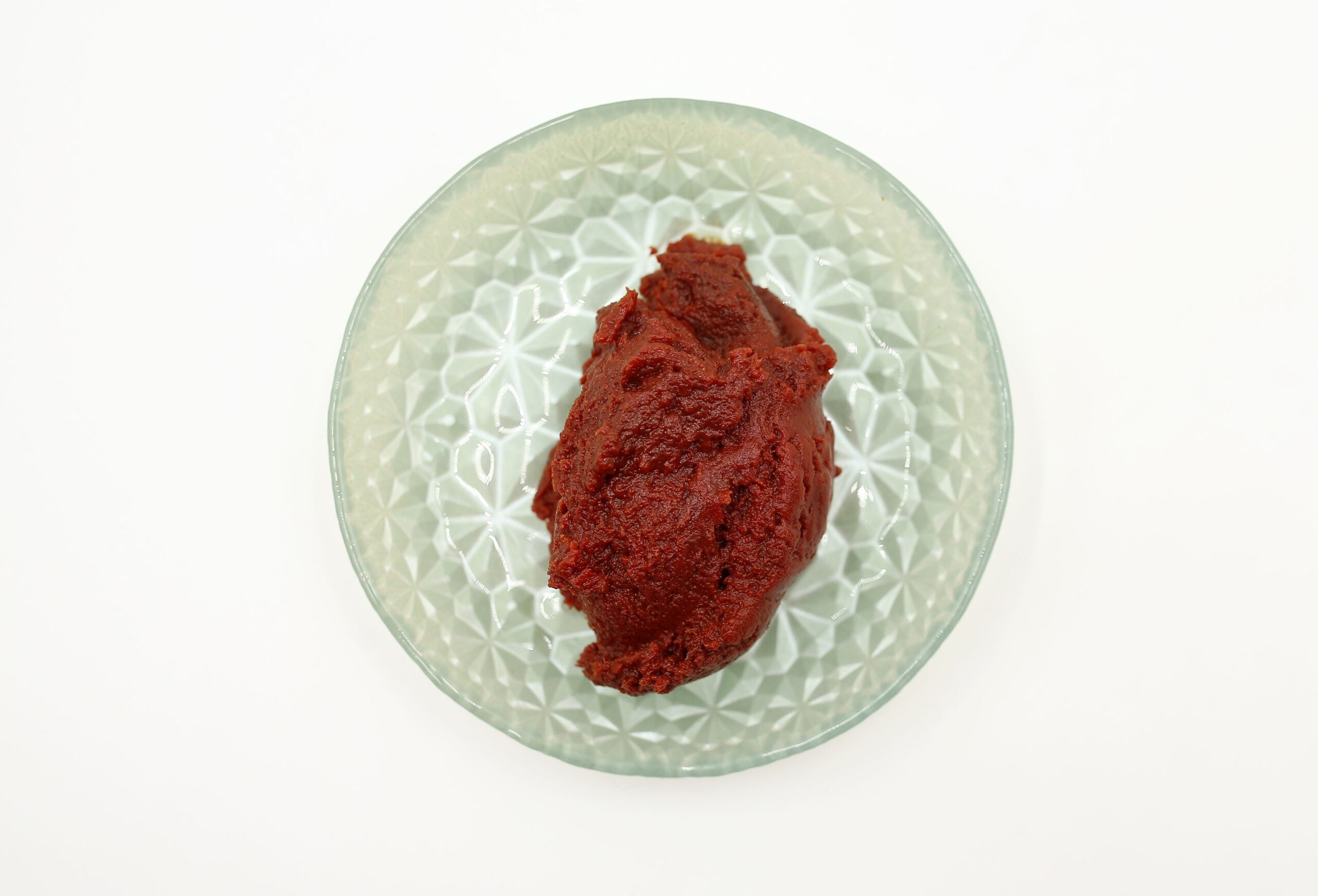
The recalled item is Taeyangcho Gochujang, also labeled as hot pepper paste. Gochujang is a thick Korean condiment made for heat, salt and sweetness, and it often appears in marinades, stews and dipping sauces.
In this case, the issue is not the style of food but the label. According to the CFIA, the product is being recalled because of undeclared wheat, which also raises a gluten concern for people who need to avoid it.
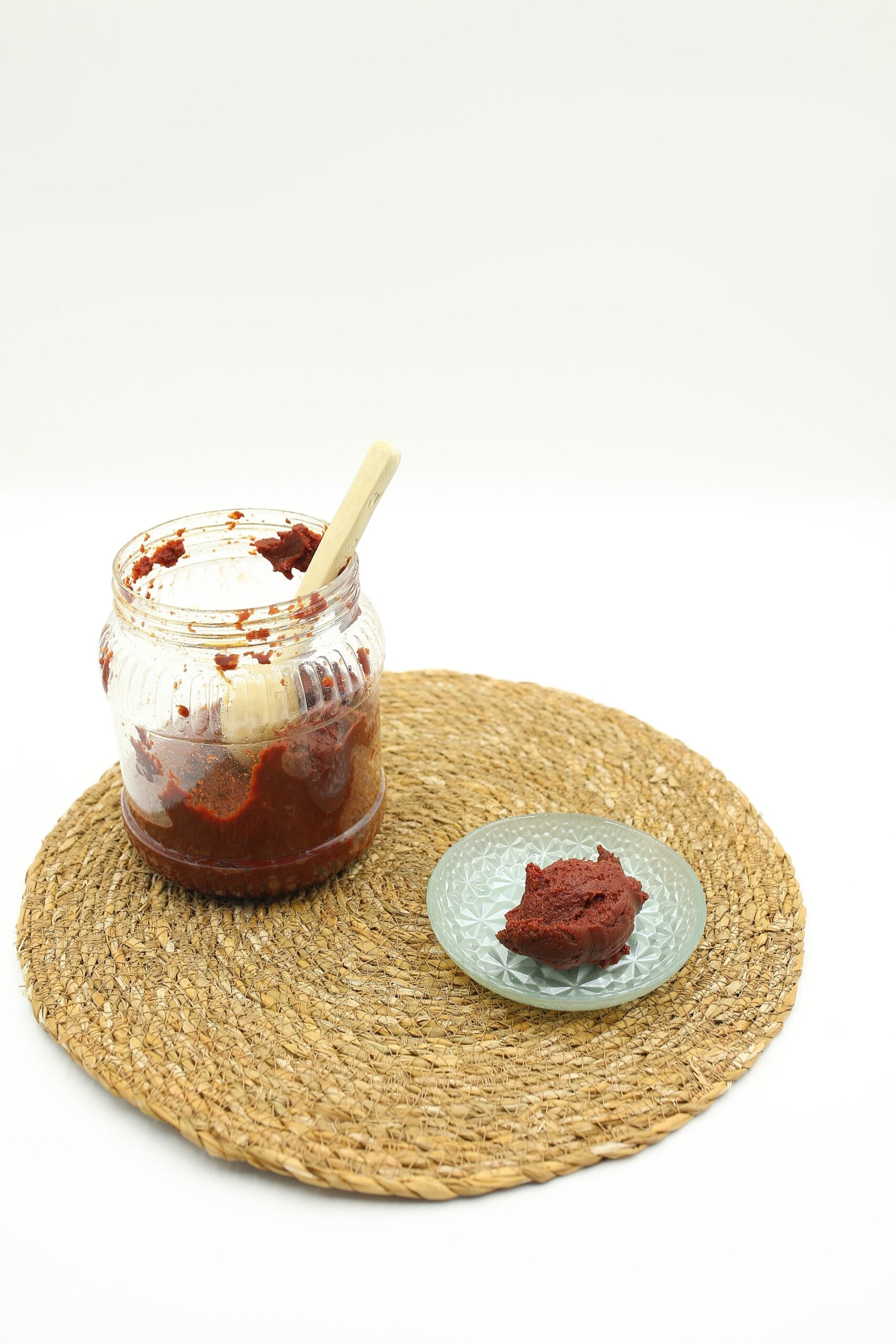
That makes the product photographable in a very direct way: a single tub or package of the paste on a kitchen counter tells the whole story. It is a common grocery item, which is exactly why clear labeling matters so much.
Why undeclared wheat matters
For some shoppers, wheat is more than an ingredient preference. It is an allergen that can trigger serious reactions, and gluten can also be a health concern for people who must strictly avoid it.
A recall like this is about what is missing from the package as much as what is inside it. If wheat is present but not declared, a consumer may use the product believing it is safe, especially in a sauce or paste where individual ingredients are not obvious.
That is why allergen recalls tend to get urgent attention. A single spoonful mixed into dinner can be enough to create a real problem for the wrong person.
Where it was distributed
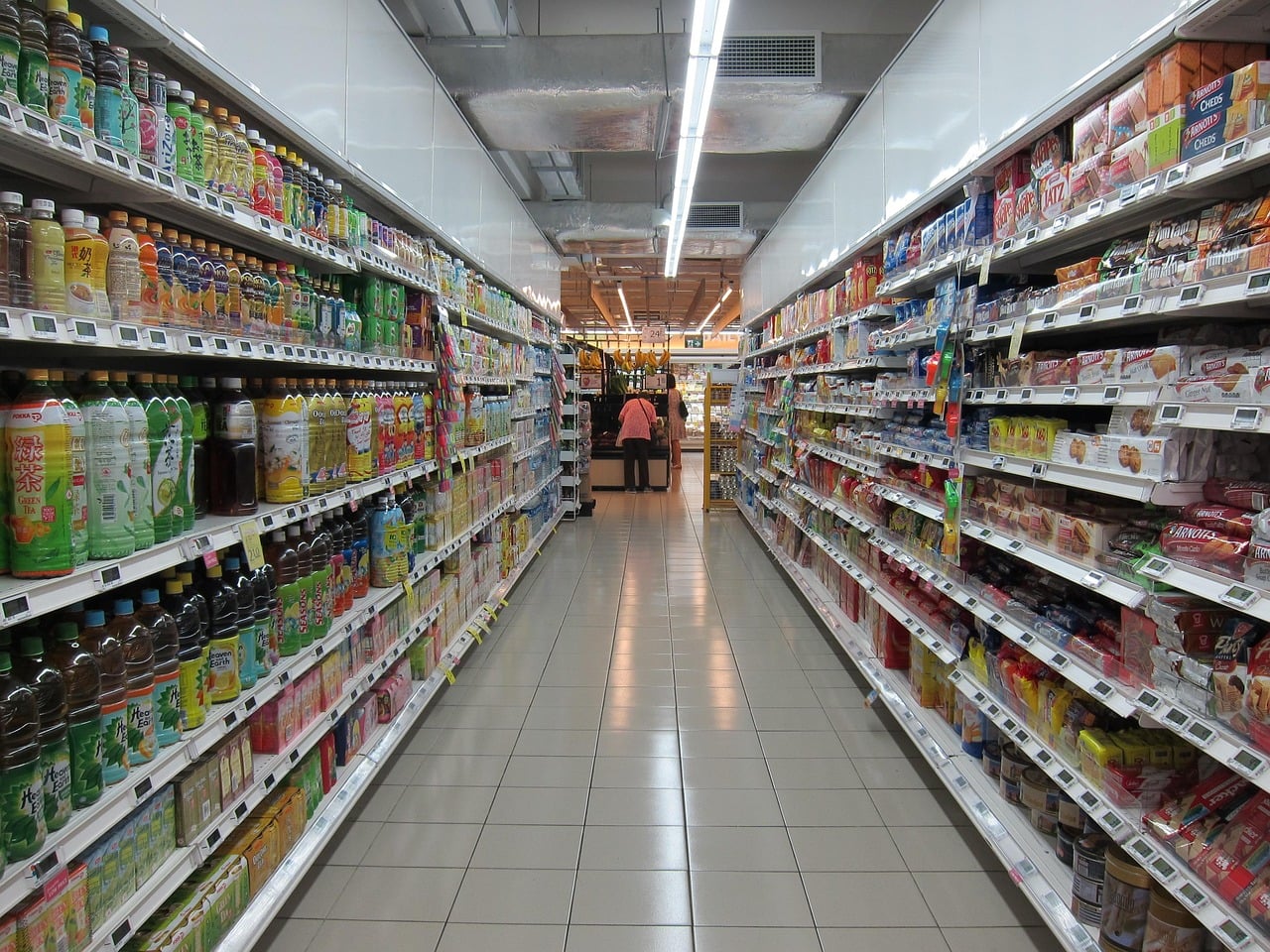
The CFIA said the recalled product was distributed in Alberta, British Columbia and Saskatchewan. That gives the recall a clear regional footprint, centered in Western Canada rather than across the entire country.
Even so, food products can travel beyond their original retail shelf. They may be shared between households, brought to gatherings or kept in a pantry for weeks or months after purchase.
A map of the three affected provinces or a grocery shelf image would suit this part of the gallery well. It helps readers connect a national agency announcement to the places where people actually shop and cook.
The CFIA's role
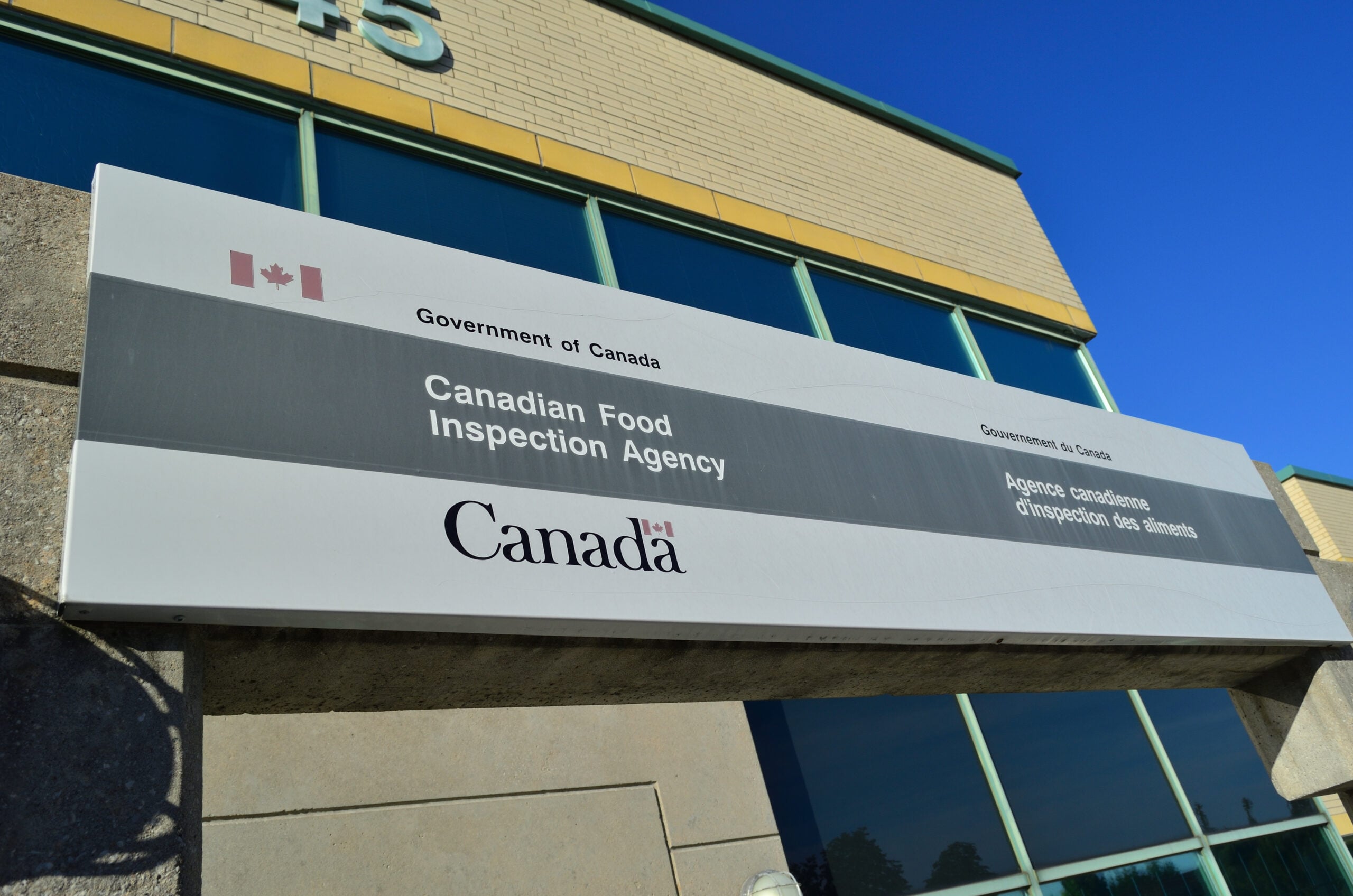
The recall was announced by the Canadian Food Inspection Agency, the federal body that handles food safety recalls in Canada. In public notices like this one, the agency identifies the product, states the hazard and lists where the item was distributed.
That straightforward format is important. It lets consumers quickly see whether a product in their kitchen matches the one named in the alert.
The CFIA also provided contact information for public and media enquiries in the recall notice. That signals the recall is part of a formal food safety process, not a rumor circulating online.
A pantry staple with hidden risk

Gochujang often sits in the refrigerator or pantry as a long-use ingredient, not something eaten all at once. That can make recalls harder for consumers, because the product may remain in use long after the shopping trip is forgotten.
It is also the kind of ingredient that gets stirred into larger dishes. A little can flavor fried rice, soups, noodles or meat, which means an undeclared allergen can spread through an entire meal.
This is why labels on condiments matter just as much as labels on bread, cereal or snacks. Small-quantity foods can still create a big exposure.
What shoppers should know

The core facts are simple: the recalled product is Taeyangcho Gochujang, the issue is undeclared wheat, and the product was distributed in Alberta, British Columbia and Saskatchewan. The CFIA listed the concern under both wheat and gluten.
For the general public, that means this is not just a niche labeling correction. It is a safety issue tied to a widely used food product.
The broader lesson is practical. Pantry items, sauces and pastes deserve the same attention as any other packaged food when a recall is issued, because the smallest ingredient can be the most important one.



Leave a Reply