
Canadian Thanksgiving looks familiar to Americans at first glance: turkey, family, and a long weekend. But its Monday date is the product of a specific federal decision, and the real story is more practical than many people realize.
The 1957 proclamation
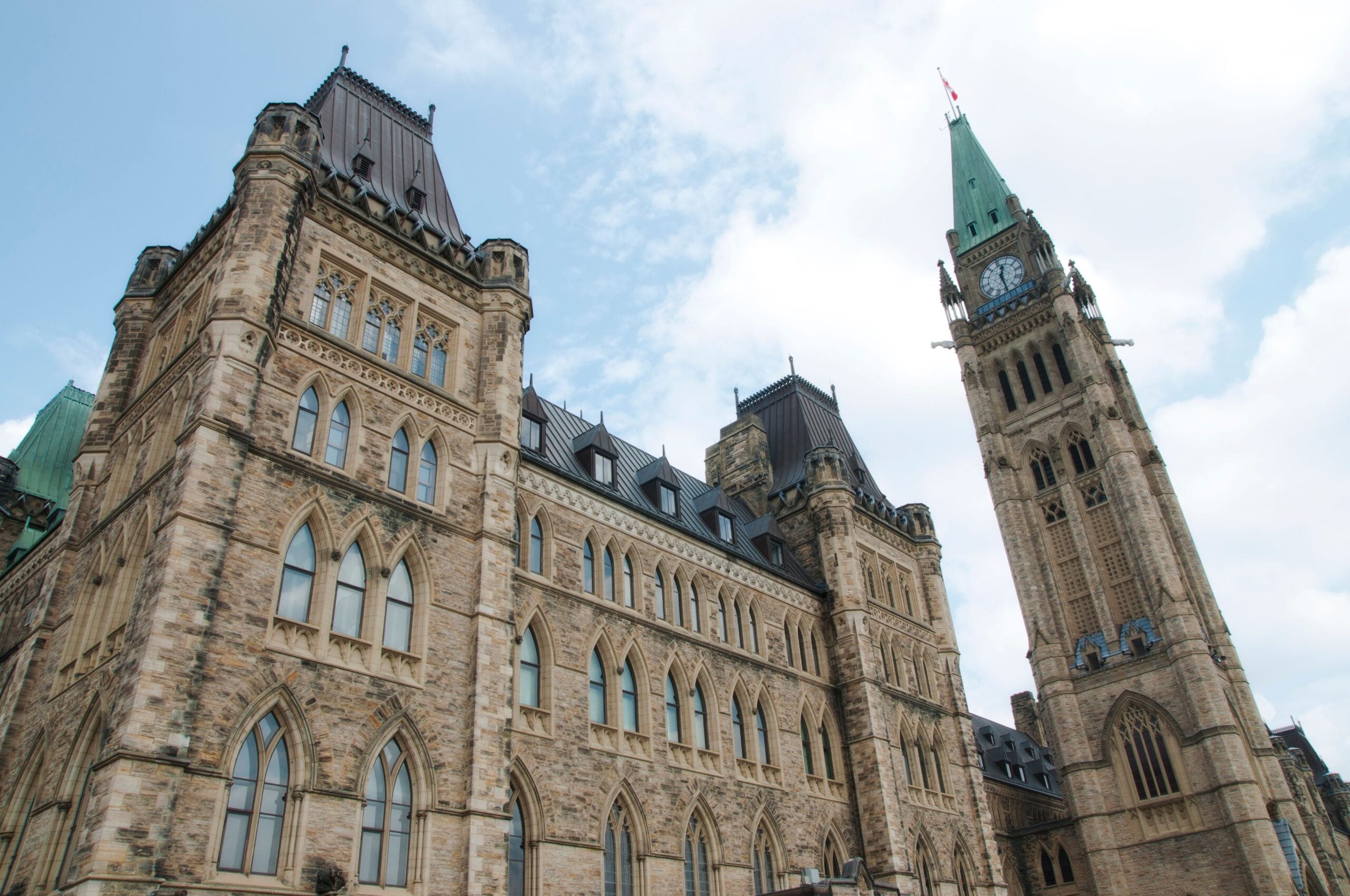
The modern holiday date comes from a proclamation issued by Parliament in 1957. It described Thanksgiving as a day of "general thanksgiving to Almighty God for the bountiful harvest with which Canada has been blessed" and fixed it on the second Monday in October.
That wording emphasized harvest, but the timing solved a calendar problem. Before 1957, Canadian Thanksgiving had moved around the calendar, and in some years it landed too close to November observances. Setting it in October created a stable annual date and removed uncertainty for provinces, schools, churches, and employers planning fall events.
Why November was a problem
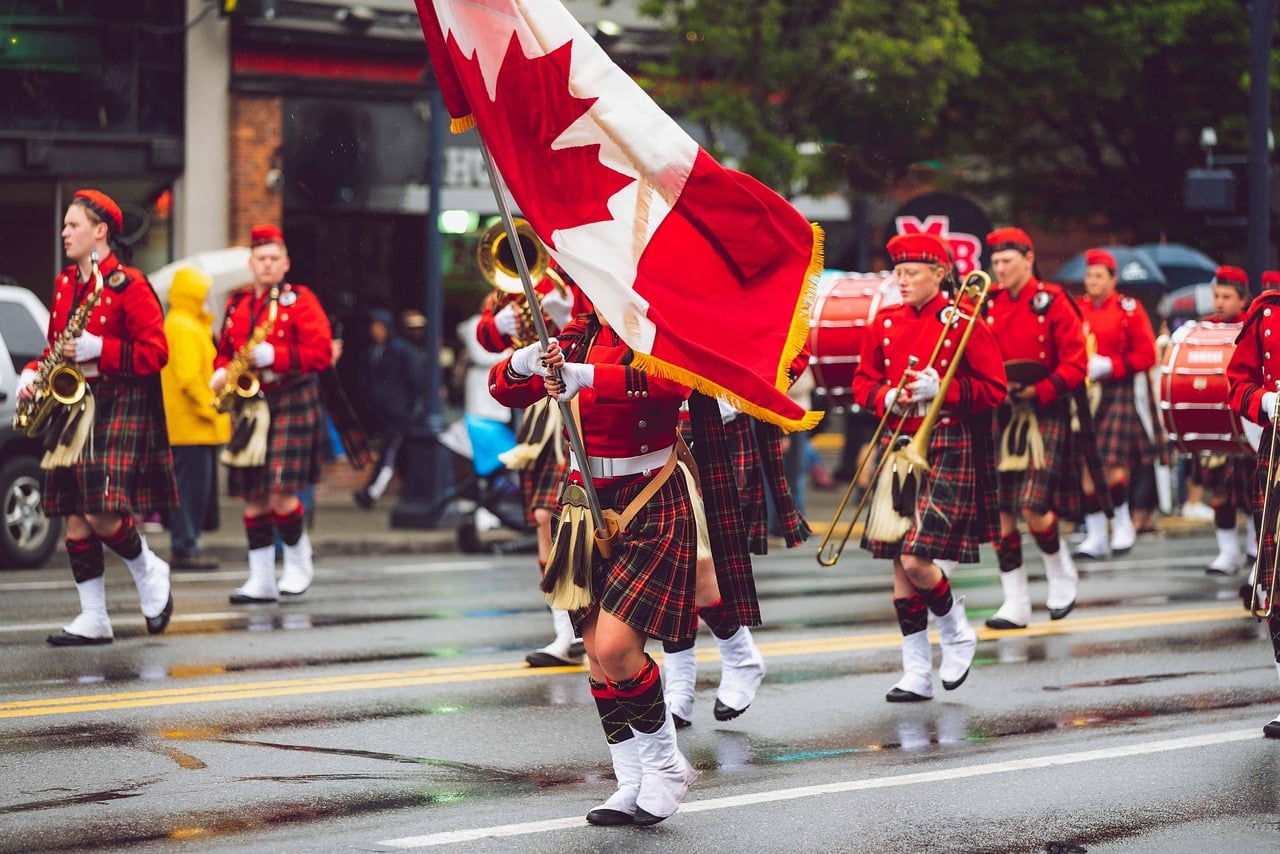
The key issue was Remembrance Day. November 11 carries deep national meaning in Canada, and officials wanted to avoid having Thanksgiving celebrations crowd preparations for ceremonies, school programming, and community observances tied to remembrance.
Earlier in the 20th century, Thanksgiving was sometimes observed in November, including on dates near Armistice Day, later called Remembrance Day. That overlap created tension between a festive holiday and a solemn period of commemoration. Moving Thanksgiving firmly to October separated the moods of the two occasions and gave each one clearer public space.
Why Monday mattered
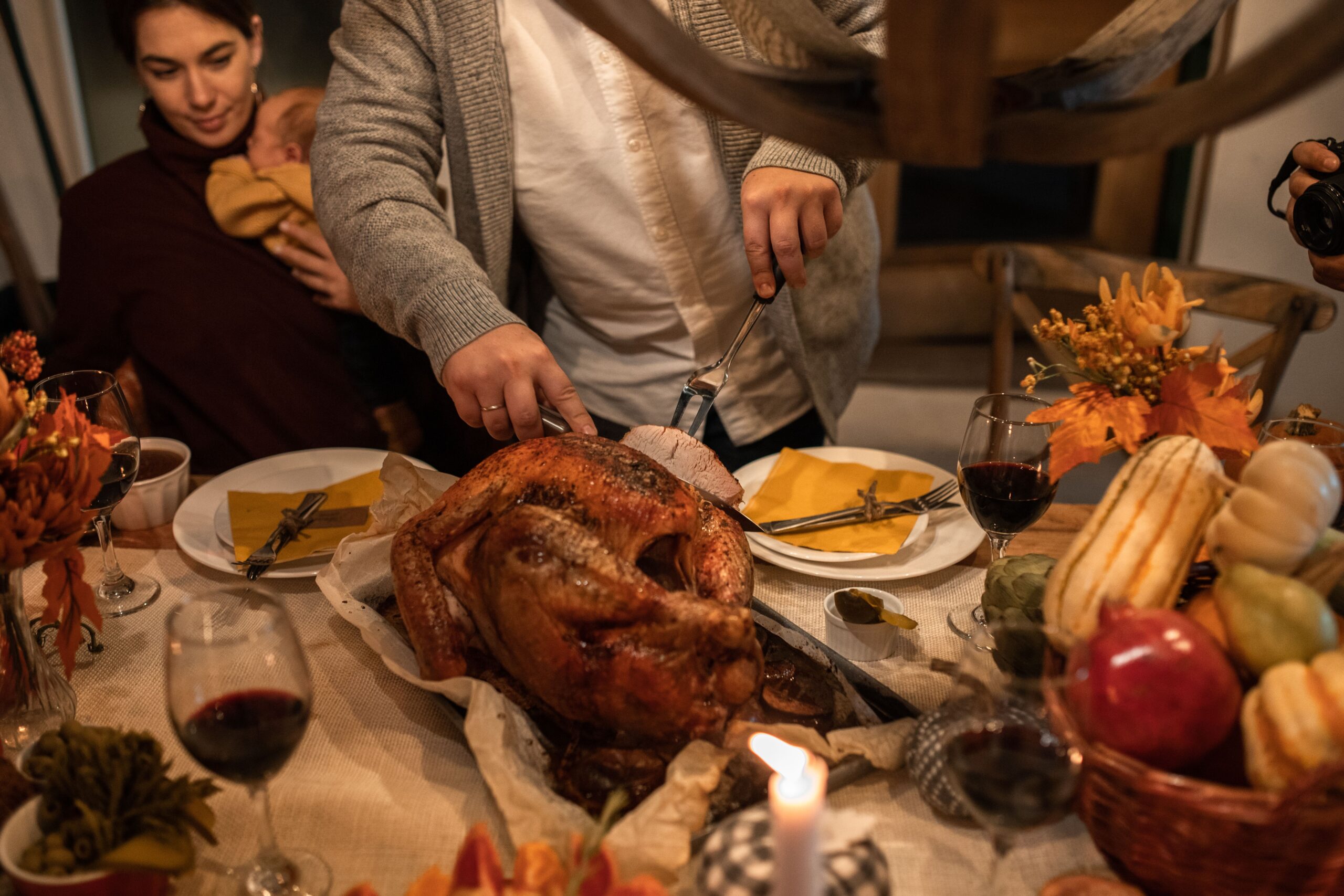
The Monday placement was not just a convenience added later. A Monday holiday guarantees a three day weekend, which makes travel, family gatherings, and event planning easier than a fixed date that can fall midweek.
That matters in a country as large as Canada. Relatives often live in different cities or provinces, and a built in long weekend increases the odds that people can gather without taking extra vacation days. It also gives employers and schools a predictable pattern. Over time, that Monday structure became just as central to the holiday as the meal itself.
The harvest explanation is only part of it
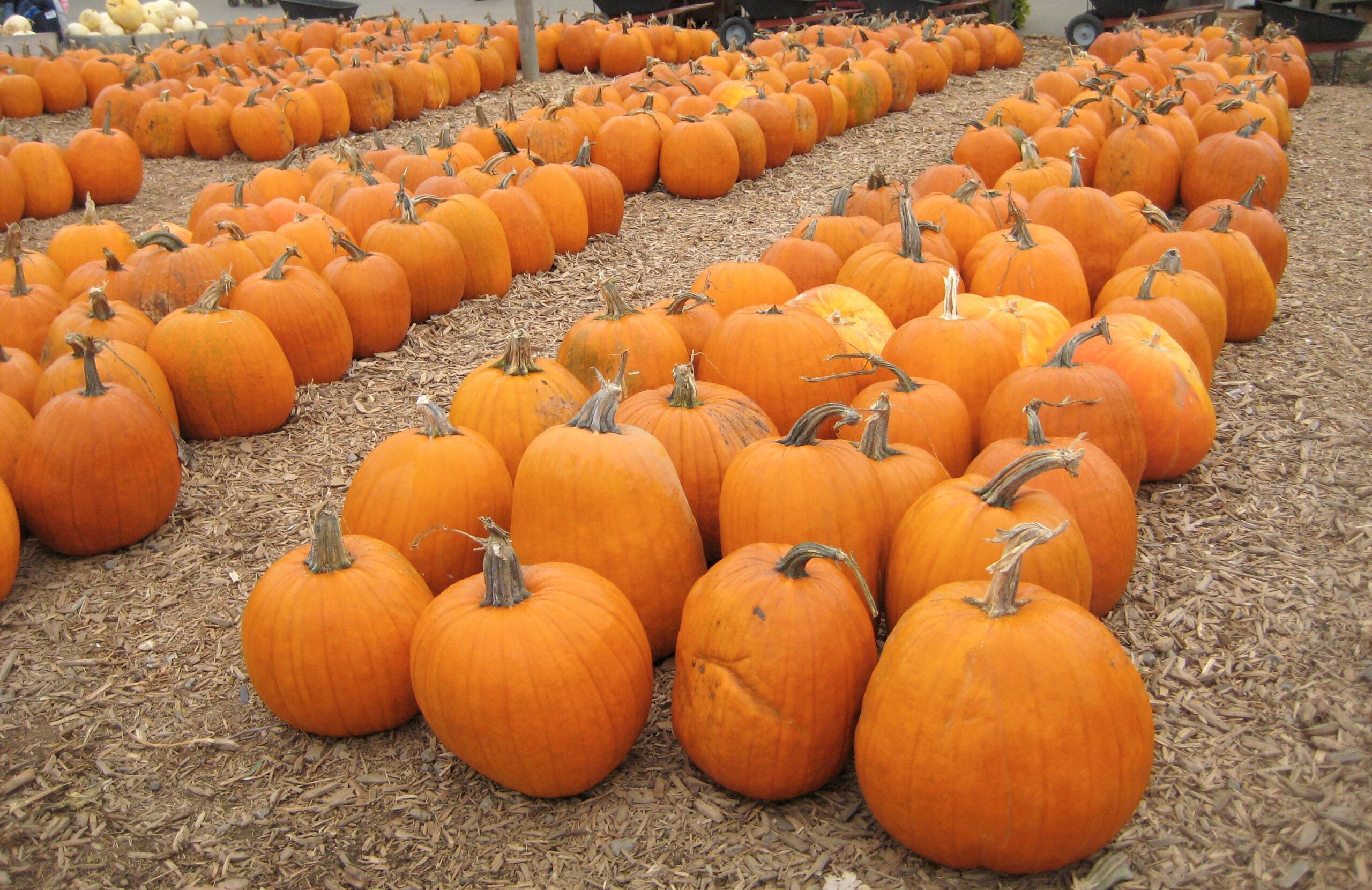
Harvest timing still matters, just not in the way many people assume. Because Canada's growing season generally ends earlier than in much of the United States, an October Thanksgiving does make seasonal sense in practical and historical terms.
But harvest alone does not explain why the holiday is specifically on the second Monday. The 1957 decision turned a broad seasonal tradition into a fixed national observance with a precise spot on the calendar. In other words, the harvest explains the season, while Parliament explains the exact Monday. That distinction is the real reason the date exists in its current form.
The long weekend became an economic engine
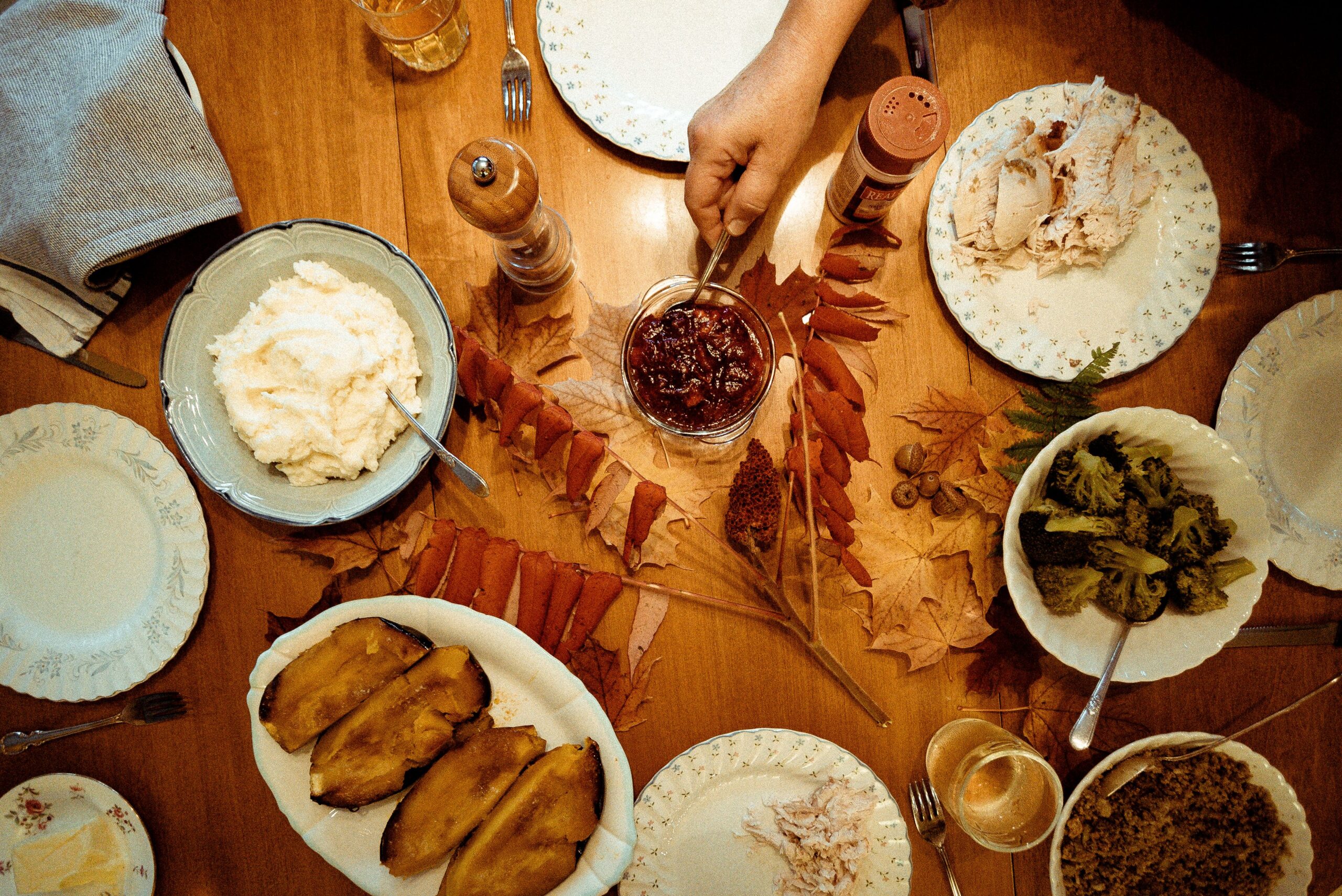
Once Thanksgiving was anchored to a Monday, the holiday naturally encouraged movement across the country. Families visited one another, cottages saw one more burst of use before winter, and highways, trains, and airports became busier during the long weekend.
That pattern helped turn Thanksgiving into one of the bigger domestic travel periods of the Canadian year. The long weekend format did more than create leisure time. It supported restaurants, fuel sales, accommodations, and local tourism. The date worked socially, but it also worked economically, which strengthened the logic of keeping it exactly where it was placed.
A practical holiday with lasting appeal

What makes the Canadian date so interesting is that it blends symbolism with logistics. The public language around the holiday centers on gratitude and harvest, but the modern calendar choice reflects nation building, scheduling, and respect for remembrance.
That is why the Monday timing has endured. It gives Thanksgiving room to be warm and celebratory without colliding with the more solemn work of November 11. It also gives Canadians a reliable fall weekend for gathering and travel. Far from being accidental, the second Monday in October is one of those dates where policy quietly shaped tradition.




Leave a Reply