
Canada has produced chefs who changed how people cook at home, dine out and think about national food culture. These 10 figures stand out for lasting influence, public recognition and the way their work shaped Canadian cuisine in restaurants, media and everyday kitchens.
Susur Lee
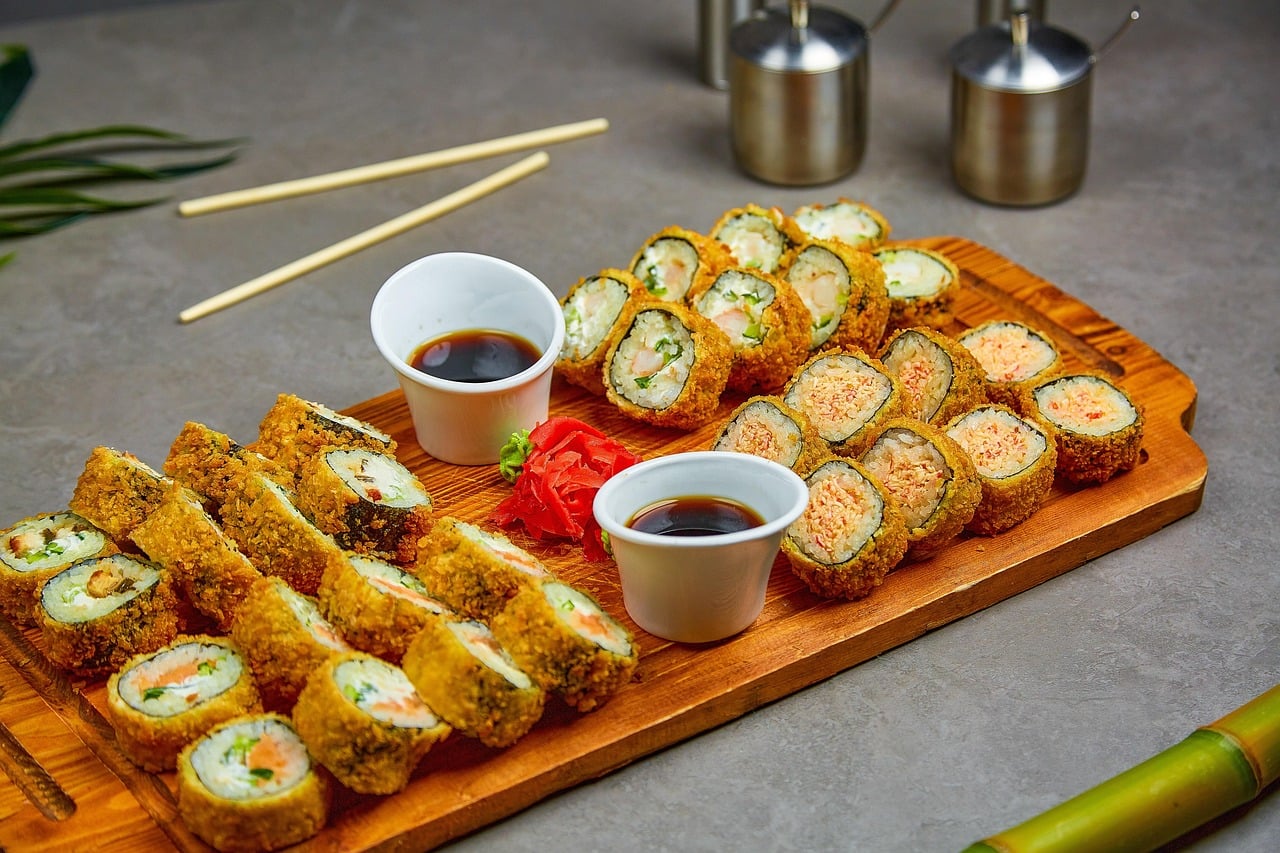
Few Canadian chefs built an international profile as early or as visibly as Susur Lee. Born in Hong Kong, Lee moved to Toronto and became one of the city's defining restaurant talents. His cooking earned wide praise for combining French technique with Chinese flavors long before fusion became a common label.
Lee first drew major attention at Lotus, then cemented his reputation with Susur in Toronto. He later appeared on Top Chef Masters and opened restaurants in Toronto, New York and Singapore. That television presence turned him into one of the rare Canadian chefs recognized well beyond the country's restaurant scene.
His importance in Canadian food history comes from timing as much as talent. Lee helped make Toronto's multicultural cooking feel central to fine dining, not separate from it. For many diners and younger cooks, he proved that a chef in Canada could build a global reputation while staying rooted in the country's diverse urban food culture.
Michael Smith
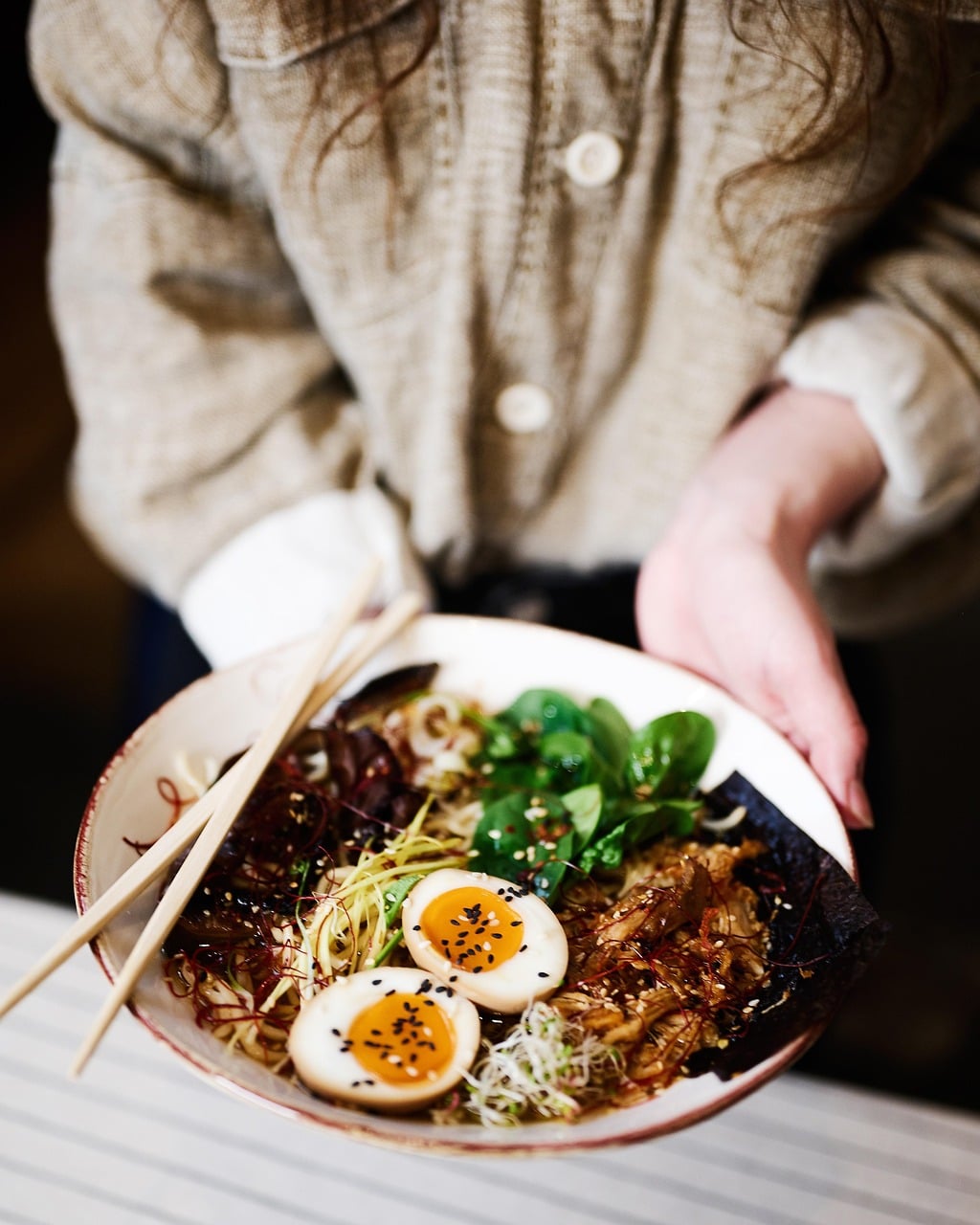
Michael Smith became one of Canada's best-known chefs by speaking to home cooks in clear, practical language. Raised in New York State and based for years on Prince Edward Island, he turned simple ingredients and approachable technique into a long television career that reached viewers across the country.
He hosted popular series including The Inn Chef, Chef at Home and Chef Michael's Kitchen, and also wrote several cookbooks. His work often highlighted Prince Edward Island products, especially seafood and farm ingredients, helping connect local agriculture with national food media in a way many viewers could immediately understand.
Smith's legacy rests on access. He made cooking sound manageable, not intimidating, and encouraged people to improvise instead of chasing perfection. In a country where food television often shapes public ideas about cooking, his warm teaching style and steady advocacy for local food gave him a lasting place in Canada's culinary memory.
Anna Olson
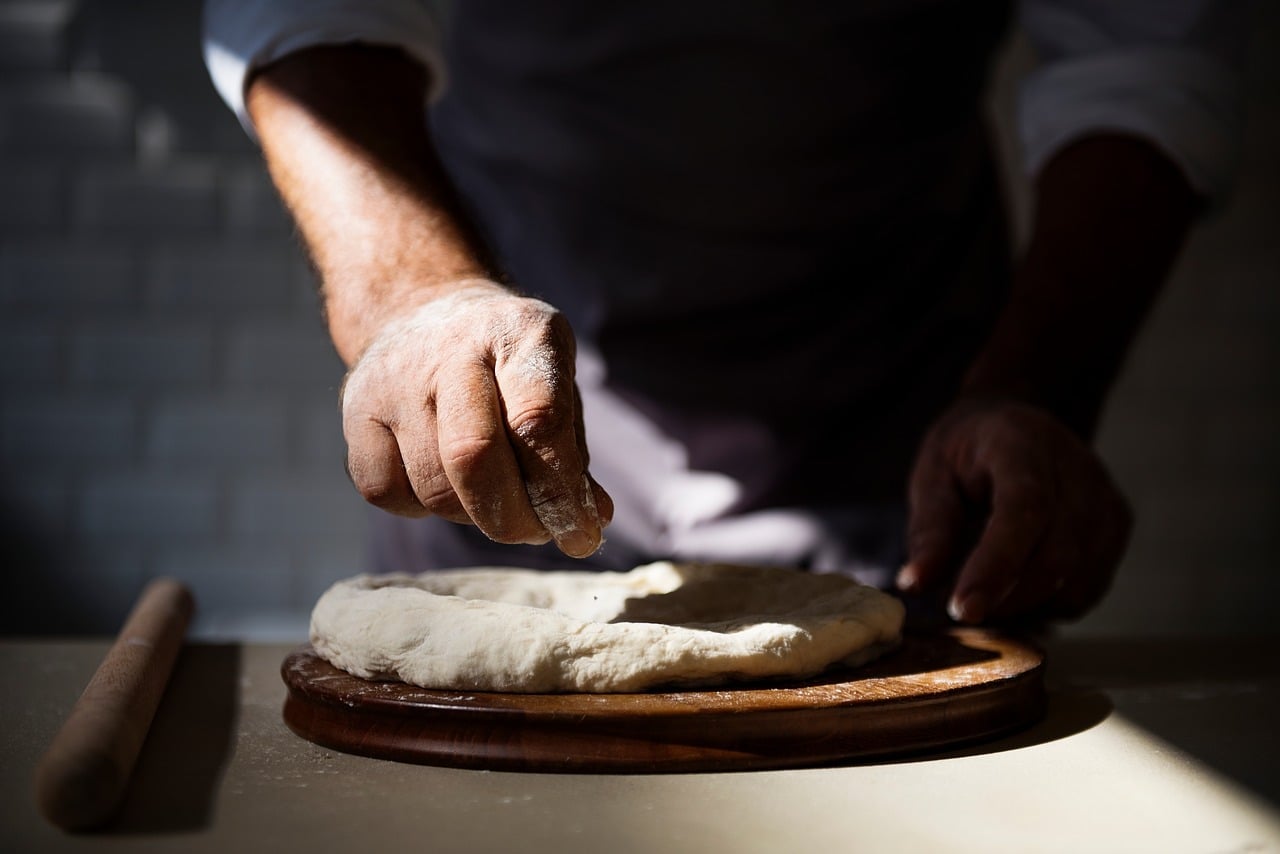
Anna Olson brought pastry and baking into the Canadian mainstream with unusual clarity and precision. Trained in culinary arts and known for a calm on-screen style, she became a familiar face through shows that focused on desserts, technique and home cooking without making any of it feel out of reach.
Her television work includes Sugar, Fresh with Anna Olson and Bake with Anna Olson. She also published bestselling cookbooks that gave home bakers dependable guidance on cakes, tarts, custards and other pastry basics. In a media world often drawn to spectacle, Olson built trust by being exact, patient and consistently useful.
That reliability is why her influence lasts. She did not just popularize baking, she gave Canadians a clear standard for how to learn it well. For many households, Olson became the person who explained why a recipe works, which ingredients matter most and how confidence in the kitchen is built step by step.
Martin Picard
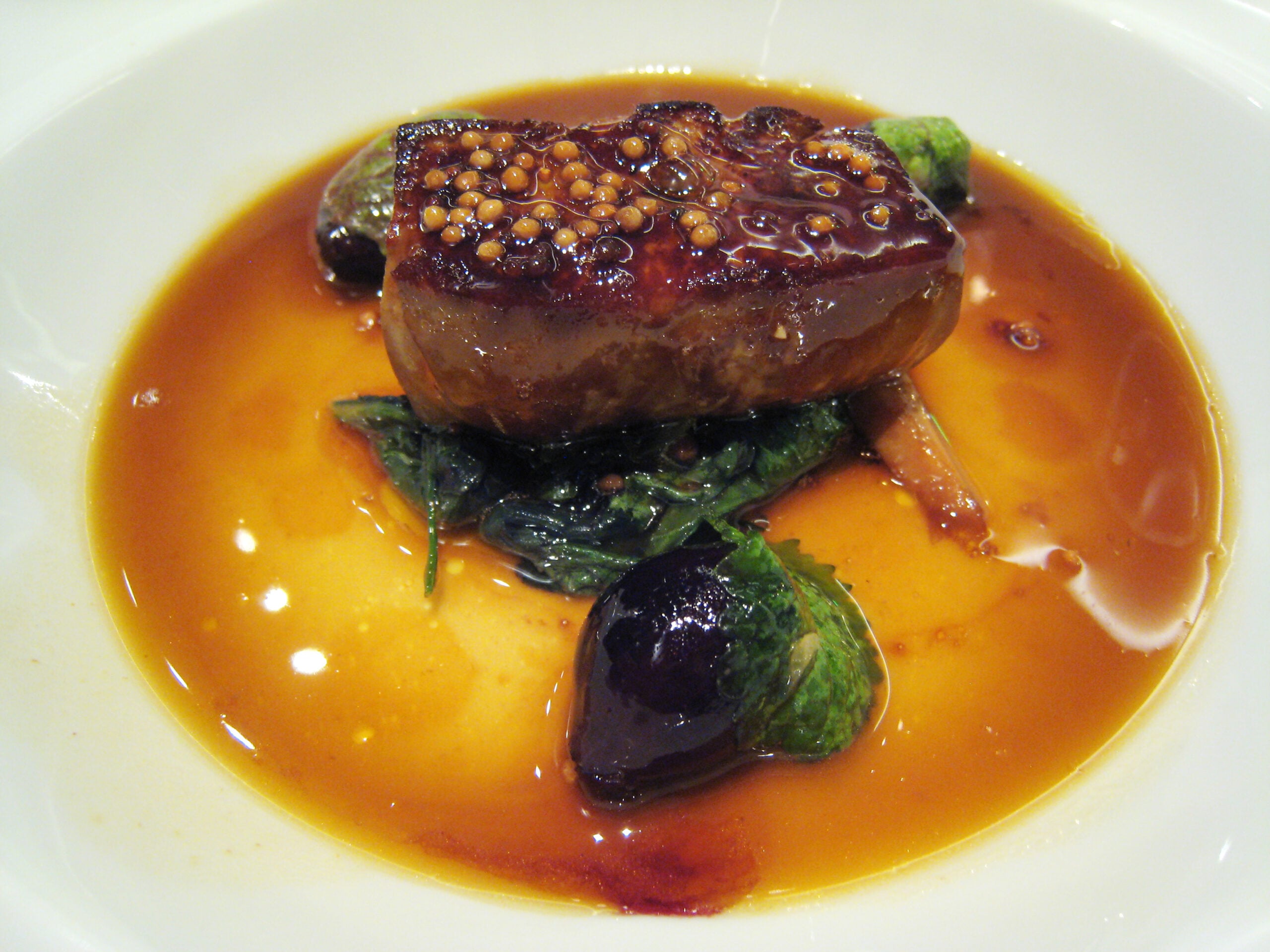
Martin Picard changed the conversation around Québécois food by treating traditional ingredients with both respect and excess. As chef and owner of Au Pied de Cochon in Montreal, he became famous for rich, highly personal dishes that celebrated foie gras, pork and maple syrup with little interest in restraint.
His 2006 cookbook Au Pied de Cochon became a landmark for readers curious about modern Quebec restaurant culture. He later reached a wider audience through Martin on the Road and through his sugar shack project, which turned a seasonal rural tradition into a destination known far beyond Quebec.
Picard matters because he made regional identity feel bold and contemporary. At a time when many chefs looked outward for prestige, he looked inward and amplified local customs. The result was a style that was unmistakably Québécois and influential enough to shape how people inside and outside Canada understood the province's food.
Vikram Vij
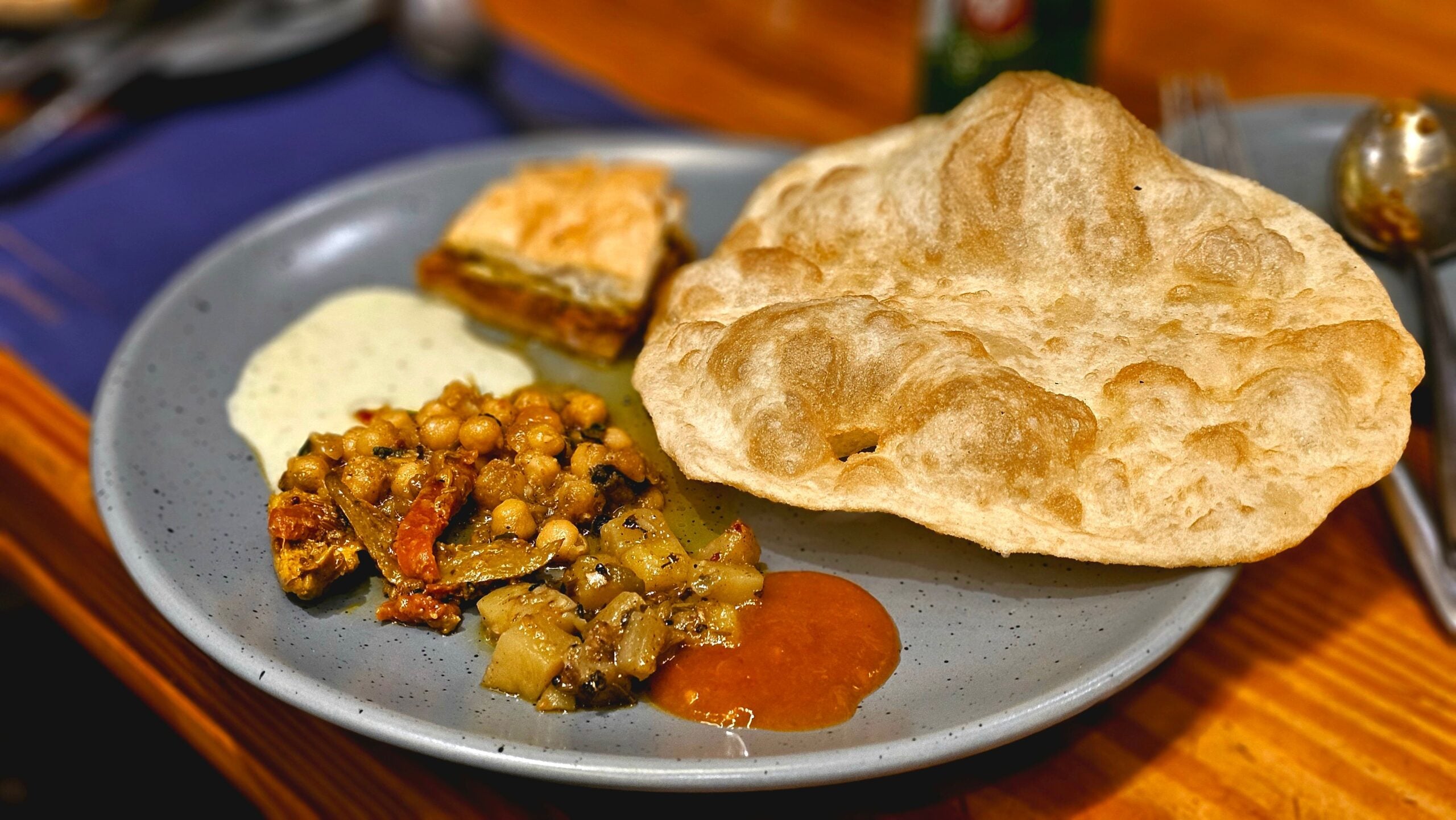
Vikram Vij helped transform Indian fine dining in Canada with a style that was polished, personal and deeply influential. After moving to Canada, he built his reputation in Vancouver, where Vij's became one of the country's most celebrated restaurants and a touchstone for West Coast dining.
His menus showed that Indian cuisine could be presented in an upscale restaurant setting without losing warmth or identity. Vij also became widely known through television, including appearances as a resident investor on Dragons' Den. That role introduced him to viewers who may not have known his restaurants but quickly recognized his business instincts and public charisma.
Vij's broader contribution is cultural as much as culinary. He expanded the idea of what Canadian fine dining could look like and who could define it. In a diverse country still negotiating its food identity, his success helped make immigrant culinary traditions part of the national center, not the margins.
Lynn Crawford
Lynn Crawford brought restaurant credibility and television fluency together in a way that made her one of Canada's most recognizable chefs. She worked in major kitchens in Toronto and New York, then returned to Canada and became a familiar media figure with a direct, energetic style.
Many viewers came to know her through Restaurant Makeover, Pitchin' In and appearances on Chopped Canada. In Toronto, she also led Ruby Watchco, a restaurant praised for its daily changing menus and communal style of dining. That combination of media reach and respected kitchen work gave her an unusually broad audience.
Crawford's place in Canadian food history comes from versatility. She moved easily between professional cooking, food advocacy and mainstream television without losing authority. For a general audience, she made chefs feel less distant, while for the industry she remained a serious practitioner with a clear point of view about ingredients and hospitality.
Chuck Hughes
Chuck Hughes became a national star by pairing professional kitchen skills with a relaxed, highly watchable style. Based in Montreal, he gained a large audience through television at a moment when food media was expanding and chefs were becoming entertainment figures as well as restaurant professionals.
He co-owns Garde Manger and later Le Bremner, two restaurants that helped define his public image. Hughes also hosted Chuck's Day Off and, in 2011, became the first Canadian to beat Bobby Flay on Iron Chef America. That win gave him a memorable milestone that still stands out in his career.
His long-term significance lies in reach. Hughes brought restaurant culture to viewers who wanted strong flavors and less formality, and he did it with ease. He represented a generation of chefs who were comfortable on camera but still grounded in working kitchens, a balance that helped broaden public interest in Canadian chefs.
David McMillan and Fred Morin
Some culinary legacies are inseparable, and David McMillan and Fred Morin are one of Canada's defining examples. As the founders of Joe Beef in Montreal, they helped create a restaurant whose reputation spread far beyond Quebec and became shorthand for generous, deeply flavorful cooking.
Joe Beef opened in 2005 and quickly drew international attention for its rich food, strong wine program and distinctive personality. The pair later expanded with Liverpool House and other projects, and their cookbooks extended that influence into home kitchens. Their approach mixed French technique, local products and a deliberately unpolished sense of pleasure.
They belong in any discussion of Canada's most memorable chefs because they changed restaurant culture, not just menus. Joe Beef became a model others studied, from its hospitality to its voice. Even after McMillan's departure from the restaurant group, the duo's impact on Montreal dining and Canada's global food image remained firmly established.
Christine Cushing
Christine Cushing helped shape Canadian food television by making Mediterranean-inspired home cooking feel inviting and realistic. A professionally trained chef with Greek family roots, she built trust with audiences through instruction that was clear enough for beginners and useful enough for experienced home cooks.
She became widely known through shows such as Christine Cushing Live, Fearless in the Kitchen and guest appearances across Canadian media. Her cookbooks and demonstrations often centered on fresh produce, olive oil, herbs and straightforward methods that reflected the food traditions she grew up with and adapted for Canadian households.
Cushing's influence is easy to overlook because it feels so familiar. She normalized the idea that a chef could teach without performing intimidation. In doing so, she helped create a television style focused on confidence, hospitality and practical technique, an approach that left a real mark on how many Canadians learned to cook.
Normand Laprise
Normand Laprise closes this list because his work gave Canadian fine dining a durable, ingredient-driven framework. As chef and co-owner of Toqué! in Montreal, he became one of the country's most respected culinary figures by championing seasonal cooking and close relationships with local farmers and producers.
Toqué!, founded in 1993, earned lasting acclaim for precision and for showcasing Quebec ingredients at a very high level. Laprise also represented Canada internationally, including at the Bocuse d'Or as coach and mentor. His leadership extended beyond one dining room into the broader professional culture of cooking.
That professional influence is his enduring strength. Laprise helped define excellence in a Canadian context, proving that world-class cooking here could begin with local products and disciplined technique. For chefs who came after him, he offered a model of ambition tied not to imitation, but to place, season and craft.


Leave a Reply