
Canadian Thanksgiving is full of dishes that feel timeless, but some of the most familiar details were shaped by shortage, not abundance. During the Second World War, rationing changed how families cooked, and a surprising number of those practical substitutions stayed on the holiday table.
Stuffing padded with oats
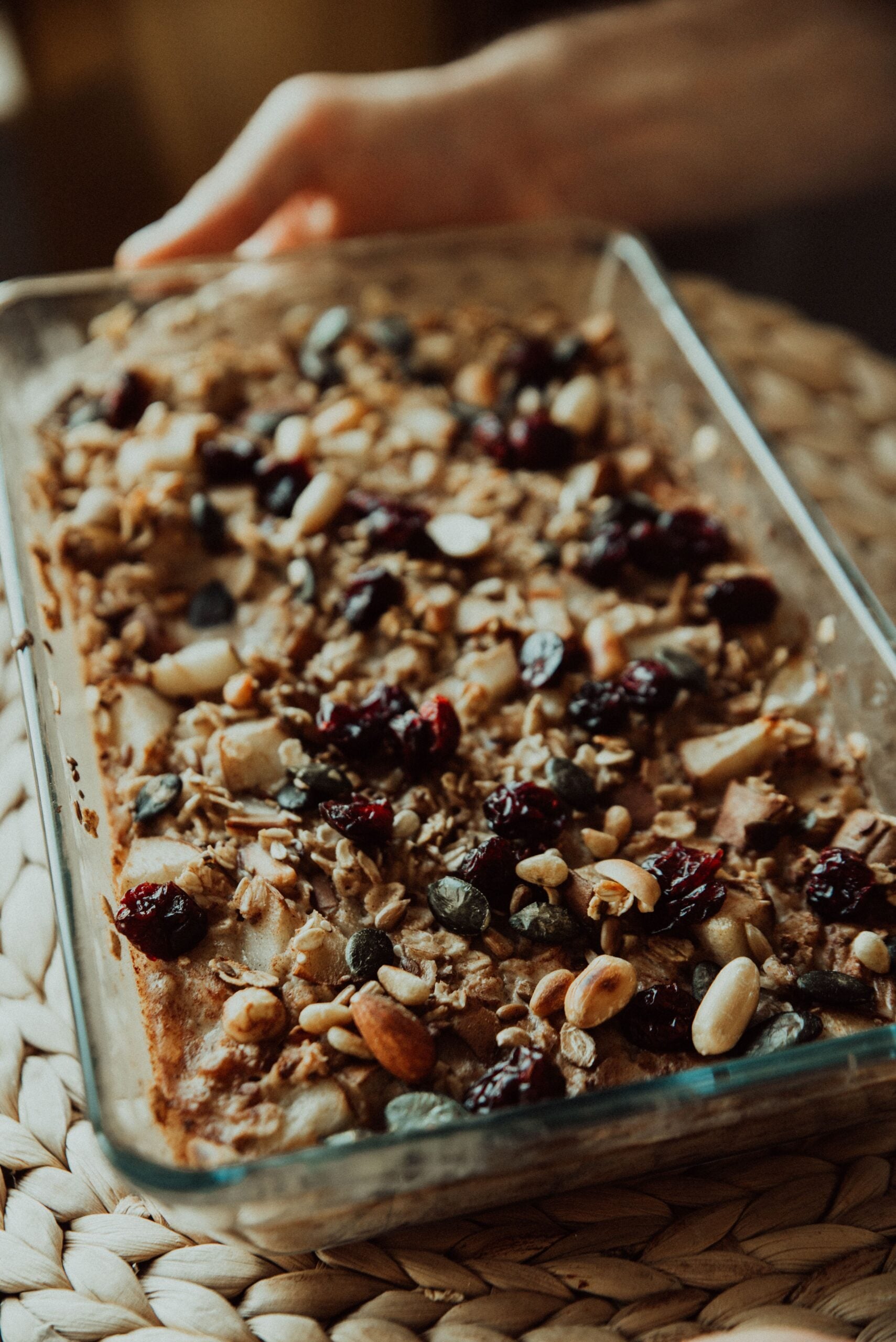
One of the clearest wartime holdovers is stuffing bulked up with oats. During the Second World War, Canadian households faced limits on foods including sugar and butter, and many families learned to stretch meat and bread dishes with ingredients that were cheap, filling, and easy to store. Oats fit that need well, especially in a country where they were already a pantry staple.
What began as thrift often turned into preference. Adding oats helped stuffing hold moisture and gave it a softer, heartier texture, especially when stale bread was in short supply or carefully saved. In many homes, that mixture was repeated year after year until it stopped feeling like a substitute and started feeling like the proper family version.
Lard in place of butter
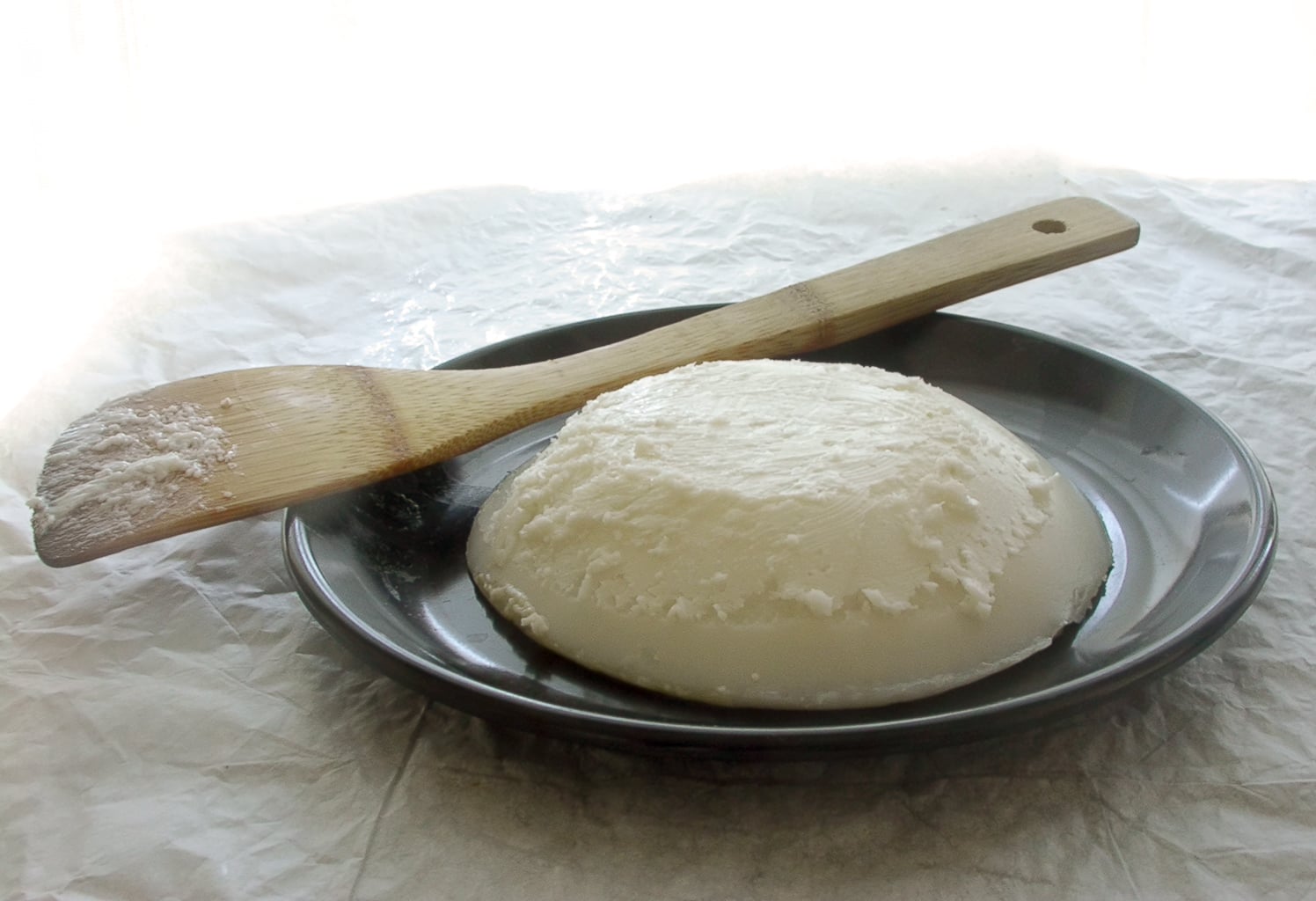
Butter was another ingredient families had to think carefully about during the war years. Canadian rationing affected everyday cooking fats, and home cooks often turned to lard when butter needed to be saved for spreading, baking, or other uses. For Thanksgiving meals, that meant pastry, roasted vegetables, and even stuffing might rely on rendered fat instead of dairy.
The shift left a lasting mark because lard was not just economical, it was useful. It made pie crusts tender and flaky, and it could handle high heat well in roasting pans. Once cooks saw that a holiday dish still tasted rich and satisfying, the reason for the swap faded, but the method often remained part of the family recipe card.
Pies with less sugar
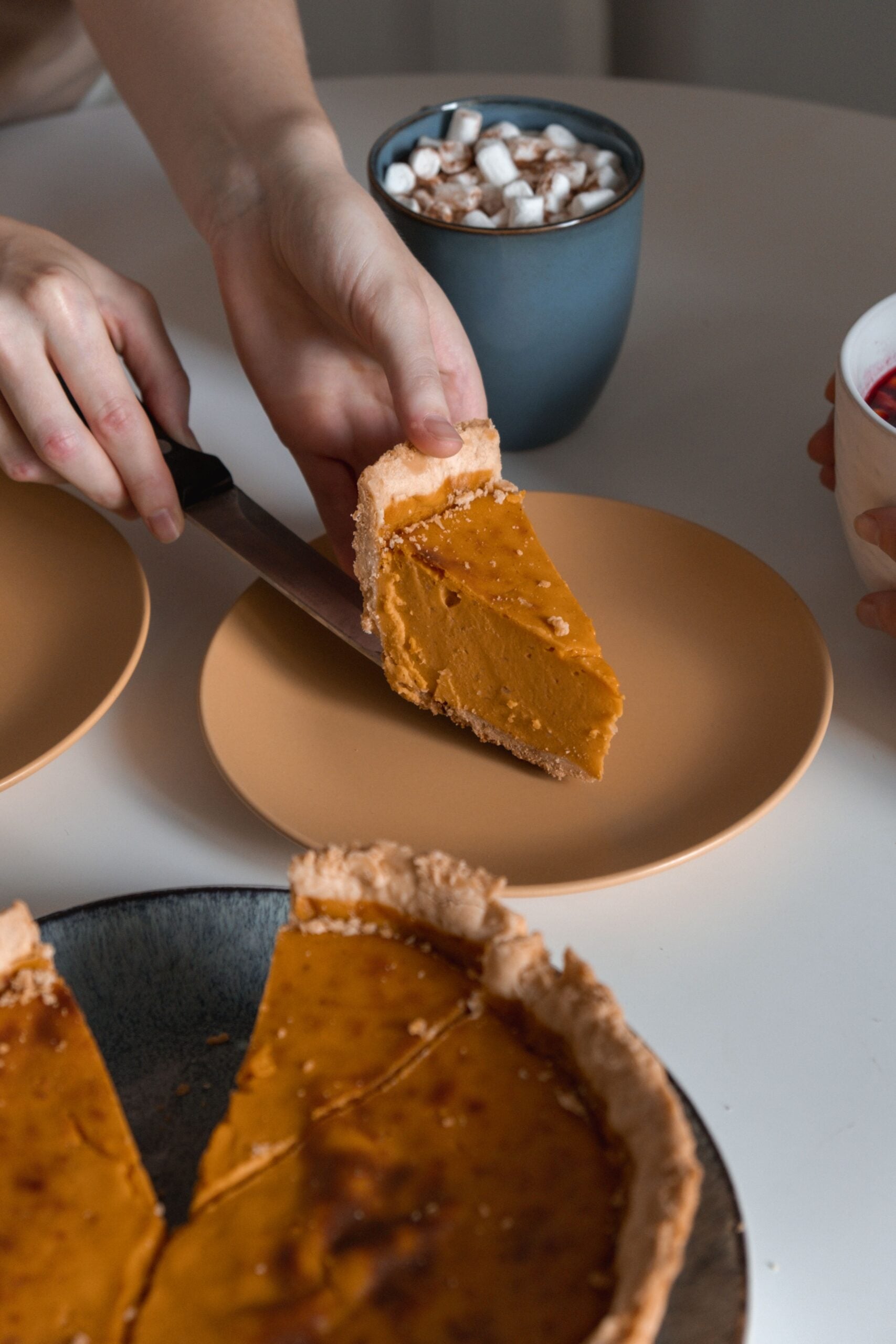
Dessert changed too. Sugar was rationed in Canada during the Second World War, so home bakers had to make pies with less sweetness than earlier recipes often called for. Apple and pumpkin pies adapted especially well because fruit, spice, and long baking times could still produce a full flavor without the same amount of sugar.
That adjustment quietly rewired expectations. A less sugary pie could taste more balanced, allowing cinnamon, nutmeg, apples, or squash to stand out instead of being buried under sweetness. Many families came to think of these versions as old-fashioned or homemade, even though their restraint often reflected a period when ration books, not taste trends, set the limits.
Saving stale bread on purpose
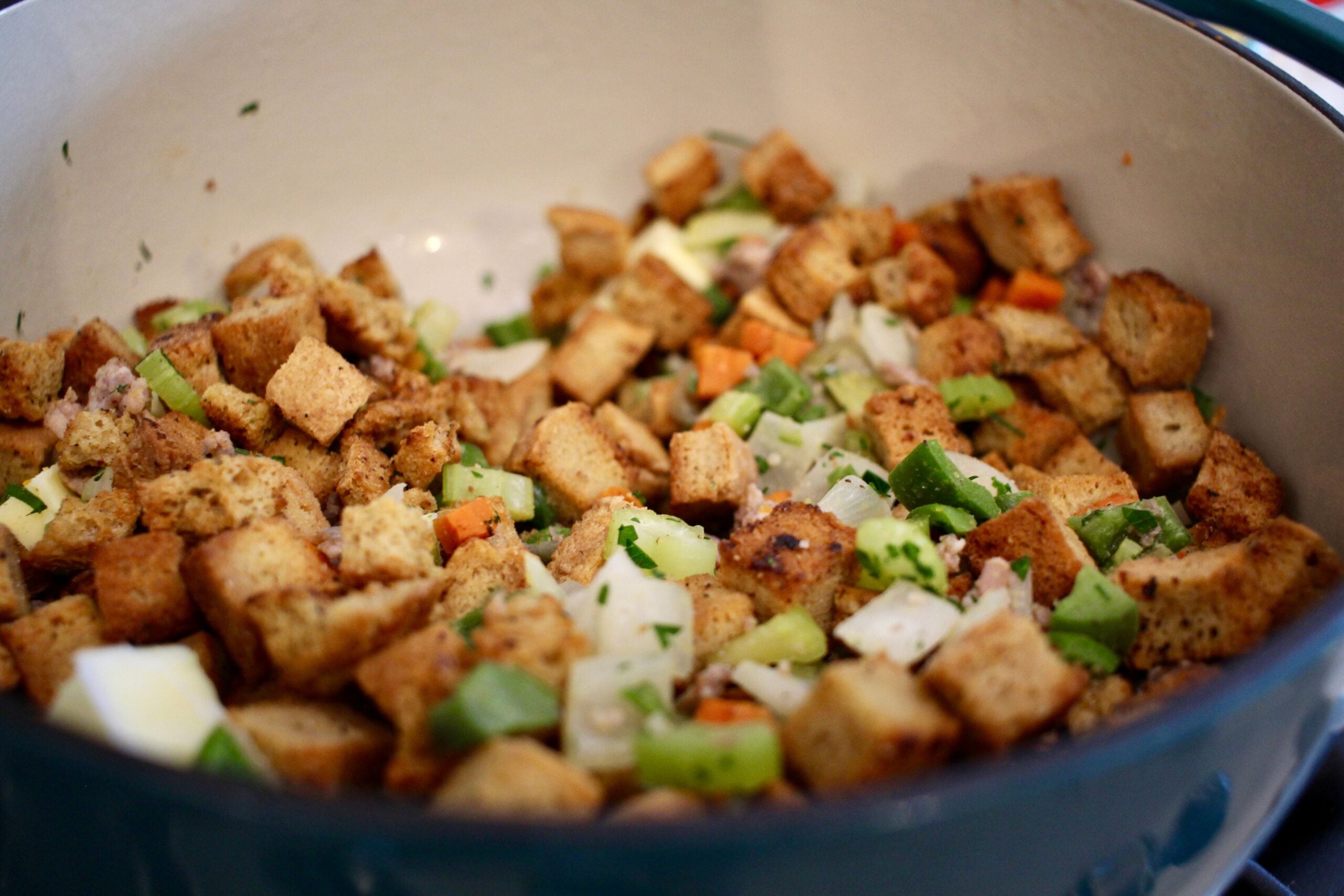
Another practical wartime habit was treating leftovers as ingredients for the feast itself. Bread was too useful to waste, so stale slices were dried, cubed, and saved for stuffing rather than discarded. That kind of planning matched the larger wartime message repeated across Canada, use what you have, waste as little as possible, and make every staple go further.
The habit lasted because it worked. Dried bread absorbs broth and seasoning better than fresh bread, giving stuffing a firmer texture and deeper flavor. Over time, what started as kitchen discipline became tradition, and many families still set aside bread days in advance for Thanksgiving without realizing the method reflects a ration-era mindset.
Holiday cooking built around thrift
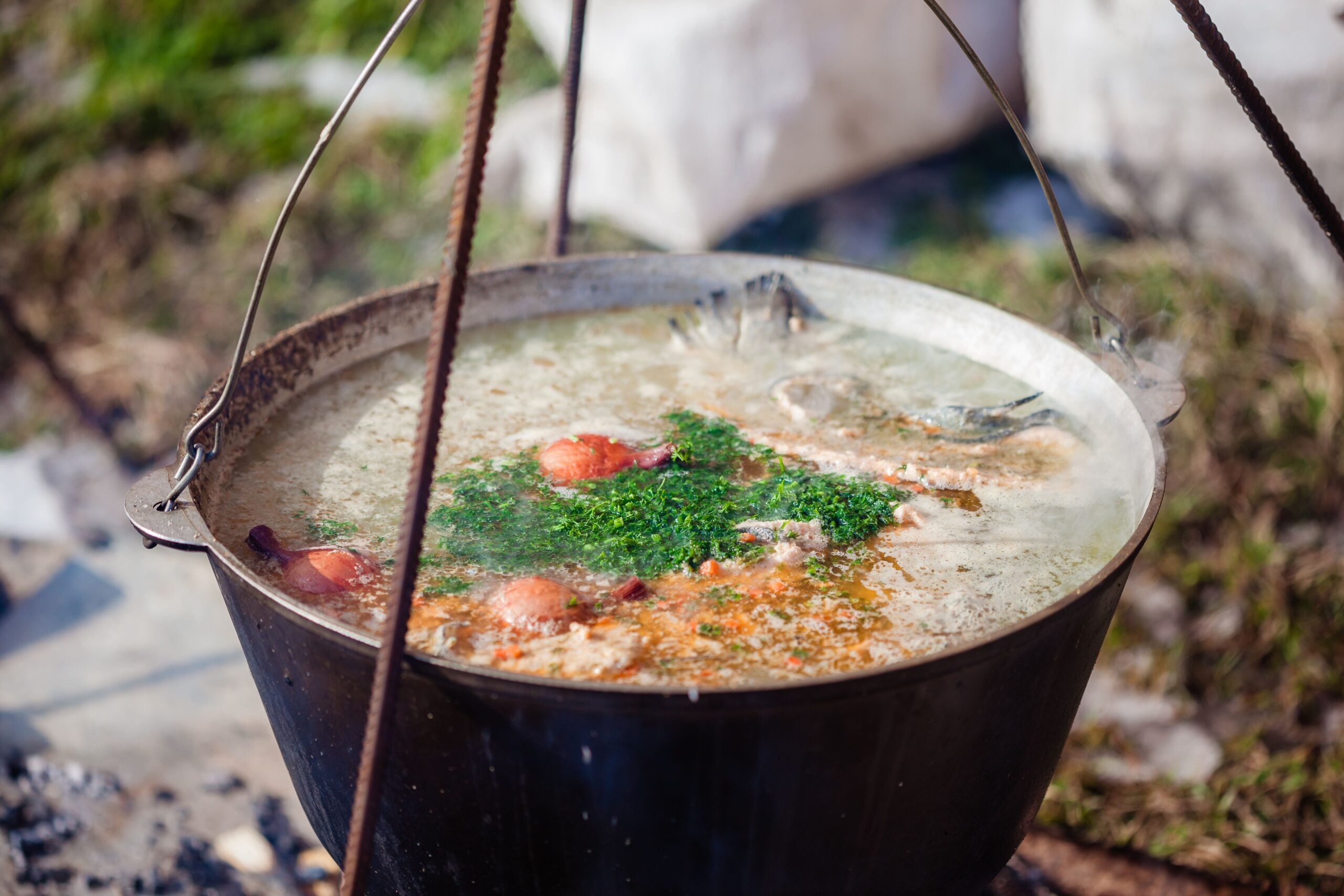
Wartime Thanksgiving cooking was not defined by a single ingredient so much as a whole style of thinking. Canadian families were encouraged to be economical, to substitute wisely, and to avoid unnecessary waste. Those habits shaped how cooks planned the holiday meal, from stretching stuffing and pies to making drippings, scraps, and pantry basics do more work.
That broader approach helps explain why these recipes endured. They were affordable, dependable, and well suited to feeding large gatherings. Even after rationing ended, families often kept the versions that had proven themselves under pressure, and children grew up assuming those practical dishes were treasured customs handed down for taste alone.
When survival food becomes tradition
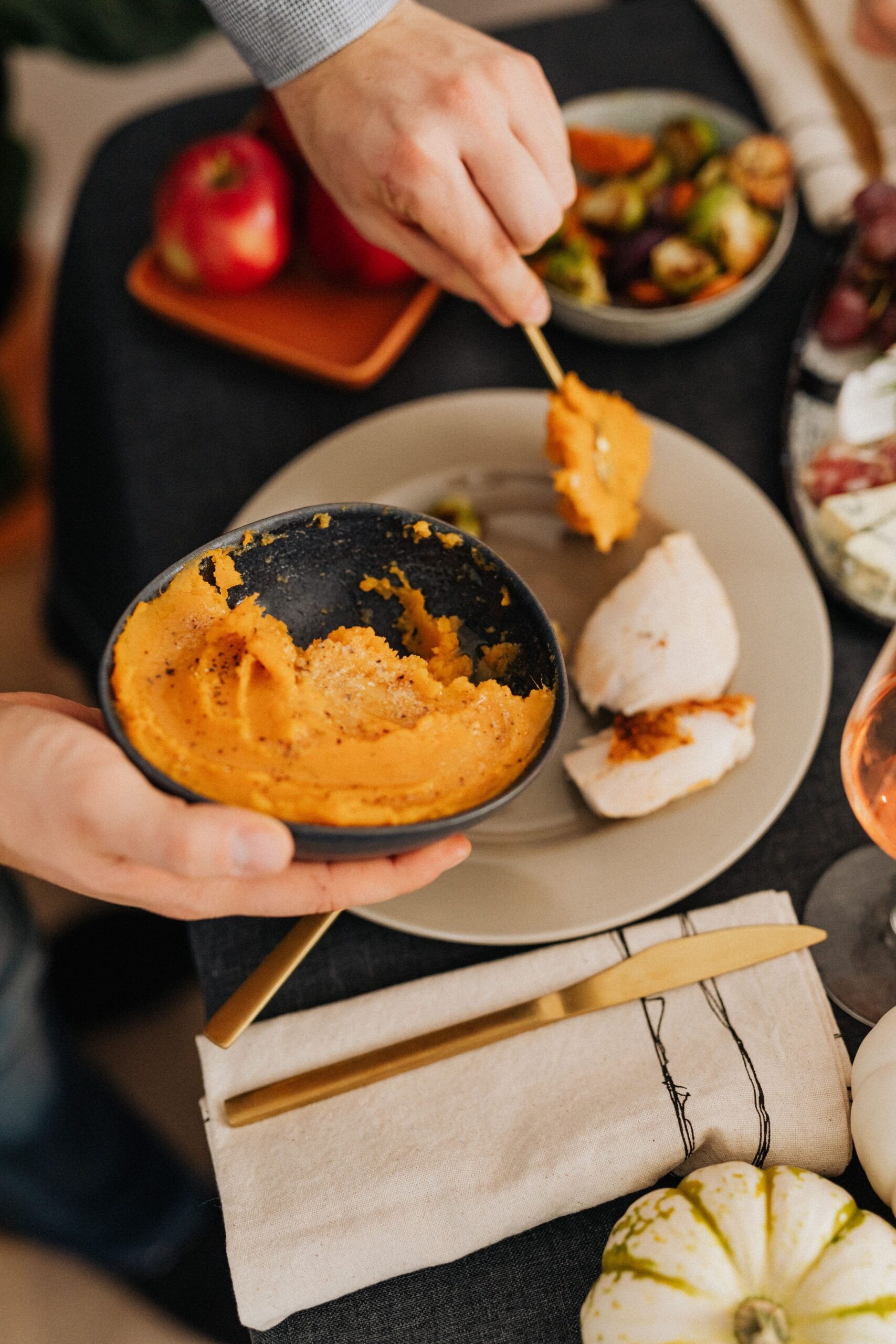
The most interesting part of these Thanksgiving habits is how completely they blended into family identity. Recipes created under rationing were repeated at annual gatherings, written into notebooks, and taught across generations. As the memory of wartime scarcity faded, the original reason for the substitutions often disappeared with it.
What remained was the emotional weight of repetition. If a grandmother always used oats in stuffing or lard in pastry, that method could come to represent comfort, skill, and continuity. In that way, Canadian Thanksgiving preserved more than recipes from the Second World War, it preserved the quiet resourcefulness that helped families get through it.

Leave a Reply