
Poutine may be Canada's best-known indulgence, but it barely scratches the surface of the country's comfort-food canon. Across provinces and territories, home cooks, diners, bakeries, and community halls have built a rich menu of warming, practical, deeply local dishes. This gallery highlights 10 Canadian classics that tell a bigger story about climate, immigration, regional identity, and the kinds of meals people return to when they want to feel at home.
Tourtière
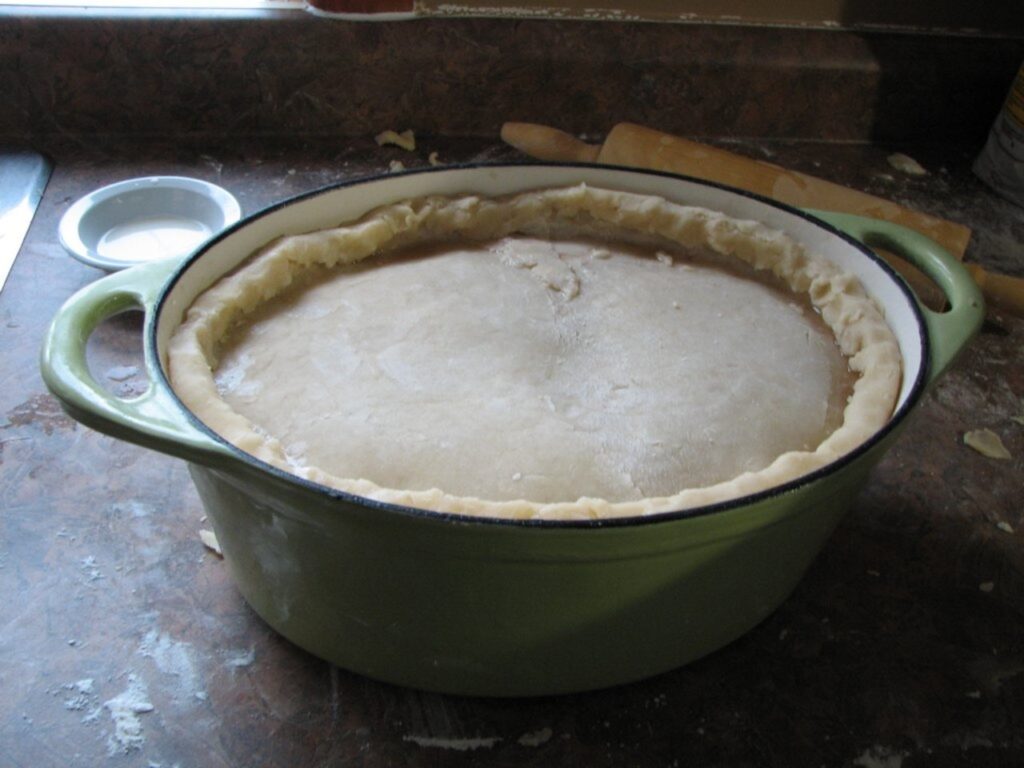
If one dish captures the spirit of a Canadian holiday table, it is tourtière. This savory meat pie is most closely tied to Quebec, where it has long been served at Christmas and New Year gatherings, though versions appear across the country with regional twists.
Some are made with finely ground pork, veal, or beef, while the famous Saguenay-Lac-Saint-Jean style uses cubed meat and potatoes in a deeper crust. Warm spices like clove, cinnamon, and allspice give it its unmistakable character.
Tourtière is comfort food with memory baked into it. It is hearty, practical, and designed for cold weather, which helps explain why Canadians hold onto it so fiercely.
Peameal Bacon Sandwich

Toronto has many iconic foods, but the peameal bacon sandwich remains one of its most quietly satisfying. Made from lean pork loin rolled in cornmeal, this back bacon is cured but not smoked, which gives it a juicy texture and a gentler flavor than streaky bacon.
The sandwich is usually served simply on a bun, sometimes with mustard, sometimes with nothing at all. At places like St. Lawrence Market, that simplicity is the point. It lets the meat do the work.
Its roots stretch back to older preservation methods, when pork was rolled in ground yellow peas before cornmeal became standard. What survives today is a very Canadian kind of classic: modest, sturdy, and unexpectedly memorable.
Split Pea Soup

Few dishes feel more fitted to a northern winter than split pea soup. In French Canadian kitchens, it became a staple because dried peas, salt pork, and root vegetables were affordable, filling, and easy to store through long cold seasons.
The classic version is thick, almost velvety, with yellow peas simmered until they break down into a dense, savory bowl. Onion, celery, carrot, and herbs add depth, while ham hock or salted meat brings the smoky richness many cooks swear by.
What makes it special is its honesty. This is food built from necessity, but over time it became something people genuinely crave, especially when the weather turns sharp and the day calls for something steadying.
Donair
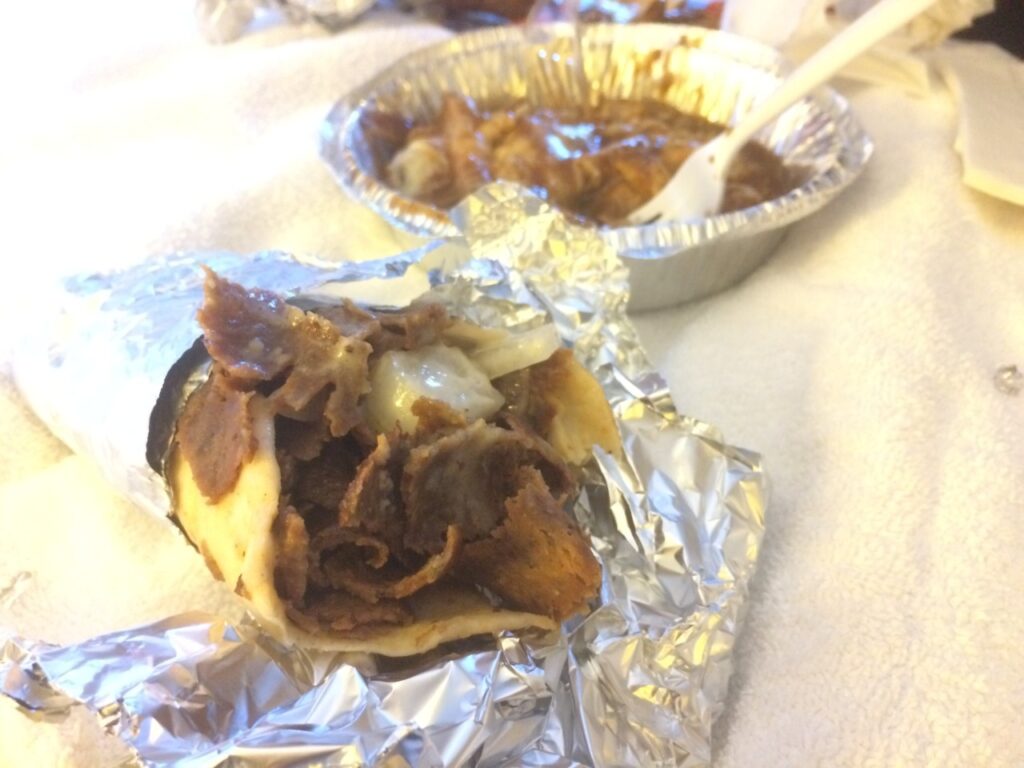
Halifax did not just adopt the donair, it remade it into something entirely its own. Inspired by doner kebab traditions brought by immigrants, the East Coast version evolved into a late-night staple built around spiced beef shaved from a vertical spit and tucked into soft pita.
The real signature is the sauce. Sweet, garlicky, and made with condensed milk, vinegar, and garlic powder, it turns the whole thing into a messy, unmistakable regional obsession. Tomatoes and onions complete the standard build.
It is rich, slightly chaotic, and deeply beloved in Nova Scotia. The donair says a lot about Canadian food culture at its best: borrowed with respect, adapted locally, and embraced so completely that it becomes part of the place itself.
Butter Tarts

Canada's dessert case has many contenders, but butter tarts inspire a level of devotion that borders on argument. These small pastries, filled with a mixture of butter, sugar, syrup, and egg, are known for their flaky shells and their famously gooey centers.
The great national divide is whether raisins belong inside. Some bakers add currants or chopped nuts, while purists insist the filling should stand alone. However they are made, the tart itself has deep roots in Ontario home baking and community cookbooks.
A good butter tart is simple in theory and surprisingly hard to perfect. It should be sweet without becoming cloying, and runny enough to feel luxurious without collapsing into a puddle.
Bannock

Bannock tells a larger story than a single recipe ever could. Today it is widely associated with Indigenous cooking across Canada, where communities have adapted it in many forms, including baked loaves, pan-fried rounds, and versions cooked over open fire.
Its history is layered and not always comfortable. While some Indigenous nations had bread traditions before contact, bannock as many people know it also became linked to rations distributed during colonial displacement. Over time, communities made it their own, turning limited ingredients into something sustaining and shareable.
That is part of why bannock matters. It can be plain or topped, savory or sweet, but it always carries cultural weight beyond the plate, alongside the warmth and practicality that define comfort food.
Nanaimo Bars
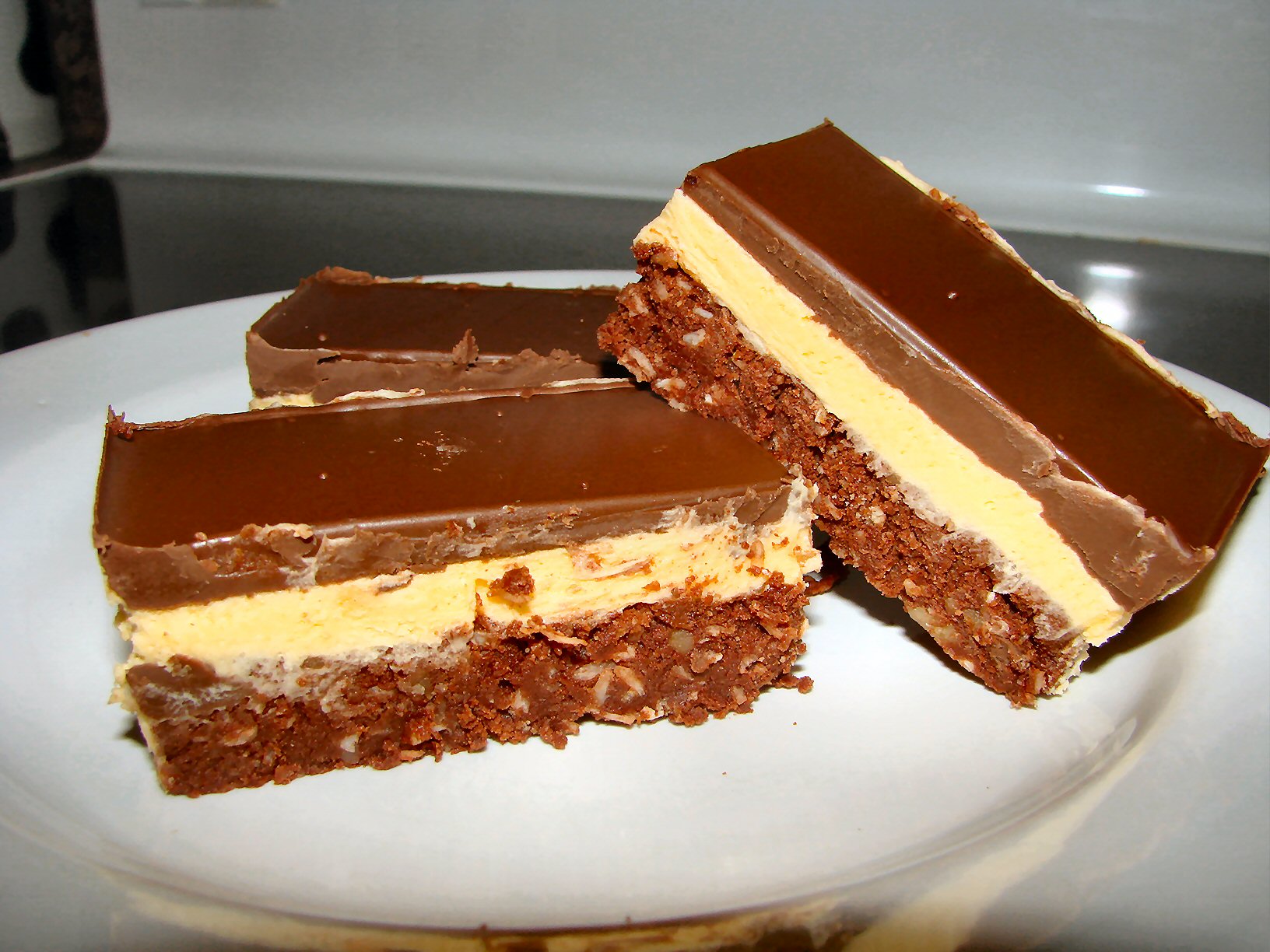
Some desserts announce themselves with restraint. Nanaimo bars do the opposite, and that is exactly why people love them. Named after the British Columbia city of Nanaimo, these no-bake squares stack chocolate-coconut crumb base, custard-flavored middle, and glossy chocolate topping into one very rich bite.
They became especially popular in the mid-20th century, when refrigerator desserts and community recipe exchanges helped spread practical sweets that looked impressive without requiring special equipment. Their neat layers also made them ideal for bake sales and holiday trays.
The result is unmistakably Canadian and unapologetically decadent. A small square goes a long way, but that concentrated sweetness is part of the charm and part of the nostalgia.
Flapper Pie

Prairie baking has a genius for turning basic pantry goods into something comforting, and flapper pie is a perfect example. Popular in Manitoba, Alberta, and Saskatchewan, it usually consists of a graham or pastry crust, a vanilla custard filling, and a cap of meringue.
Its rise is tied to the practical realities of prairie life, when ingredients had to be affordable, shelf-stable, and versatile. Eggs, milk, sugar, and crackers or flour could become a dessert that felt a little elegant without straining the budget.
The name gives it a playful old-fashioned charm, but the appeal is straightforward. Flapper pie is soft, creamy, and familiar, the kind of dessert that feels especially right after a roast supper or at a church basement gathering.
Rappie Pie
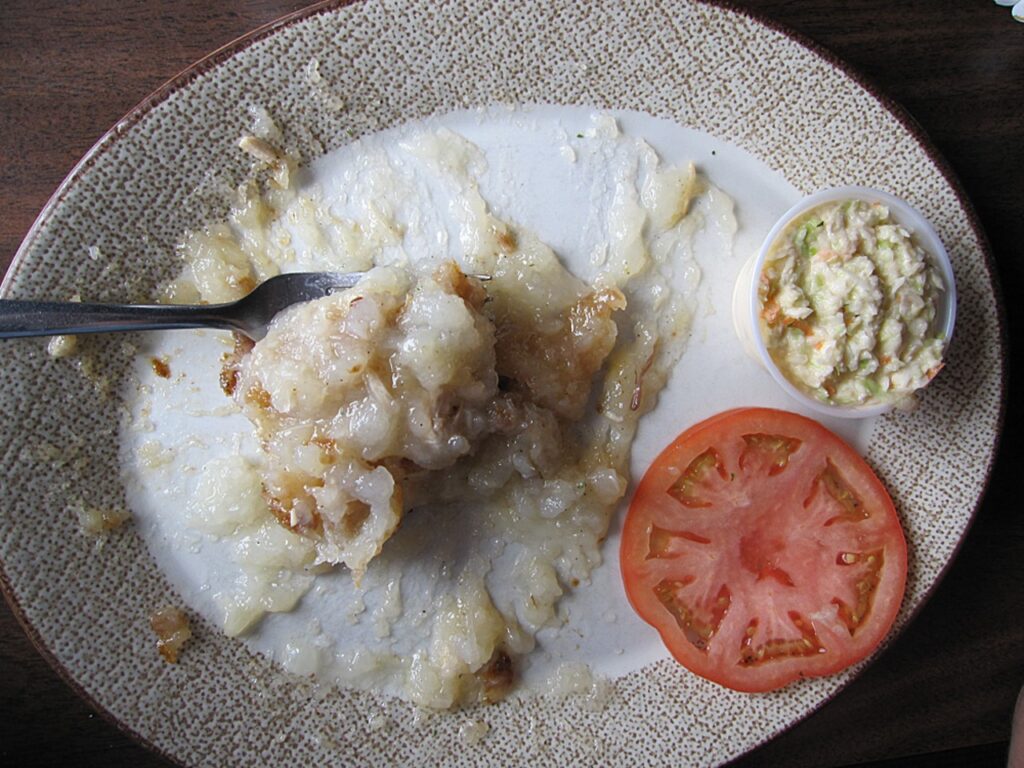
At first glance, rappie pie can puzzle newcomers, but in Acadian communities it is a serious comfort classic. Made from grated potatoes that are squeezed of liquid, then reconstituted with hot broth and baked, it develops a texture unlike standard potato casseroles.
Chicken is common, though some versions use clams, pork, or other meats depending on local habits and family tradition. The dish is strongly associated with southwestern Nova Scotia and New Brunswick, where Acadian foodways remain central to regional identity.
What keeps people loyal to rappie pie is not prettiness but depth. It is dense, savory, and deeply warming, the sort of meal that reflects hard work, community history, and a taste that often grows more compelling with every bite.
Pouding Chômeur
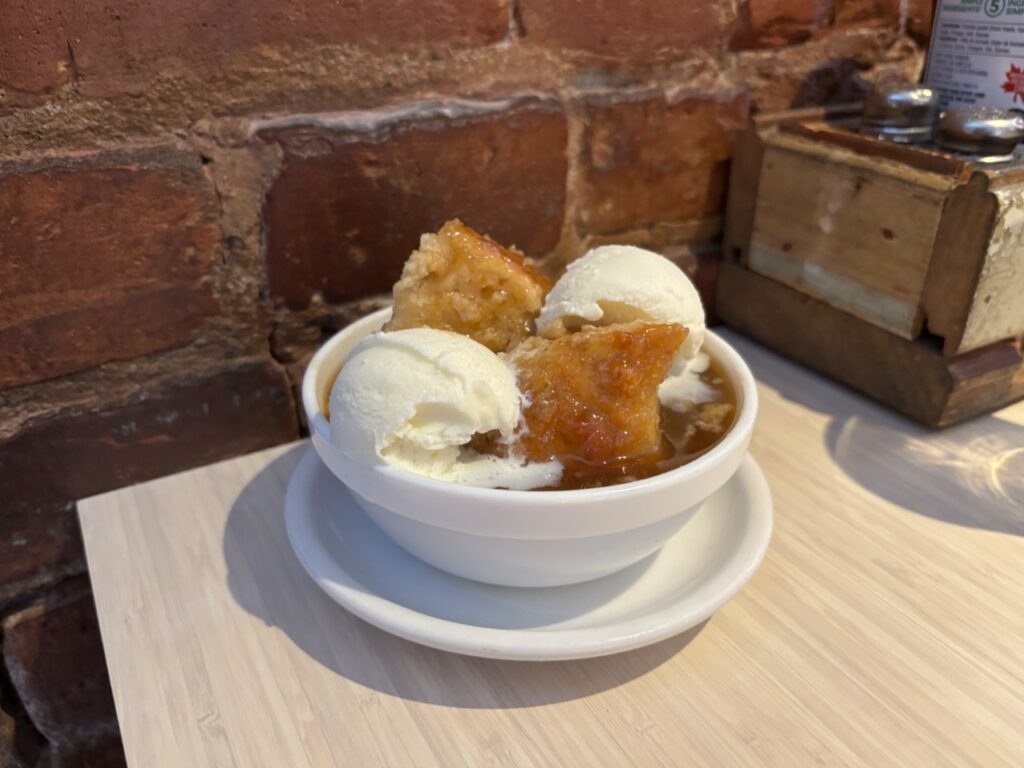
Pouding chômeur is one of the clearest examples of hardship transformed into pleasure. Created in Quebec during the Great Depression, its name means unemployed person's pudding, a blunt reminder that this dessert began as an economical way to make something sweet from very little.
The method is simple but smart: a plain cake batter is covered with hot syrup, often made with brown sugar or maple syrup, then baked until the liquid settles into a rich sauce underneath. The contrast between fluffy cake and sticky base is the whole magic.
It remains beloved because it delivers maximum comfort with minimum fuss. More than nostalgia, it offers a glimpse into the resourcefulness that shaped so much of Canada's home cooking traditions.




Leave a Reply