
Some of the biggest budget busters in the supermarket are not luxury foods at all. They are the everyday basics people toss into the cart without a second thought, only to realize later that the total climbed fast. From breakfast staples to weeknight dinner standbys, these groceries have changed from cheap conveniences into sneaky money drains.
Eggs
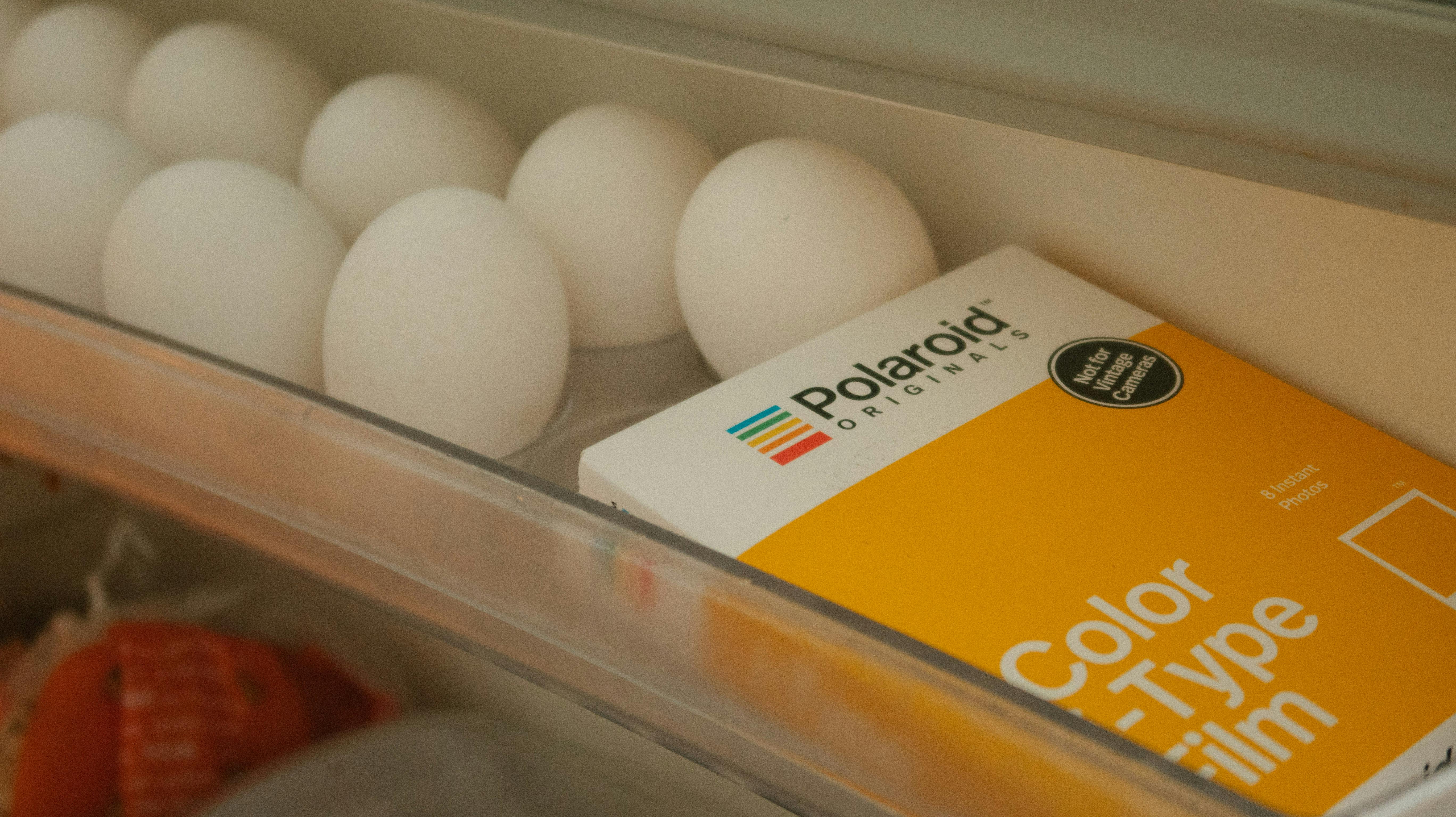
Eggs were once the dependable bargain protein, the thing you bought when meat prices felt too high. That reputation has taken a hit in a big way, and many shoppers now do a double take at the dairy case before reaching for a carton.
A mix of avian flu outbreaks, higher feed costs, transportation expenses, and tighter supply has pushed prices up sharply at different points in recent years. Even when prices cool for a while, they often stay above the old normal. For families that buy eggs every week for breakfast, baking, and quick dinners, that extra cost adds up faster than it used to.
Butter
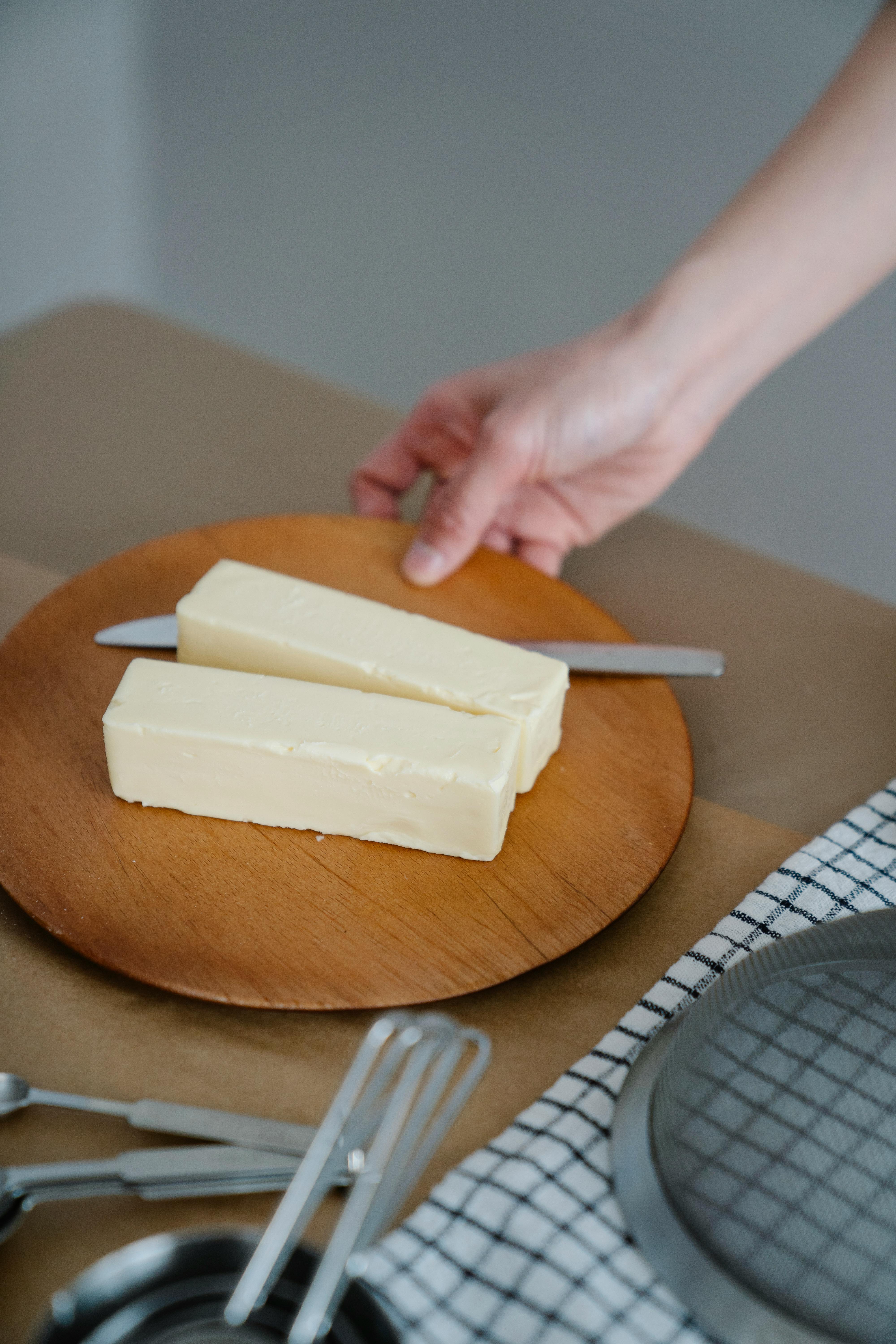
Butter used to be one of those quiet staples you barely thought about until holiday baking season. Now it is one of the items that can make a routine grocery trip feel a little more expensive before you even leave the dairy aisle.
Higher milk production costs, labor pressures, and strong demand from both home cooks and food manufacturers have helped keep butter prices elevated. Seasonal spikes around Thanksgiving and Christmas can make it even worse. If you cook often, bake regularly, or keep extra boxes in the freezer, butter has gone from a minor line item to something you actually have to budget for.
Orange Juice
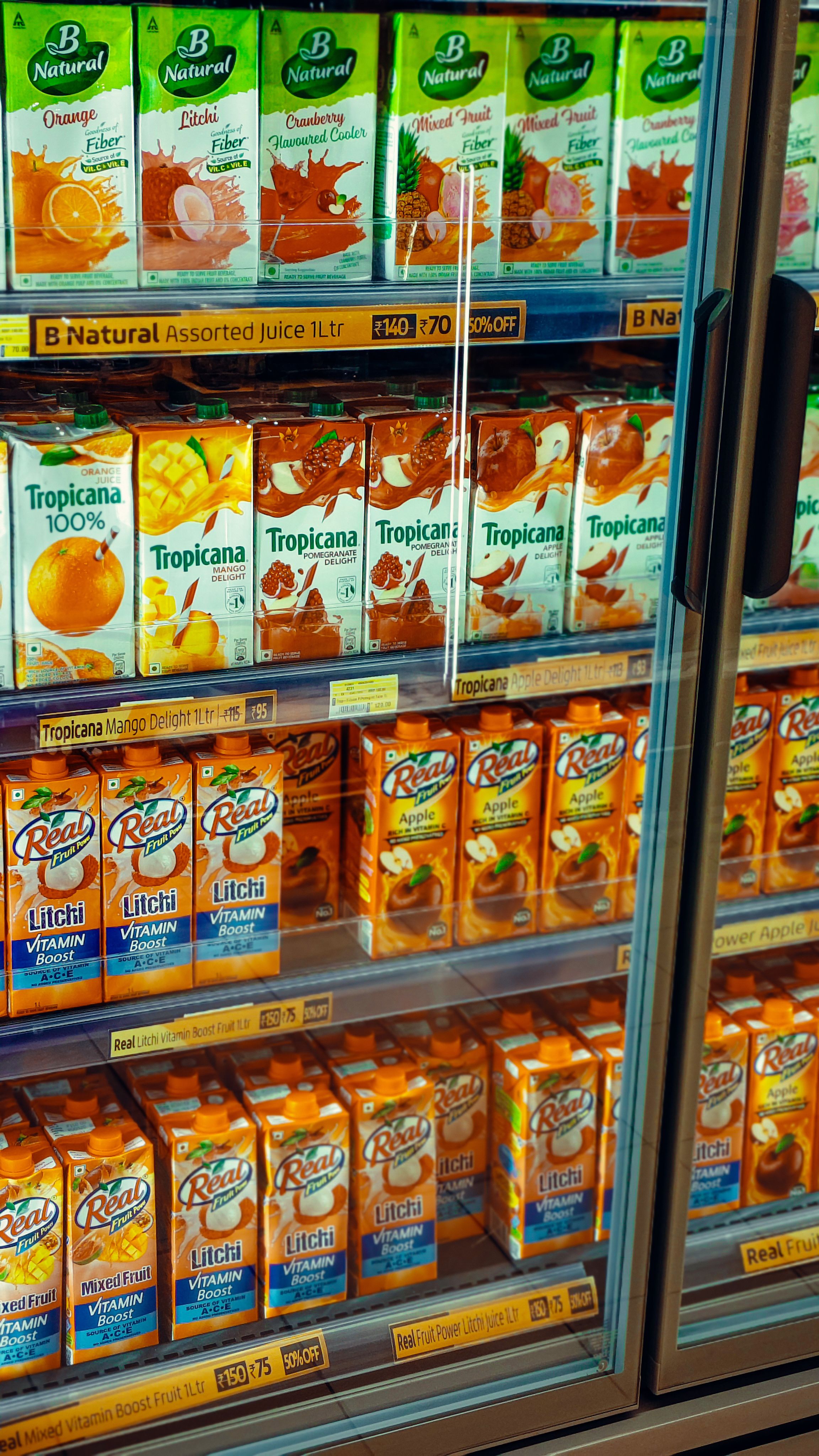
Orange juice used to feel like a simple breakfast add-on, the kind of item that rarely caused sticker shock. Lately, though, that familiar carton has become a surprisingly pricey part of the morning routine.
The main reason is supply stress. Citrus greening disease has damaged orange harvests, especially in Florida, while storms and weather swings have reduced yields even further. Add in processing, packaging, and shipping costs, and the price climbs quickly. For shoppers who buy juice for kids, brunches, or daily breakfasts, orange juice is no longer a small convenience. It is one of those classic staples that now costs enough to make people reconsider buying it every week.
Bacon

Bacon was never exactly a health food, but it used to feel like an affordable treat you could slip into the cart without much thought. These days, even a modest package can look expensive compared with what shoppers remember paying not long ago.
Pork production costs, feed prices, processing expenses, and labor shortages have all played a role in lifting bacon prices. Because bacon is cured, packaged, and heavily processed, it is also more vulnerable to increases beyond the farm level. That matters for families who use it in breakfasts, sandwiches, salads, and recipes. A few strips here and there may not seem like much, but the package price has become hard to ignore.
Ground Beef

Ground beef used to be the fallback dinner plan when money was tight. It stretched into tacos, chili, pasta sauce, burgers, and casseroles, which made it one of the most reliable low-stress buys in the meat case.
That value equation has shifted. Cattle herd reductions, drought conditions that raised feed and water costs, and processing expenses have all helped drive prices upward. Even lower-fat or store-brand options can now cost more than many shoppers expect. Because ground beef is such a frequent purchase in many homes, price increases hit hard over time. It is not just one dinner. It is a weekly staple that keeps quietly pulling more money from the budget.
Bread
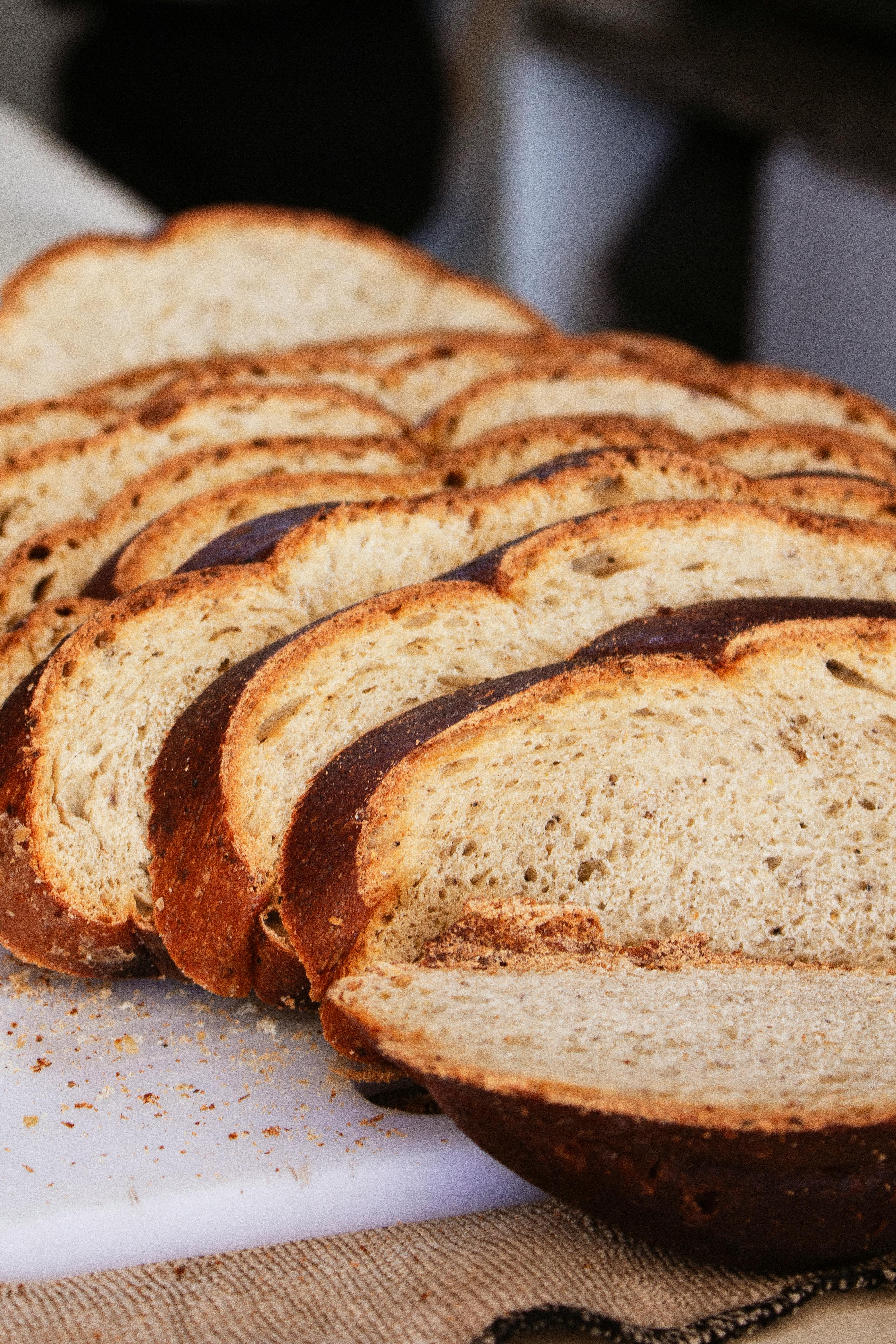
Bread has long been the symbol of a basic grocery, something so ordinary it almost disappears into the routine. But when even the loaf for sandwiches and toast starts creeping up in price, the whole cart begins to feel more expensive.
Wheat costs, fuel, packaging, and commercial baking expenses have all affected the final shelf price. Premium breads, seeded loaves, and artisan styles climbed first, but even standard sandwich bread has become less of a throw-in item. Since many households buy more than one loaf a week, especially those with children, the increase is easy to underestimate. Bread still feels essential, which is exactly why its higher price stings so much.
Coffee
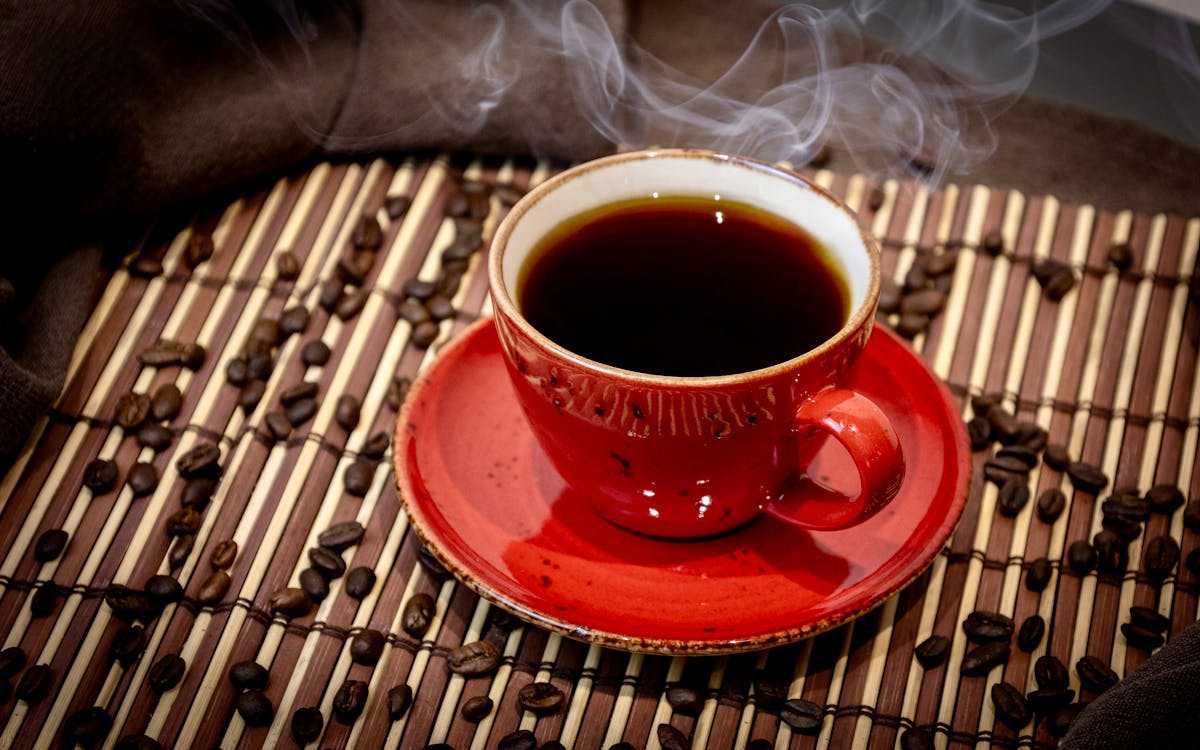
Coffee used to be the cheaper alternative to buying drinks out, and for many people it still is. But the cost of brewing at home has risen enough that regular coffee drinkers are starting to notice their morning habit on the grocery receipt.
Global coffee production has faced pressure from drought, frost, shipping delays, and rising labor costs in major growing regions. Roasting, packaging, and transportation add another layer of expense before the bag reaches the shelf. Even value brands and large tubs have become pricier. For households that go through a bag quickly, coffee has changed from a humble pantry staple into a recurring purchase that can quietly chip away at monthly savings.
Cereal
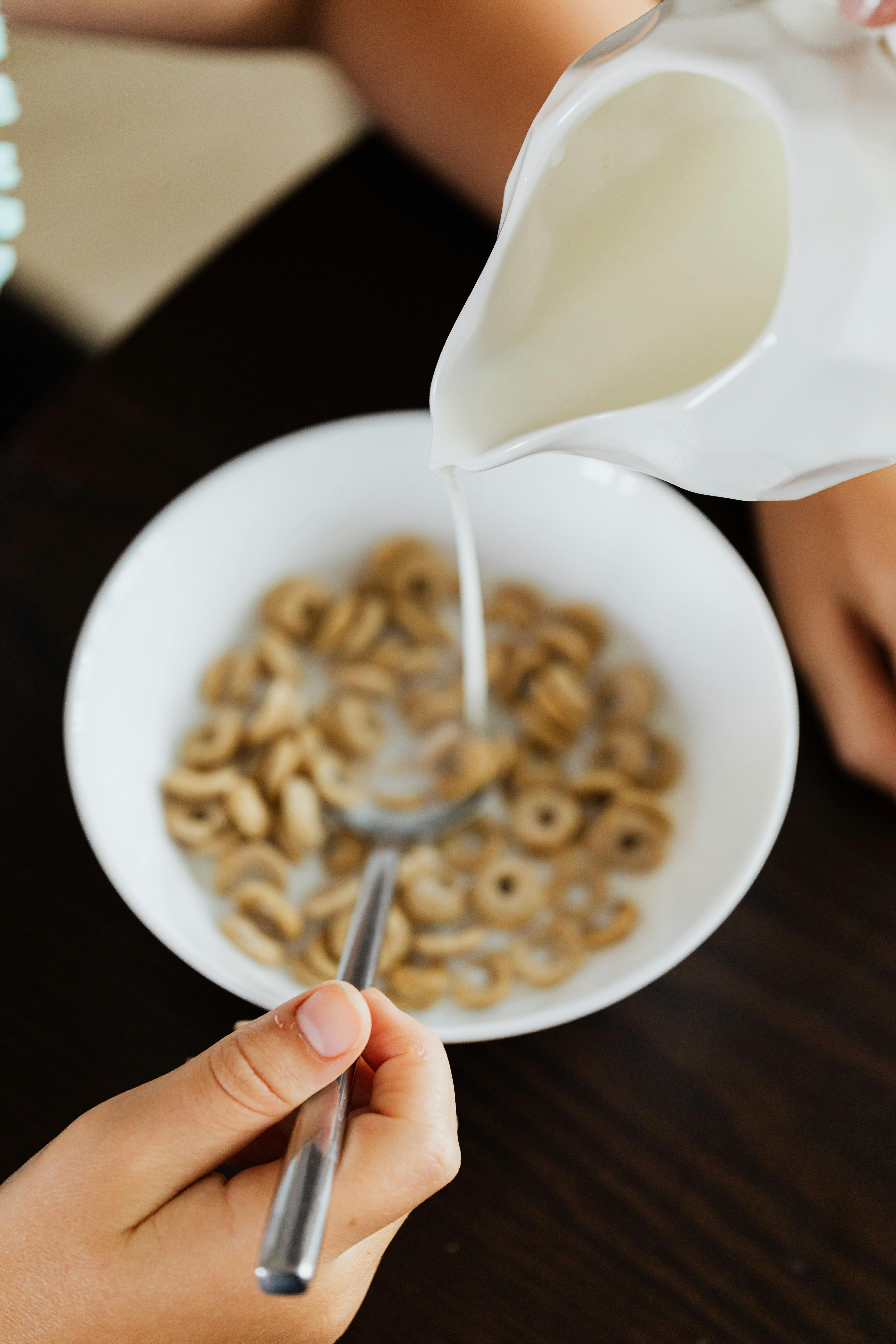
Cereal built its reputation on convenience and affordability. It was the easy breakfast, the snack kids could pour themselves, and the pantry item you bought on autopilot. That easy value has faded as box sizes and price tags moved in opposite directions.
Ingredient costs, packaging, marketing, and transportation have all pushed cereal prices higher. At the same time, many brands have reduced box weight, making the shelf tag look less dramatic than the cost per ounce really is. Families feel that change quickly because cereal tends to disappear fast. When a box costs more and lasts fewer mornings, what once felt like a budget-friendly breakfast starts acting more like a premium product.
Frozen Pizza
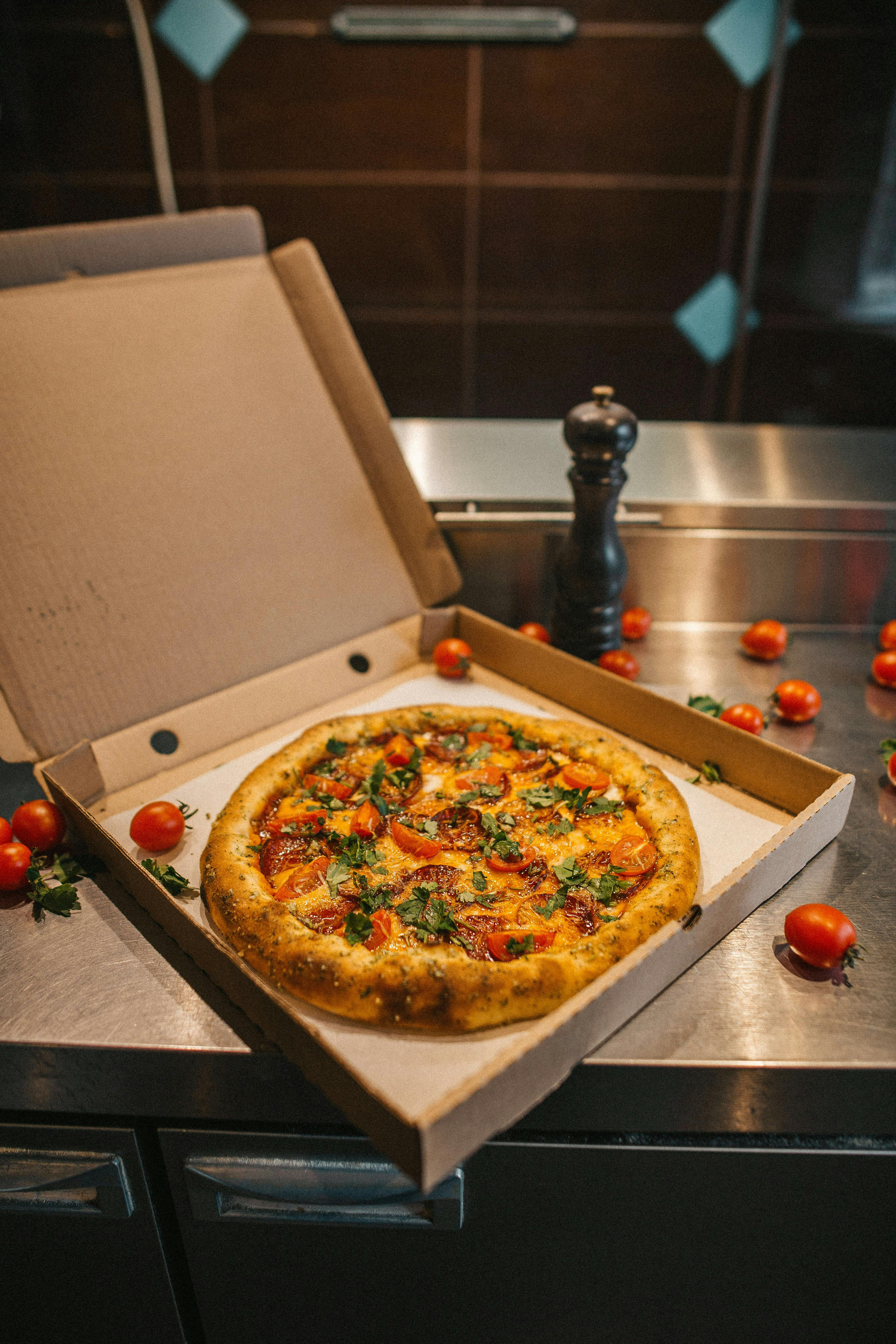
Frozen pizza used to be the hero of low-effort, low-cost dinners. It was the backup meal for busy nights, sleepovers, and those evenings when cooking from scratch just was not happening. Now it often costs enough to make shoppers pause.
Cheese, wheat, meat toppings, freezer storage, and packaging all contribute to the higher price. Frozen foods also carry transportation and energy costs that can stay elevated for long stretches. Many brands have nudged up prices while slightly shrinking size or reducing toppings, which makes the value feel even weaker. For households that relied on frozen pizza as a cheap emergency dinner, it is no longer the easy bargain it once seemed to be.
Potato Chips
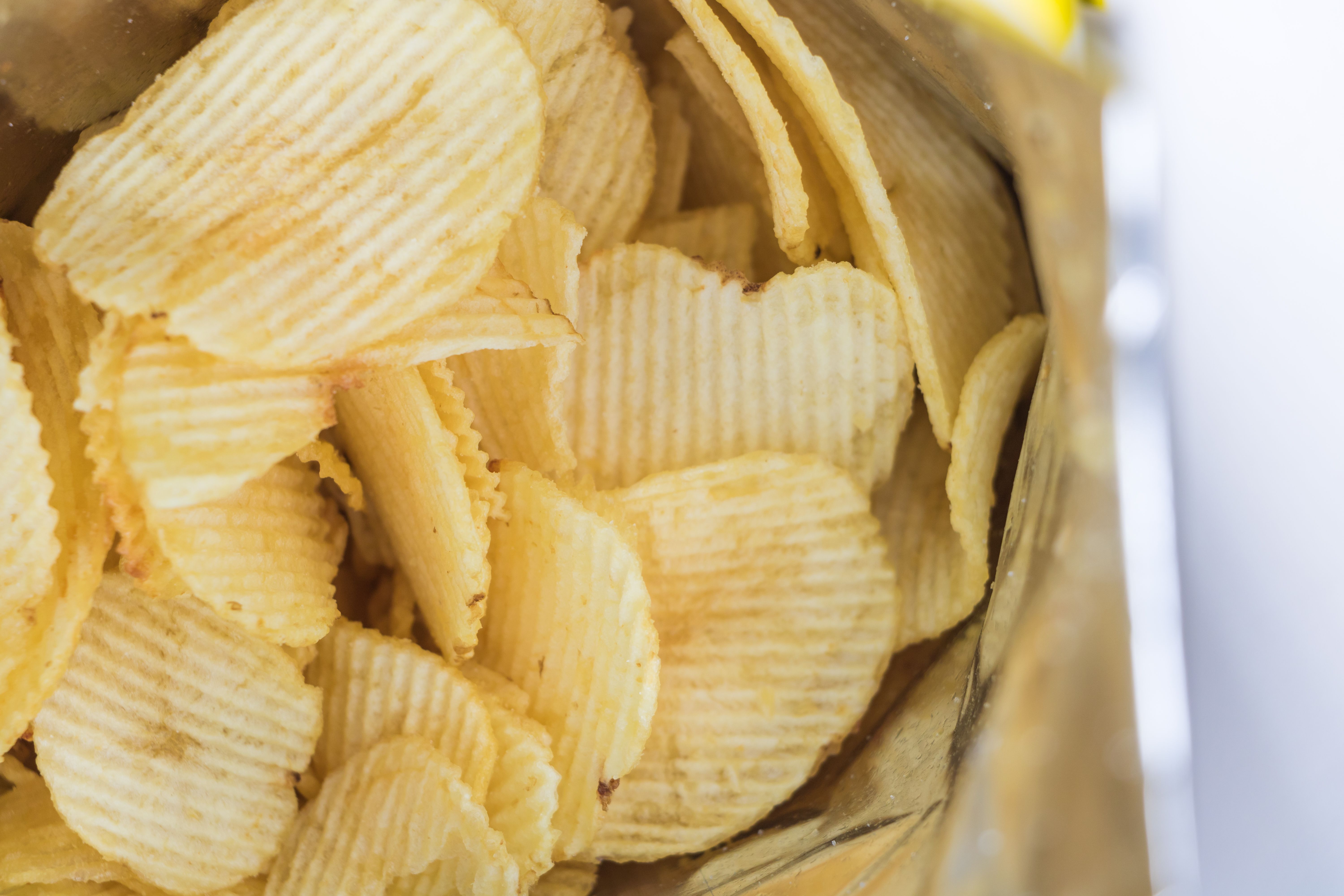
Potato chips always occupied a strange place in the grocery budget. They were not essential, but they were inexpensive enough that most people did not think too hard about tossing in a bag for lunches, parties, or movie night.
That casual habit has become more expensive. Potato crop issues in some regions, higher frying oil costs, packaging expenses, and fuel surcharges have all put upward pressure on snack prices. Then there is shrinkflation, which has turned many bags into mostly air with fewer chips inside. When you are paying more for less, even a so-called small indulgence starts feeling wasteful. Snack foods may be optional, but their prices are no longer easy to shrug off.
Cheese
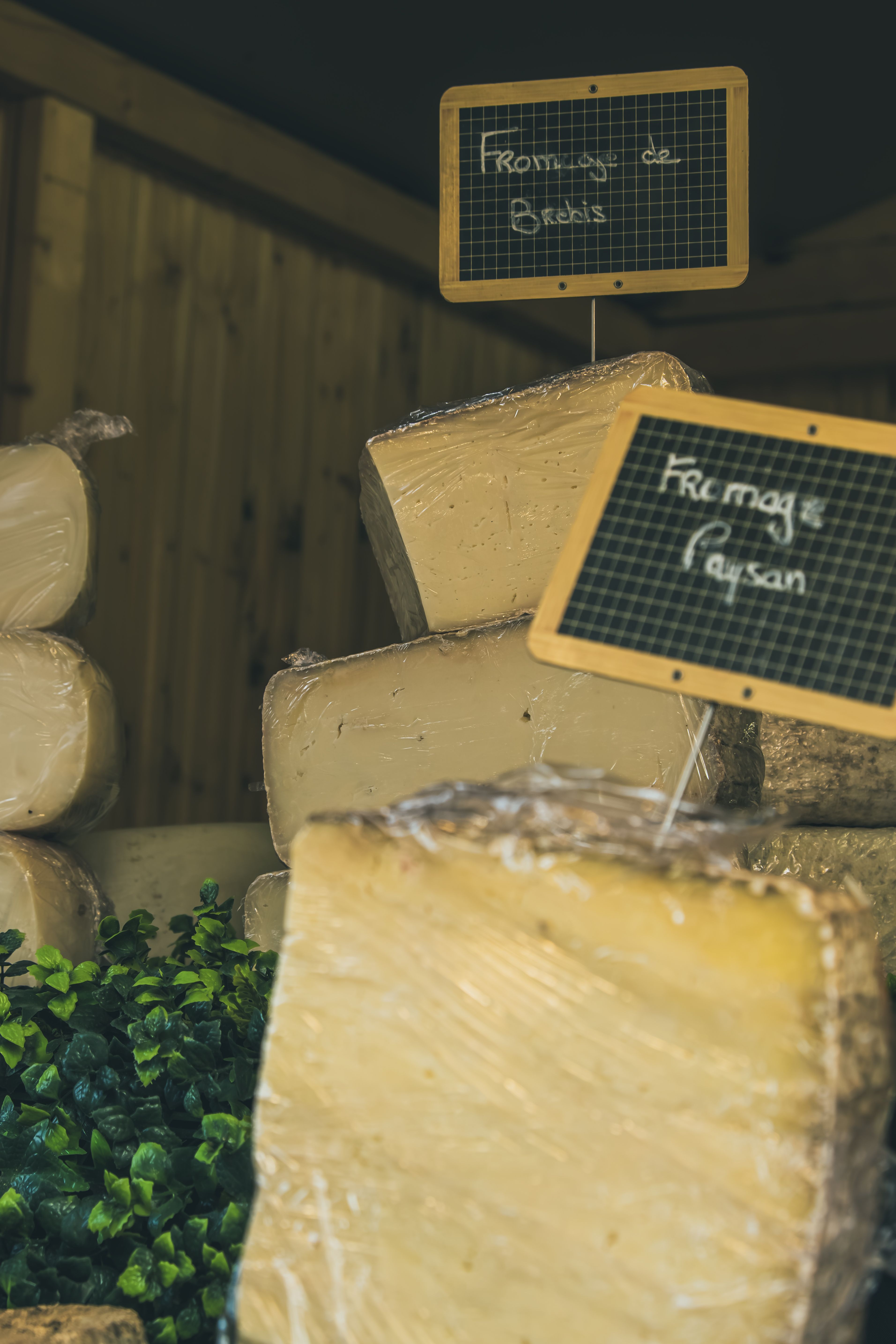
Cheese used to be one of those flexible staples that made cheap meals feel complete. A little shredded cheddar over pasta, slices for sandwiches, or blocks for snacks could stretch across several meals without making much impact on the bill.
Milk prices, processing costs, refrigeration, and labor have helped push cheese prices higher across many varieties. Pre-shredded and individually wrapped options often carry an even steeper premium because of added handling and packaging. Since cheese appears in so many lunches, dinners, and snacks, the spending can sneak up on people. It is not a dramatic luxury purchase. It is a familiar everyday food that now costs enough to reshape the weekly grocery total.
Apples

Apples were once the definition of a sensible grocery buy. They kept well, packed easily into lunches, and felt like one of the most affordable fruits you could buy in almost any season.
That image has become less reliable as labor costs, storage, transportation, and weather problems affect orchard production and pricing. Premium varieties often cost much more than older standard types, and pre-sliced apples raise the price further. Even whole apples can be surprisingly expensive when bought by the pound. Because many families see them as a healthy everyday staple, they continue buying them, but the total at checkout tells a different story than it did a few years ago.
Lettuce

Lettuce seems like the kind of food that should always be cheap. It is light, common, and usually purchased with the intention of making healthier meals at home. Yet it has become one of the most frustrating produce items for budget-conscious shoppers.
Weather disruptions, drought, water costs, disease pressure, and transportation issues have all made lettuce more expensive and less predictable. In some periods, prices have spiked dramatically while quality dropped, leaving shoppers paying more for heads that wilt faster. Bagged salads can be even pricier because of processing and packaging. When a basic salad base becomes costly, eating fresh at home does not automatically feel like the low-cost choice it once was.
Milk
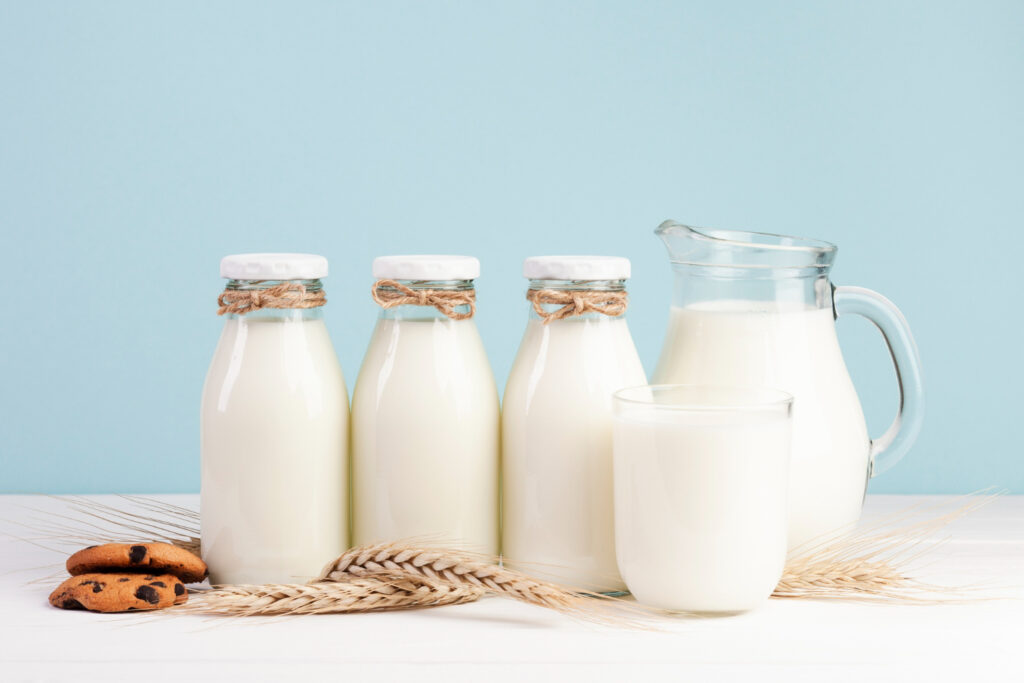
Milk has always been one of the strongest signals of what is happening in the grocery economy. When the price of a gallon rises, people notice, because it touches breakfast, baking, school lunches, and countless everyday meals.
Dairy farming costs are sensitive to feed, fuel, labor, weather, and transportation, and those pressures can show up quickly at retail. Packaging and refrigeration add more expense before milk ever reaches the store shelf. Even when prices fluctuate, many households cannot simply stop buying it. That is what makes milk such a quiet budget drainer. It is purchased often, used quickly, and woven into daily life enough that every price jump has an outsized effect over time.




Leave a Reply