
Cherry season usually sells itself. This year, BC growers are asking Canadians to make a conscious choice.
Why BC cherry growers are sounding the alarm
What makes this campaign unusual is its tone. British Columbia cherry producers are not simply marketing a seasonal crop. They are openly urging Canadians to buy domestic cherries over imported fruit because many farms are under intense financial pressure after weather damage, rising labour costs, and tighter retail competition.
The industry has already endured several punishing years. Extreme heat in 2021 devastated fruit across parts of the province, while later seasons brought damaging cold snaps and uneven harvest conditions. Those disruptions do not disappear when the next crop arrives. They leave behind debt, lower yields, and thinner margins for family-run orchards.
According to industry groups and provincial reporting over recent seasons, cherries are among the highest-value tree fruits in BC, but they are also among the most vulnerable. A short selling window means growers have limited time to recover their costs. If shoppers pass over local fruit while imports fill displays, growers can lose critical revenue in just a few weeks.
The real pressure coming from imported cherries
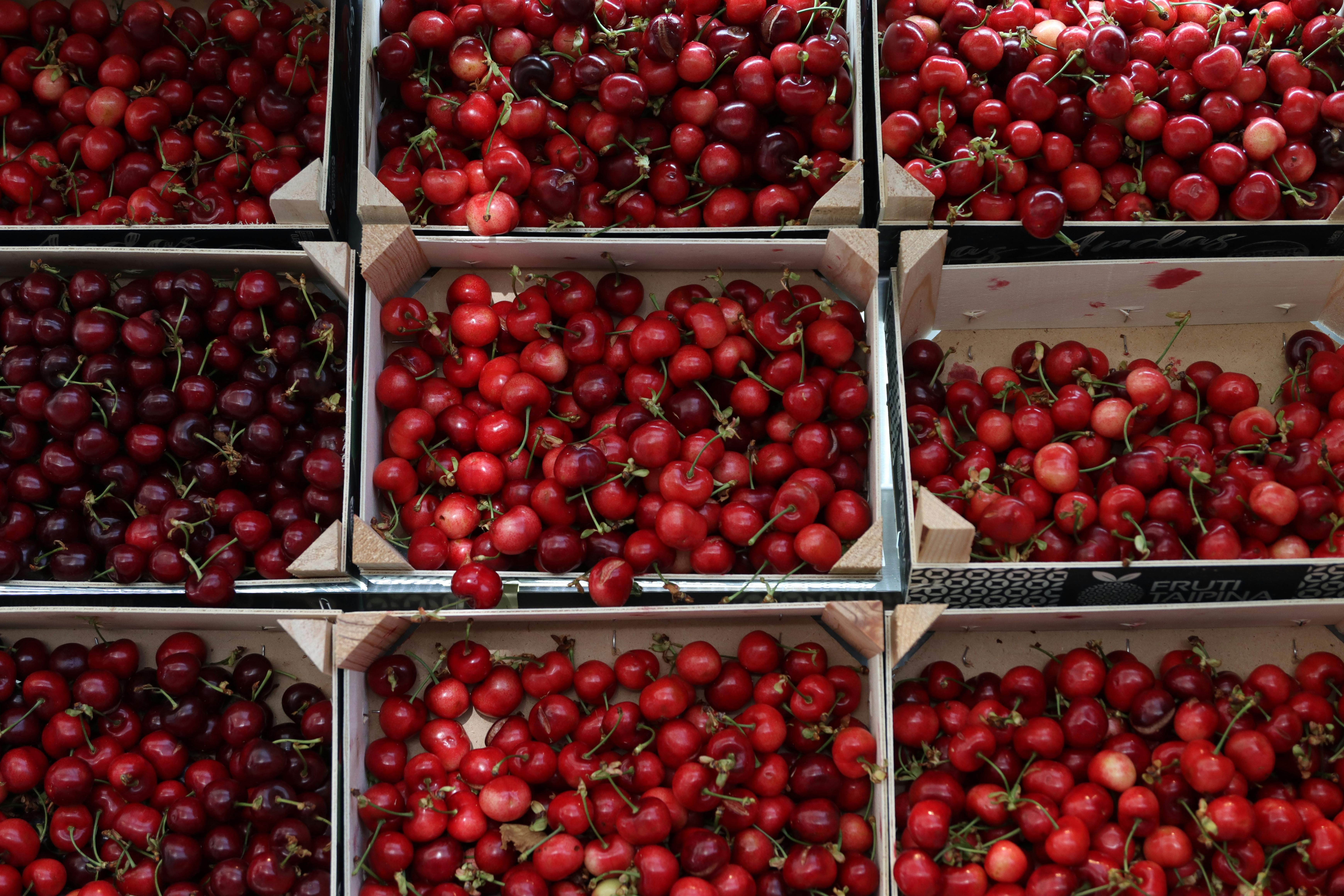
The central issue is timing. Imported cherries from the United States and other producing regions can arrive in Canadian stores before or during BC's peak season, giving retailers a ready-made supply that may be cheaper, more uniform, or backed by larger distribution systems. That puts local growers in a direct fight for shelf space during the brief period when their crop is freshest.
For consumers, the choice may not look dramatic at first glance. A clamshell of cherries is a clamshell of cherries. But for growers, being displaced by imports during harvest can mean lower prices at the farm gate and unsold fruit that cannot wait around for a better market.
Retailers also face their own calculations. Imported fruit may come through established contracts and national procurement channels that prioritize volume and consistency. Local growers argue that when stores fail to pivot quickly to BC fruit in season, domestic agriculture loses out even when quality is high and transportation distances are far lower.
What buying local actually protects
At the heart of the campaign is more than patriotism. Buying BC cherries supports orchard jobs, packing houses, truckers, equipment suppliers, and rural communities across the Okanagan and other growing regions. One purchase at a grocery store helps sustain a chain of seasonal economic activity that imported fruit does not replicate in the same way.
There is also a freshness argument that growers believe should matter more. Local cherries can reach shelves faster after picking, which often improves texture, flavour, and storage life at home. Imported fruit may travel much farther before landing in Canadian baskets, even when it still looks visually appealing in store.
Then there is food resilience. Canada imports a large share of its fruits and vegetables, making domestic production especially valuable during supply disruptions. Supporting local orchards helps preserve agricultural capacity that cannot be rebuilt quickly if farms shut down after too many weak seasons.
Why this season matters so much for orchard survival
This campaign lands at a delicate time for BC agriculture. Tree fruit growers across the province have been warning about shrinking profitability, mounting insurance concerns, and the long-term effects of erratic climate events. For cherry producers, a good harvest is important, but a successful selling season is what ultimately determines whether the books balance.
Many orchards operate as multigenerational businesses with high annual costs. Pruning, irrigation, pest management, harvesting, packaging, and compliance all require major upfront spending before a single box is sold. If prices soften because imported supply dominates shelves, the damage reaches far beyond one disappointing month.
The danger is gradual erosion rather than sudden collapse. A farm may survive one weak year, then another, while delaying equipment upgrades or reducing planted acreage. Over time, that weakens the province's fruit sector and reduces the very local supply consumers say they want.
How shoppers and retailers can change the outcome
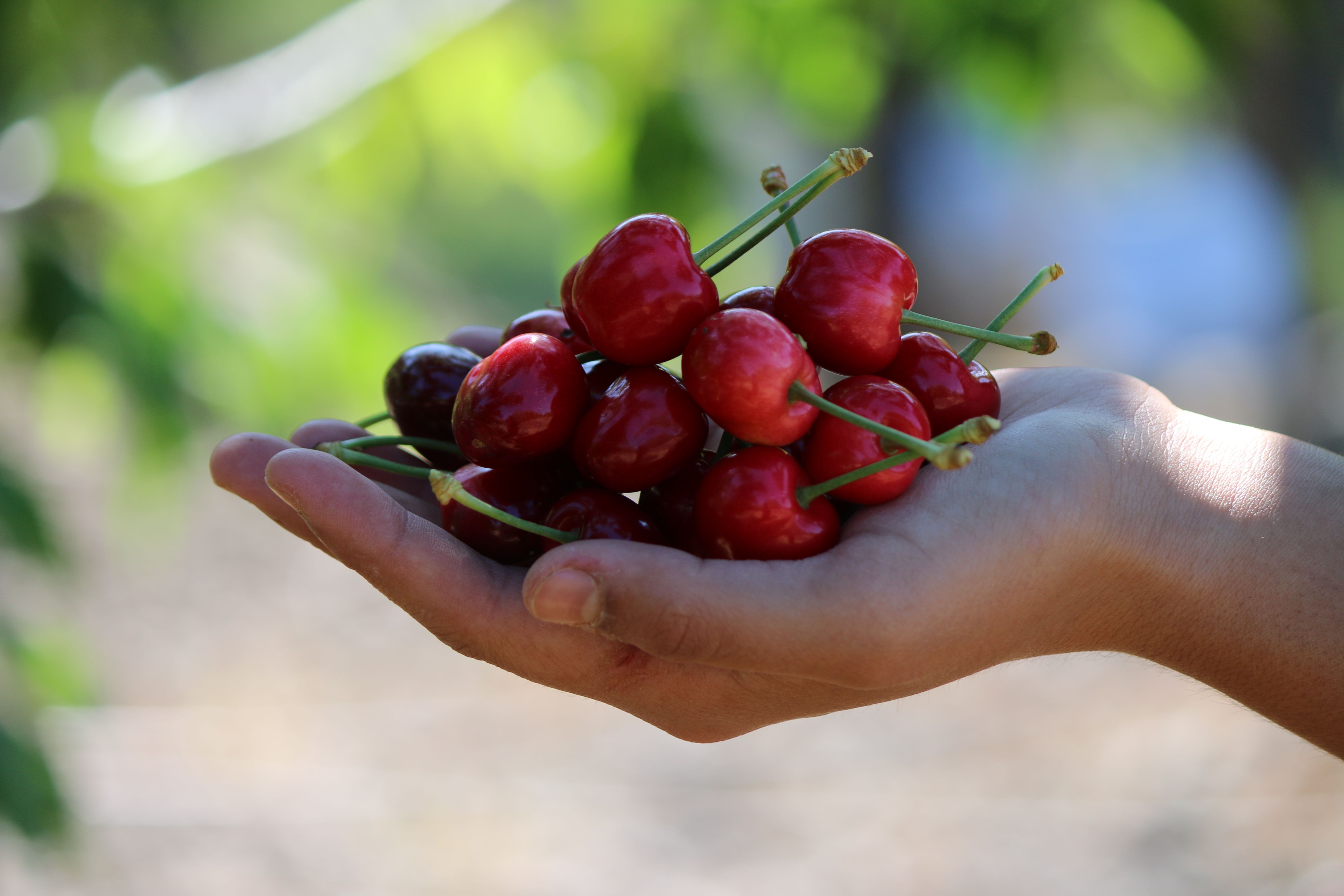
The most immediate solution is also the simplest. Growers want consumers to look for BC labels, ask produce managers where cherries come from, and choose local fruit when it is available. Those small decisions send a market signal that stores notice quickly, especially during a short and highly seasonal sales period.
Retailers, meanwhile, have more leverage than most shoppers realize. Prominent signage, in-store displays, flyer placement, and rapid switching from imported stock to domestic supply can all shape demand. When local cherries are given visible space and clear origin labeling, shoppers are more likely to choose them.
Farm markets and roadside stands also play a role. They allow growers to capture more of the final sale price while giving consumers direct access to freshly picked fruit. In a difficult season, that direct relationship can make a meaningful difference for orchard cash flow.
A simple grocery decision with bigger consequences

There is a broader lesson in this campaign. Canadians often say they value local food, but that support only matters when it shows up at the checkout counter during the exact weeks growers need it most. BC cherry farmers are asking for action, not sympathy, because their business depends on immediate sales rather than general goodwill.
That message is likely to resonate beyond cherries. Other Canadian produce sectors face similar pressure from imports, climate volatility, and concentrated retail buying power. The BC campaign is a reminder that local agriculture survives through repeat consumer choices, not just seasonal celebration.
If the appeal works, growers may gain a badly needed financial lift and stronger visibility in stores. If it does not, more orchards could face a harder path in the years ahead, leaving Canadians with fewer local options and a more fragile domestic food system.



Leave a Reply