
A locked meat cooler can feel jarring in a neighborhood grocery store. But for many retailers, it is starting to look less like an overreaction and more like a sign of how sharply food retail has changed.
The Nanaimo decision reflects a bigger retail problem

What happened in Nanaimo is simple on the surface: a grocery store locked up high-value meat. The reason is also simple, even if the optics are not. Meat is expensive, easy to resell, and easy to conceal, which makes it one of the most targeted grocery items in many stores.
Retailers across Canada and the U.S. have been reporting similar pressure for several years. According to industry groups and repeated reporting from major outlets, theft is no longer limited to occasional petty shoplifting. Many stores say they are dealing with repeat offenders, coordinated theft, and more aggressive behavior toward staff.
That matters because grocery stores operate on thin margins. A few stolen steaks do not sound like much, but regular losses from meat, baby formula, cheese, alcohol, and over-the-counter medications can quickly add up. In that context, locking a cooler becomes less a publicity stunt and more a practical attempt to protect a category that is repeatedly hit.
Meat has become one of the easiest targets in the store
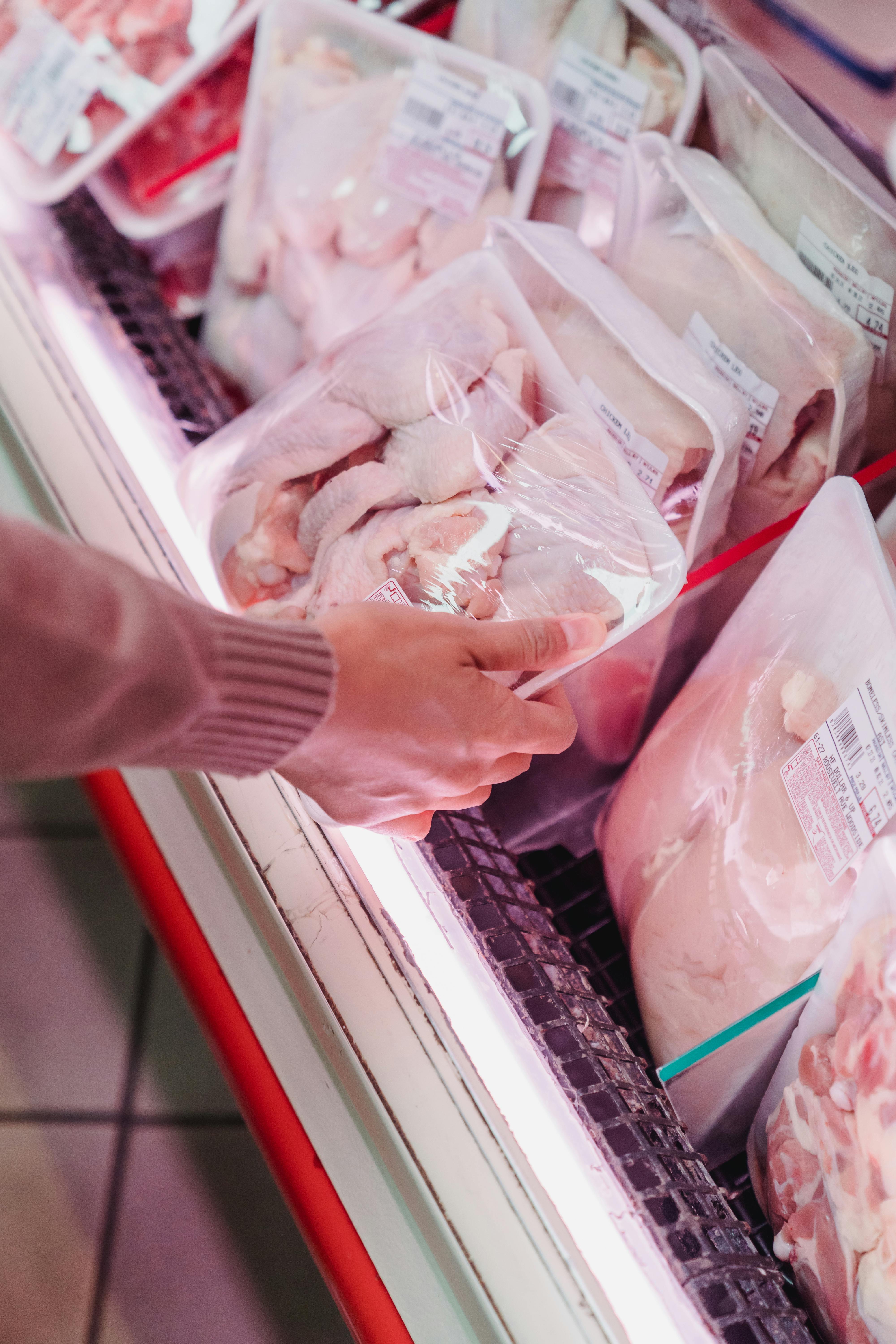
Few grocery products combine value, demand, and portability the way meat does. Beef, chicken, and specialty cuts have climbed in price, which gives thieves a stronger incentive to target them. Unlike bulky items, meat packs can be slipped into bags, clothing, or carts with little effort.
There is also a resale market. Stolen food can move through informal channels quickly, especially when demand is high and buyers want cheaper goods. Retail loss-prevention experts have long noted that meat and cheese are attractive because they can be sold fast without the traceability that comes with electronics or branded luxury goods.
Another factor is inflation fatigue. As household budgets stretch, both opportunistic theft and organized retail crime can rise. That does not excuse stealing, but it helps explain why stores are changing their layouts, installing barriers, and assigning staff to sections that once needed little monitoring.
Rising food costs have changed customer behavior too
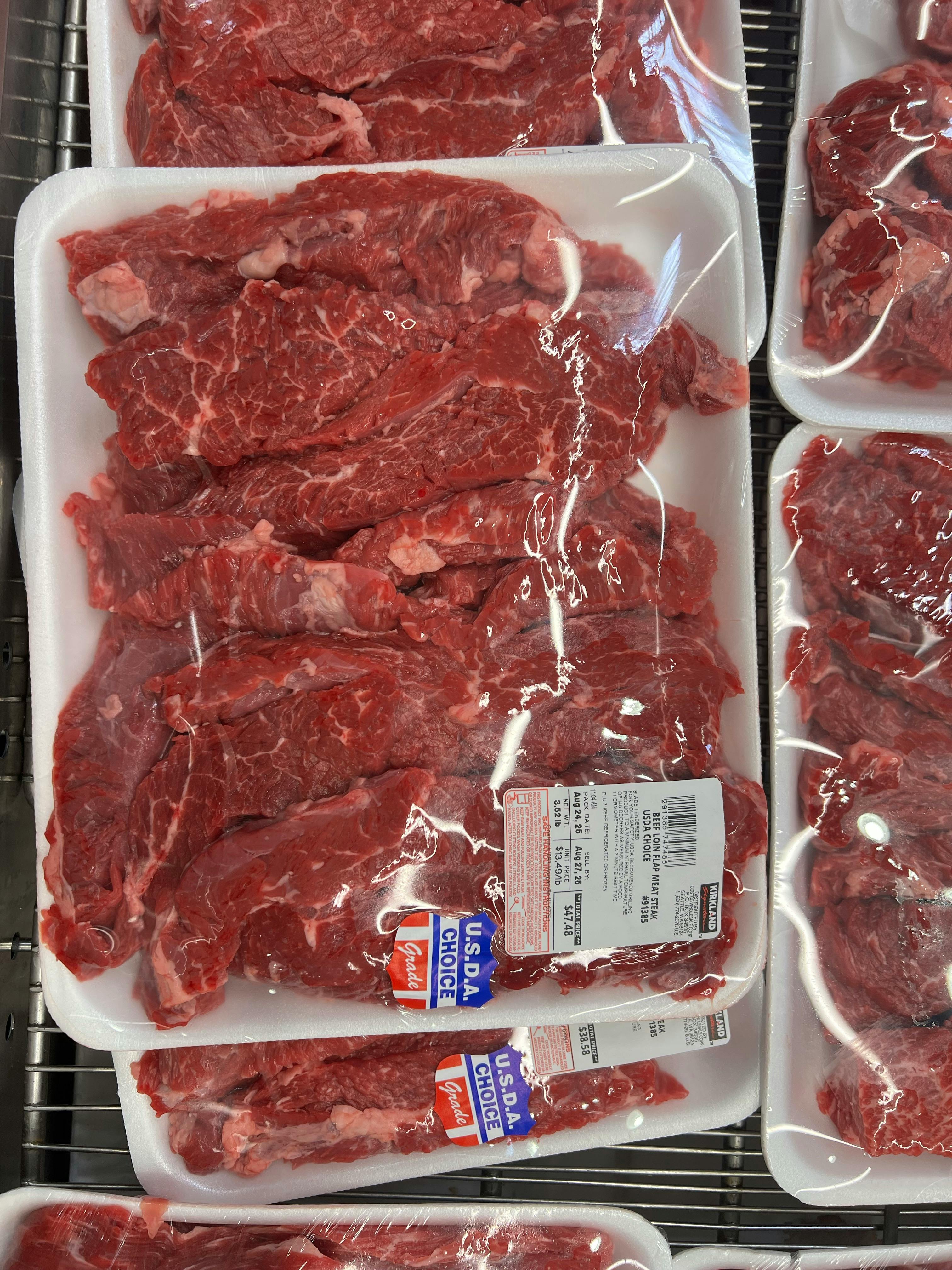
Sticker shock has altered how shoppers move through supermarkets. When everyday essentials become meaningfully more expensive, customers notice every price jump, and stores notice every missing item. Meat has been one of the clearest examples because it is both a staple and a discretionary purchase depending on the household budget.
Statistics Canada and similar agencies have repeatedly shown that food inflation has hit proteins hard at different points over the past few years. Even when inflation cools overall, meat prices can remain elevated due to feed costs, transportation, labor, animal disease pressures, and supply disruptions. That keeps theft risk high even after broader headlines fade.
For shoppers, a locked cooler can feel like a symbol of economic strain. It says something uncomfortable but real: products that used to sit openly on shelves now require controlled access. Stores understand the inconvenience, yet many believe the alternative is higher losses that eventually feed into prices for everyone else.
Why more stores may adopt controlled-access displays
This is not just about one cooler in one city. Across retail, controlled access is spreading to products that combine high price and high theft risk. Pharmacies lock up cosmetics and detergent. Big-box chains secure tools and baby formula. Grocery stores are now extending that logic to premium food.
The business case is straightforward. If a store can reduce shrink, the industry term for inventory losses, it protects margin without cutting staff hours or raising prices as quickly. For managers facing repeat losses in one department, a locked case, door buzzer, or service-button system can seem like the least disruptive option available.
There is a tradeoff, of course. Friction can discourage legitimate shoppers, especially those in a hurry. That is why retailers usually try lighter measures first, such as better cameras, more visible staffing, revised store layouts, and smaller shelf quantities, before moving to locks that change the customer experience more noticeably.
The move says as much about staffing as it does about theft
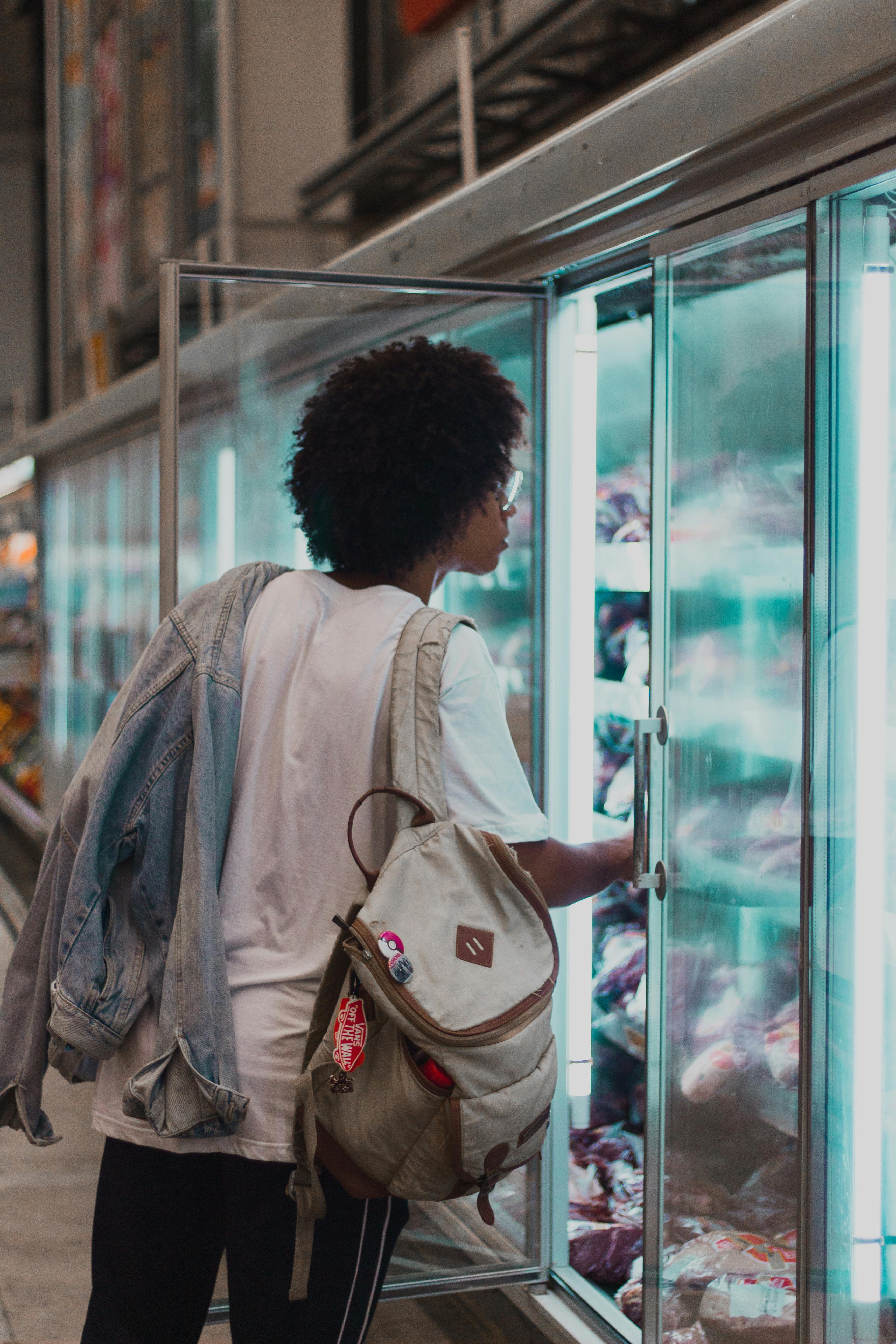
One overlooked part of this trend is labor. Many stores are trying to do more with fewer workers while also asking staff to handle self-checkout issues, online order picking, stocking, and customer service. That leaves less time for active floor monitoring, which historically helped deter routine theft.
Frontline workers are also being put in difficult situations. Confronting theft can escalate quickly, and many chains tell staff not to physically intervene. In that environment, prevention through design becomes more appealing. A locked cooler removes the moment of confrontation and shifts the process to controlled assistance.
Loss-prevention specialists often describe this as environmental deterrence. Instead of relying on an employee to catch someone in the act, the store changes the physical setup so stealing becomes harder in the first place. It is less dramatic than hiring guards everywhere, but often more realistic for smaller-format grocery operations.
What shoppers should expect next
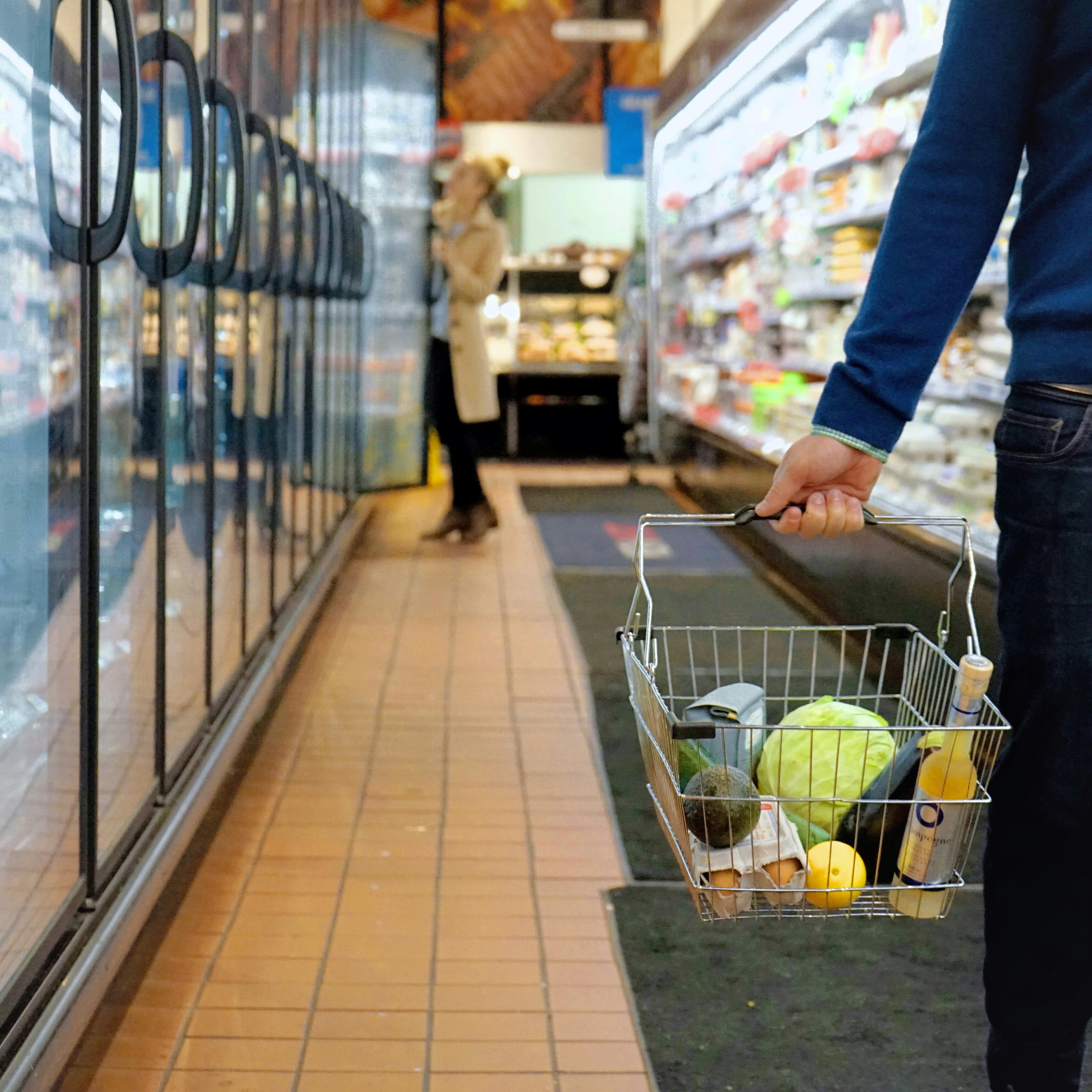
The Nanaimo store's decision may feel unusual today, but it fits a pattern that is likely to grow. More retailers will probably reserve open access for low-risk goods while placing expensive essentials behind glass, in monitored zones, or in limited-quantity displays. Grocery shopping may become slightly less seamless as a result.
Consumers are also likely to see more mixed approaches rather than blanket lockdowns. Stores may leave lower-cost cuts accessible while securing premium beef, seafood, or bulk packs. Some will add call buttons or staffed counters to keep purchases convenient while still discouraging theft.
In the end, locked meat coolers are not really about meat alone. They reflect the intersection of inflation, organized shoplifting, labor strain, and razor-thin grocery economics. What started as a local response in Nanaimo is spreading because, for many stores, the numbers now leave little room for a softer approach.



Leave a Reply