
A great Italian restaurant should feel effortless: confident service, focused cooking, fresh ingredients, and a sense that someone cares about every detail. But plenty of places lean on red-sauce stereotypes, oversized portions, and generic décor to fake the experience. Before you order that pasta, these are the signs that dinner may be headed in the wrong direction.
The server can't explain the menu
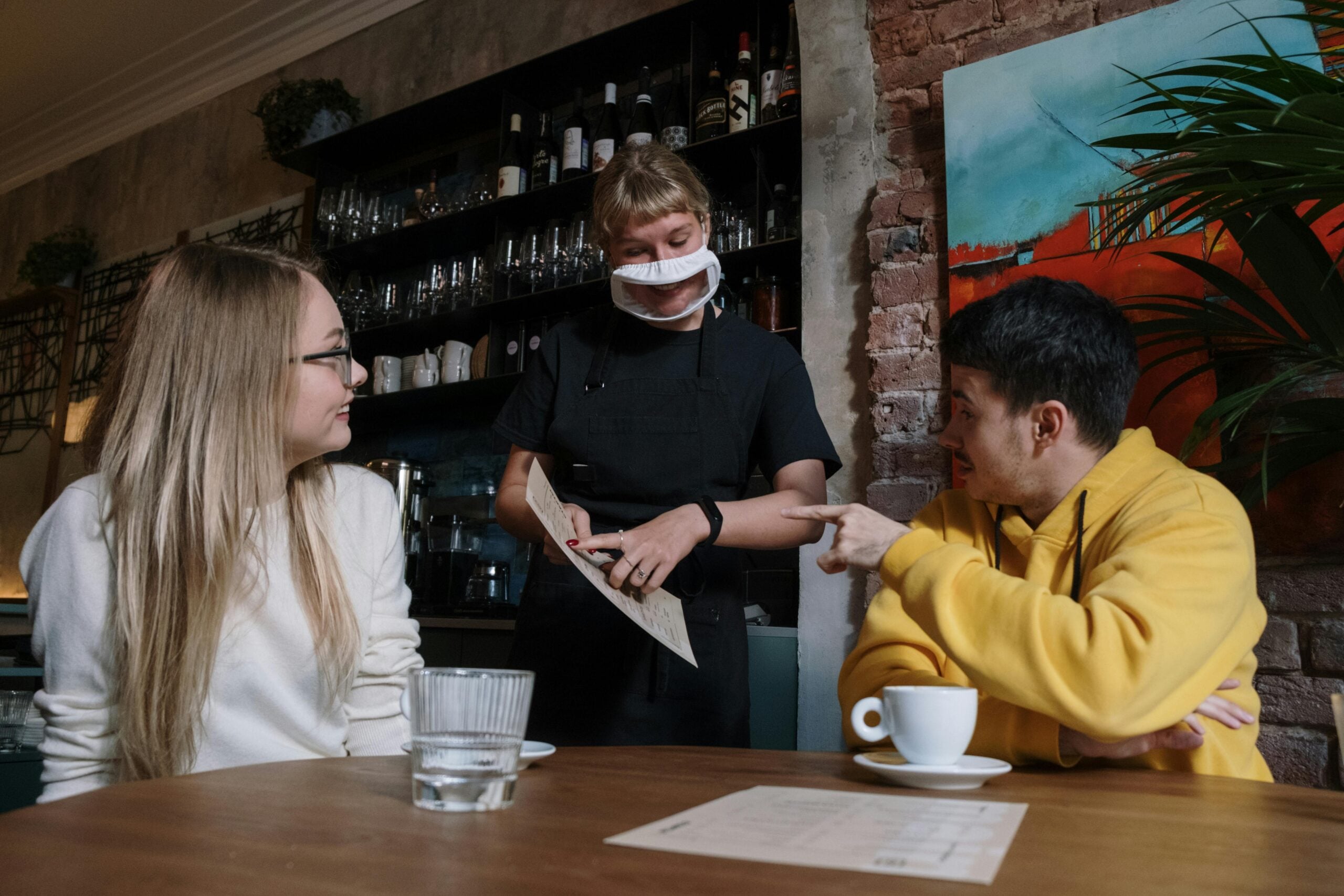
At a strong Italian restaurant, the server should know the menu well enough to walk you through sauces, cheeses, cooking methods, and even regional references without sounding like they're guessing. If simple questions about ingredients or preparation get vague answers, that's a bad sign.
It also suggests the staff may not be tasting the food or getting proper training. Beyond authenticity, that kind of uncertainty can be a real problem for anyone with allergies or dietary restrictions.
Good service in an Italian restaurant feels informed and confident. If your server seems lost before the meal even starts, the kitchen may be just as unfocused.
The menu is enormous and all over the place
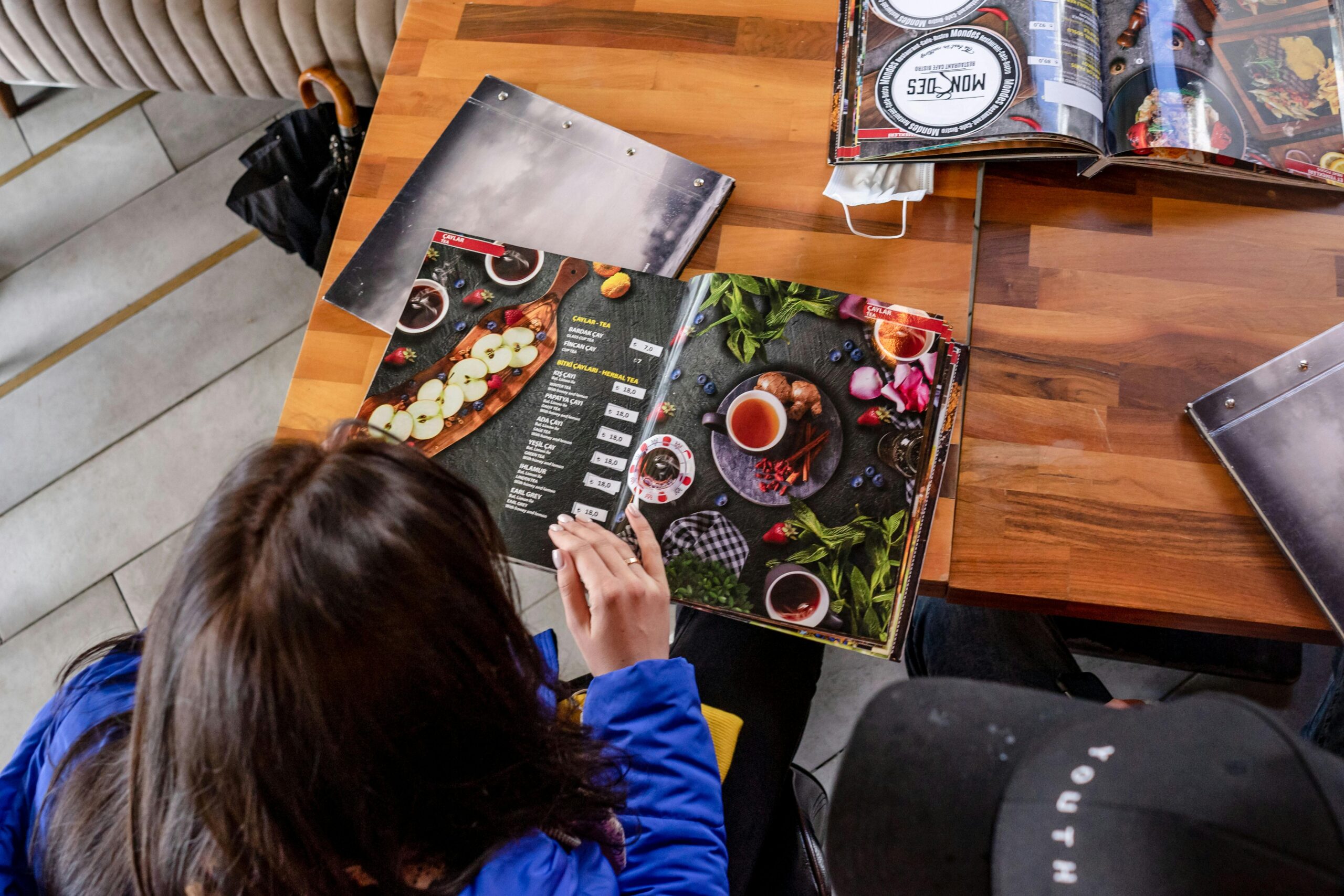
A menu with pages of pasta, pizza, seafood, steak, burgers, and random bar food usually signals a restaurant trying to be everything to everyone. That may sound convenient, but it rarely translates to careful cooking.
Italian cuisine is deeply regional, and good restaurants tend to show some point of view. They may focus on a handful of specialties, seasonal dishes, or a specific style instead of tossing every possible comfort food onto one laminated booklet.
When the menu feels bloated, the kitchen is more likely to rely on shortcuts, frozen components, and pre-made sauces. Focus is often the difference between dependable and forgettable.
There are burgers and other non-Italian dishes everywhere
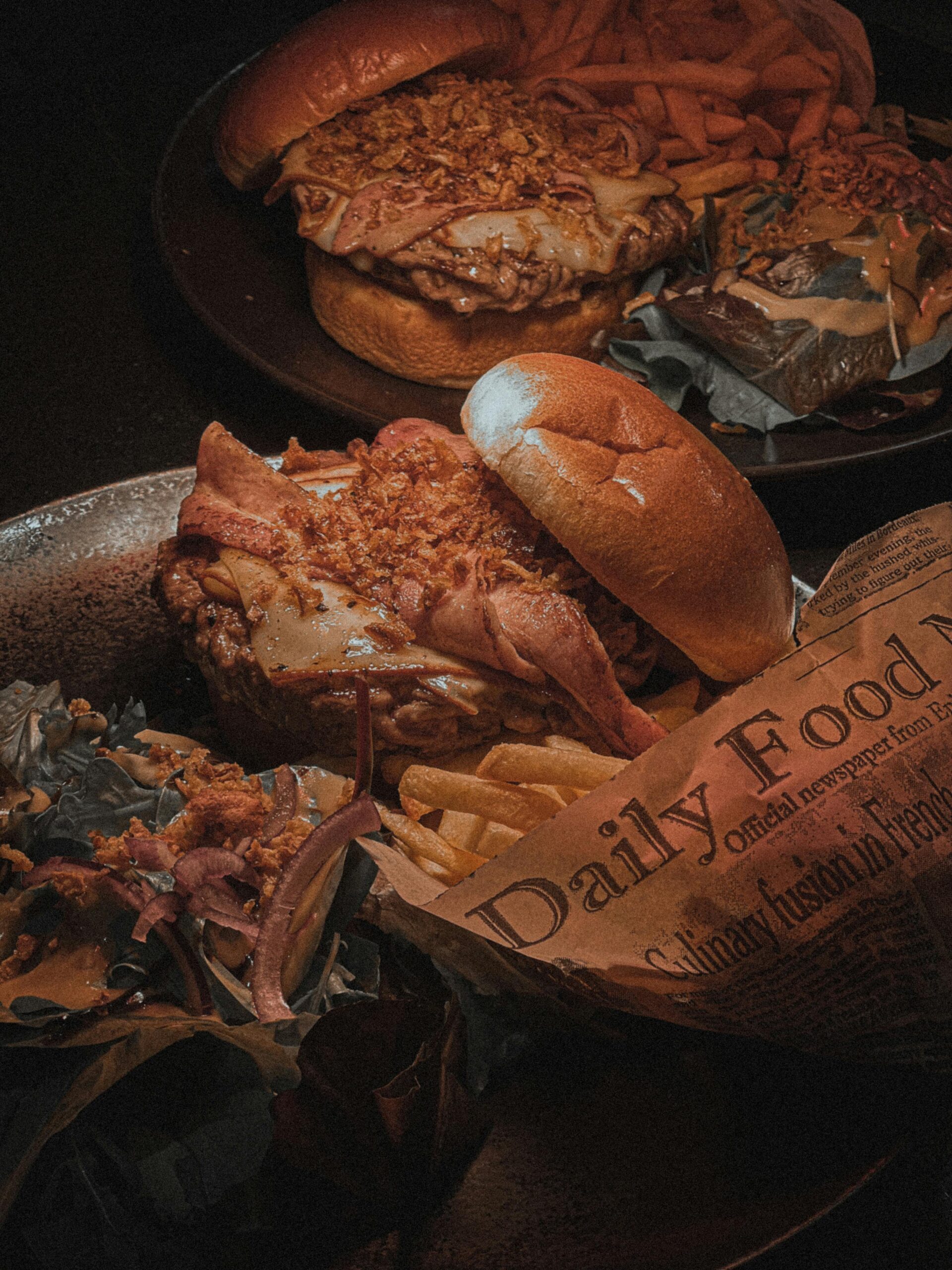
A few flexible options for kids or picky eaters are one thing. But if the menu is packed with burgers, chicken fingers, wraps, or generic pub food, the restaurant may not have much confidence in its Italian cooking.
A good Italian spot usually builds its identity around antipasti, pasta, meat or seafood mains, sides, and dessert that feel connected. Even modern interpretations should still sound rooted in the cuisine rather than borrowed from a sports bar.
When a restaurant waters down its concept too much, the food often loses personality. If half the menu could belong anywhere, the Italian half may not be worth trusting either.
Nothing on the menu changes with the seasons
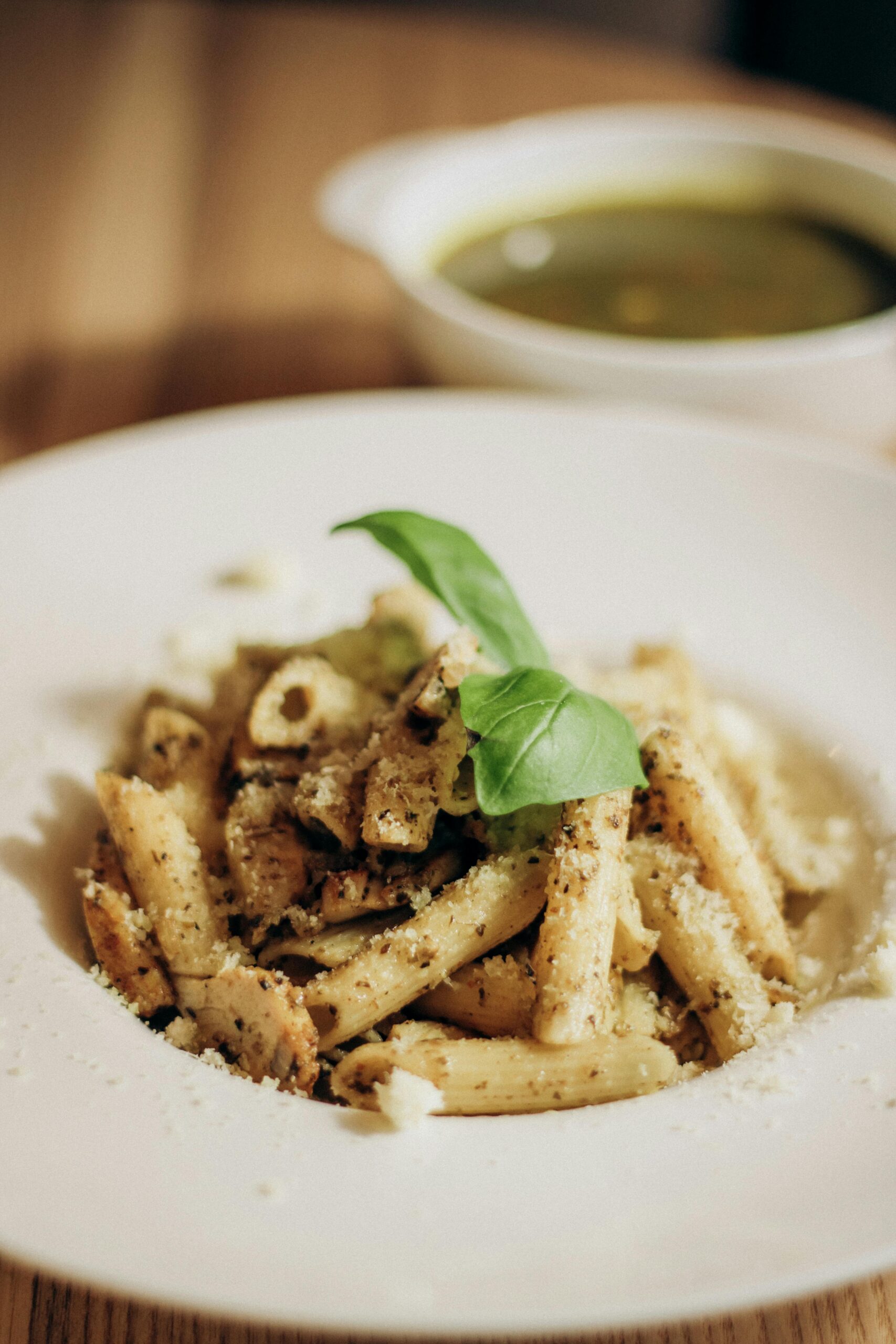
Italian cooking shines when it follows the market. Summer tomatoes, spring peas, fall squash, winter greens and citrus all give chefs a reason to refresh a menu and keep flavors lively.
If the restaurant serves the exact same list of dishes all year long, it can suggest a dependence on frozen produce, pantry-heavy shortcuts, or a kitchen that has stopped evolving. That doesn't mean every classic has to disappear, but some movement matters.
Seasonal dishes are often a sign that the chef is paying attention to freshness and flavor. A static menu, especially over years, can feel less like consistency and more like complacency.
The bread service feels wrong
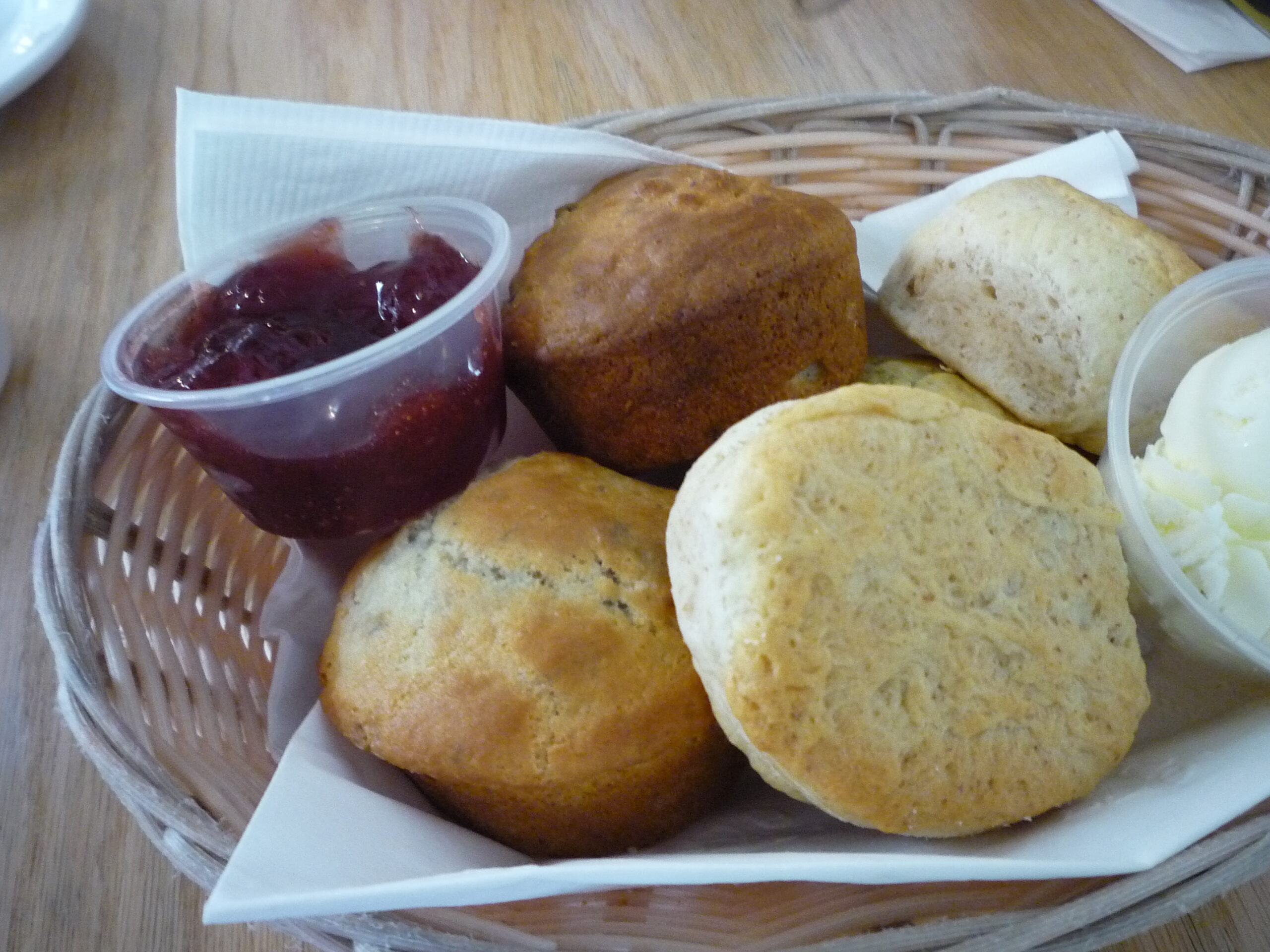
In many American Italian restaurants, a basket of bread and butter lands on the table before you even open the menu. It feels generous, but it can also be a clue that the restaurant is leaning into habits that are more about filling you up than reflecting Italian dining customs.
Bread in Italy plays a different role. It often accompanies the meal, and it's meant to support the food rather than replace the first course. Bruschetta and focaccia are different stories, of course, because they're intentional dishes.
If the opening move is a heap of bread with no thought behind it, the experience may be built around routine rather than care.
The cocktail menu has no Italian character
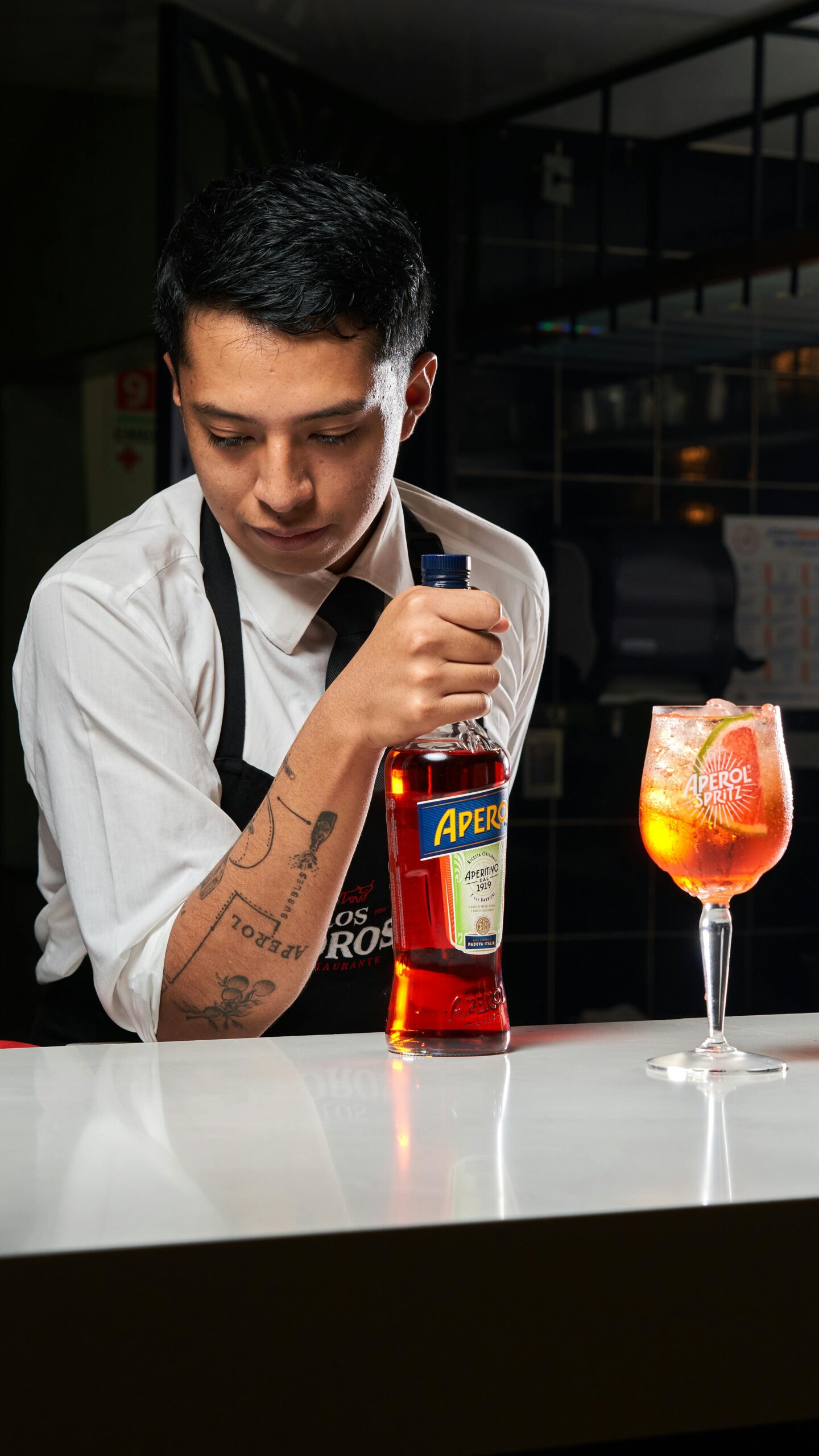
Cocktails aren't the main reason to visit an Italian restaurant, but they still tell you something. A drink list full of generic martinis and sugary house specials with no Aperol spritz, Negroni, Bellini, or limoncello in sight can feel disconnected from the meal to come.
A restaurant doesn't need to turn into a cocktail bar to get this right. Just a handful of classic Italian aperitivi or digestivi suggests the team has thought about the full arc of dinner, not just the entrées.
When every part of the experience could belong to any random chain, that's the problem. Authenticity often shows up in small, consistent choices before the first bite arrives.
The dining room looks cheap instead of charming
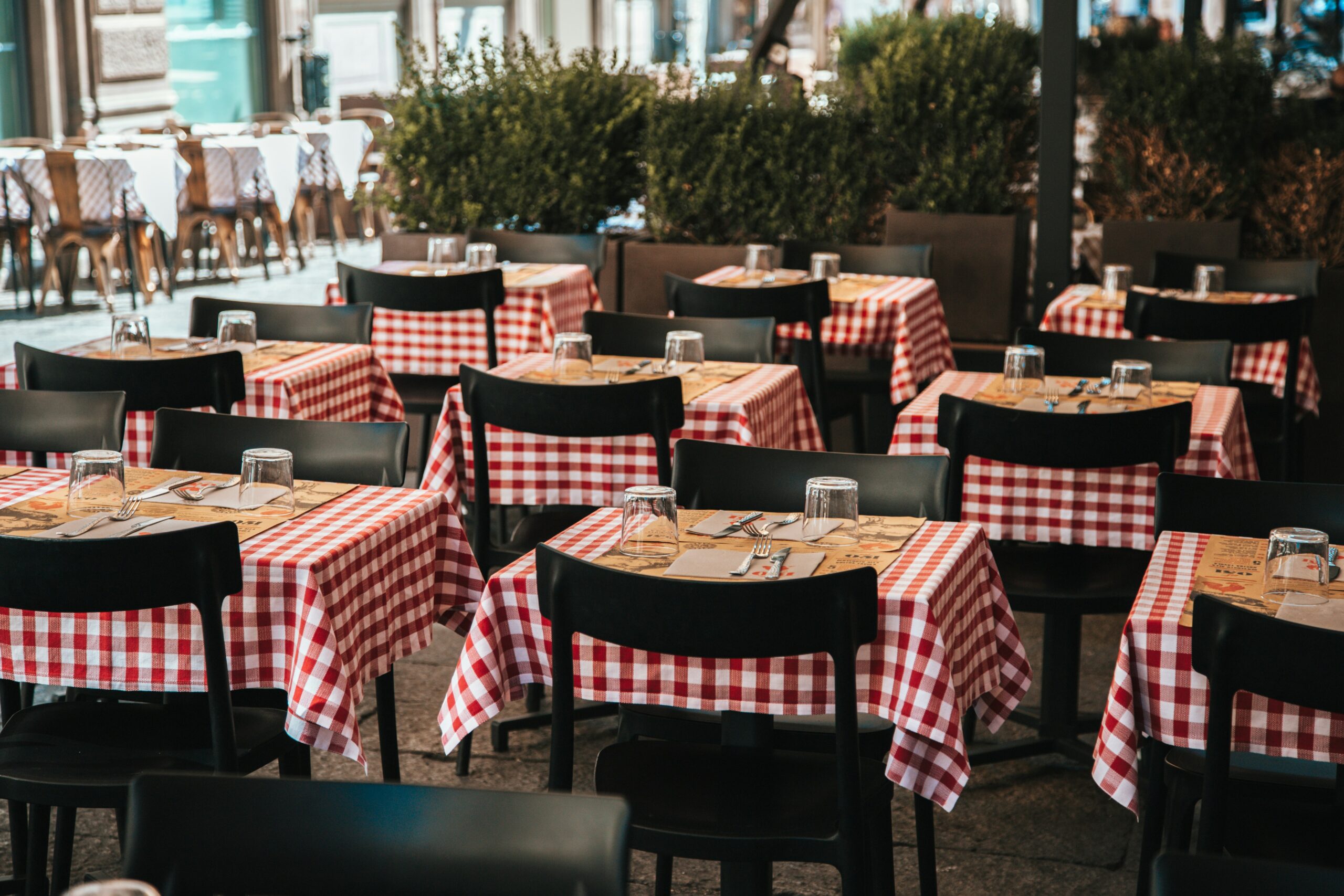
Italian restaurants are often at their best when they feel warm, lived-in, and personal. That doesn't require luxury, but it does require intention. There's a difference between cozy and cobbled together from discount-store props.
Plastic red-check tablecloths, tired faux murals, and décor that looks mass-produced can hint that the restaurant is cutting corners in places you can see. Diners naturally wonder where else they're saving money once that thought creeps in.
A well-run restaurant usually extends care to the room as much as the plate. If the space feels like a theme set instead of a place with soul, the food may be chasing the same imitation energy.
The place doesn't look clean

This is the universal red flag, and it matters just as much here as anywhere else. Sticky tables, dirty floors, smudged glass, or smells that have nothing to do with garlic and simmering sauce should stop you in your tracks.
A messy front of house raises obvious questions about what's happening behind the kitchen doors. Cleanliness is basic hospitality, but it's also tied to food safety, organization, and the kind of standards a restaurant keeps when guests aren't watching.
Even the most charming neighborhood trattoria should look cared for. If the room feels neglected, it's hard to believe the ingredients, storage, and cooking practices are receiving any more attention.




Leave a Reply