
Restaurants are where inflation, policy, and everyday life collide. In Canada, many owners now say the tax system is no longer just difficult, but damaging.
A striking signal from an industry under pressure
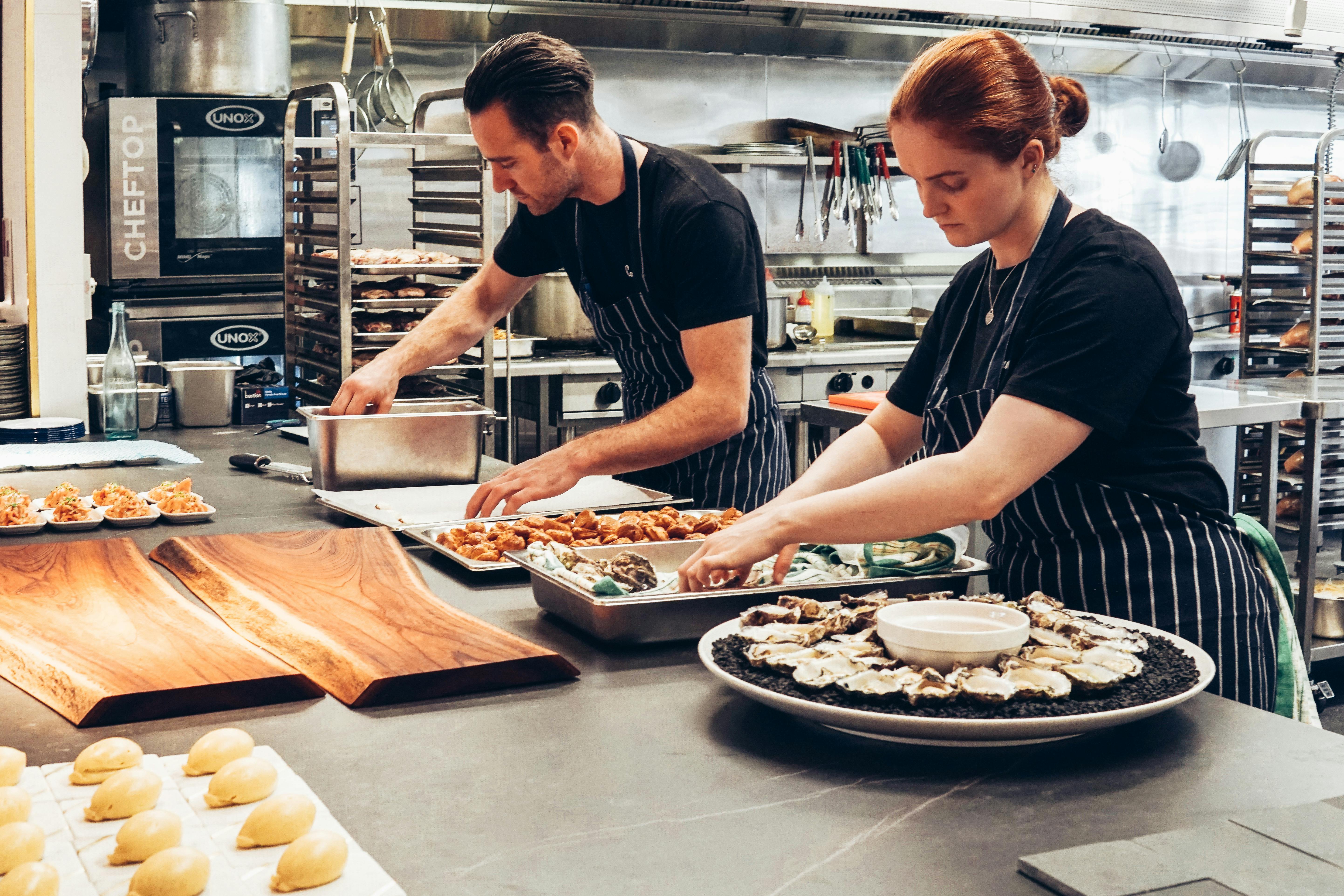
The 73% figure matters because it shows this concern is no longer limited to a few struggling operators. It reflects a broad industry mood shaped by high food costs, expensive rent, and taxes that owners say leave little room to recover.
According to Restaurants Canada and repeated industry surveys in recent years, operators have reported fragile profit margins even when dining rooms are full. Many establishments survive on margins of 3% to 5%, which means even a modest tax increase can wipe out earnings for a week or a month.
That is why owners describe tax policy as an active business problem rather than a background annoyance. For an independent restaurant, every new payroll charge, property tax bill, and sales tax compliance task lands directly on a business already absorbing higher insurance, utilities, and supplier invoices.
Which taxes are causing the most frustration

The biggest complaints usually center on payroll-related costs and indirect taxes. Employers face CPP and EI contributions, provincial levies, workers' compensation costs, and in some regions sharp commercial property tax burdens that do not reflect current market realities.
Sales tax is another pressure point, especially when consumer demand weakens. Owners say GST/HST does not just affect final menu prices. It also shapes how customers think about value, and in a price-sensitive environment that can reduce frequency of visits, add-on purchases, and alcohol sales.
Then there is the administrative layer. Filing requirements, remittances, record-keeping, and changing rules often force small operators to spend more on accountants or software. Large chains can spread those costs over many locations, but a single-site bistro or family diner often cannot.
Why restaurants feel tax changes faster than other sectors

Food service is uniquely exposed because it combines low margins with highly variable costs. A manufacturer may lock in contracts for months, but a restaurant can see meat, cooking oil, dairy, and produce costs change quickly while still being expected to keep menu prices stable.
Labour also behaves differently in hospitality. Restaurants need staff on-site in real time, during peak hours, weekends, and holidays, so they cannot automate away every cost increase. When government policy raises payroll expenses, owners often have to choose between shorter hours, fewer staff, or higher prices.
That trade-off becomes especially harsh in smaller communities. A neighbourhood café cannot always charge downtown big-city prices, yet it still faces many of the same statutory costs. The result is a business model that is highly sensitive to tax policy and less able to absorb shocks.
The consumer side of the equation is easy to miss

What hurts operators often reaches customers almost immediately. When taxes and mandatory costs rise, restaurants commonly respond by trimming portion sizes, delaying renovations, reducing staff levels, or increasing menu prices by small but frequent amounts.
Consumers may not notice the tax component directly, but they do notice a $19 burger becoming a $23 outing after tax and tip. In a period when households are already watching mortgage payments, grocery bills, and interest costs, dining out becomes easier to cut.
This is why the issue extends beyond owners. Restaurants are major employers of young workers, newcomers, and part-time staff. When margins tighten, hiring slows, training budgets shrink, and communities lose gathering places that also support local suppliers, delivery drivers, and nearby retail traffic.
What owners and industry groups want governments to do

Most restaurant operators are not arguing for a no-tax environment. They are asking for targeted relief that recognizes hospitality as a labour-intensive, community-based industry with unusually thin margins and limited pricing power.
Common proposals include reducing or freezing payroll taxes, modernizing commercial property tax assessments, and providing temporary GST/HST relief on restaurant meals. Industry advocates have also pushed for simpler compliance rules and credits tied to hiring, training, or energy-efficiency upgrades.
Some point to international examples where temporary tax reductions helped protect demand during fragile periods. The core argument is practical: when governments ease pressure on restaurants, they are not helping only owners. They are also supporting jobs, tourism, downtown recovery, and small-business survival.
Why this debate is likely to grow louder

The political importance of this issue is rising because restaurant closures are visible and local. When a long-running diner shuts down, people do not experience it as an abstract economic statistic. They see an empty storefront, lost jobs, and a weaker main street.
If 73% of owners believe tax policy is actively hurting them, governments will face stronger pressure to show whether current settings are fair, effective, and economically smart. Policymakers may still defend existing tax structures, but the burden of proof is shifting as closures and insolvencies attract more attention.
For now, the message from restaurant owners is straightforward. They can handle hard work and competition, but many say they cannot keep absorbing public policy costs on top of inflation, debt, and soft consumer spending without lasting damage to the industry.




Leave a Reply