
Tim Hortons looks familiar on both sides of the border. But the deeper you look, the more the Canadian and American versions reflect two very different food cultures.
The Brand Means More in Canada

In Canada, Tim Hortons is not just a coffee chain. It is woven into everyday life in a way few restaurant brands ever achieve, serving commuters, hockey families, shift workers, and road trippers from coast to coast.
That cultural weight matters. For many Canadians, a "Tims run" is part of the language, and the brand has long been tied to national identity through hockey ties, community sponsorships, and the annual Roll Up promotion.
In the United States, Tim Hortons has never reached that same symbolic status. It is better known in border states such as New York, Michigan, and Ohio, but it usually competes as one regional chain among many rather than a national ritual.
The Menus Are Similar, but Not the Same

The biggest surprise for cross-border customers is often the menu. Core items such as coffee, Timbits, and breakfast sandwiches appear in both countries, yet product variety and emphasis can differ noticeably by market.
Canadian locations tend to lean harder into items that have become local staples, including more familiar baked goods, soups, and lunch options tailored to established habits. Seasonal launches also often arrive with stronger national promotion and broader visibility.
In the United States, menus can feel more streamlined and sometimes more experimental in selected regions. Stores may adjust offerings around local demand, competition, and operational limits, which can create a less standardized experience from one market to another.
Coffee Expectations Are Higher in Canada

Coffee is the engine of the Tim Hortons business, but Canadian customers often judge it with unusual intensity. For decades, the chain built its reputation on fast, consistent coffee that fit daily routines and budget-conscious habits.
That loyalty also creates pressure. Changes to blends, preparation standards, or taste are noticed quickly, and Canadian consumers openly compare today's coffee with earlier eras when Tim Hortons held an even stronger grip on the category.
In the United States, expectations are shaped by a more crowded field. Starbucks, Dunkin', McDonald's, and local drive-thru chains set different benchmarks, so Tim Hortons is often evaluated as one option in a broader coffee marketplace rather than the default stop.
Store Footprint and Visibility Differ Sharply
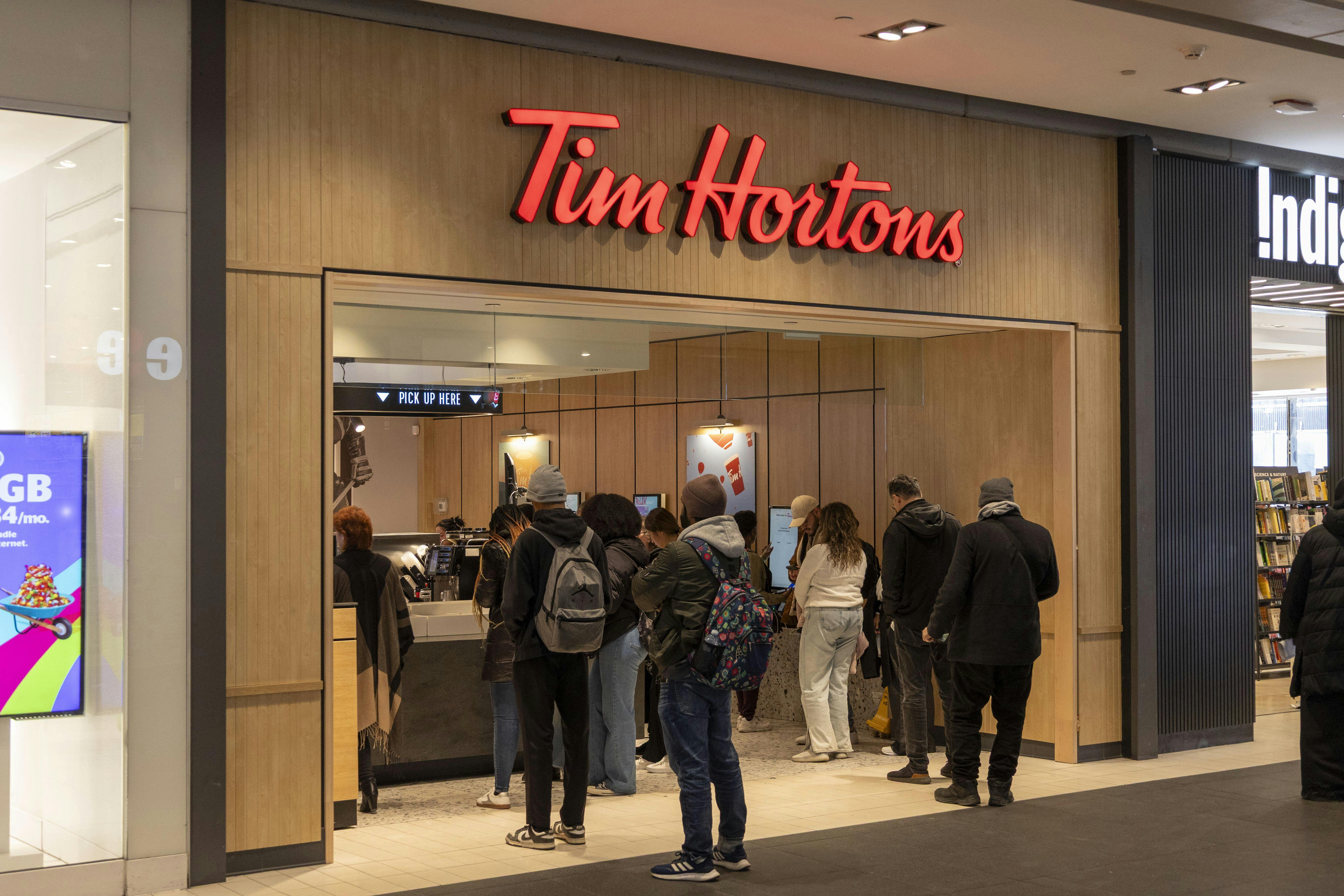
One clear difference is scale. In Canada, Tim Hortons has an enormous footprint, with locations in cities, suburbs, highway stops, hospitals, arenas, and small towns where it may function as an informal gathering place.
That density changes consumer behavior. People expect convenience, familiar layouts, and dependable access, which reinforces loyalty and keeps the brand top of mind throughout the day, from breakfast to late-night coffee runs.
In America, the footprint is far thinner and more concentrated. Tim Hortons has historically focused on the Northeast and Midwest, so many Americans have never visited one, and expansion outside those regions has often been uneven or short-lived.
Donuts and Baked Goods Play Different Roles

At first glance, donuts seem central everywhere, but their role has shifted. Tim Hortons in Canada built much of its early identity around fresh baked goods, and older customers still associate the chain with that bakery tradition.
Over time, both countries have seen simplification in on-site baking as restaurant operations modernized. Even so, Canadian guests often carry stronger expectations about the quality, variety, and nostalgia attached to donuts, muffins, and Timbits.
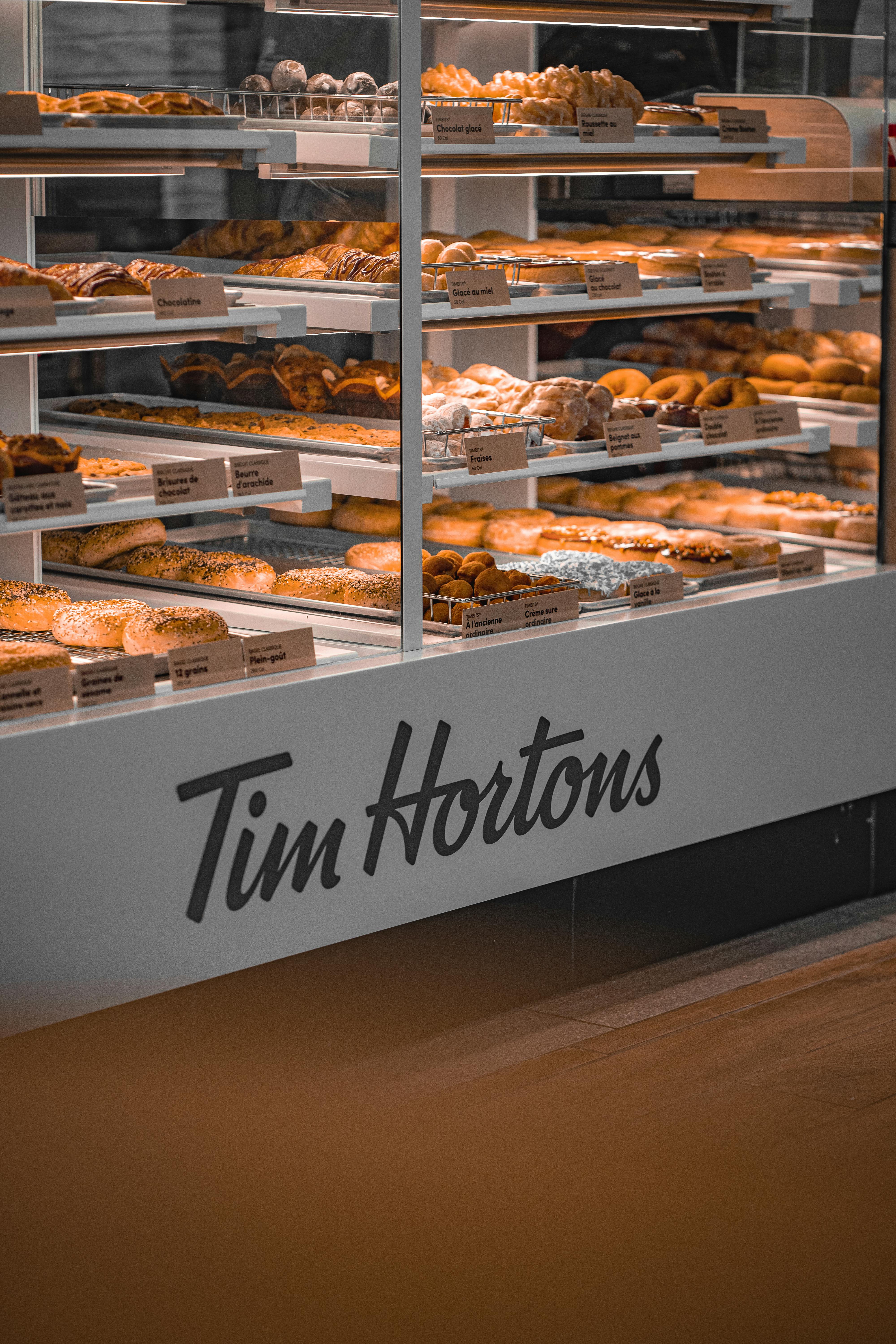
In the United States, baked goods compete in a market crowded with donut specialists and convenience stores. That means Tim Hortons' bakery case may feel less distinctive unless a location delivers especially well on freshness, assortment, and value.
Competition Feels Very Different Across the Border
In Canada, Tim Hortons still operates from a position of deep familiarity, but it faces sharper pressure than it once did. McDonald's, Starbucks, A&W, and independent cafés have all competed for breakfast traffic and premium coffee drinkers.
Even with that pressure, Tim Hortons remains unusually embedded in Canadian routines. Its edge comes from convenience, pricing, drive-thru reach, and the comfort of habit, which are advantages that can outweigh product criticism for many regulars.
In the United States, however, habit works against the brand. Dunkin' dominates many morning routines in the Northeast, Starbucks owns premium coffee mindshare nationally, and local chains often command strong loyalty before Tim Hortons can establish itself.
The Overall Experience Reflects Two Markets

The simplest way to understand the divide is this: Canada treats Tim Hortons as an institution, while America tends to treat it as an option. The same logo crosses the border, but customer expectations do not.
In Canada, people often judge the brand against memory, identity, and routine. A weak coffee, a missing baked good, or a changed recipe can spark outsized reactions because the brand occupies emotional territory as well as physical shelf space.
In the United States, the conversation is more practical. Customers usually focus on value, speed, convenience, and how Tim Hortons compares with nearby alternatives, which makes the experience feel less cultural and more purely competitive.




Leave a Reply