
The same grocery list can produce very different totals depending on where you shop in Canada. A few staples, in particular, show just how strongly geography, regulation, and supply chains shape food prices.
Milk

Few foods reveal Canada's regional pricing structure more clearly than milk. Because dairy is governed by supply management, production quotas and farm-gate pricing create a baseline that is relatively stable, but not identical, from province to province. Retail prices then shift further once transportation, packaging rules, and local competition are added.
In provinces with large populations and dense distribution networks, stores can move dairy faster and spread costs more efficiently. Ontario and Quebec often benefit from that scale. Smaller Atlantic markets and remote northern supply routes usually face higher handling and delivery costs, which can push shelf prices noticeably upward.
Sales taxes also matter in indirect ways, as do differences in provincial environmental fees tied to containers and recycling systems. A family buying several bags or cartons a week will feel even modest price gaps quickly. Milk may look like a basic staple, but its final sticker price is shaped by a tightly managed system with very local outcomes.
Eggs

Eggs seem simple, yet their prices can vary more than shoppers expect. Like dairy, eggs are also affected by supply management, which helps stabilize farmer returns but does not erase regional differences at retail. Feed costs, barn operating expenses, and freight charges all influence what consumers ultimately pay.
Western provinces that are close to grain production can sometimes benefit from lower feed transport costs, although that advantage is not always passed on fully in stores. In provinces where distribution is fragmented or populations are spread out, cartons may cost more because trucks travel farther and inventory turns more slowly.
Disease controls also play a role. When avian influenza affects flocks in one region, supply pressure can spill into neighboring markets and temporarily widen provincial gaps. That is why a dozen large eggs may remain relatively affordable in one province while climbing sharply in another, even when national headlines suggest prices are moving in the same direction everywhere.
Chicken

Chicken is one of the most closely watched proteins in Canadian grocery aisles. Prices often differ sharply by province because processing capacity is not evenly distributed across the country. A province with major poultry plants and shorter shipping routes can often keep fresh chicken more competitively priced than a market that depends heavily on long-haul deliveries.
Retail competition is another major factor. Large urban centres usually have more banner stores, warehouse clubs, and frequent flyer promotions, which can pull chicken prices down. In smaller provinces or isolated communities, fewer retailers may mean less aggressive discounting and a higher regular shelf price for breasts, thighs, and whole birds.
Input costs matter too. Energy for refrigeration, labor availability in processing, and even provincial rules around meat inspection can influence final pricing. Consumers often notice these differences most during holiday weekends or barbecue season, when demand surges and promotions reveal which provincial markets have the strongest supply chains and the most pricing power.
Bread

Bread is often treated as a low-cost constant, but provincial price differences can be surprisingly wide. Wheat may be grown in abundance on the Prairies, yet that does not automatically guarantee the cheapest loaf in every western store. Milling, baking, fuel, packaging, and retail overhead all add layers of cost before bread reaches the shelf.
In major metropolitan areas, volume can lower per-unit costs, but city rents and labor can push in the opposite direction. In remote or smaller provinces, bread may cost more simply because it is delivered less frequently and sold in lower volume. Freshness standards also affect pricing, since spoilage risk is built into how stores manage inventory.
Brand mix matters as well. A province where discount private-label loaves dominate will appear cheaper than one where shoppers favor premium seeded, artisan, or specialty breads. Even a plain white loaf becomes a lesson in logistics. The grain itself is only one piece of the price story consumers see at checkout.
Apples
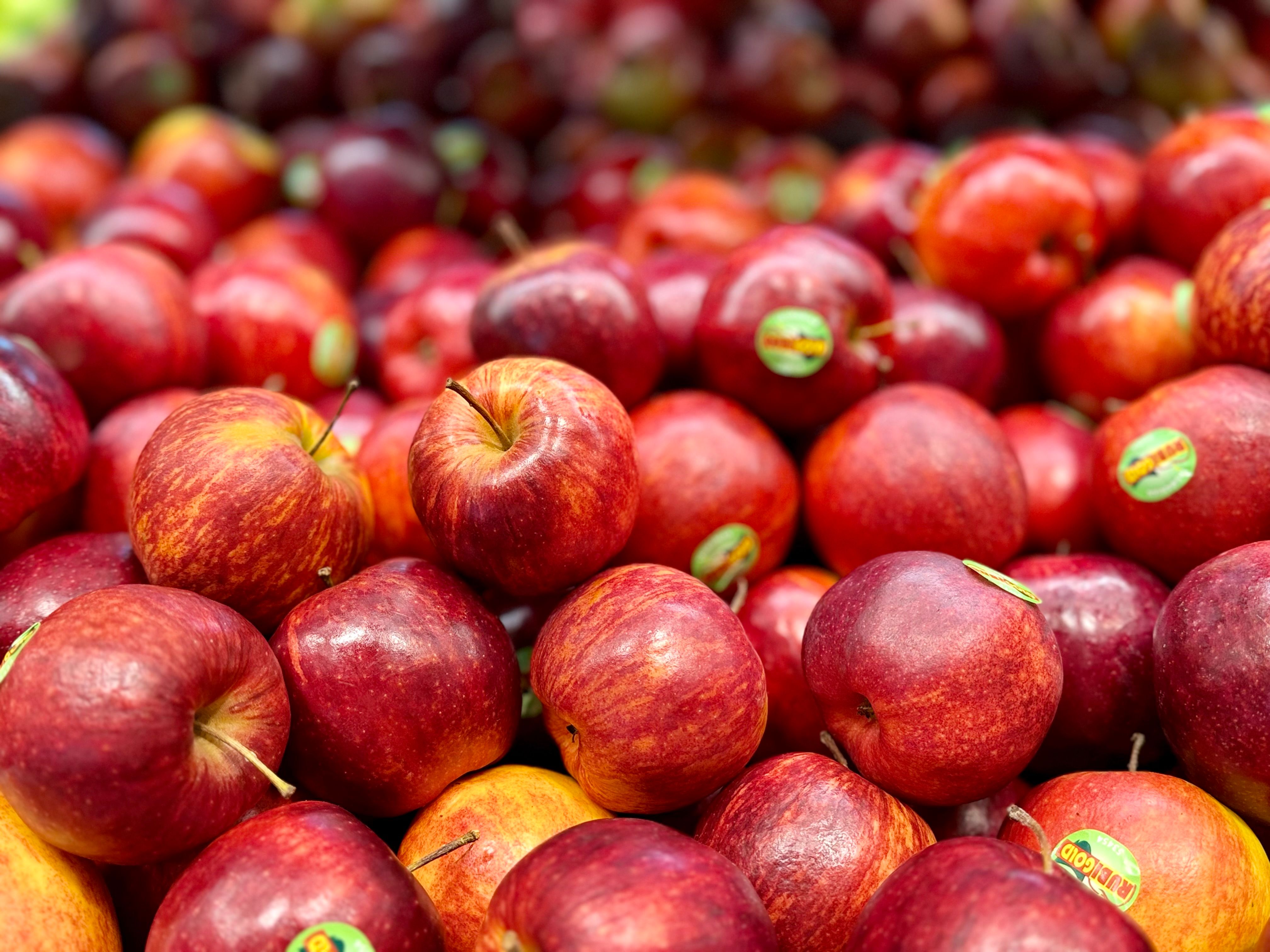
Apples show how local growing power can shape provincial price differences. British Columbia, Ontario, Quebec, and Nova Scotia all produce apples, but their harvest size, storage capacity, and proximity to urban markets vary. Where orchards are nearby and controlled-atmosphere storage is strong, stores can often carry domestic apples at more competitive prices for longer stretches of the year.
Provinces with limited local fruit production rely more heavily on shipments from other regions or imports from the United States. That raises freight exposure, especially during winter. Weather also matters enormously. A poor harvest caused by frost, hail, wildfire smoke, or drought can tighten local supply and quickly erase any home-province price advantage.
Variety further complicates comparisons. Honeycrisp, Ambrosia, and organic apples command premiums that can distort what shoppers think apples should cost. One province may advertise low prices on utility-grade McIntosh while another features higher-end bagged varieties. The result is a produce item whose pricing reflects both climate risk and highly regional consumer preferences.
Potatoes
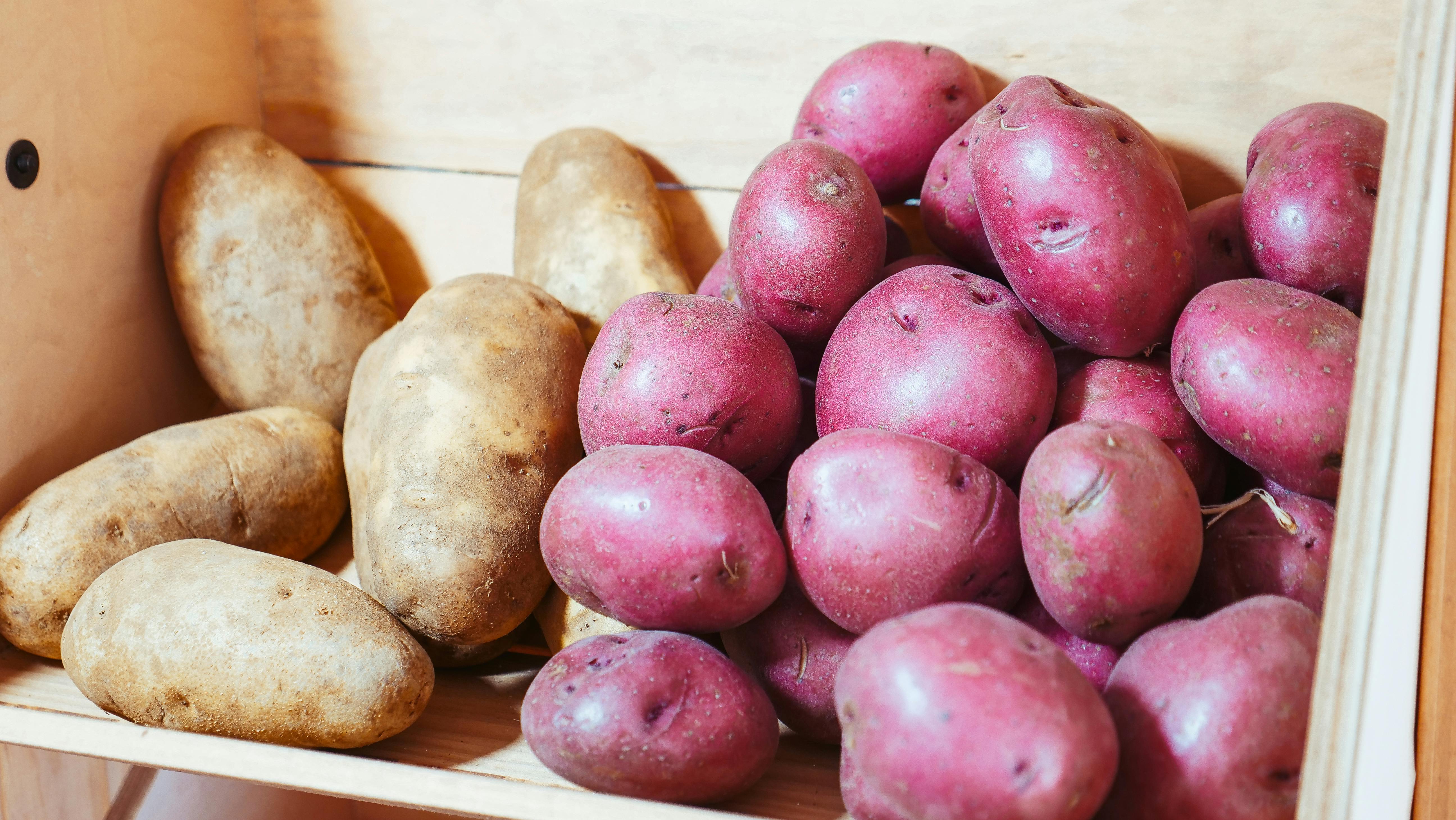
Potatoes may be Canada's most deceptively variable staple. Prince Edward Island and Manitoba are major producers, yet being close to production does not always translate into the lowest retail price. Washing, grading, bagging, storage, and shipping can all outweigh the raw crop's low farm value, especially after harvest season ends.
Fresh potatoes are also tied to seasonal storage economics. Provinces with strong warehousing infrastructure can hold supply longer and smooth prices, while others become more dependent on incoming shipments. Energy costs matter because long-term storage requires climate control, and those expenses rise and fall differently across provincial utility systems.
Consumer habits influence pricing too. In some provinces, larger family-sized bags sell briskly and keep margins lower per kilogram. Elsewhere, smaller convenience formats dominate and cost more. Processing demand is another wildcard. When french fry plants or chip makers pull heavily from local crops, retail shoppers may find that a humble bag of potatoes costs more than expected.




Leave a Reply