
A trip to the grocery store can feel like a lesson in geography, weather, and economics all at once. In Canada, seasonal price changes are rarely random, and they often start long before food reaches the shelf.
Canada's climate sharply limits what can be grown year-round
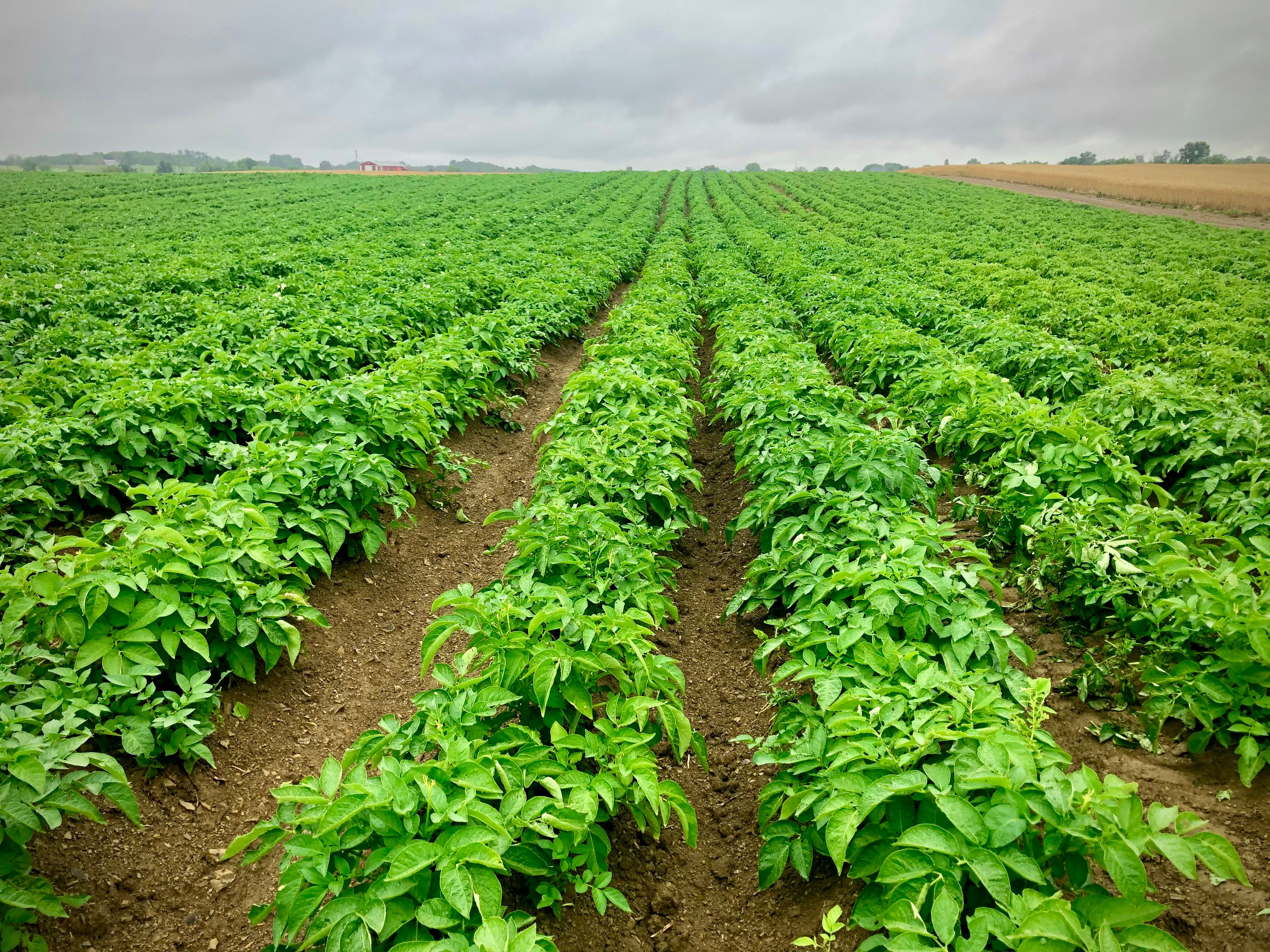
The biggest reason is simple: Canada has a short outdoor growing season. In much of the country, winter sharply reduces domestic supply of fresh produce, which means stores must lean more heavily on imports from the United States, Mexico, and other warmer regions.
That shift matters because imported food carries extra costs at nearly every step. Growers face different labour and water expenses, and Canadian buyers then add transportation, cold storage, insurance, and currency-related risk before products arrive in local distribution centres.
You can see this clearly with berries, lettuce, and tomatoes. In summer, Ontario and Quebec harvests can help moderate prices. In January, the same products often travel thousands of kilometres, and even a small disruption in supply can push shelf prices up quickly.
Weather events ripple through supply faster than most shoppers expect
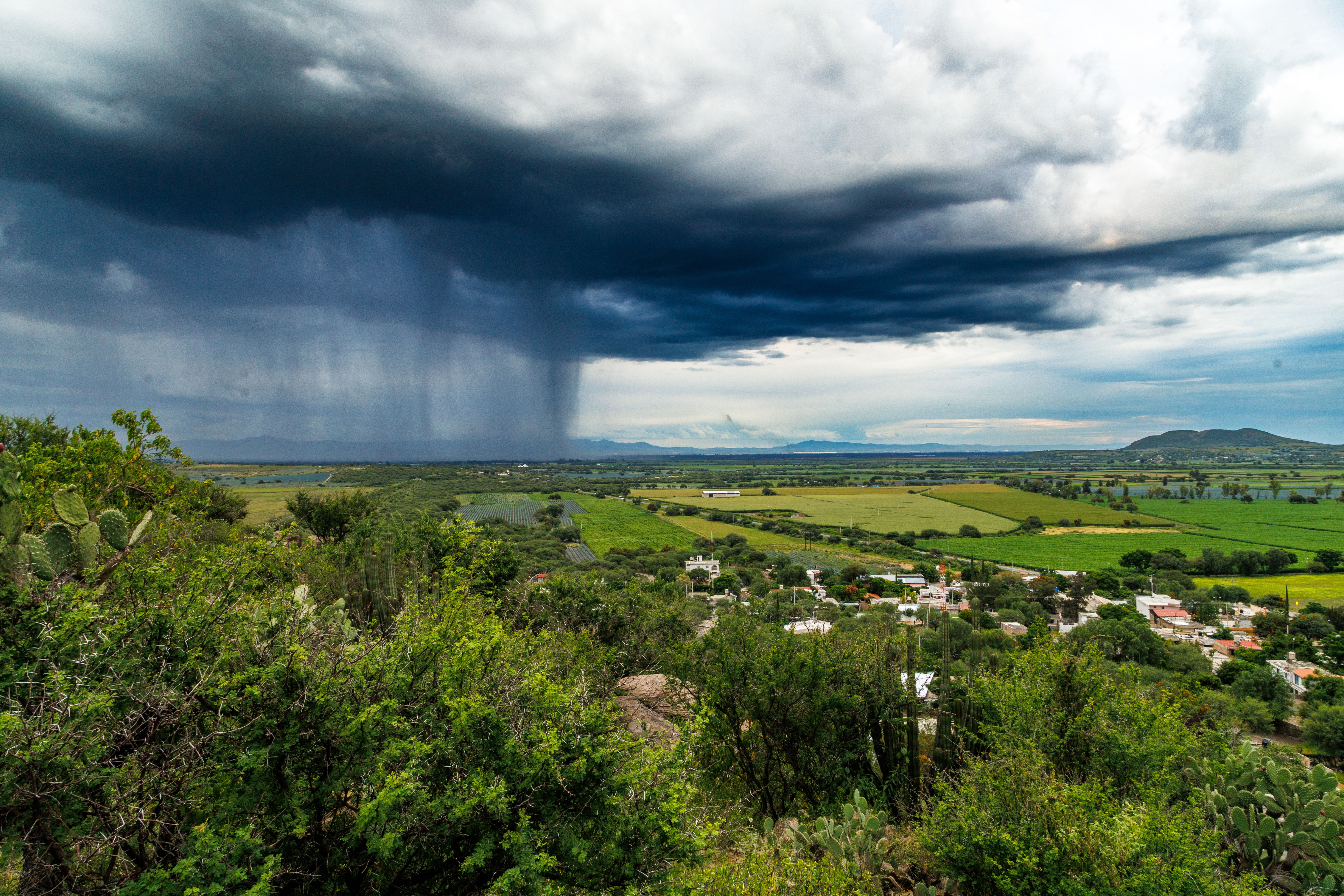
Seasonal pricing is not only about winter versus summer. It is also about what weather does to crop yields in real time, both inside Canada and across the regions that supply Canadian grocers for part of the year.
A drought in western North America can tighten vegetable supply. Heavy rains in California can damage lettuce fields, while hurricanes in Florida can affect citrus and greenhouse operations. Because Canada imports so much produce in colder months, those events can show up in prices within days or weeks.
Even domestic weather plays a role beyond the farm gate. Flooded roads, wildfire smoke, and storms can interrupt trucking routes and delay deliveries. When supply becomes less predictable, retailers often face higher procurement costs, and those costs frequently reach consumers.
Transportation and energy costs rise and fall with the season
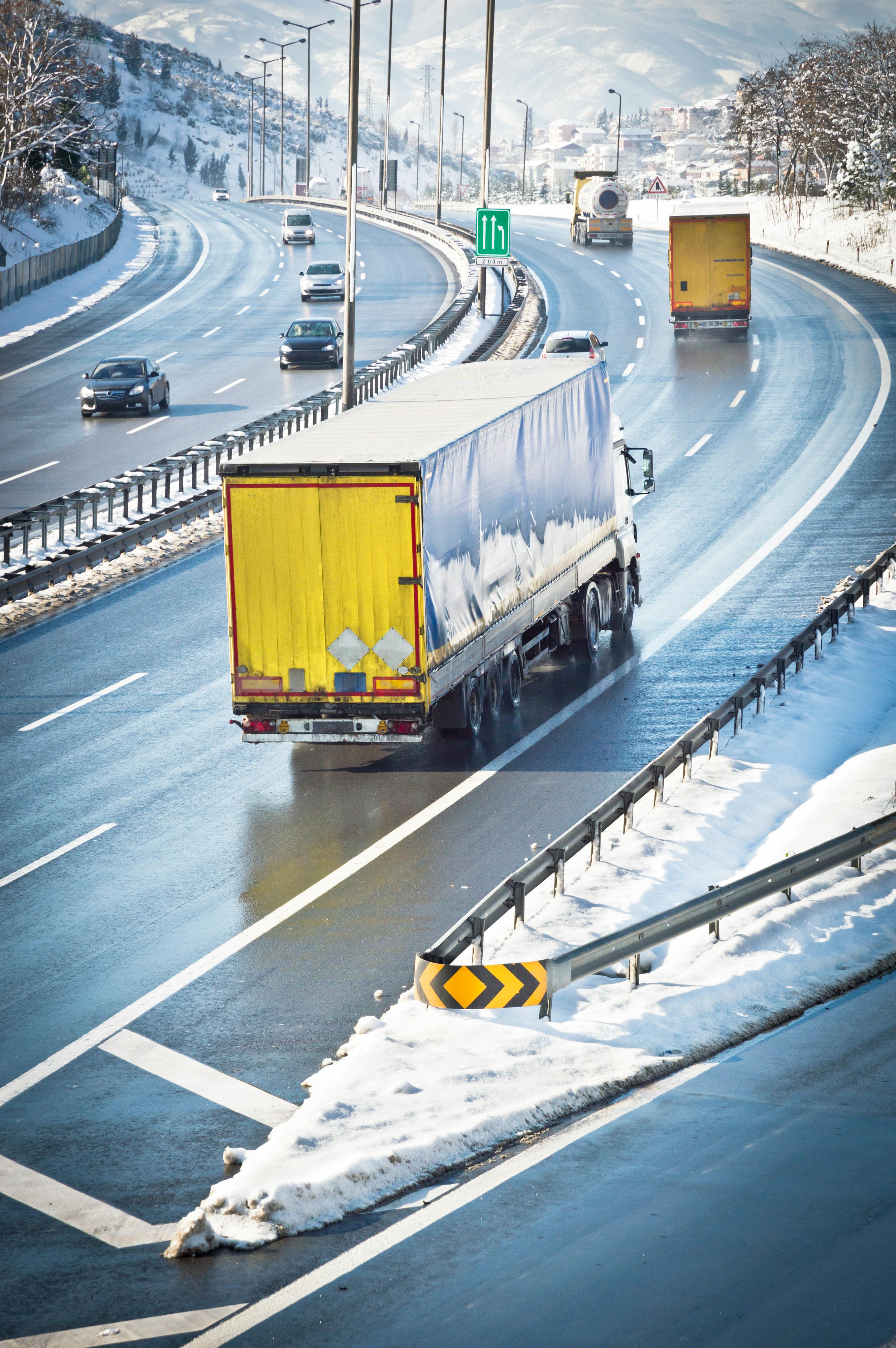
Food prices are deeply tied to fuel and electricity, and both can become more expensive or more volatile at certain times of year. Canada's grocery system depends on refrigerated trucks, warehouses, distribution hubs, and store coolers, all of which consume large amounts of energy.
Winter transportation is especially costly. Snow, ice, and road closures slow shipping times and increase fuel use, maintenance, and labour demands. In remote or northern communities, where many foods already arrive by air or long-haul truck, seasonal logistics can have an even stronger effect on prices.
Energy also influences what happens before food leaves the farm. Greenhouses help extend the growing season for cucumbers, peppers, and tomatoes, but heating and lighting costs can climb in colder months. That keeps local supply available, yet it can also prevent prices from falling as much as shoppers expect.
The exchange rate quietly shapes the price of imported food
Many Canadians notice weather and transport, but fewer think about the Canadian dollar. When the loonie weakens against the U.S. dollar, imported produce and packaged foods can become more expensive for Canadian wholesalers and retailers, especially in seasons when import dependence is highest.
This matters because many winter grocery staples are priced through cross-border supply chains. Fresh fruits, leafy greens, and some dairy-related inputs are often affected by costs negotiated in U.S. dollars. Even if farm output is stable, exchange-rate pressure can still lift shelf prices.
The effect is not always immediate or uniform. Retailers may absorb part of the increase temporarily, use contracts to smooth swings, or promote substitute products. Still, over a full season, currency movement can be one of the least visible but most persistent drivers of food inflation.
Holiday demand and seasonal buying patterns distort normal pricing

The final reason is human behaviour. Seasonal demand spikes can push up prices even when supply has not changed dramatically, because retailers know certain products become non-negotiable purchases at specific times of year.
Turkey at Thanksgiving and Christmas is a classic example. So are baking ingredients before December holidays, barbecue meats in summer, and fresh berries around peak entertaining weekends. When millions of households buy the same items at once, promotions may appear on some goods while others quietly rise.
Retail strategy also shifts with the calendar. Stores use loss leaders to attract traffic, then protect margins elsewhere in the basket. That is why a shopper may find discounted potatoes before a holiday meal but pay more for cream, herbs, salad ingredients, or dessert fruit in the same trip.




Leave a Reply