
Some Canadian food brands feel modest at home but loom much larger once they cross a border. In several cases, their biggest fans, widest shelf presence, and strongest cultural pull are found far from Canada.
Tim Hortons

Few brands are more closely tied to Canada than Tim Hortons, yet some of its most aggressive growth has happened abroad. The chain's domestic market is mature, which means new stores in Canada often add limited upside compared with international expansion.
China became the clearest example of that strategy. Backed by Restaurant Brands International and local partners, Tim Hortons pushed beyond being a coffee stop and positioned itself as a lifestyle café, with modern interiors, app-driven ordering, and menu items tailored to local tastes.
That approach matters because in Canada, Tim Hortons is a routine convenience brand. Overseas, it can feel more premium and aspirational. In markets where Western café culture carries status, the brand often has a stronger novelty factor than it does in the country where it was born.
McCain Foods
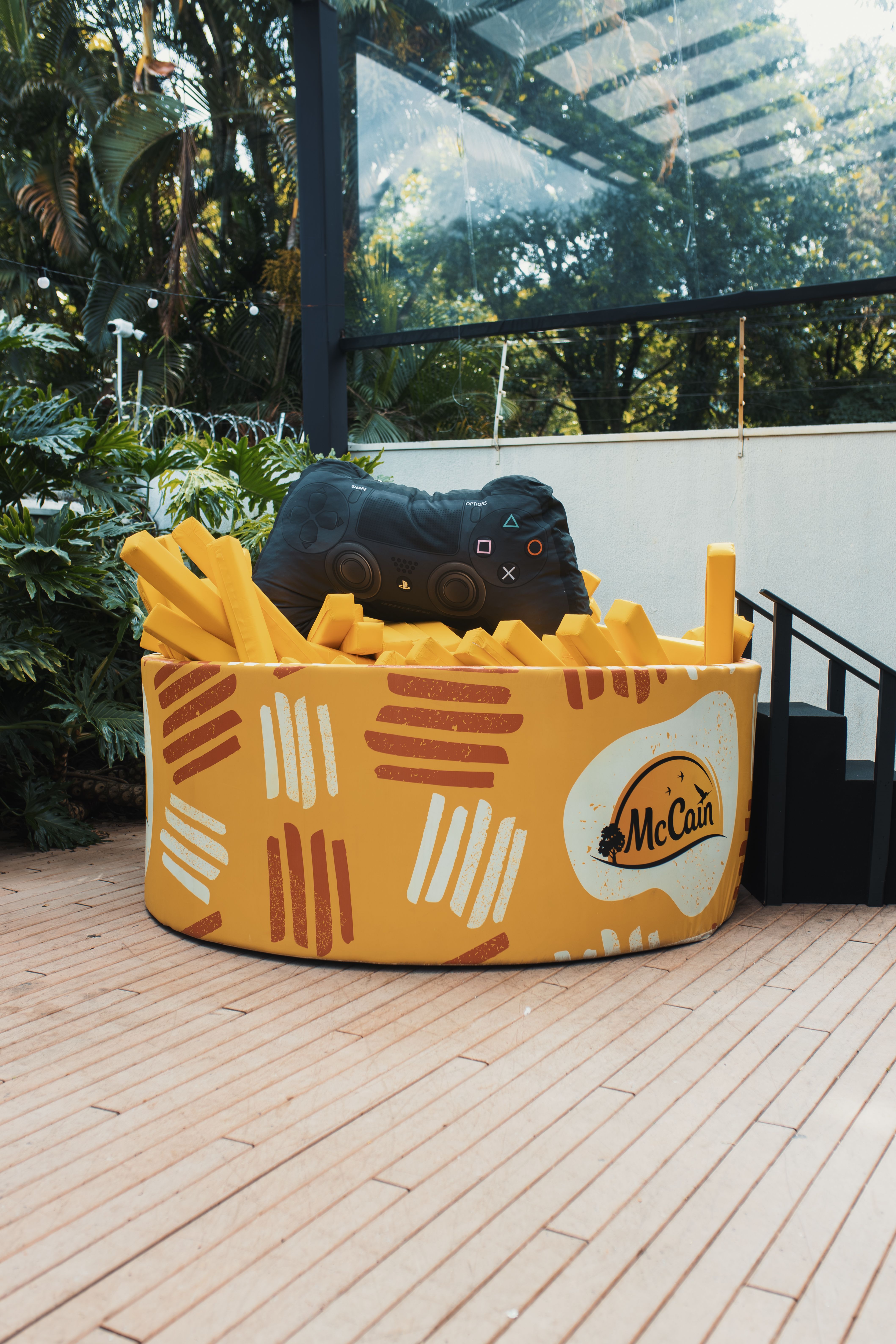
McCain is one of the world's biggest frozen potato companies, but many consumers do not immediately connect it with Canada. Founded in New Brunswick, the company built its power through exports, international processing plants, and deep relationships with retailers and foodservice giants.
Its frozen fries are especially dominant outside Canada because McCain became embedded in global fast-food and restaurant supply chains. That kind of scale matters more than retail fame, since a huge share of the company's influence comes from what people eat without noticing the brand behind it.
In Europe, Asia, Latin America, and the Middle East, McCain products reach homes, restaurants, and institutional kitchens at immense volume. At home, it is familiar. Abroad, it is often a backbone supplier to national food systems, which makes its real footprint much larger than most Canadians realize.
DAVIDsTEA

DAVIDsTEA enjoyed strong recognition in Canada, but its concept resonated powerfully with international tea enthusiasts and trend-driven shoppers. Its colorful packaging, flavored blends, and gift-friendly presentation matched a global premium tea boom that extended well beyond the Canadian mall culture where it started.
In the United States especially, the brand gained attention as a modern alternative to traditional loose-leaf tea retailers. It sold an experience as much as a beverage, with seasonal launches, wellness blends, and social-media-ready merchandising that traveled well across borders.
What made DAVIDsTEA stand out overseas was not volume on the level of a mass grocery brand. It was cultural reach within a specific niche. In markets where specialty tea was tied to lifestyle spending, the brand often drew stronger curiosity abroad than routine loyalty at home.
Canada Dry

Despite the name, Canada Dry has long operated as an international ginger ale powerhouse whose identity often feels more global than specifically Canadian. The brand was created in Toronto, but over time it became woven into beverage portfolios controlled and distributed by much larger multinational systems.
That structure helped Canada Dry spread widely through the United States and many overseas markets. In practice, millions of consumers know the brand without knowing its origin story. Its crisp, lighter style of ginger ale became a standard mixer and household staple far beyond Canada.
The irony is part of the story. A brand carrying Canada in its name may be one of the clearest examples of Canadian food and drink heritage traveling better abroad than at home. Recognition overseas is broad, durable, and often detached from its Canadian roots.
Second Cup

Second Cup never matched Tim Hortons in Canada, but it found a different kind of opportunity overseas through franchising. In the Middle East especially, the brand established a noticeable presence in shopping malls and urban retail districts where café culture is highly social and visually branded.
There, coffee chains are not just grab-and-go businesses. They are meeting places. Second Cup's format, menu flexibility, and franchise model made it adaptable to that environment, allowing it to function as an accessible premium café rather than a secondary domestic chain.
That contrast is the key reason it often seemed larger abroad than at home. In Canada, it competed in a crowded market with limited room to define itself. Overseas, it could occupy a clearer lane and benefit from consumers seeking recognizable North American café brands.




Leave a Reply