
Sticker shock is routine in Northern Canada. A bag of apples or a jug of milk can cost far more than most southern shoppers would ever expect.
Distance Makes Every Delivery Expensive
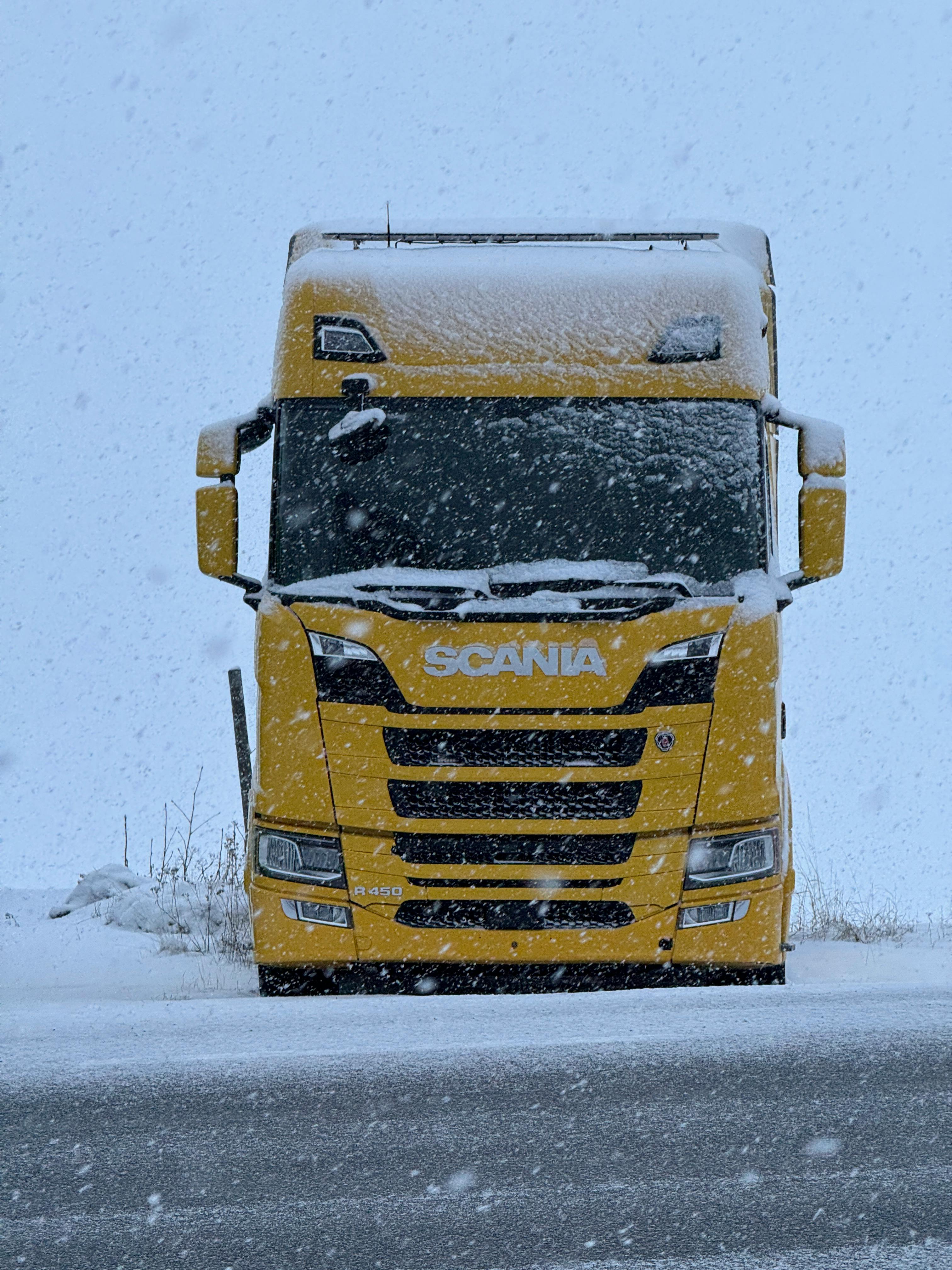
The first and biggest pressure is geography. Many northern communities are isolated by vast stretches of tundra, forest, water, or ice, and that distance raises the cost of every shipment long before food reaches a store shelf.
In southern Canada, groceries move through dense highway networks and large distribution hubs. In the North, many communities are supplied by air for part of the year, and air freight is among the most expensive ways to move basic goods.
Even where seasonal winter roads or annual sealifts are available, timing is everything. Retailers often have one short window to bring in large volumes, which means careful planning, higher storage needs, and costly backup options when routes fail.
Small Populations Mean Less Buying Power

A second reason is scale, or more accurately, the lack of it. Many northern communities have small populations, so stores cannot spread operating costs across the same sales volume that large urban supermarkets can.
A major southern grocery chain may serve thousands of customers every day and buy products in huge quantities. A small northern store orders less, receives fewer supplier discounts, and pays more per unit before freight is even added.
Low turnover also makes perishables riskier. If fresh berries, lettuce, or yogurt do not sell quickly, spoilage losses rise, and stores price goods higher to offset products that may expire before purchase.
Harsh Weather and Short Seasons Disrupt Supply

Nature plays a direct role in northern food prices. Extreme cold, blizzards, fog, and spring thaw regularly delay planes, weaken ice roads, and interrupt deliveries that southern consumers often take for granted.
When a shipment misses its planned arrival, costs multiply fast. Retailers may need emergency air deliveries, reorder damaged stock, or absorb losses from produce that spent too long in transit and arrived in poor condition.
Climate change is making that instability worse in many regions. According to reporting from northern transportation and food security experts, shorter and less reliable winter road seasons are forcing communities to depend more heavily on expensive year-round air service.
Limited Competition Keeps Prices High
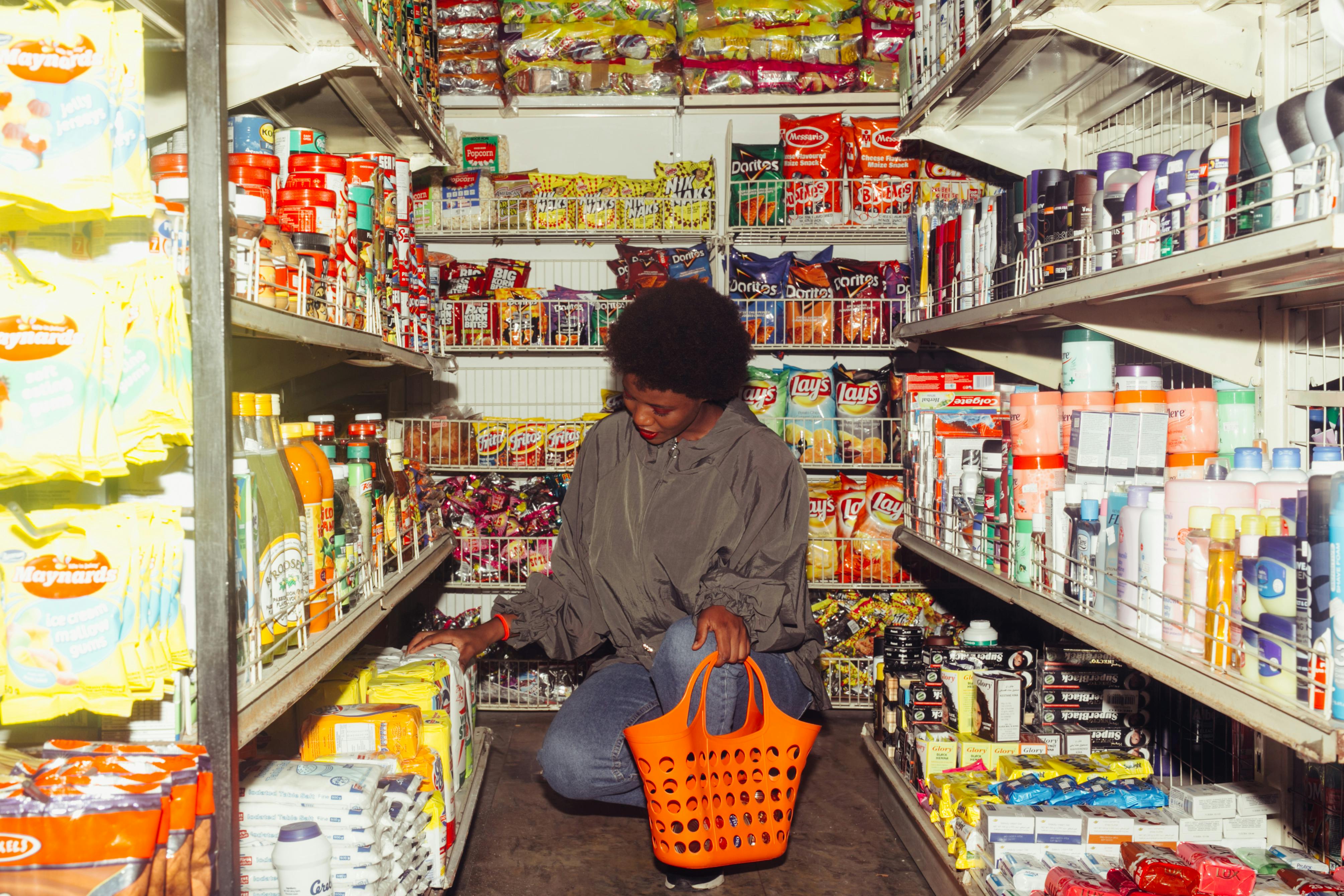
Here is an uncomfortable truth: many northern shoppers do not have real choice. In some remote communities, only one primary grocery retailer serves the area, and limited competition reduces the pressure to keep prices as low as possible.
Monopoly-like conditions do not automatically mean unfair pricing, because operating costs are genuinely high. Still, when consumers cannot shop around, compare specials, or drive to another town, stores have more room to pass every added expense directly to households.
Government subsidy programs such as Nutrition North Canada are meant to lower the cost of eligible foods. Critics, including the federal Auditor General in past reviews, have questioned how consistently those savings reach consumers at the checkout.
Infrastructure Gaps Add Hidden Costs
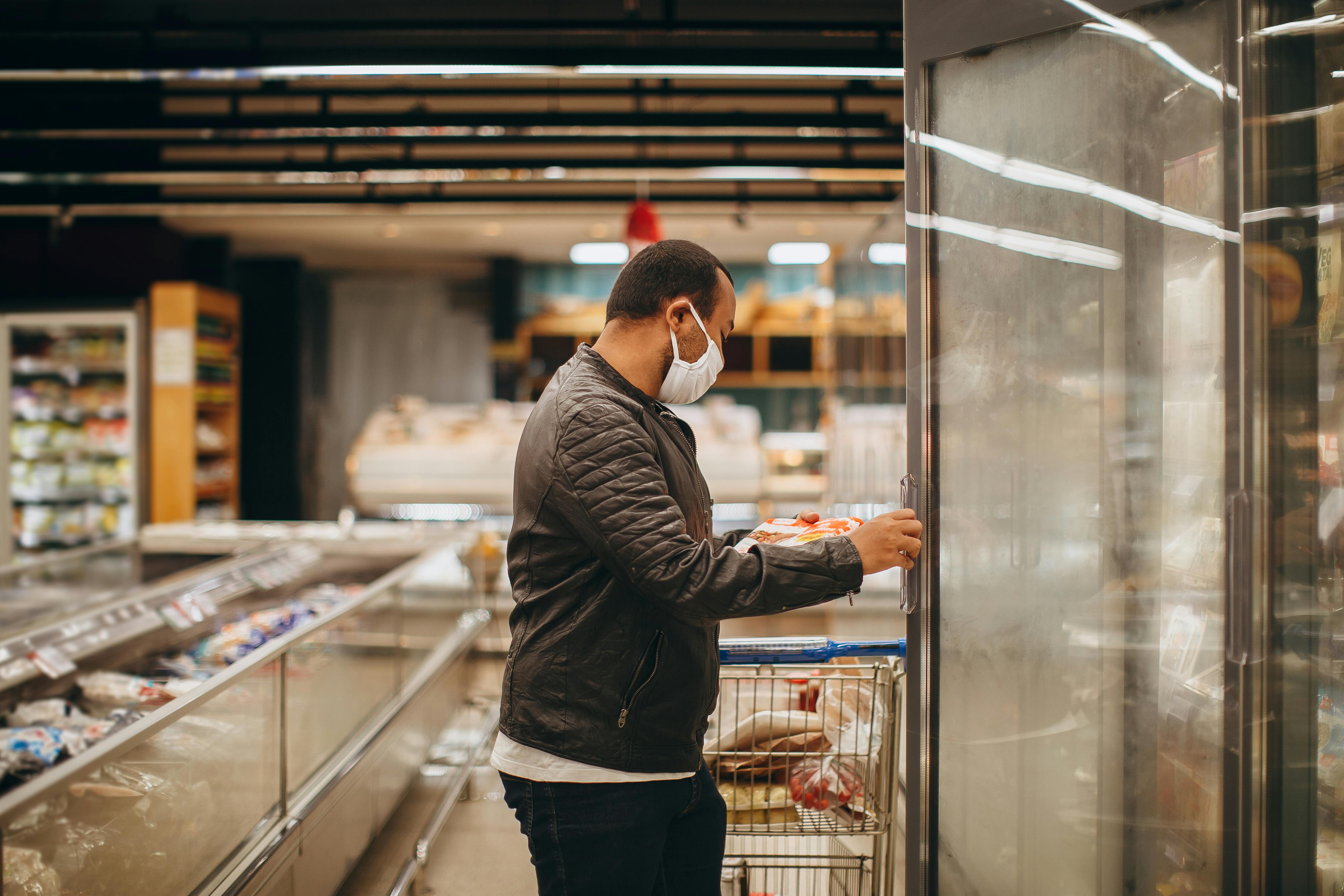
The final reason is the basic cost of doing business in places with limited infrastructure. Warehouses, refrigeration systems, backup generators, fuel storage, and building maintenance all cost more in remote and extreme environments.
Electricity and heating bills are often steep, especially where diesel generation remains common. If a freezer fails or power is interrupted, a store can lose valuable inventory quickly, and those risks are built into pricing.
Housing shortages and labor challenges add another layer. Retailers may have to pay more to recruit workers, fly in specialized technicians, or secure staff accommodation, and those expenses eventually show up in the price of bread, eggs, and produce.



Leave a Reply