
Global food prices are shaped by geography as much as by farming skill. In many cases, importing a crop is not a weakness in the food system but the most efficient economic choice.
Bananas

Bananas are the classic example of a food that is often cheaper to import than to grow domestically. They need steady tropical heat, high humidity, abundant rainfall, and protection from cold snaps, conditions that large parts of the United States and Europe simply do not offer year-round.
Even where bananas can be grown, such as parts of Florida, Hawaii, or the Canary Islands, production costs are much higher than in major exporting nations like Ecuador, Guatemala, and Costa Rica. Land is more expensive, labor rules are stricter, and storms can wipe out yields quickly.
Scale also matters. Large banana exporters have specialized infrastructure, from plantations and packing facilities to refrigerated shipping networks, that spread costs across enormous volumes. That efficiency helps keep supermarket banana prices low, even after transport is added.
According to trade analysts, shipping costs for bananas are often less significant than the cost disadvantage of trying to produce them in marginal climates. For most non-tropical countries, imports are simply the cheaper route.
Avocados
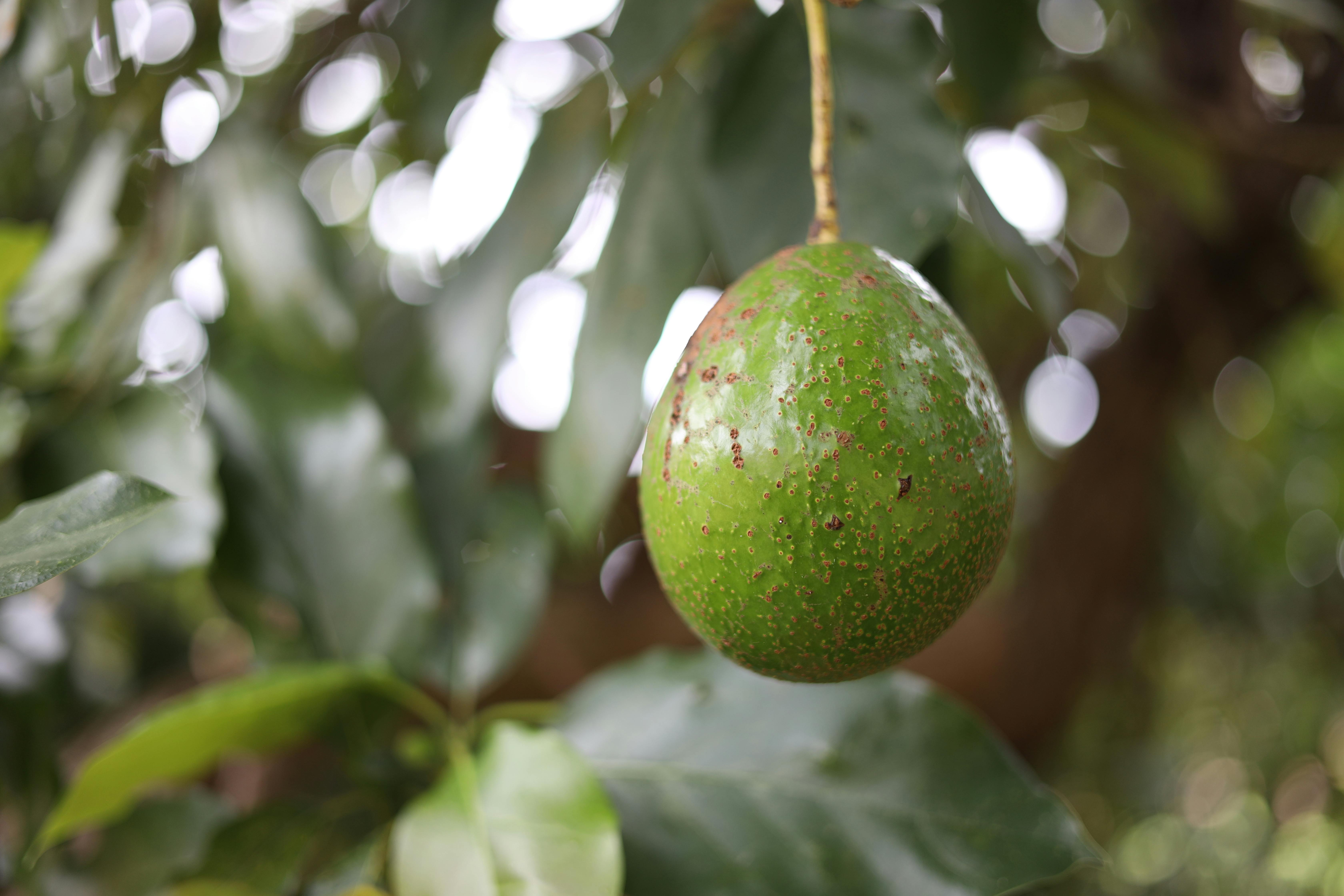
Avocados may feel local when they appear in every grocery store, but they are expensive to grow outside ideal regions. The crop needs frost-free conditions, long growing seasons, and carefully managed irrigation, which immediately limits where production can happen profitably.
California grows avocados successfully, yet growers there face some of the highest water, labor, and land costs in the world. In dry years, irrigation alone can become a serious financial burden, especially as water restrictions tighten and urban demand competes with agriculture.
Mexico has a major advantage because of its climate, lower average production costs, and year-round supply from multiple growing zones. Michoacán in particular has become a global powerhouse, supported by established packing houses and export logistics built around U.S. demand.
That combination means imported avocados can often land in stores at prices domestic growers struggle to match. Even when consumers prefer local produce, the economics of scale and climate still tend to favor imports.
Coffee
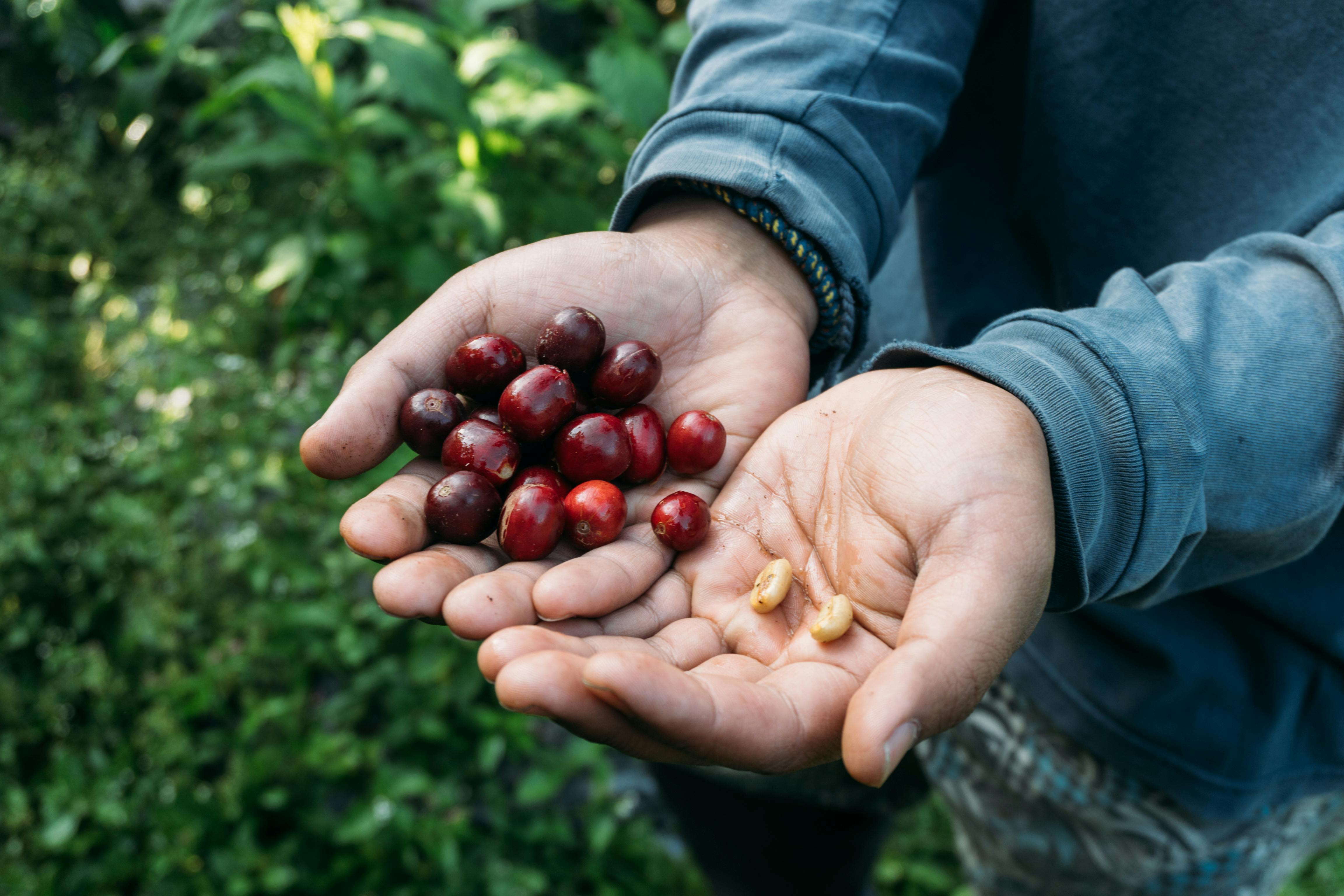
Coffee is deeply tied to place, and that is exactly why it is usually cheaper to import than to grow at home. Commercial coffee thrives in a narrow belt around the equator, where altitude, temperature, and rainfall patterns create the right conditions for consistent yields and bean quality.
Attempts to grow coffee in places like California or controlled greenhouse environments are technically possible, but they rarely make sense at scale. Coffee plants take years to mature, harvesting is labor-intensive, and processing requires expertise and equipment that add more cost.
Brazil, Vietnam, Colombia, and Ethiopia benefit from generations of production knowledge and landscapes naturally suited to the crop. Their industries are also supported by export systems designed specifically for moving green coffee efficiently through global markets.
For countries outside coffee-growing zones, importing remains dramatically cheaper than developing a domestic industry from scratch. The retail price of coffee reflects roasting and branding too, but the raw bean is usually most affordable when sourced internationally.
Pineapples
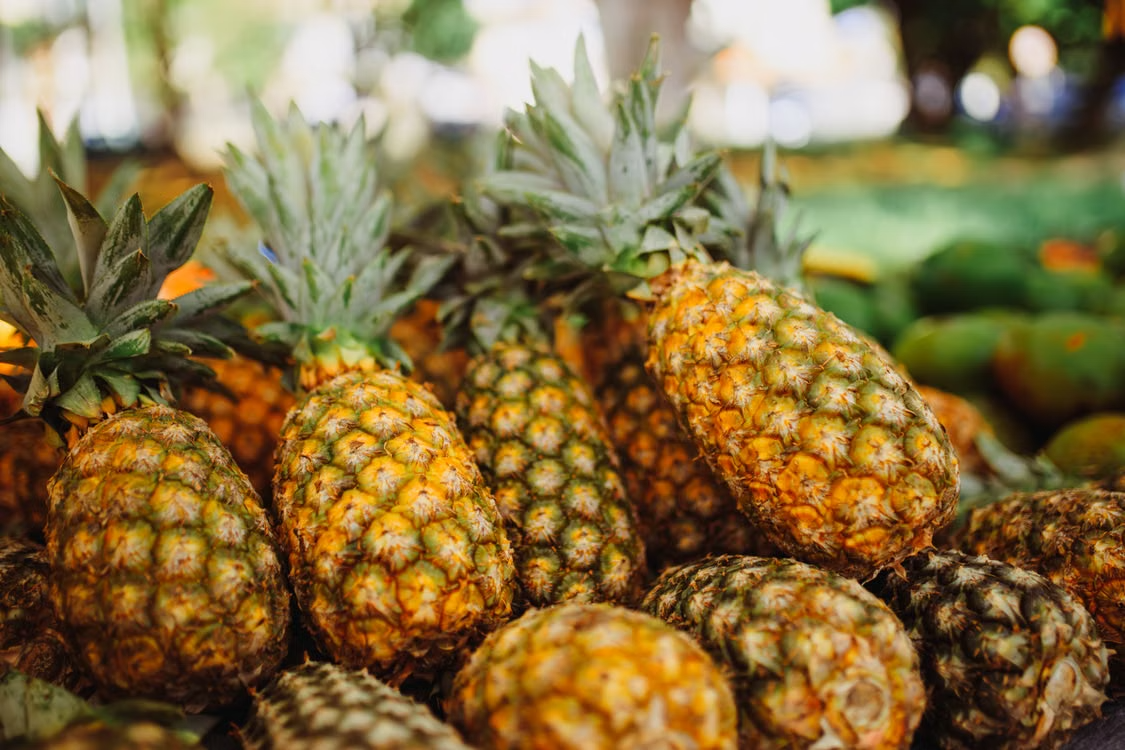
Pineapples look rugged, but they are surprisingly demanding from a commercial farming standpoint. They prefer warm tropical temperatures, well-drained soils, and a production cycle that can stretch well beyond a year, tying up land and labor longer than many annual crops.
Costa Rica dominates the export market because it can produce pineapples at massive scale with favorable weather and established supply chains. That concentration has lowered costs for international buyers, especially retailers that depend on predictable volume and uniform fruit size.
Growing pineapples domestically in cooler or less suitable climates often means greenhouses, added heating, or lower yields, all of which raise the final cost sharply. Even in warm regions, competition for land with housing or higher-value crops can make pineapple farming uneconomical.
By the time domestic production costs are calculated, imports often still win. Refrigerated transport has become efficient enough that distance matters less than climate suitability and farm scale.
Vanilla

Vanilla is one of the most labor-intensive foods on earth, and that fact alone explains why import markets dominate. Most natural vanilla comes from orchids that require hand pollination in many producing regions, followed by a long curing process that demands skill and patience.
Madagascar has long led global vanilla production, with Indonesia and Uganda also playing major roles. These countries combine suitable climates with labor structures that, despite market volatility, still make production more feasible than in higher-cost economies.
Trying to grow vanilla domestically in non-tropical countries usually requires greenhouse conditions, hand labor, and years of investment before vines become productive. A small crop can be grown by enthusiasts, but commercial pricing quickly becomes uncompetitive.
Vanilla also illustrates a broader truth about agriculture: some foods are cheap to move relative to how expensive they are to produce. In those cases, imports are not just convenient, they are economically rational.
Cocoa
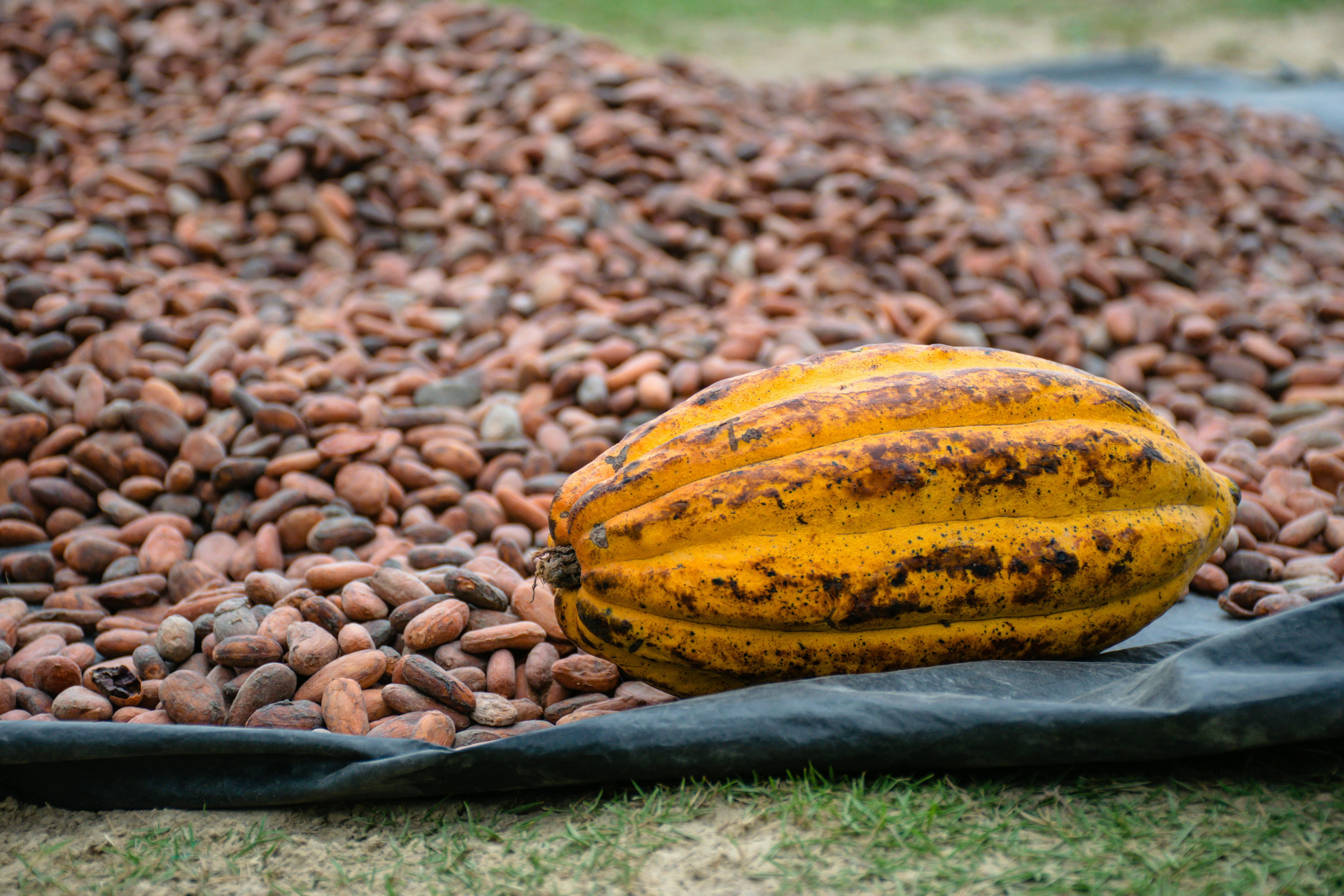
Chocolate starts with cocoa, a crop that depends on equatorial humidity, stable warmth, and careful post-harvest handling. These growing conditions are concentrated in West Africa, Latin America, and parts of Asia, leaving most wealthy consumer markets far outside the natural production zone.
Côte d'Ivoire and Ghana dominate global cocoa supply because they have the right climate and established farmer networks. Although the sector faces major sustainability and income challenges, it still produces cocoa at costs that countries in cooler climates cannot realistically match.
Growing cocoa domestically in temperate nations would usually require expensive greenhouse systems and intense climate control. That would raise costs before fermentation, drying, storage, and processing are even considered, making the resulting cocoa prohibitively expensive.
As with coffee, the global trade system exists because production is geographically constrained. For most countries, importing cocoa is not optional if they want affordable chocolate on store shelves.
Rice
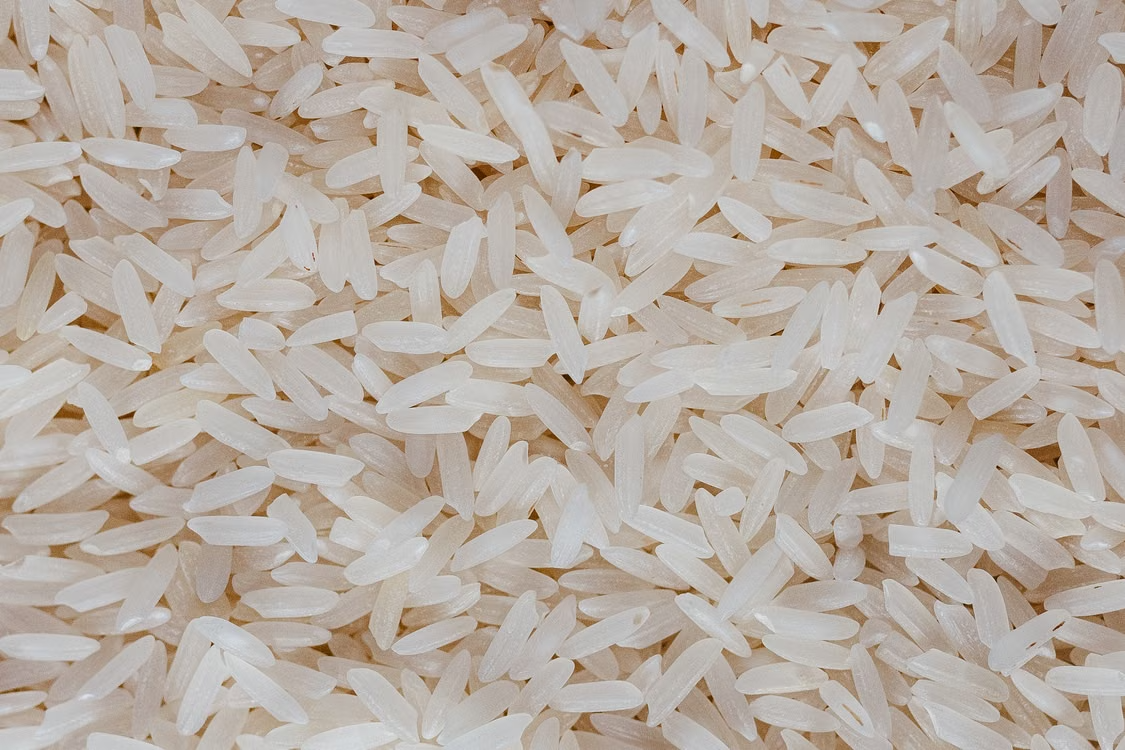
Rice may seem like a basic crop, but not all rice is economical to grow everywhere. It requires specific combinations of heat, water availability, flat land, and harvesting infrastructure, and those factors can make domestic production surprisingly expensive in unsuitable regions.
Countries such as Thailand, Vietnam, and India benefit from climates and landscapes that support very high output. Their producers also often specialize in varieties like jasmine or basmati, creating export advantages that go beyond raw production cost alone.
In contrast, countries with cooler weather, limited water, or high labor expenses may find that local rice struggles to compete. Building irrigation systems, maintaining flooded fields, and managing machinery on smaller acreages can push unit costs well above imported alternatives.
That is why many nations grow some rice yet still import large volumes. When another region can produce it more efficiently and ship it cheaply, the market usually follows the lower-cost path.




Leave a Reply